02.12.2025
1 хв
753



44-річний чоловік отримав вирок — 7 років і 4 місяці тюрми — за організацію фальшивих Wi-Fi мереж («evil twin») в аеропортах та на внутрішніх рейсах Австралії з метою викрадення даних мандрівників.
Правоохоронці вилучили у нього портативний пристрій для створення підроблених точок доступу, ноутбук та мобільний телефон.
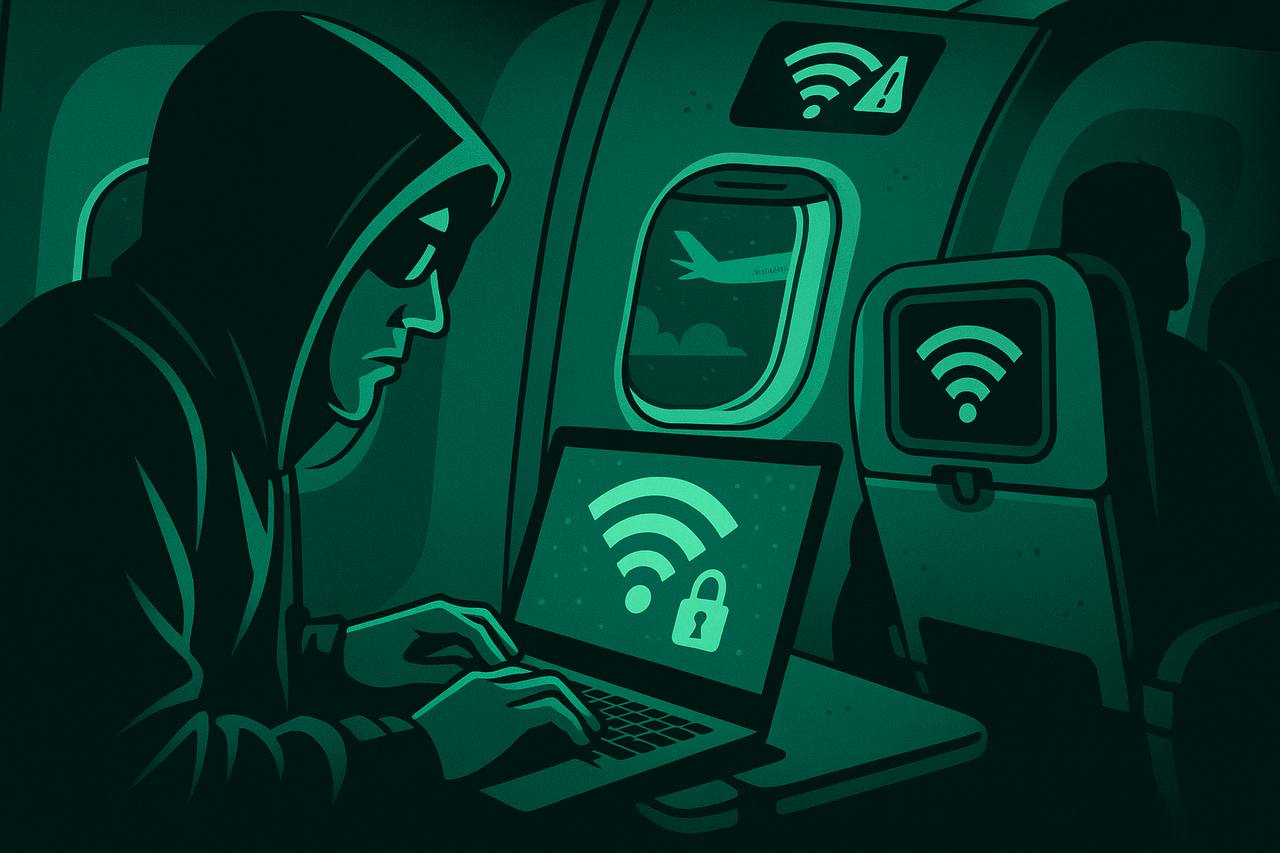
Атакуючи, він копіював SSID відомих громадських Wi-Fi — наприклад, в аеропортах — таким чином заманював користувачів підключитися до «чужої, але знайомої» мережі.
Після підключення жертви перенаправляли на фішингову веб-сторінку, де вони вводили свої облікові дані (логіни, паролі), які зловмисник потім використовував, зокрема для крадіжки приватних фотографій і відео — переважно жінок.
Під час обшуку також було виявлено тисячі викрадених приватних файлів, зламані облікові записи та докази створених фальшивих Wi-Fi сторінок.
Крім того, зловмисник намагався знищити докази — наприклад, видалив частину файлів і намагався дистанційно обнулити телефон.
Такий тип атаки — Evil Twin (Wi‑Fi) — є формою «man-in-the-middle»: зловмисник створює мережу, яка на вигляд начебто легальна, а натомість перехоплює весь трафік або краде логіни.
Цей випадок — яскраве попередження, що безпечність громадського Wi-Fi — міф: навіть в аеропорту чи літаку, серед «нормальних» людей, може чекати пастка.
Якщо ви подорожуєте та підключаєтесь до безкоштовного Wi-Fi — будьте обережні: перевіряйте назву мережі, уникайте вводу логінів/паролів, не довіряйте «сильному сигналу». Уникайте сторонніх точок доступу, користуйтеся VPN та не залишайте чутливі дані без захисту. Цей вирок показує: за кіберзлочини — серйозне покарання.