У Великій Британії стався масштабний витік даних: відкритий у мережі Elasticsearch-сервер розкрив більш ніж 300 000 записів користувачів історичного фотоархіву Francis Frith, включно з іменами, електронними адресами та приватними повідомленнями, що створює ризики фішингу та шахрайських атак.
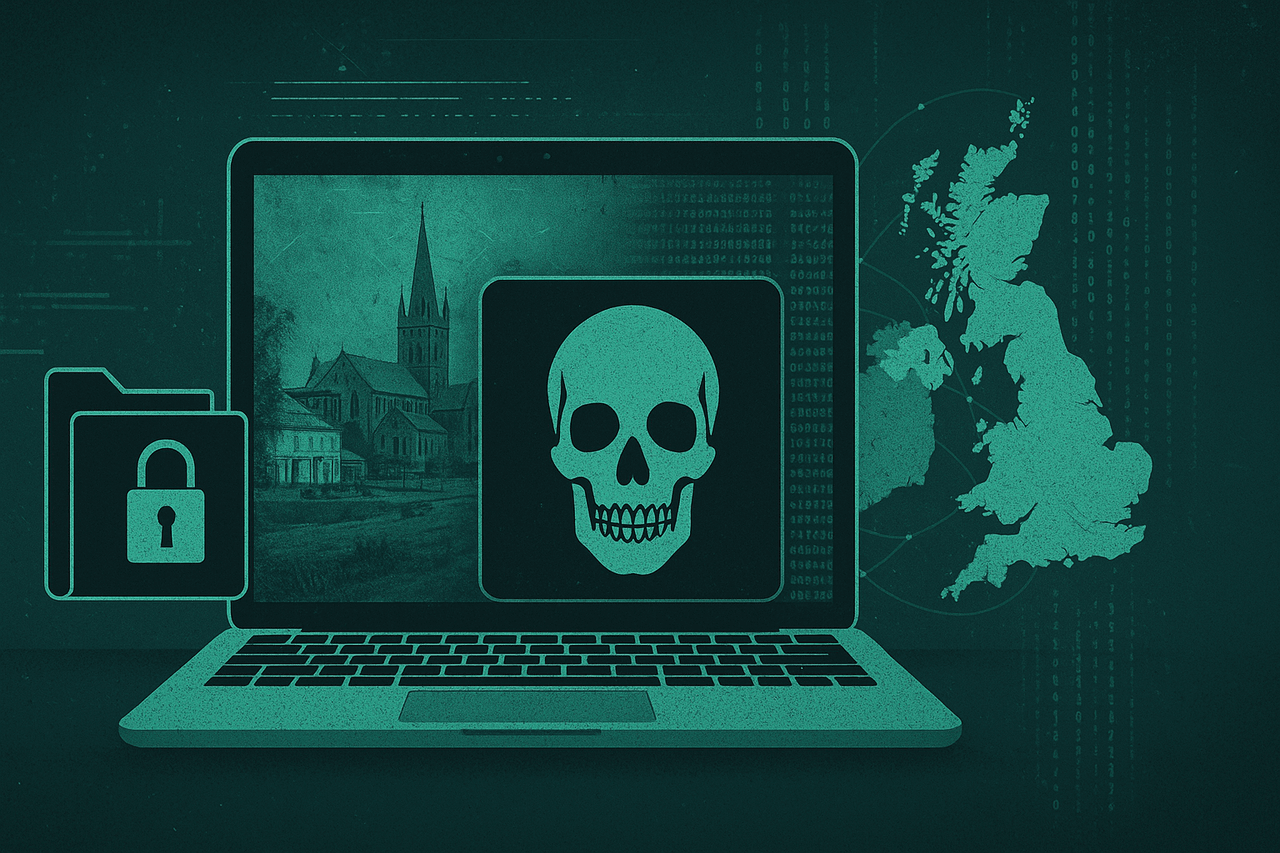
Дослідники виявили незахищену базу даних, пов’язану з Francis Frith — одним із найстаріших британських фотоархівів, заснованих у 1860 році. Відсутність автентифікації дозволила будь-кому в інтернеті переглядати інформацію користувачів та близько 44 000 приватних повідомлень клієнтів.
Аналіз показав, що дані належать клієнтам Heritage Resource Management Ltd., компанії, яка обробляє замовлення на продукцію з історичного архіву. У базі містилися повні імена, електронні адреси та, в окремих випадках, фізичні адреси, які користувачі згадували у своїх повідомленнях. Частина інформації датувалася 2006 роком, тобто витік охопив як нові, так і давні акаунти.
Хоча фінансових даних або паролів у базі не було, особиста інформація може бути використана для таргетованого фішингу. Зловмисники можуть видавати себе за Francis Frith і надсилати клієнтам неправдиві листи щодо замовлень фотопродукції, скеровуючи їх на шкідливі сайти або поширюючи шкідливі програми.
Перші сліди витоку з’явилися 8 вересня 2025 року. Дослідники 16 вересня повідомили компанію та британську CERT про витік, після чого сервер був закритий 23 вересня. Francis Frith на момент публікації не надала жодного коментаря щодо інциденту.
Історичний фотоархів Francis Frith охоплює період з 1860 по 1970 роки й зберігає сотні тисяч зображень міст і сіл Великої Британії. Компанія продає друковані копії, книги та персоналізовану фотопродукцію, що робить її популярною серед істориків, колекціонерів та туристів.
Витік Francis Frith демонструє, що навіть організації з довгою історією та культурним значенням не застраховані від кіберінцидентів. Хоч фінансові дані не були розкриті, приватна інформація створює високий ризик фішингу та соціальної інженерії. Користувачам варто бути пильними щодо підозрілих листів, а компаніям — приділити більше уваги безпеці відкритих баз даних та належному контролю доступу.