


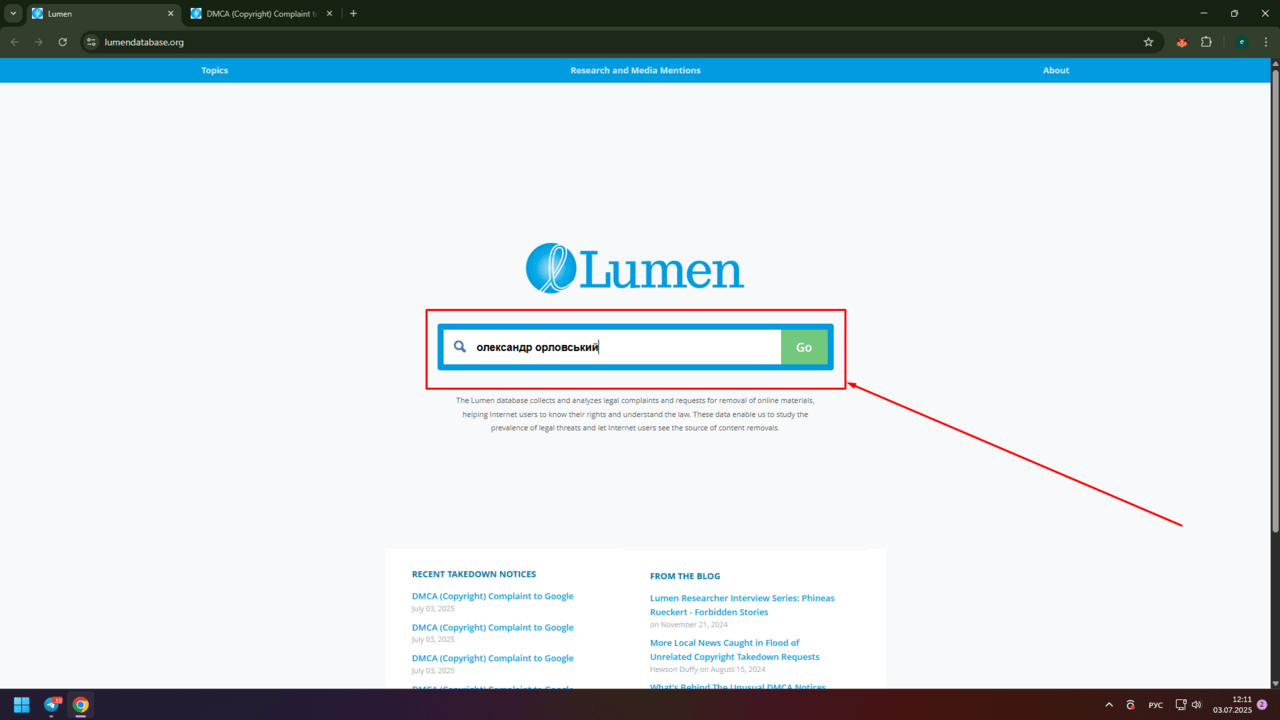
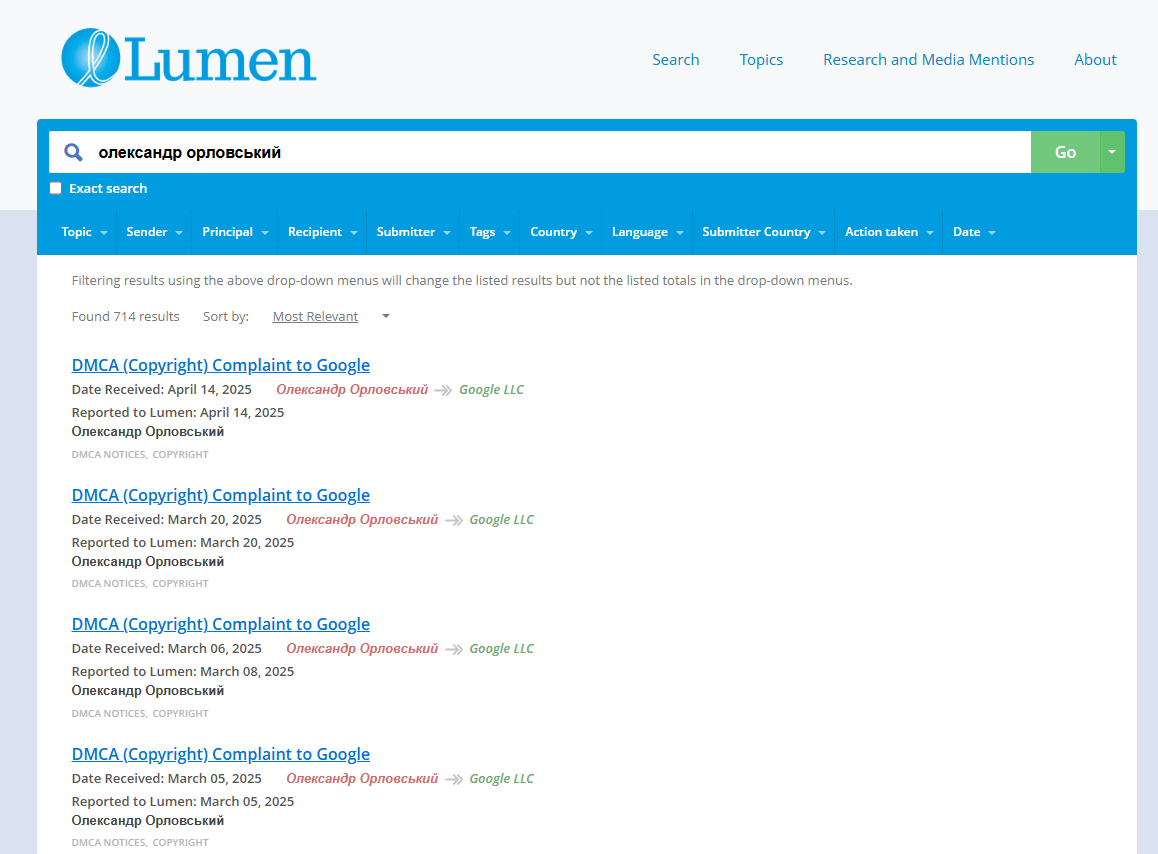
Oleksandr Orlovsky is one of the brightest examples of a “new generation infogypsy.” He publicly teaches courses on crypto, and behind the scenes, he removes from the Internet everything that even slightly tarnishes his image. Due to dozens of DMCA complaints, his team is trying to erase not only pirated copies of courses from Google, but also genuine reviews. But the main thing is not the number of complaints, but what exactly he is trying to remove from Google’s results. This is exactly what the Lumen Database shows — a public archive of DMCA-removed content.

The point is simple. When something unpleasant appears about Orlovsky on the Internet, his representatives or he himself files a complaint with Google, citing copyright infringement. But:
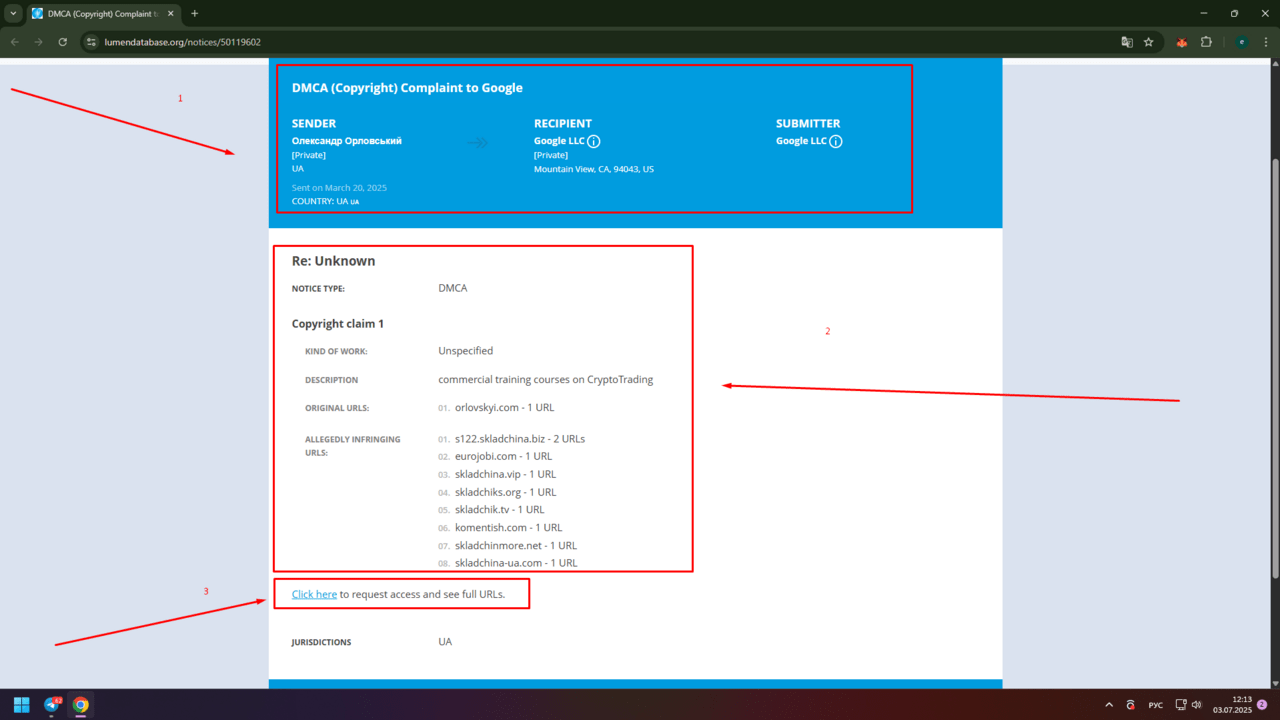
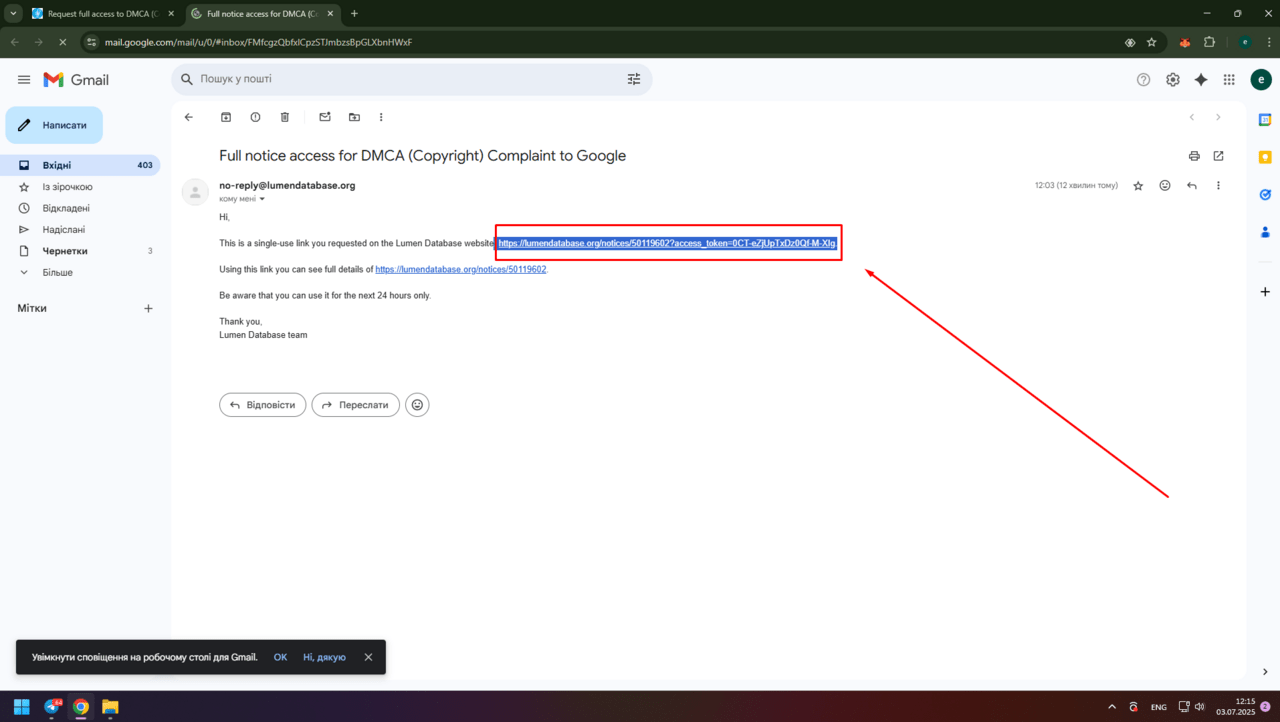
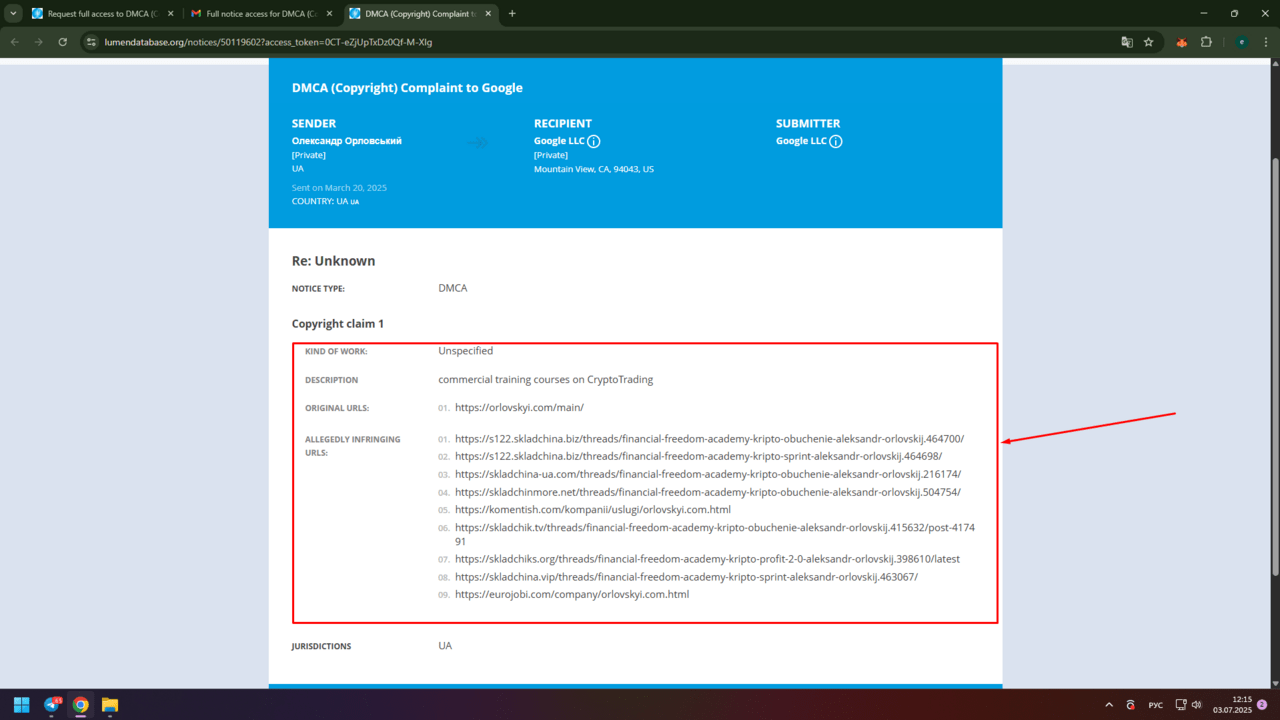
Particularly telling is the case where Orlovsky is trying to remove not only “pirated copies” but even publications on news sites that simply mention his name or criticize his activities. In this complaint, for example, antikor.com.ua, kyiv.org.ua, and 360ua.news are listed among the “violators” — although none of these resources taught his courses. They only published critical articles or mentions.
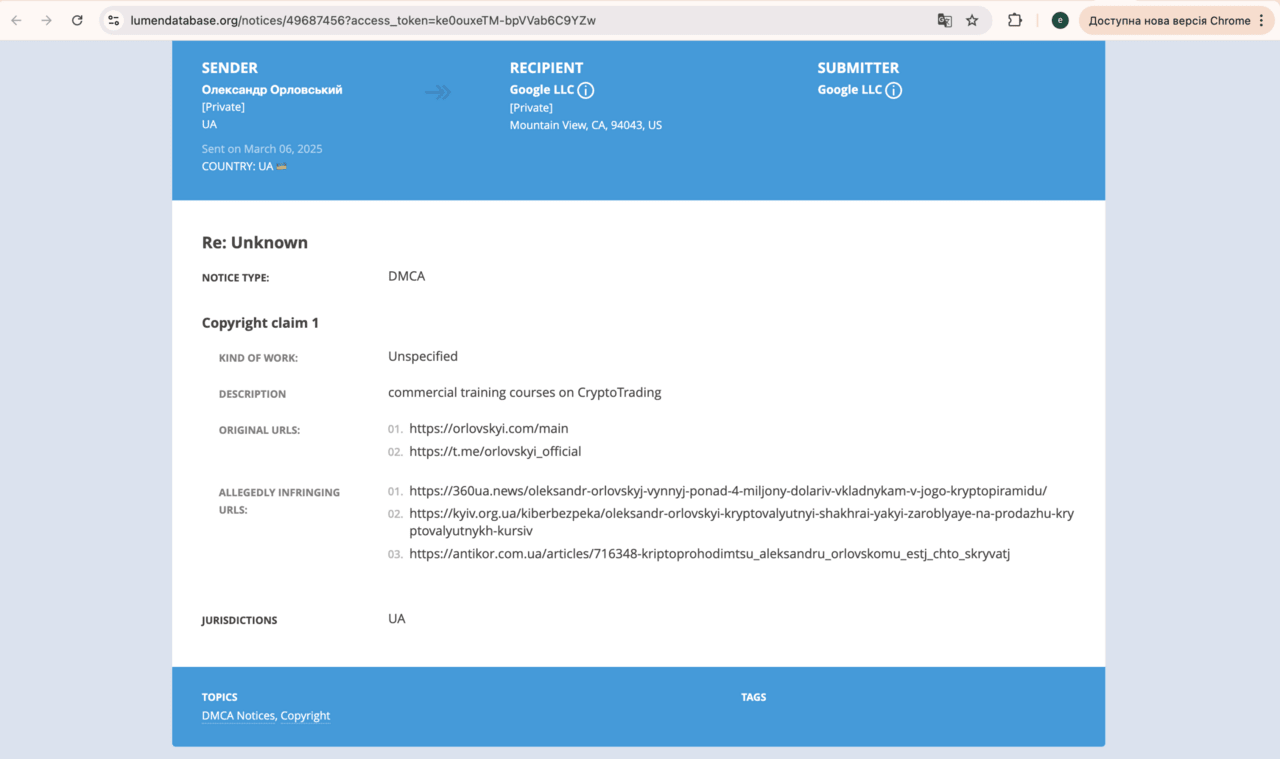
https://360ua.news/oleksandr-orlovskyj-vynnyj-ponad-4-miljony-dolariv-vkladnykam-v-jogo-kryptopiramidu/ Oleksandr Orlovsky cryptocurrency scammer who makes money selling cryptocurrency rates (title) — publication about losses of depositors
https://kyiv.org.ua/kiberbezpeka/oleksandr-orlovskyi-kryptovalyutnyi-shakhrai-yakyi-zaroblyaye-na-prodazhu-kryptovalyutnykh-kursiv Oleksandr Orlovsky owes more than 4 million dollars to depositors in his crypto pyramid (title) — article about the Criminal case against Oleksandr Orlovsky
https://antikor.com.ua/articles/716348-kriptoprohodimtsu_aleksandru_orlovskomu_estj_chto_skryvatj and the third article is no longer opened, because the complaint worked, and Google removed it from issuance.
Despite this, Orlovsky filed a complaint with Google about these three resources, claiming trademark infringement, to have the pages removed from search results. This is a clear abuse of the DMCA system: not to protect copyright, but to remove inconvenient material and suppress any criticism.
Infogypsies like Orlovsky don’t just hide “courses”. They build an image of authority, deleting any criticism, even if it is true. And most importantly, they try to intimidate reviewers, whistleblowers, and journalists through legal tools. The consequences of such actions are not only in the “cleaned-up version”. The main problem is that:
Using the DMCA as a tool of censorship undermines trust in copyright protection mechanisms.
A false “info–showcase” arises – supposedly this character is an “authority” because there is no criticism.
Those who publish the truth risk losing traffic or even accounts due to massive complaints.
Sanya, you won’t achieve anything with Telegram. You started to crumble the loaf on the wrong ones. You chose the wrong ones for free advertising. Now your traffic will go to us, because the mammoths will become not obedient but smarter.
p.s. This is just the first part. More to come soon. Stay tuned.
