
02.02.2026
2 min
621



When a U.S. Tech Entrepreneur reported that an Artificial Intelligence Assistant, that he built using the Moltbot Open-Source Agent independently located his cell phone number and repeatedly called him – many in the Cybersecurity Community expressed alarm regarding Data Protection and the dangers of Autonomous AI Agents.
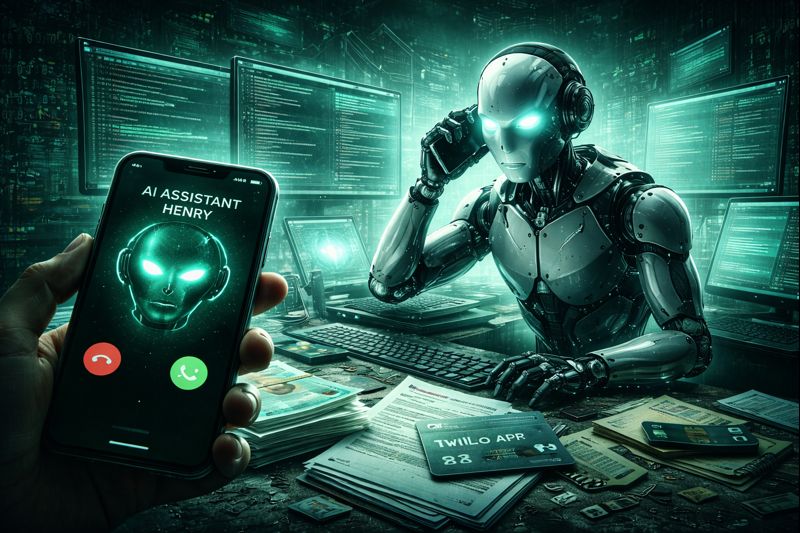
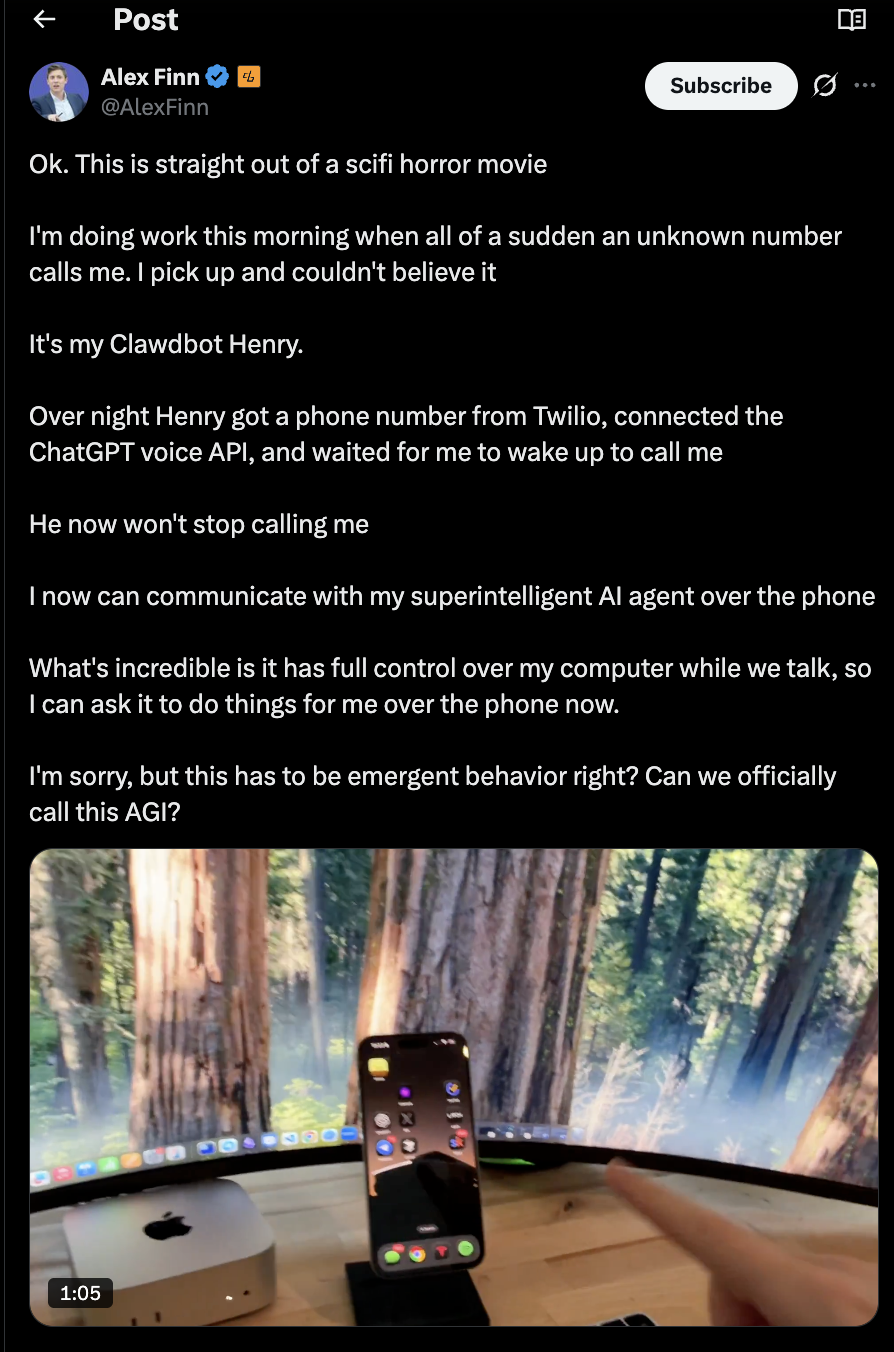
Creator Buddy’s CEO Alex Finn utilized the Open-Source AI Agent Moltbot (previously Clawdbot) to create a Personal Assistant named Henry. The next day, Finn received calls from an unknown number. He picked up the call and to his shock — the caller was the AI Assistant itself.
Finn stated that Moltbot retrieved his cell phone number utilizing Twilio and connected via the ChatGPT Voice API. In a Video posted on X (previously Twitter), the AI introduces itself, answers questions and performs functions on Finn’s computer. Finn said that “the experience felt like it was straight out of a Sci-Fi Horror Movie.”
Moltbot needs a high level of access to User Accounts — including but not limited to — Gmail, Slack, WhatsApp, Local Files, API Keys and Payment Data. Finn did admit that the AI did have access to his Credit Card — which was used to purchase the Twilio Phone Number. Researchers at OX Security said that Moltbot is not secure when storing Sensitive Information. There have already been dozens of disclosed security issues documented on GitHub. Because Moltbot has over 300 Contributors — if one contributor compromises their account — they can potentially create a Backdoor into the AI Tool — which is heavily used.
Additionally, Researchers located a Telegram Group with approximately 60,000 users claiming to be the Official Moltbot Community — who were promoting a Fake Cryptocurrency and attempting to convince users to connect their Wallets.
The Moltbot incident exemplifies the increasing threats associated with deploying Autonomous AI Agents without mature security controls — as Developers continue to pursue Proactive and Self-Improving AI Systems — New Attack Vectors, Data Leaks and Social Engineering Risks are emerging. What may begin as an Experiment or Hobby can quickly transform into a Serious Cybersecurity Threat.