The US Customs and Border Protection (CBP) has launched a mobile app called Mobile Identify for local police so they can snap a photo of a person and check them against immigration databases to spot undocumented migrants. Civil liberties groups are already warning about the risks of mass surveillance and wrongful matches.
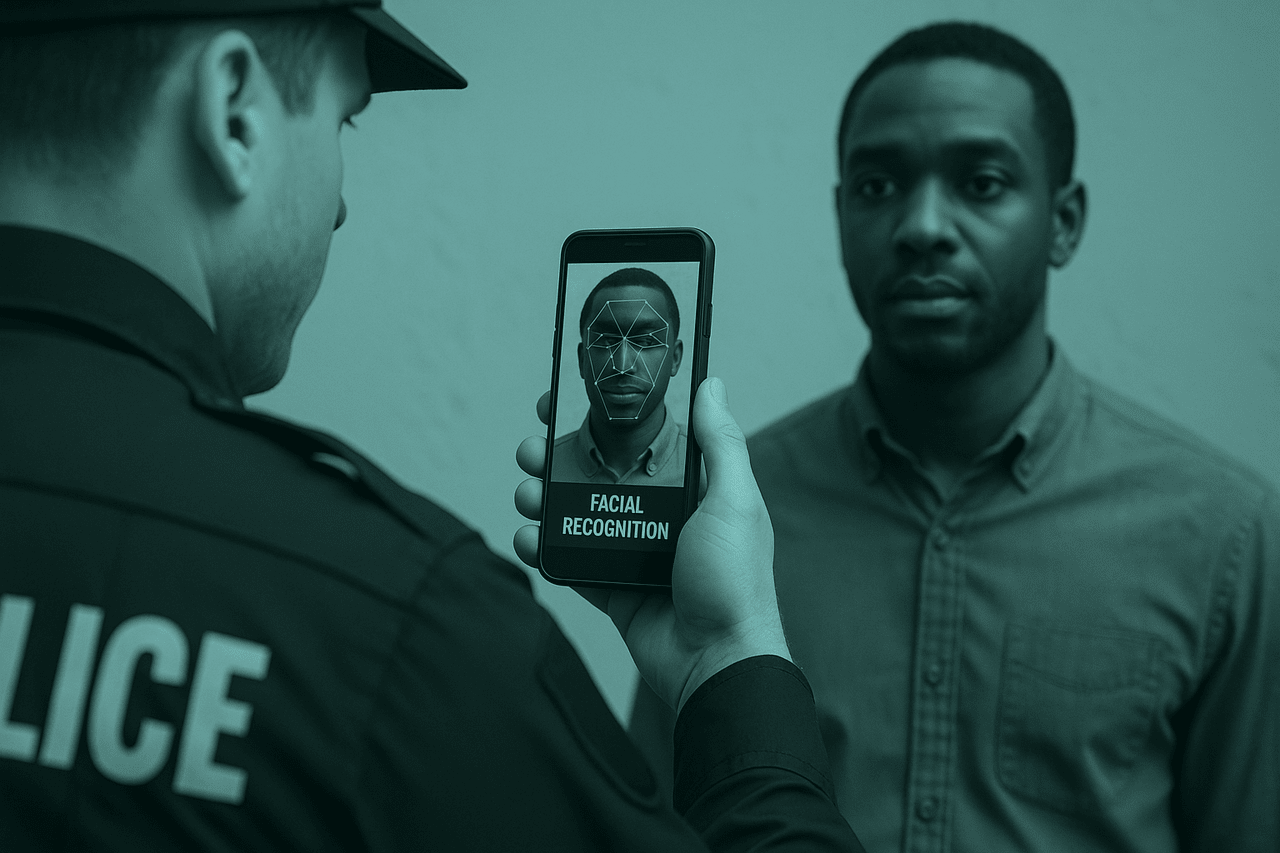
The app is available to police departments that cooperate with ICE under the 287(g) program — meaning some local officers are effectively deputized as immigration agents.
An officer takes a photo of a person with the phone; the app sends the image to Department of Homeland Security systems and returns a result: whether there’s a match and whether ICE should be contacted. The app itself doesn’t show a name, only a reference number tied to an immigration record.
CBP says this is “just a tool” to help quickly establish identity and identify people with immigration violations. Critics counter that the system will inevitably hit racial and ethnic minorities hardest and may lead to detaining even lawful immigrants and US citizens because of algorithmic errors.
A similar app, Mobile Fortify, has already been used for some time by ICE itself; now that technology is moving “downward” into the hands of ordinary patrol officers. US senators and digital rights advocates have previously called for limiting such tools because of privacy risks and the potential for racial or national-origin profiling.
Mobile Identify turns facial recognition into a routine part of street-level ID checks in the US. For authorities, it’s a way to tighten immigration enforcement; for critics, it’s another step toward creeping mass surveillance, where any encounter with the police can end with your face checked against federal biometric databases.