11.09.2025
2 min
772



Apple introduced the revolutionary Memory Integrity Enforcement (MIE) feature — a system of permanent memory protection, first implemented at the hardware level in iPhone 17 and iPhone Air with the new A19 and A19 Pro chips. It blocks the most common attacks on the kernel and more than 70 system processes — all without compromising performance.
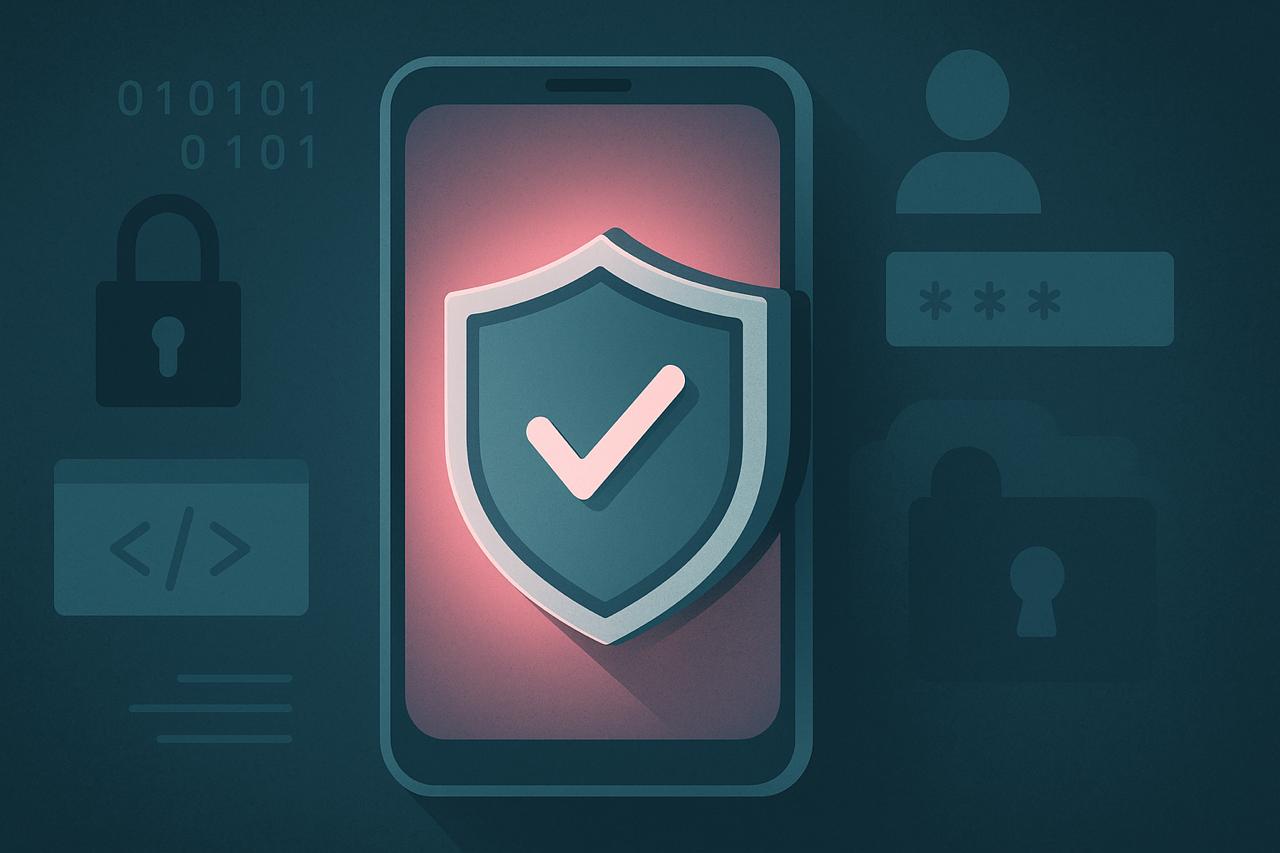
The new MIE security mechanism is based on the improved Enhanced Memory Tagging Extension (EMTE) specification, created jointly with ARM in 2022. Thanks to this, iPhone 17 becomes the world’s first commercial smartphone where memory protection works synchronously, constantly and transparently to the user.
⠀
The MIE functionality allows you to:
Block access to freed memory (use-after-free attacks)
Prevent buffer overflow
Automatically retag memory when reallocated
Control access to untagged memory from tagged regions
Apple also implemented Tag Confidentiality Enforcement (TCE) — protection against side channels that allowed bypassing EMTE through speculative execution (e.g., through the TikTag attack).
Memory-related security issues have become a primary target of espionage groups using mercenary spyware (e.g., Pegasus, Reign, Predator). Use-after-free or buffer overflow attacks allow attackers to gain complete control over the victim’s device. Until now, tools like Memory Tagging Extension (MTE) have only been used as debug options in Android (starting with Pixel 6). But Apple has made a breakthrough — by integrating EMTE into its chip lineup and turning it into an always-on, hardware–enforced barrier to hackers.
With Memory Integrity Enforcement, Apple is setting a new standard for smartphone hardware security that isn’t even available in most high-end systems. iPhone 17 is more than just an update — it’s a level of protection tailored to the spying realities of 2025, with minimal performance impact and zero user interaction. Similar systems are expected to be introduced in other ecosystems in the future — but Apple is already making zero-day exploits much more difficult today.