
17.07.2025
2 min
702



Everything that connects countries, governments, militaries, and exchanges runs along the seabed. But this network — 450+ undersea cables — is increasingly vulnerable to sabotage.
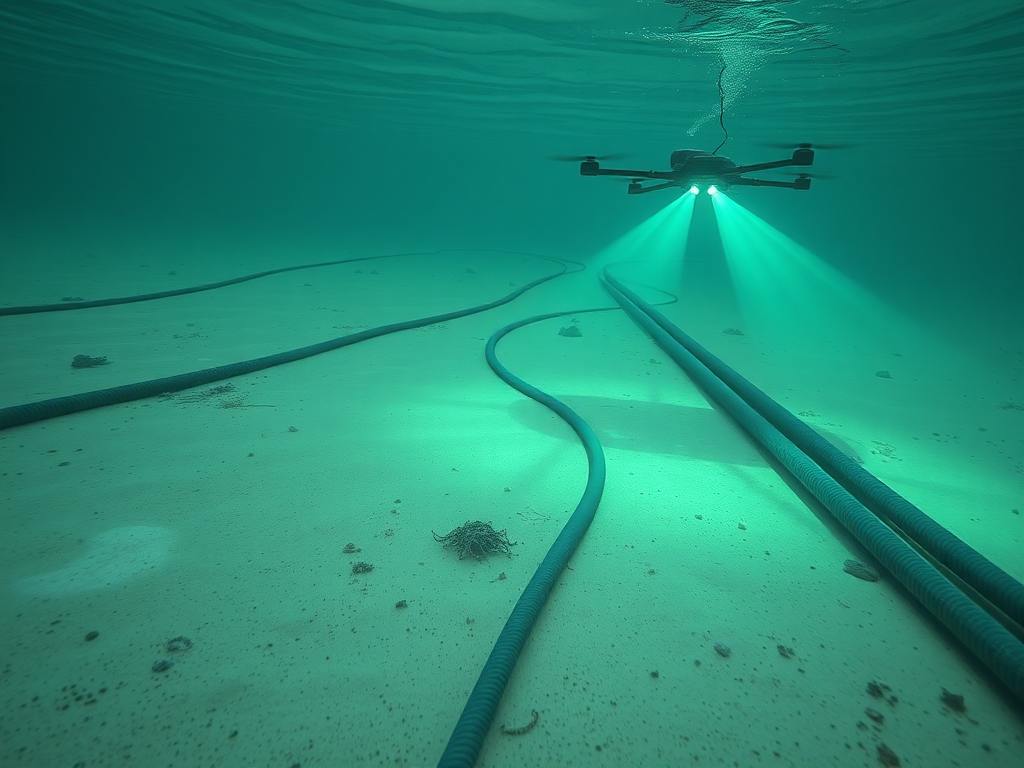
The United States, Australia, Japan, and India have stepped up cooperation to protect undersea communications cables, which are increasingly attractive targets for sabotage and cyberattacks in the Indo-Pacific region, according to a statement from the U.S. Embassy in India.
While it was not officially specified what threats were discussed, the focus remains on sabotage, cyber sabotage, and potential attacks by state actors. Given the global reliance on undersea cables (which carry more than 95% of intercontinental Internet traffic), any disruption could have catastrophic consequences.
QUAD is a strategic alliance of four democracies that has become a key forum for discussing regional security issues, including cyber threats, technological cooperation, and the resilience of digital infrastructure. In recent years, the Indo-Pacific region has been increasingly tense due to China’s deep-sea activities and incidents of suspicious activity around undersea cables.
The geopolitical instability is forcing QUAD countries to rethink their strategy for protecting critical infrastructure. Undersea cables are a new front line that connects the economy, defense, and cyberspace. Steps toward coordination, intelligence sharing, and collective monitoring are the first, but crucial, steps to ensure secure digital connectivity in a region where the interests of the world’s largest players clash.