

People looking to make quick money are licensing their faces to AI companies for as little as $15, hoping to cash in on the rapidly growing microdrama industry and become the next digital AI star.
People looking to make quick money are licensing their faces to AI companies for as little as $15, hoping to profit from the rapidly growing microdrama industry and become the next digital AI star.
From online advertising to the rapidly growing microdrama industry, real models and actors, rather than fighting the inevitable AI-driven transformation of the entertainment business, are choosing to embrace it by allowing their faces to be digitized for future use.
And apparently, plenty of people are signing up. That’s according to a new report by Rest of World.
Dozens of online platforms are now emerging, looking for everyone from ordinary people to models, influencers, and background actors willing to license images of their faces for AI-generated content
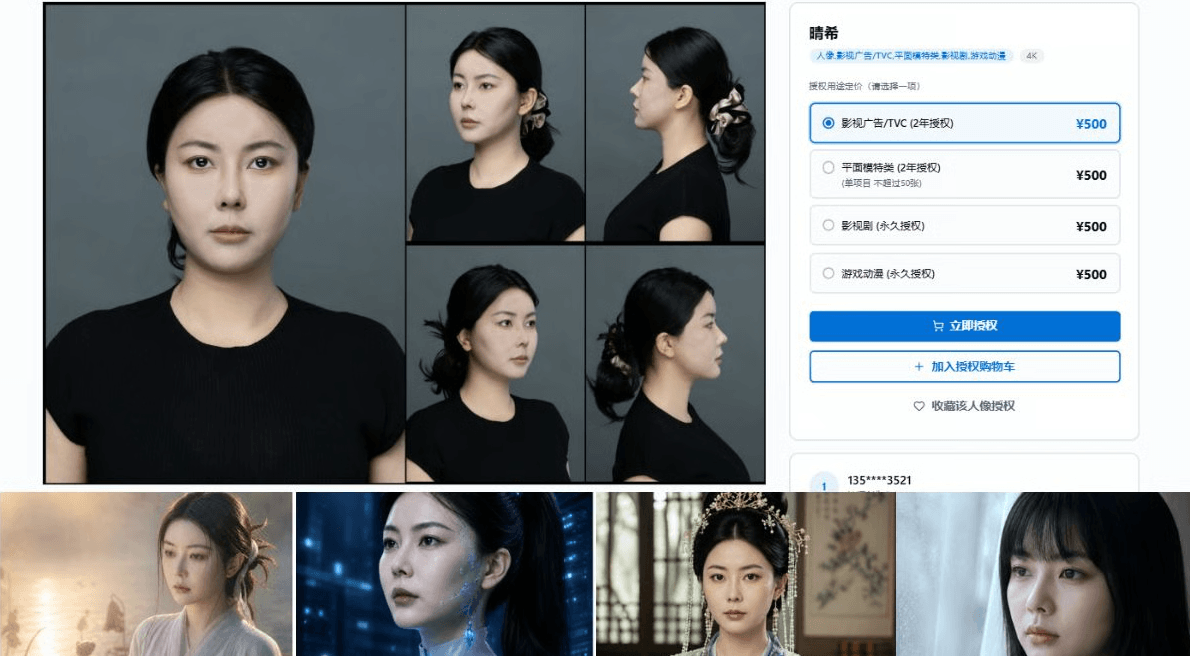
These online “talent agencies” reportedly pay people between $15 and $700 to license their faces for AI use. The amount depends on the platform, the intended use, and the number of projects involved.
According to Rest of World, digital performers set their own rates and can restrict where AI-generated versions of their faces may be used.
Whether it’s a comedy, romance, thriller, advertisement, video game, short film, or feature-length production, creators can find a digital performer for virtually any project.
Producers can browse catalogs of available faces, filtering them by age, gender, appearance, and even character archetype. Categories include labels such as “girl next door,” “strict,” and “supermodel,” making it easy to select the digital performer that best fits a production.
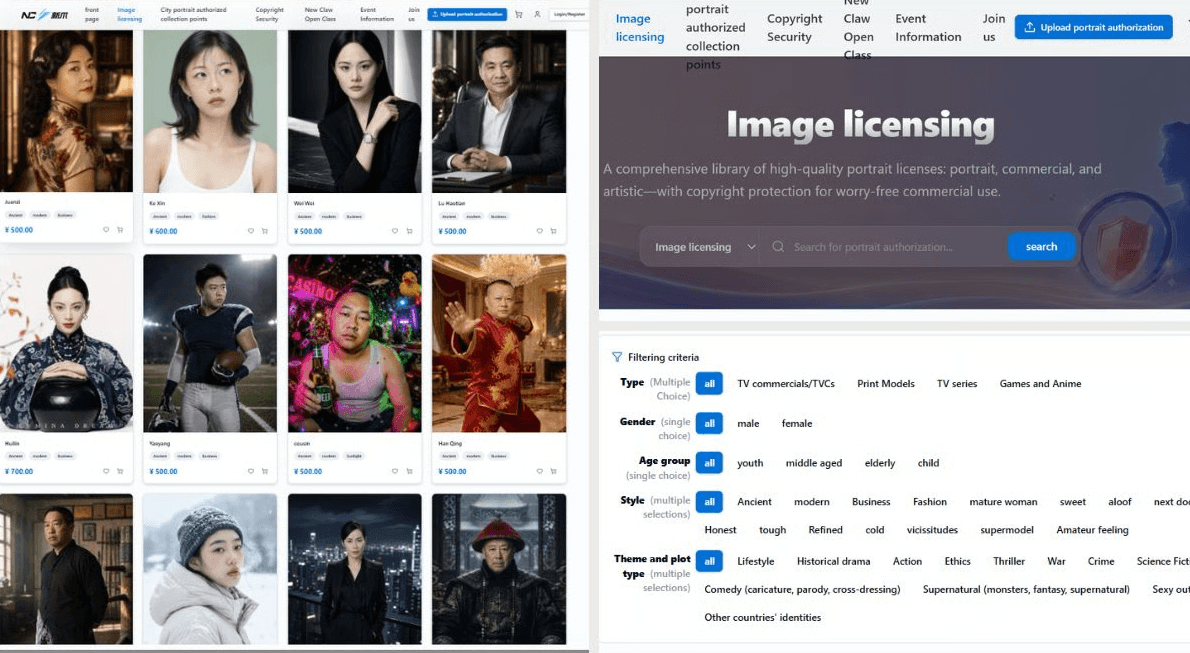
One Shenzhen-based platform, ActID, launched in March and has already attracted around 800 users.
Once a person’s face has been digitized using AI, they no longer need to worry about acting skills, memorizing lines, or even maintaining their appearance. In practice, it could become an ideal way for introverts or people who prefer to stay out of the spotlight to earn extra income.
“AI-generated dramas don’t require acting skills anyway. [Faces] simply serve as source material,” ActID’s head of marketing, Camilla Yang, told Rest of World.
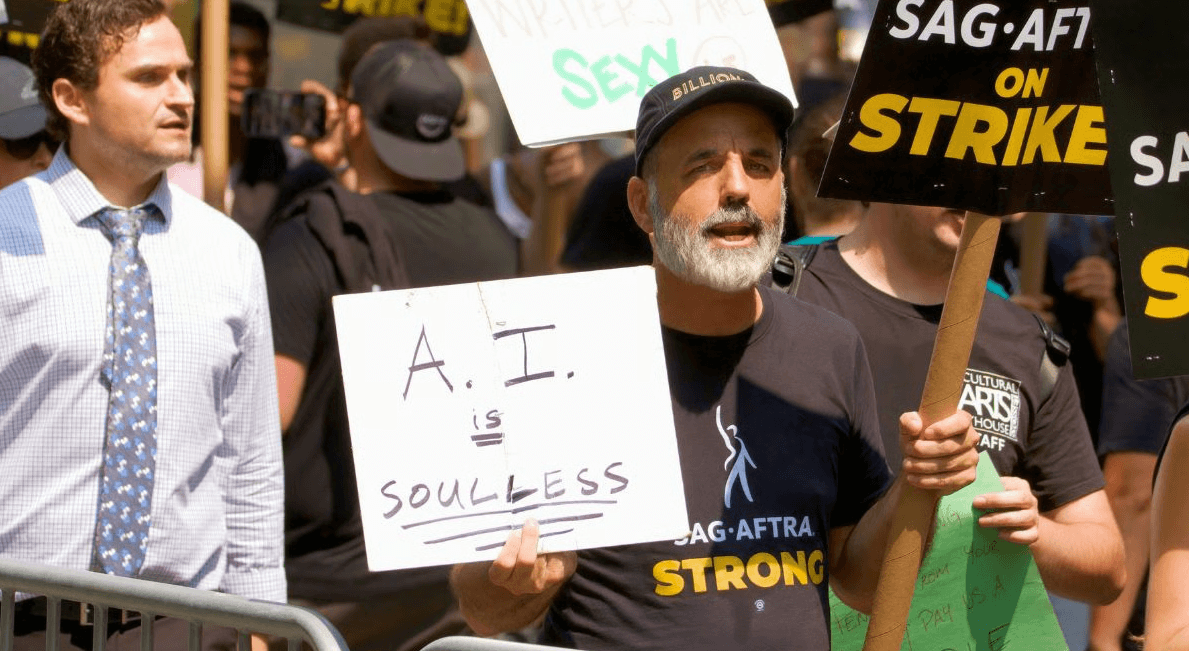
Out of the 300 people who agreed to license their images, two AI drama productions have already acquired around 10 digital faces through the platform. ActID takes a 10% commission from the fee paid to each digital performer.
Demand is being driven in part by China’s rapidly growing microdrama industry. These are ultra-short, vertical-format series designed specifically for smartphone viewing.
If you’ve never watched one, the episodes typically last just one or two minutes and are designed to hook viewers with dramatic storylines and cliffhangers. They often revolve around billionaire romances, revenge plots, family conflicts, crime thrillers, or fantasy adventures.
In simple terms, they’re soap operas that last less than 90 seconds.
The format continues to gain momentum. Earlier this week, TikTok announced its own dedicated microdrama feed, while Wired reported that AI-generated melodramas are also beginning to gain traction on X.

According to Rest of World, China produced around 128,000 microdramas in the first quarter of 2026, with more than 95% of them using artificial intelligence in some part of the production process.
According to an executive at one AI talent agency, AI enables producers to create characters, backgrounds, scripts, and entire video productions faster and at a lower cost than traditional filmmaking.

ByteDance, the parent company of TikTok, has reportedly removed more than 85,000 videos containing unauthorized AI-generated copies of people’s faces and voices since the beginning of 2026.
At the same time, Chinese agencies that specialize in licensing digital faces argue that formal licensing agreements could actually give people greater control over their digital identities.
They believe that clearly defined licensing terms would help establish how digital likenesses can be used while also supporting the development of new laws governing the legal implications of so-called “face theft.”
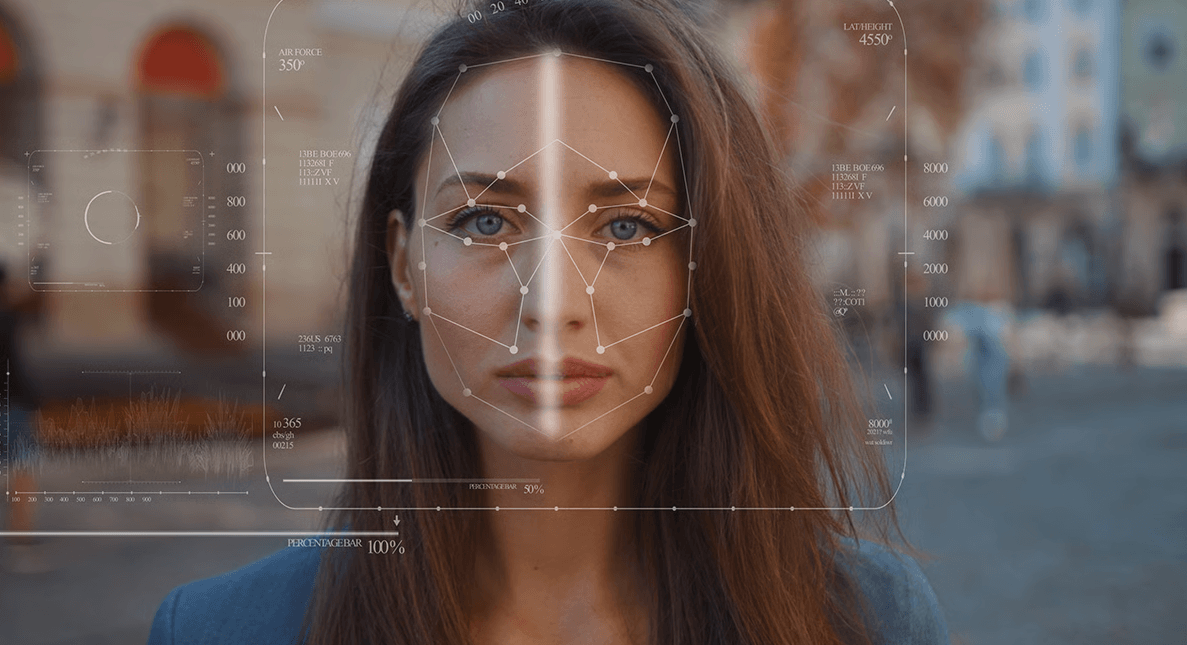
Critics, however, argue that these claims fail to answer the most important question: what happens if someone steals your digital likeness not for advertising or other commercial purposes, but to gain unauthorized access to your biometric identity?
According to privacy experts, this creates an entirely new category of security risks. As more services adopt facial recognition and biometric multi-factor authentication, the potential for fraud, identity theft, and other forms of abuse could increase significantly.
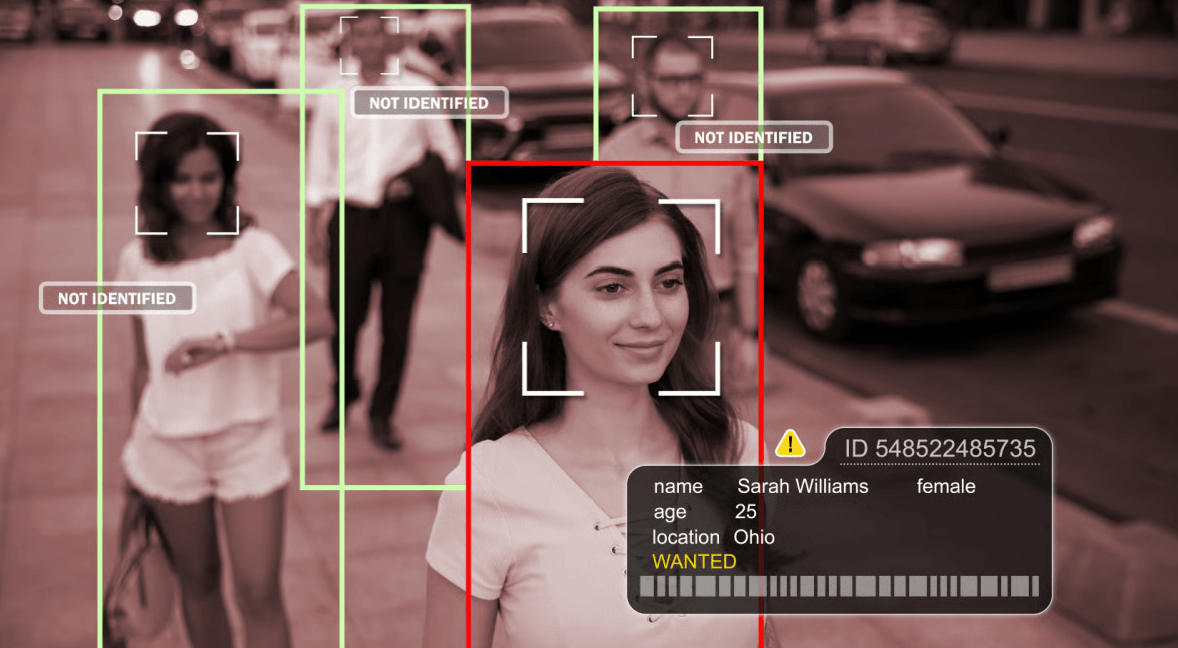
What happens if hackers breach one of these AI platforms and gain access not only to your biometric data, but also to the sensitive personal and financial information stored there?
Privacy experts warn that as technologies such as Flock cameras, Apple’s Face ID, and Sam Altman’s World platform, which collects biometric data, become more widespread, so do the risks of abuse. They say this information could be exploited by cybercriminals or even government agencies to build facial recognition databases, create malicious deepfakes, or carry out large-scale identity theft.
It appears those concerns are no longer purely theoretical. According to Rest of World, the Internet Court in Guangzhou, China, has handled around 700 AI-related face theft cases over the past three years alone.
Suddenly, earning $15 for licensing your face doesn’t seem nearly as appealing.