

31.08.2026
4 min
298



Russia has developed new measures to protect its data centers from Ukrainian drones. The proposed measures include camouflaging server infrastructure, installing anti-drone nets, and deploying electronic warfare systems, while new facilities may be built underground.
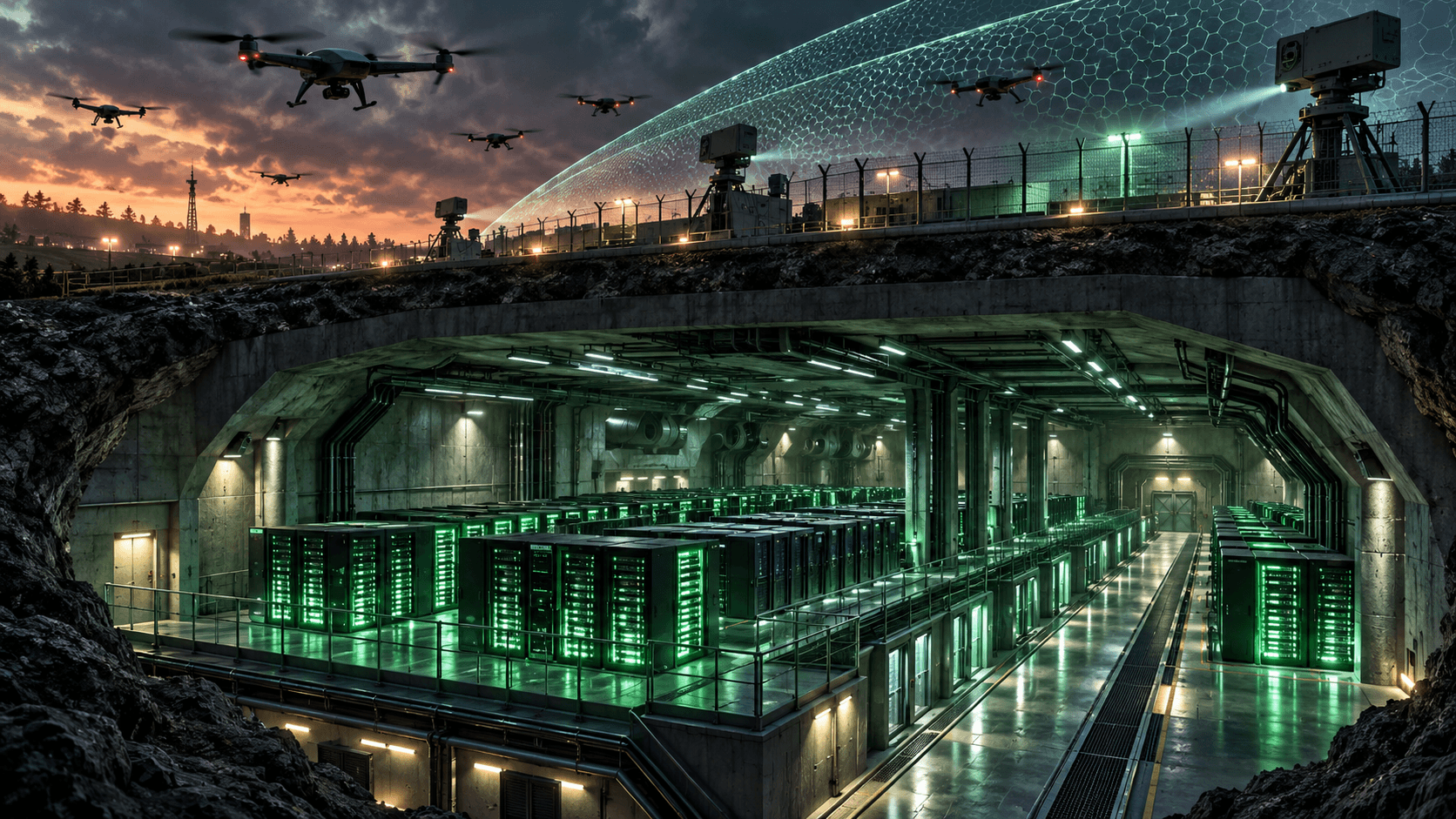
Russia’s Ministry of Digital Development has approved recommendations for protecting data centers from drone attacks and other aerial threats. The document calls for stronger physical protection of server infrastructure, the use of electronic warfare systems, and measures to make facilities less visible from the air.
For existing data centers, the proposed measures include installing anti-drone nets, protective barriers, and equipment designed to counter unmanned aerial vehicles. The protection is intended to be multilayered to reduce the risk of equipment damage during aerial attacks.
New facilities are expected to be designed with potential blast waves and flying debris in mind. In particular, server rooms, cooling systems, and power supplies, which are essential for the continuous operation of data centers, will require additional protection.
Particular attention is also being paid to the location of infrastructure. The document establishes different protection requirements depending on the type of facility, including whether it is located underground or above ground.
Since most Russian data centers currently operate in above-ground buildings, this requirement may indicate plans to construct new facilities in underground premises or specially reinforced bunkers.
Strengthening server infrastructure security will create additional expenses for operators. According to estimates from Russian industry participants, implementing protective measures could increase the cost of data center services by approximately 10%, excluding inflation.
Additional financial pressure comes from rising electricity prices, equipment shortages, particularly graphics processing units (GPUs), and high borrowing costs.
Nevertheless, industry representatives consider these expenses justified. As reported by Kommersant, Roman Chustuzyan, Senior Investment Director at KAMA FLOW, explained that additional spending on shelters, protective nets, sensors, and redundant connections could account for 5–10% of a facility’s value.
According to his estimates, extensive damage to a data center could result in the loss of 87% of its value and force it to suspend operations for several months. Against this backdrop, the cost of protecting infrastructure appears significantly lower than the potential losses.
However, implementing the new measures will take time. For some companies, smaller corporate data centers or mobile container-based solutions may serve as alternatives. Such projects could take between six and twelve months to complete, depending on manufacturing capabilities.
The new recommendations follow a series of Ukrainian drone attacks on Russian data centers that began in mid-October 2026. These strikes were carried out in response to Russian attacks on Ukraine’s critical infrastructure.
According to Russian sources, drones targeted five data centers associated with Yandex, Sberbank, and VK across different regions of Russia. The attacks reportedly caused disruptions to payment systems, navigation services, and cloud infrastructure.
On October 21, the Russian ministry announced the establishment of a special task force to protect communications networks from external threats, primarily drones. Recommendations were subsequently prepared for data center operators, regardless of ownership.
The document also introduces three categories of critical data centers. The first includes strategic facilities whose damage could disrupt essential government functions for at least one hour. The second covers infrastructure supporting economically or socially important systems at the regional and industry levels, where disruptions could last four hours or longer. The third category includes corporate data centers whose failure could cause significant losses to individual companies without triggering widespread consequences for the state.
Separate protection requirements are proposed for each category. In addition to physically reinforcing facilities, the recommendations include creating redundancy for critical services, establishing a centralized situation monitoring center, and coordinating operators with military, security, and emergency response agencies.
The public discussion of this issue in Russian media, which operate under strict state control, may indicate growing concern among the population and major businesses about the vulnerability of the country’s digital infrastructure.
As a result, Ukrainian drone attacks are forcing Russia to reconsider how it protects its data centers, allocate additional funds to security, and explore the possibility of locating new server infrastructure underground.