
22.07.2025
3 min
781



AI created a song called “Together” and attributed it to country singer Blaze Foley, who died in 1989. The track appeared on Spotify with a believable cover, metadata, and artist credit. Only after complaints from fans did the platform have to remove it.
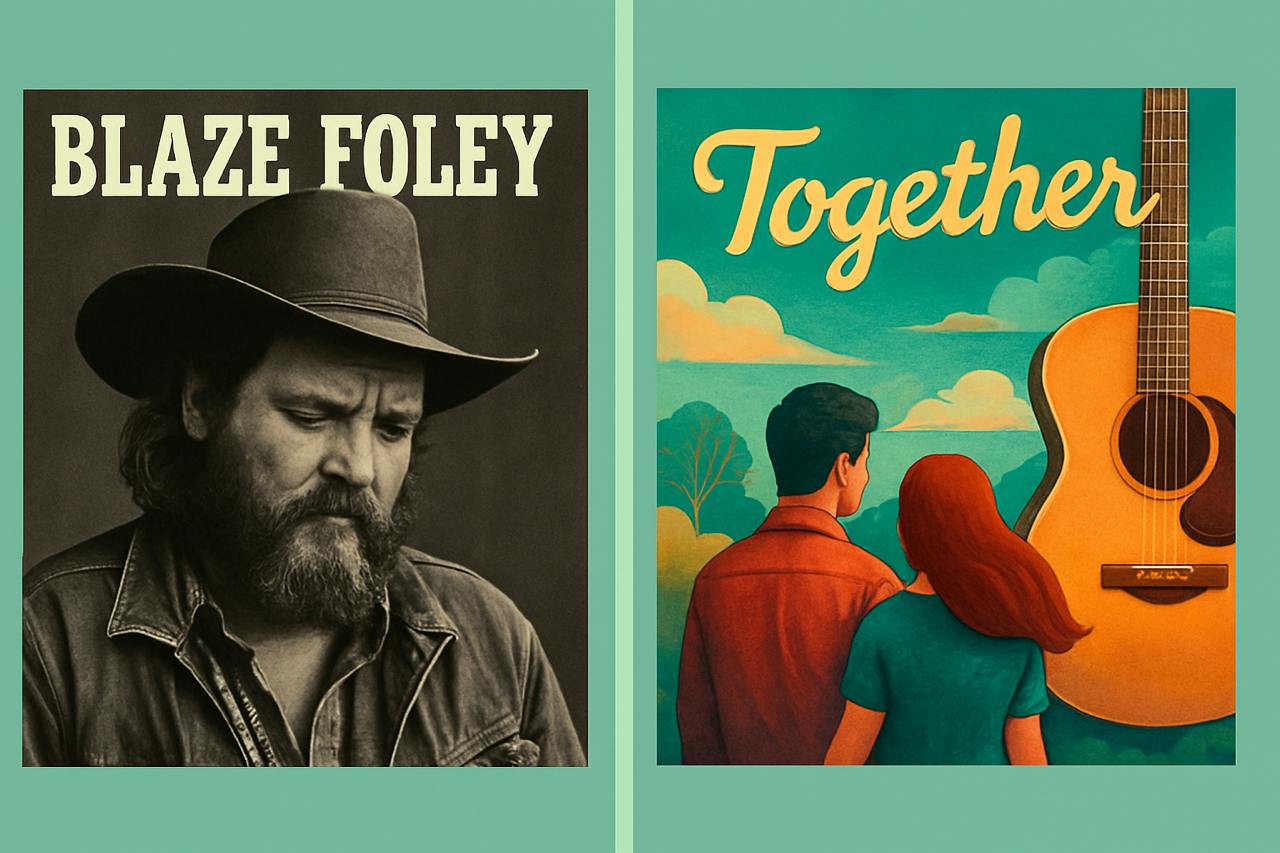
Blaze Foley was a cult figure in the US country scene who tragically died in 1989. A decade later, Spotify officially admits that it does not have an effective system for filtering artificially generated content masquerading as real tracks. And while the company says that “violators will be blocked,” there is still no clear policy on deepfake content.
Meanwhile, the platform already has an entire project — The Velvet Sundown, created entirely by AI, with over 1.5 million listeners per month.
This case demonstrates how deepfakes are no longer just “imitation voices”—they are invading cultural heritage. Spotify and other platforms must urgently implement transparent AI content labeling and verification mechanisms to protect the rights of musicians—both living and deceased.