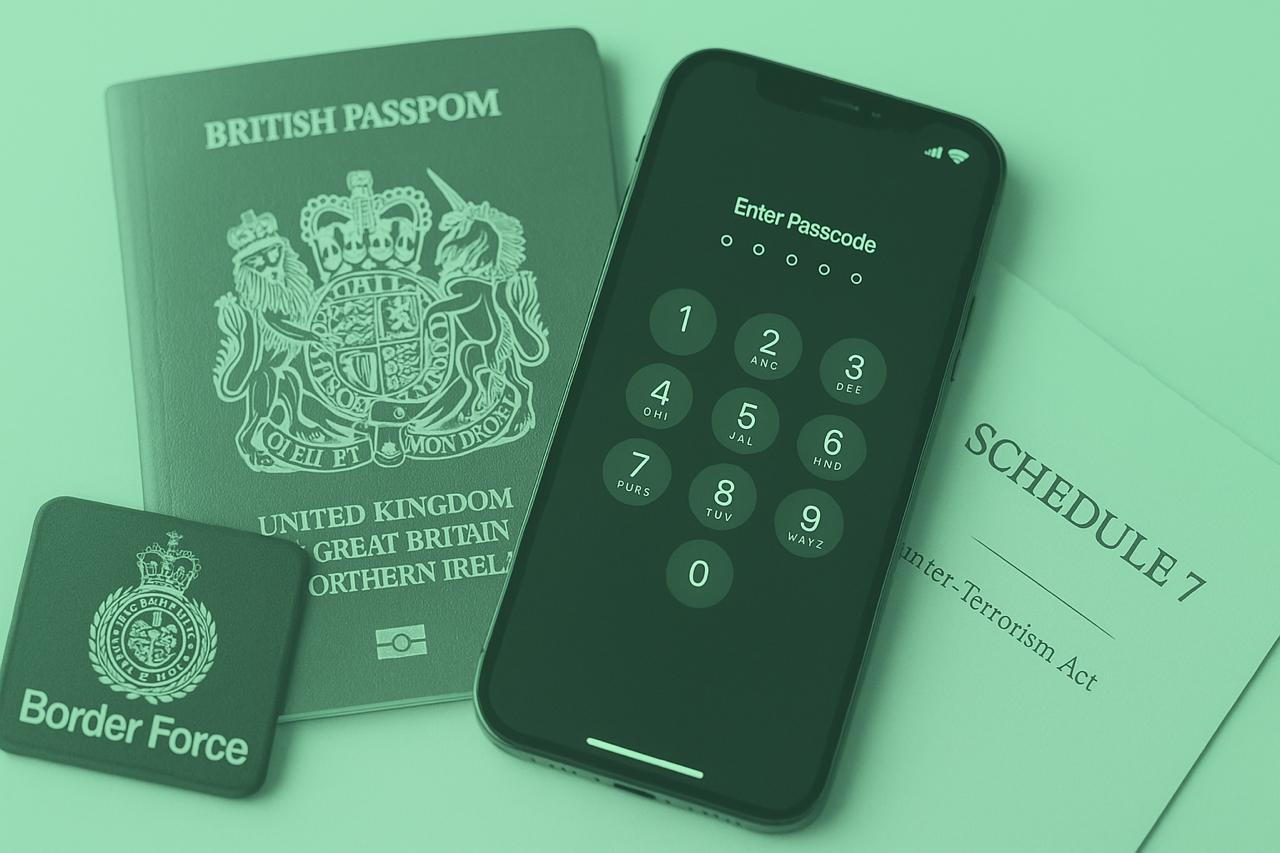
In a case that has caused a huge stir in the digital rights community, British activist Tommy Robinson (real name Stephen Yaxley-Lennon) has won a court case against the UK police. He was stopped at the border in Folkestone in July 2024 and asked to unlock his phone under Schedule 7 anti-terrorism legislation. Robinson refused, saying the phone contained journalistic material.
Judge Sam Goosey made it clear that the officers:
failed to explain the reason for the stop;
did not remember what questions were asked;
did not record the reasons for the anti-terrorism procedure.
In the court’s opinion, the police’s actions appeared “arbitrary and could be linked to the political beliefs” of the defendant. In these circumstances, the court found the detention to be unreasonable – and Robinson was acquitted. Interestingly, after the decision, the activist thanked Elon Musk, saying that he covered the legal costs in the case.
The UK has long allowed border services to request access to devices as part of the fight against terrorism. However, the law contains key requirements:
there must be clear suspicion;
the officers’ decisions must be documented;
any political bias makes the actions unlawful.
Schedule 7 is an instrument with extremely broad powers, and human rights activists have been warning for many years that it can be used selectively and for political reasons. This decision effectively confirmed that even the fight against terrorism cannot be a justification for unjustified interference.
The verdict became a significant signal in the debate about the balance between security and citizens’ rights. The court directly stated that a person is not obliged to unconditionally give access to a device if the police cannot confirm the legality of their actions. At a time when border controls are becoming stricter and demands to unlock gadgets are becoming more frequent, this decision is a reminder that even extraordinary measures have limits.
In a case that has caused a huge stir in the digital rights community, British activist Tommy Robinson (real name Stephen Yaxley-Lennon) has won a court case against the UK police. He was stopped at the border in Folkestone in July 2024 and asked to unlock his phone under Schedule 7 anti-terrorism legislation. Robinson refused, saying the phone contained journalistic material.
Judge Sam Goosey made it clear that the officers:
failed to explain the reason for the stop;
did not remember what questions were asked;
did not record the reasons for the anti-terrorism procedure.
In the court’s opinion, the police’s actions appeared “arbitrary and could be linked to the political beliefs” of the defendant. In these circumstances, the court found the detention to be unreasonable – and Robinson was acquitted. Interestingly, after the decision, the activist thanked Elon Musk, saying that he covered the legal costs in the case.
The UK has long allowed border services to request access to devices as part of the fight against terrorism. However, the law contains key requirements:
there must be clear suspicion;
the officers’ decisions must be documented;
any political bias makes the actions unlawful.
Schedule 7 is an instrument with extremely broad powers, and human rights activists have been warning for many years that it can be used selectively and for political reasons. This decision effectively confirmed that even the fight against terrorism cannot be a justification for unjustified interference.
The verdict became a significant signal in the debate about the balance between security and citizens’ rights. The court directly stated that a person is not obliged to unconditionally give access to a device if the police cannot confirm the legality of their actions. At a time when border controls are becoming stricter and demands to unlock gadgets are becoming more frequent, this decision is a reminder that even extraordinary measures have limits.