
30.10.2025
2 min
713



More and more homebuyers are finding that “perfect” photos of real estate in online listings are artificially generated or heavily edited by AI. From “green lawns” that are actually mud to walls that look new but are actually cracked, the real estate market is experiencing a wave of digital fraud. Lawmakers have been slow to respond, and so far, real estate agents have largely been shaping the rules of control.
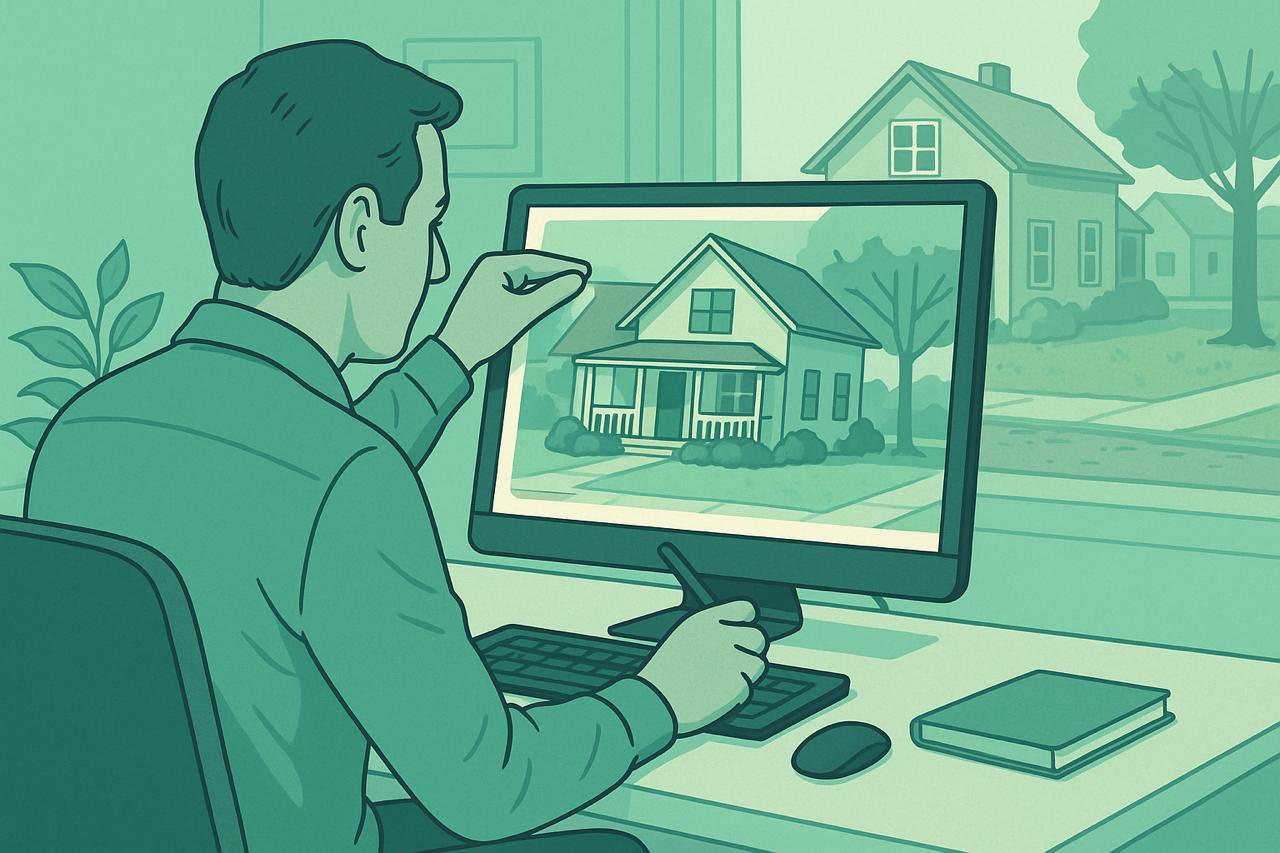
Artificially generated or “visually enhanced” images have become a new problem for those looking for housing. Social media users are complaining en masse: beautiful lawns that turn out to be swamps, “renovated” rooms that are in real need of repair, and even the changed appearance of the streets near the house.
Experts warn: modern generative models like Sora and Nano Banana allow you to change images so believably that manual verification becomes almost impossible. Agents use these tools to increase the attractiveness of ads, but they risk being sued for misleading buyers.
Lawyers emphasize that if the image hides real defects or significantly changes the appearance of the home, the buyer can sue. The US is already introducing rules that oblige agents to disclose the fact of using AI and show the original photos. For example, in California, starting January 1, 2026, realtors must report AI editing and provide unmodified versions.
Photo editing in real estate has existed for a long time – Photoshop was used for “virtual renovation” and staged interiors. But now artificial intelligence has made this process cheaper and more widespread. According to the US National Association of Realtors, 46% of agents already use AI tools. MLS platforms and professional associations are now imposing their own standards, from watermarks to mandatory warnings. But outside of these structures, the market is effectively unregulated.
Until laws catch up with technology, buyers should remain vigilant: check out properties via Street View, request video tours, and in-person viewings. Metavisual manipulation is the new norm in real estate, and the ability to recognize AI deception is becoming as important as choosing a home.