
27.08.2025
2 min
743



Following a series of ATM explosions in Austria, police, together with colleagues from Germany, the Netherlands and Europol, carried out a large-scale operation, during which four suspects were arrested and explosives, cars and cash were seized.
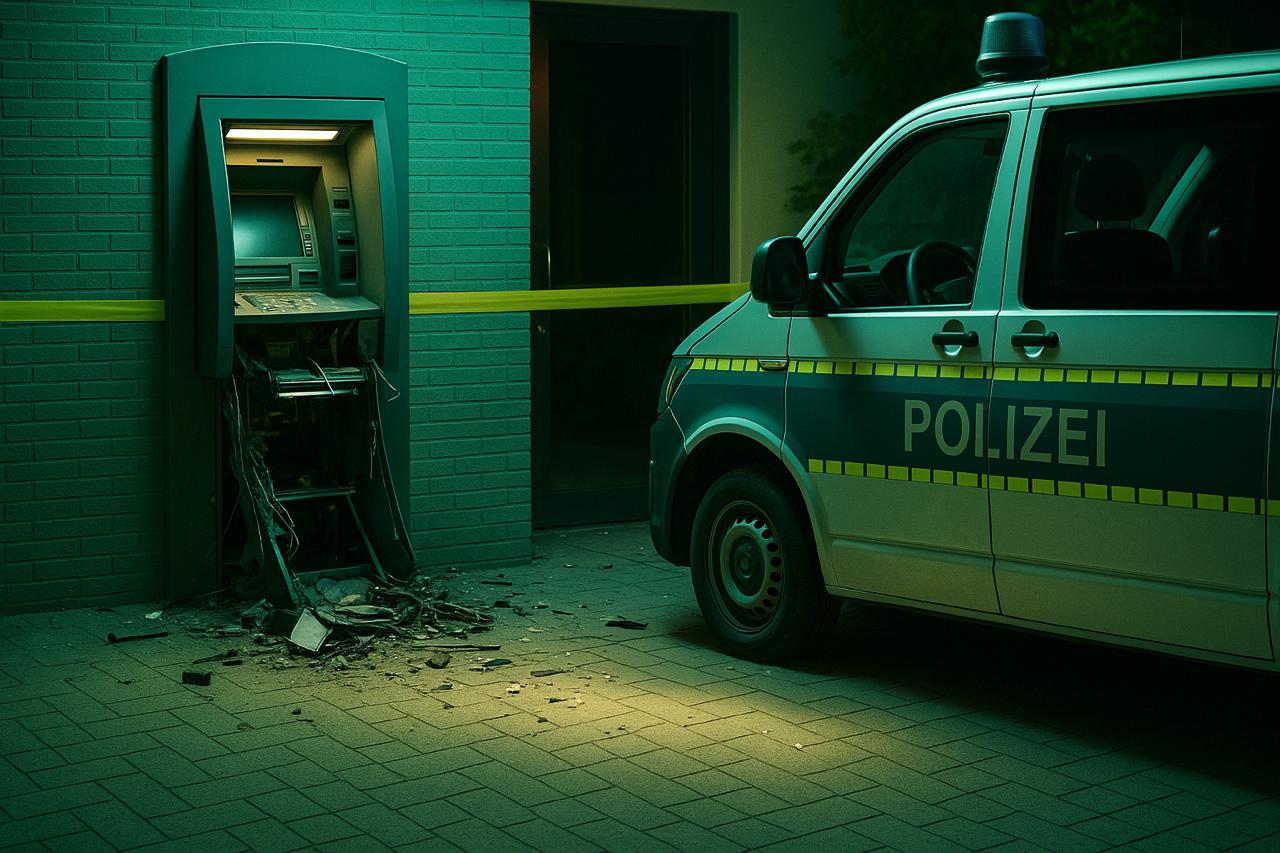
The investigation showed that the organized group acted professionally: before the attacks, the criminals had been scouting the attack sites for weeks, choosing objects with a low level of security and convenient escape routes. At night, they planted explosives based on pyrotechnic powder in ATMs, blew up the devices and took the money.
Law enforcement officers from Austria, Germany and the Netherlands simultaneously searched twelve premises. In Austria, four people were detained and two cars, explosive devices, mobile phones and other evidence were seized. In Germany, phones and documents were confiscated, while in the Netherlands, two cars, ammunition, GPS trackers, 16,500 euros in cash and additional evidence were seized. The suspects were mostly Dutch citizens from the Brabant region who had connections to other criminal groups.
Attacks on ATMs using explosives have become common in Europe in recent years. In many cases, these are highly specialized groups that move between countries, choosing less secure facilities. Europol has created a special task force within the EMPACT program, which coordinates the actions of national authorities and helps financial institutions strengthen the protection of ATMs: installing systems with glue and paint bags, restricting access at night and reducing the amount of cash in the machines.
The arrest of a gang that blew up ATMs in Austria and Germany demonstrates the effectiveness of cross-border cooperation between European law enforcement agencies. The combination of rapid data exchange, Europol support and coordination of actions in several countries made it possible to eliminate a dangerous group and prevent new explosions. Experts emphasize: the fight against organized property crime requires not only technical solutions, but also constant international pressure.