16.02.2026
2 min
686



A 22-year-old Alabama man has pleaded guilty to extortion, cyberstalking, and computer fraud after hacking the social media accounts of hundreds of women, including minors, and blackmailing them with stolen intimate content.
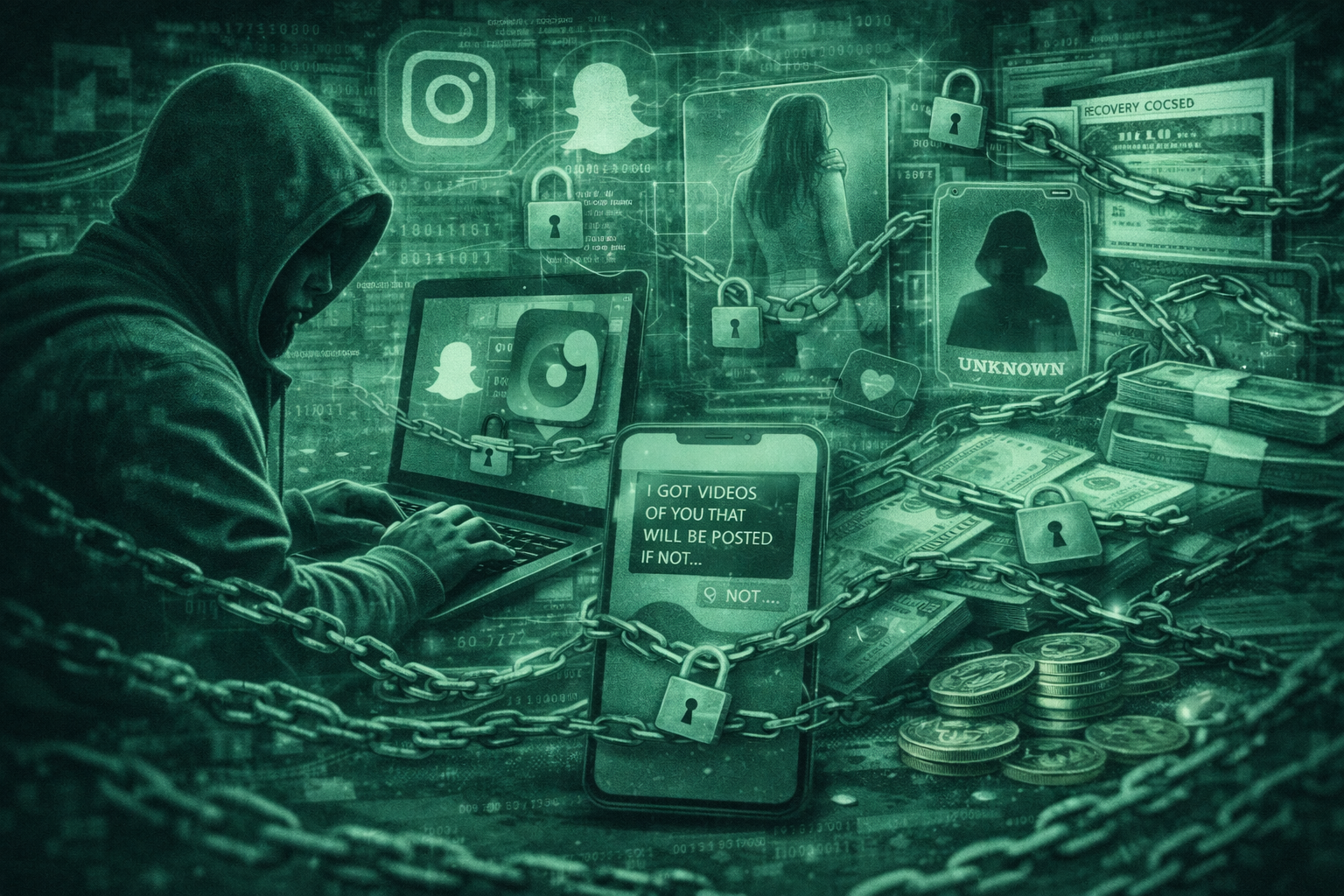
According to prosecutors, between April 2022 and May 2025, Jamarcus Mosley impersonated victims’ friends and used social engineering tactics to trick them into providing account recovery codes and passwords. He then hijacked their Snapchat, Instagram, and other social media accounts.
After taking control, Mosley threatened to publicly release private nude images and videos or lock victims out of their accounts unless they complied with his demands. These included surrendering access to additional accounts, sending more explicit content, or paying money.
U.S. Attorney Theodore S. Hertzberg stated:
“Mosley is the dangerous online stranger who every parent fears. By exploiting the trust of teens and young adults, Mosley hacked into their accounts to steal intimate and sexually suggestive images and extort them over a three-year period.”
Prosecutors detailed several incidents. In one case, Mosley convinced a 20-year-old Georgia woman to share her Snapchat recovery code, later threatening her with:
“I got 65 videos and [a] picture of you about to get posted.”
In another case, he followed through on threats and published private images of an 18-year-old Florida woman. He also used a hacked account belonging to a 17-year-old Illinois victim to contact a 13-year-old girl, implying he knew where she lived.
Sentencing is scheduled for May 27 before U.S. District Judge Michael L. Brown.
This case is not isolated. Earlier this month, a 26-year-old Illinois man pleaded guilty to hacking nearly 600 women’s Snapchat accounts and selling or trading stolen intimate photos online.
Such schemes often rely on social engineering, trust manipulation, and abuse of account recovery mechanisms. Teenagers and young adults remain particularly vulnerable to these tactics.
The case highlights how devastating social engineering and digital sextortion schemes can be. Without sophisticated technical exploits, attackers can still gain control over accounts through manipulation and psychological pressure. The incident reinforces the importance of digital hygiene, safeguarding recovery codes, and enabling two-factor authentication.