19.09.2025
2 min
812



The FBI warns about the emergence of fake websites impersonating the official Internet Crime Complaint Center (IC3) to harvest users’ personal data and money. While the warning does not list specific domains, reporters have identified examples at icc3[.]live, practicinglawyer[.]net, and ic3a[.]com.
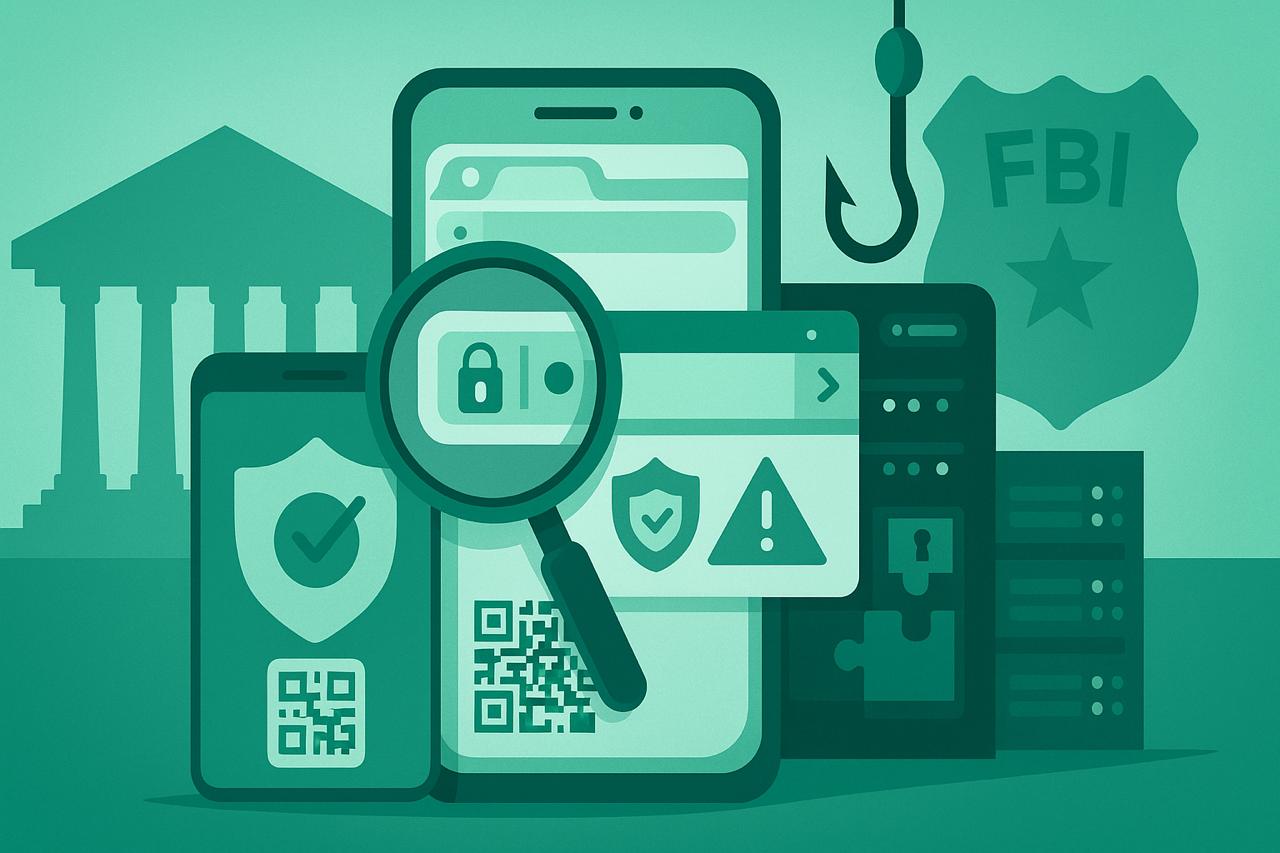
Threat actors register look-alike domains (altered letters, alternative TLDs), copy the IC3 design, and prompt victims to “file a complaint” or “recover funds.” Users enter PII (full name, address, phone number, e-mail, banking details) — and that data immediately ends up with the criminals. FBI recommendations:
Type [www.ic3.gov](http://www.ic3.gov) directly into your browser’s address bar;
Avoid sponsored search results — phishers often buy them;
Do not share personal/payment data with “helpers” online or over the phone;
Do not send money, cryptocurrency, gift cards, etc.;
Remember: IC3/FBI do not contact victims directly, do not charge fees to “recover funds,” and do not refer victims to paid intermediaries.
In April, the FBI had already issued a PSA after 100+ reports (12.2023–02.2025) about fraudsters posing as IC3 employees. In 2025, the Spanish National Police arrested a group that, posing as Europol/UK lawyers, demanded “tax payments” to recover cryptocurrency. Previously, the FBI also warned about schemes involving caller-ID spoofing and fake government-official credentials.
The primary defense is digital hygiene: verify the site address, distrust sponsored links, and grant zero access to your finances/data to “intermediaries.” If you spot a phishing clone of IC3 — do not interact, preserve evidence (screenshots/URL), and submit a report directly at ic3.gov (type the address manually).