
23.07.2026
4 min
335



The European Commission has fined Google €890 million for violating the Digital Markets Act (DMA), marking the first penalties imposed on the company under the EU’s landmark legislation designed to curb the power of major digital platforms and promote fairer competition.
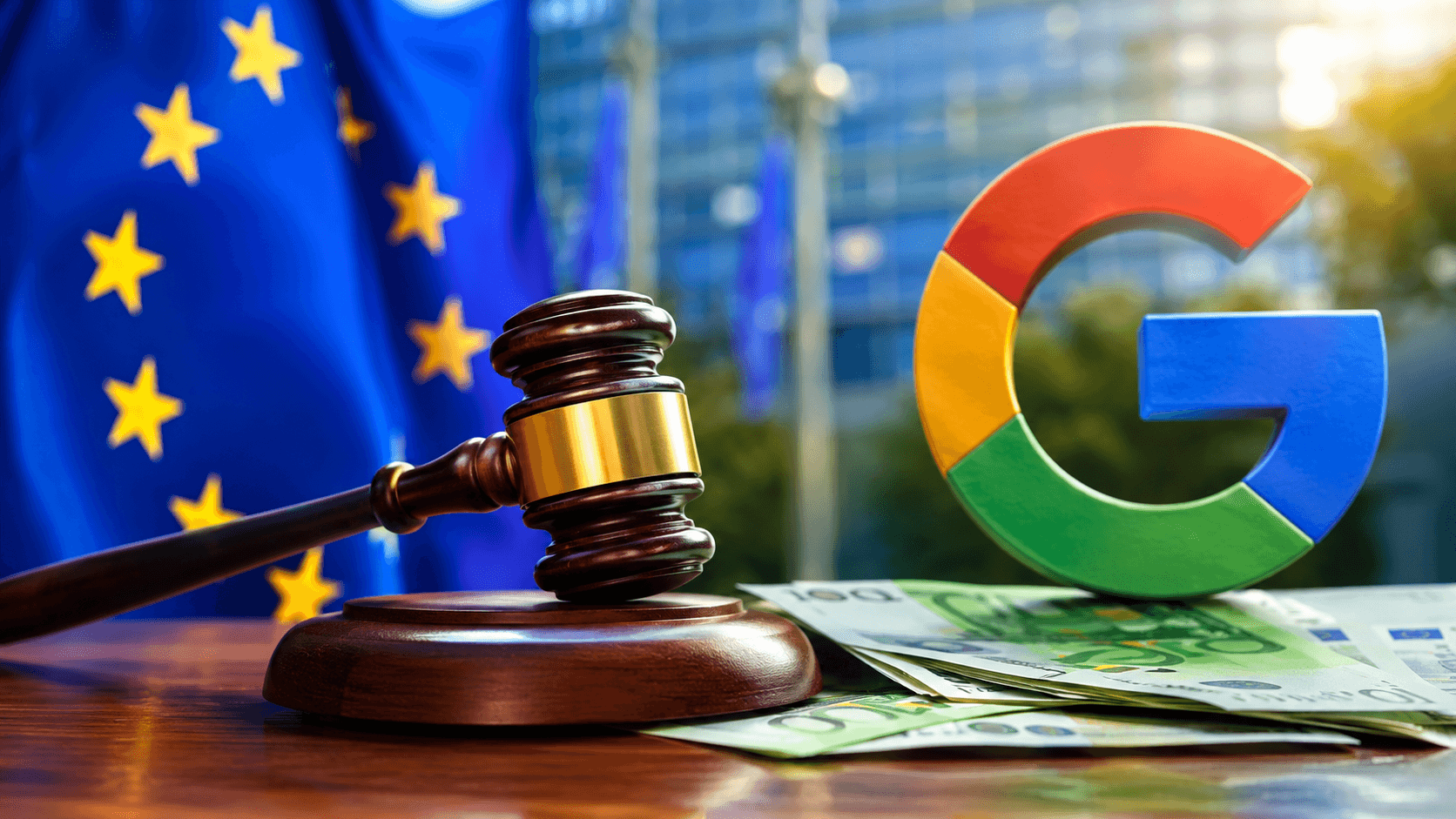
Despite the record fine, the European Commission said Google has made significant progress toward complying with the Digital Markets Act. Regulators praised the company’s constructive engagement and ongoing implementation of required changes, making additional financial penalties unlikely in the near future.
The first decision imposes a €460 million fine after the Commission concluded that Google unfairly favored its own services in search results, including shopping, hotel booking, transport, and sports-related services, putting competitors at a disadvantage.
The second €430 million fine concerns Google Play. According to the Commission, Google prevented app developers from freely directing users to cheaper offers available through competing app stores or their own websites.
These are Google’s fifth and sixth antitrust fines in the European Union. Over nearly two decades, the company has accumulated €10.38 billion in EU competition penalties.
“It is our duty and our commitment to ensure that our laws are fully respected,” Executive Vice-President of the European Commission Teresa Ribera told reporters, responding to criticism from the United States.
European Commissioner for Tech Henna Virkkunen said the Digital Markets Act is intended to create a level playing field for all market participants.
“The DMA is designed to ensure fair competition. That is exactly what we seek to achieve with these decisions,” she said.
Google has been given 60 days to comply with the Commission’s orders. The company must ensure equal treatment of competitors in Search and allow app developers to direct users to alternative ways of purchasing digital content outside Google Play.
Google criticized the ruling and said it may challenge the Commission’s decision in court. Kent Walker, Google’s President of Global Affairs, argued that the EU’s requirements force the company to remove features that users value most.
“To comply, we are having to remove real-time Search features that Europeans love, such as instant pricing and live availability for hotels, flights, and restaurants, while also dismantling security protections in Google Play,” he said.
Walker added that the measures do not promote fair competition but instead reduce the quality of Google’s products for European consumers and businesses.
At the same time, the Commission welcomed the changes Google has already begun testing. The company is experimenting with new ways of displaying its own services in Search for categories such as shopping, hotels, and flights. Regulators are also assessing changes to how store advertisements and content-related services, including sports, are presented.
The Commission also noted that the principles established by Thursday’s decision could eventually apply to AI Overviews and AI Mode, Google’s AI-powered search features. Discussions on that issue are ongoing.
Google’s proposed changes to Google Play’s steering rules have also received preliminary approval. The Commission said they represent significant progress toward compliance, although a final assessment will be made after the review is completed.
The latest penalties mark another chapter in the ongoing standoff between the European Union and major U.S. technology companies. European regulatory actions have repeatedly drawn criticism from the administration of U.S. President Donald Trump, which has threatened retaliatory tariffs, arguing that the measures unfairly target American businesses.
These are the third fines issued under the Digital Markets Act. Before Google, the European Commission had already imposed DMA penalties on Apple and Meta.