03.04.2025
2 min
791



A month before the presidential race in Poland, the online systems of the party led by current Prime Minister Donald Tusk have been the target of a cyberattack. The authorities are leaning towards the version of interference from Russia and Belarus, which raises concerns about external influence on democratic processes.
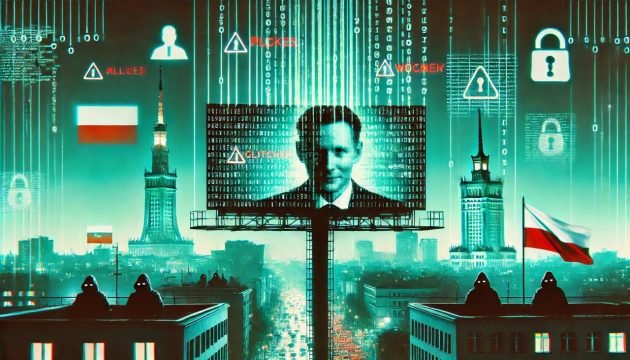
The attack became known on April 3, when Tusk declared the “beginning of foreign interference in the elections”, adding that “the traces lead east”. Details about the consequences of the attack have not yet been disclosed, but Digital Affairs Minister Krzysztof Gawkowski confirmed that the situation is serious, and an investigation is ongoing.
The hackers tried to gain control over the computers of employees of the party’s election headquarters and offices, either to steal information or to use the infected systems to create content. Gawkowski accused groups linked to Russian and Belarusian special services of involvement in the attack.
The attack came against the backdrop of the election campaign of the Civic Platform candidate Rafal Trzaskowski, the mayor of Warsaw, who advocates for deeper Polish integration with the EU. This is not the first attempt to interfere in elections in Poland. In January, authorities reported activity on the darknet, where Russian intelligence services offered rewards for conducting disinformation campaigns. In September 2024, a cyber group was exposed that tried to paralyze Polish infrastructure and steal data from state institutions, including those related to security and defense.
Earlier, in May 2023, Russian hackers attacked the Polish Press Agency to spread fake news. Poland has long been one of the main targets of cyberattacks in the EU, which is officially confirmed by the country’s intelligence services.
The cyberattack on Tusk’s party is not a random incident, but part of a targeted campaign to destabilize the Polish elections. The circumstances in which the election campaign is taking place demonstrate that hybrid warfare is taking new forms, and cyber interference is becoming a common tool of state influence.