
14.08.2025
2 min
665



On April 7, 2025, hackers took control of a hydroelectric power plant in the western Norwegian town of Bremanger, opening a floodgate and releasing 500 liters of water per second for four hours. The incident was detected and stopped without casualties, but authorities are treating it as a serious threat to critical infrastructure.
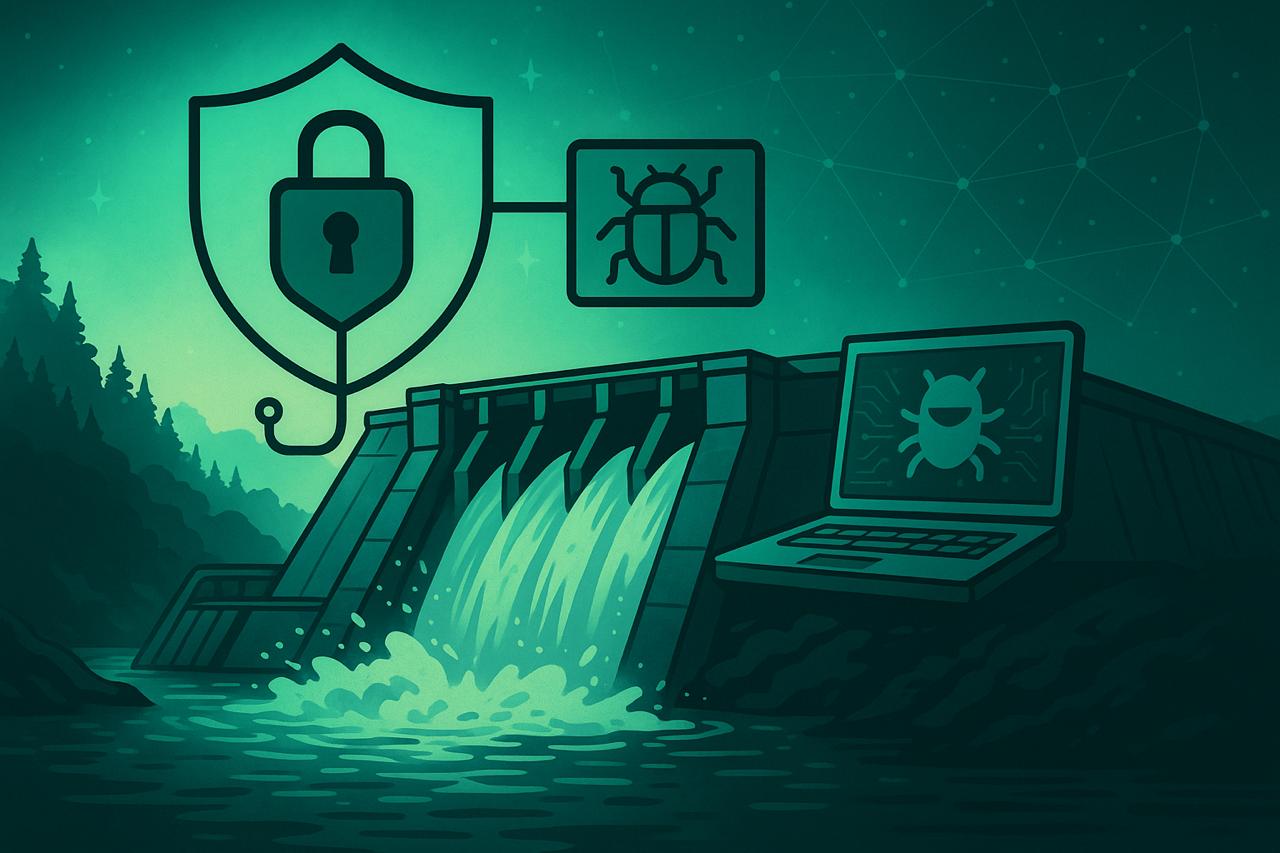
Beate Gangaas, head of the Norwegian Security Police (PST), said that the activity of pro-Russian cyber groups has changed over the past year, and this case is a clear example. According to her, the attack was aimed at creating fear and destabilization.
Norway, a NATO member and the largest supplier of gas to Europe, borders Russia in the Arctic and actively supports Ukraine. The country’s energy system is largely dependent on hydroelectric power plants, making it vulnerable to such attacks.
Britain accused Russia of large-scale sabotage in Europe back in 2024, but Moscow has traditionally denied involvement. The public disclosure of the details of the Bremanger incident, according to Gangaas, is designed to warn citizens and reduce the risk of repeated attacks.
The Bremanger incident was the first official case when Norway directly pointed to Russia as the perpetrator of a cyberattack on its energy infrastructure. This is a signal to society and allies about the growth of cyber threats and the need to strengthen the protection of critical facilities.