Back in 1995, terrorist and mathematician Ted Kaczynski, known as the Unabomber, warned that technology would make humanity dependent and powerless. At the time, his words seemed like a delusion. But today, in a world of artificial intelligence, corporations, and digital exploitation, his gloomy predictions sound surprisingly prophetic. Kaczynski, a Harvard graduate and Berkeley lecturer, called technological progress a catastrophe for humanity in his manifesto “Industrial Society and Its Future.” He argued that “man will become helpless before a system that controls his behavior through psychological tools, not coercion.”
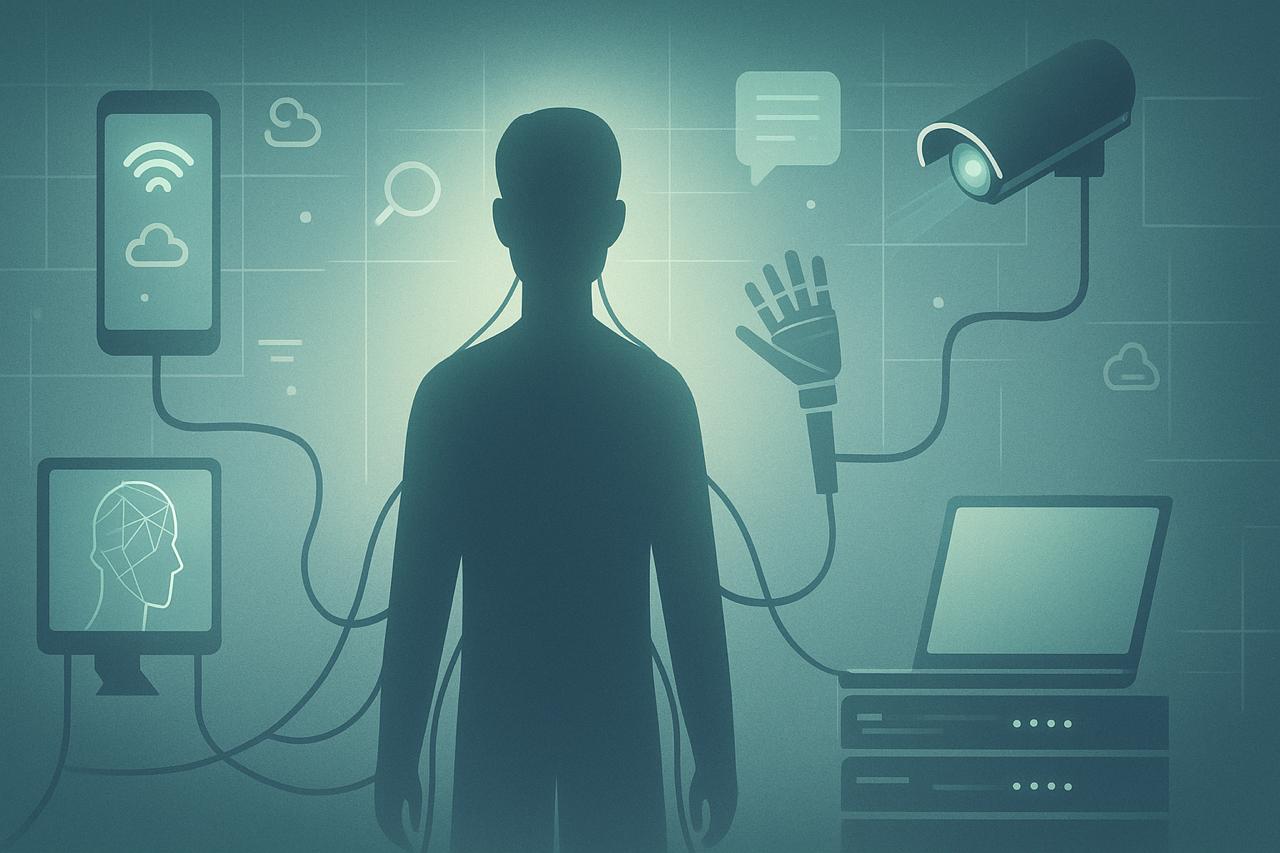
Thirty years later, we see this in the example of social networks and Meta, which openly uses our interactions with Meta AI to personalize advertising. The feeling of control is an illusion: algorithms decide what we read, see, and buy.
Kaczynski also wrote that “it is impossible to keep only the good sides of technology and discard the bad.” Even AI developers are experiencing this dilemma today. For example, OpenAI had to return some of the “bold” features of ChatGPT after user complaints, because the “sterile” model without the “bad” elements became boring and soulless.
His theories are a dark reflection of our reality. We no longer just use technology—we live in it. And, as he wrote, “technological progress cannot be stopped—only replaced by newer, even more powerful ones.” The only question is who will lead this progress—