08.07.2026
3 min
270



The pro-Russian hacking group NoName057(16) has published the personal data of 18 European politicians, law enforcement officials, and journalists. The hackers also offered cryptocurrency rewards for additional information about the officials and their family members, suggesting that the campaign may be retaliation for an international law enforcement operation targeting the group.
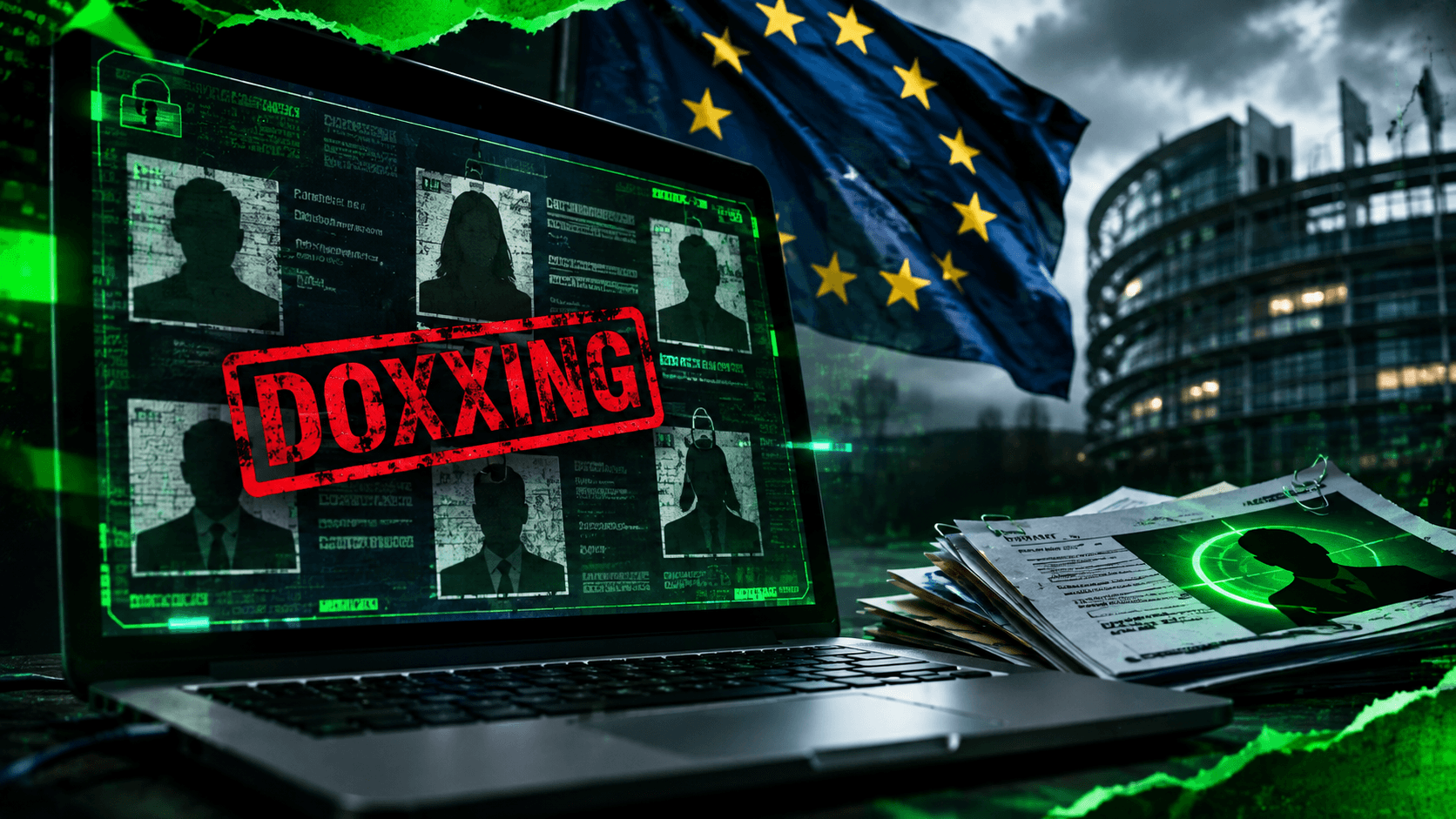
In late October 2026, NoName057(16) created a dark web website containing the personal data of 18 public figures whom the group considers enemies of Russia. The website is accessible through the anonymous Tor network, and visitors are offered cryptocurrency rewards for providing new information about the individuals on the list and their relatives.
Those targeted include Italian Foreign Minister Antonio Tajani, Eurojust President Michael Schmid, Head of Europol’s European Cybercrime Centre Edvardas Šileris, President of Germany’s Federal Criminal Police Office (BKA) Holger Münch, and Head of Italy’s Postal Police Ivano Gabrielli. The list also includes three German journalists who have covered the activities of Russian hackers: Sergej Maier, Michael Alexander Martens, and Angelique Geray.
A separate profile has been created for each individual, containing contact information such as email addresses, phone numbers, Telegram accounts, and social media links. According to the Italian news agency ANSA, the published materials also include résumés and home addresses of certain officials. The attackers are encouraging others to collect additional details about their private lives, including information about family members.
One possible motive behind the publication is Operation Eastwood, an international law enforcement operation conducted in July 2025 with the participation of 12 countries, Europol, and Eurojust. During the operation, authorities targeted the infrastructure of pro-Russian hackers responsible for organizing DDoS attacks against Ukraine and European countries.
According to Europol, more than 100 servers were taken offline, searches were conducted in several European countries, and approximately 1,000 supporters of the hacking network were warned about potential criminal liability. Some of the individuals currently being targeted represent organizations involved in combating cybercrime, which is why the publication of their personal data is being viewed as possible retaliation.
Italian Foreign Minister Antonio Tajani responded to the threats on X, stating:
“My response is very simple: I will not be intimidated in any way.”
Voglio dare io un’informazione agli hacker filo russi che spiano la mia vita. Da oggi in casa Tajani c’è un nuovo guardiano: caro Argo, benvenuto in famiglia! pic.twitter.com/NzKowwPIa4
— Antonio Tajani (@Antonio_Tajani) November 8, 2026
The official later posted a photo of his family’s new dog, Argo, joking that there was now another guard protecting his home.
NoName057(16) is primarily known for launching DDoS attacks against government institutions, banks, and other organizations in countries that support Ukraine. Western intelligence agencies have linked the activities of such hacktivist networks to Russian state interests. A study by the Center for Strategic and International Studies (CSIS) noted that similar groups can be used to advance Moscow’s political objectives while making it harder to establish direct responsibility for cyberattacks.
However, hackers’ claims of successful operations are not always independently verified. For example, the group recently claimed responsibility for attacks on refrigeration systems in European supermarkets, but cybersecurity analyst Oleg Shakirov questioned the extent of its actual involvement in his research.
A similar situation applies to the latest publication of personal data. Much of the disclosed information was already publicly available, as the individuals involved are public figures. Therefore, there is currently no evidence of a large-scale breach or the theft of substantial amounts of previously undisclosed confidential information.
Nevertheless, phone numbers, email addresses, and private contact details collected in one place can be used for threats, harassment, or targeted phishing attacks. Another risk involves checking the published email addresses against databases from previous breaches, which may contain passwords and other login credentials.
There is currently no confirmation that the hackers gained access to restricted government systems or stole new collections of confidential information. However, the offer of rewards for details about officials’ families suggests that the campaign may be aimed less at stealing data and more at intimidating individuals who oppose Russian cyber operations.