23.06.2025
2 min
703



On June 22, Tesla first launched self-driving robo-taxis for paying passengers in Austin, Texas. Driverless and equipped with “safety monitors” inside the cabin, the cars are already picking up visitors for $4.20. Musk called it “the culmination of 10 years of work.”
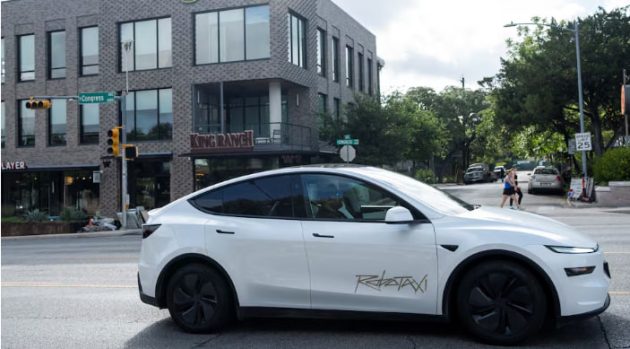
The pilot launch involves about 10 Tesla cars operating in a limited area of the South Congress district. Each car is driven completely autonomously, and a human supervisor sits in the front seat, who does not drive the car, but monitors the trip. The first users were influencers – they were sent an invitation in advance.
Tesla charges a flat fee for a trip – $4.20. Elon Musk said on social networks that internal teams for developing AI chips and software worked on the project from scratch. The service does not yet operate in the rain, at difficult intersections and will not carry passengers under 18.
The launch came amid a new law signed by the governor of Texas — it requires a state permit to operate self-driving cars with autonomy level 4 and above. The law will come into force in September 2025. It simplifies the process for startups compared to the more stringent California approach: permission is easy to get, but it is also easy to lose. Although Tesla ignores the use of lidar or radar (unlike Waymo or Zoox), Musk assures that only cameras provide a safe and cheaper alternative. A successful test in Texas could be a breakthrough in the autonomous transport market, although analysts warn that the path to mass implementation is “the end of the beginning”, not the other way around.
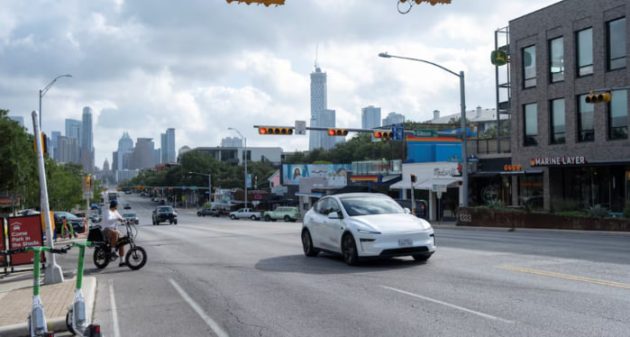
After a decade of promises, Tesla has finally brought fully self-driving cars to the streets — albeit in test mode. This could transform the transportation market and make autonomous taxis a reality, not a fantasy. But big cities, laws, and technology are still ahead.