17.07.2025
6 min
1741



In the early 2000s, a device appeared that was ahead of its time and showed what communication in the future could look like without the Internet. It was created for teenagers, but the ideas embedded in it became the basis of modern instant messengers and social platforms. In this article, we will analyze why this pocket gadget became a real breakthrough for its generation, what technologies were used in it, and how it changed the idea of wireless communication.
Social networks, instant messengers and dating sites have long become an integral part of digital life. Over the past few decades, the online environment has experienced the rise and fall of VKontakte, the disappearance of the legendary ICQ, the rise of Telegram and the transfer of dating from reality to virtual platforms like Badoo. Today, meme feeds, short videos, channels and endless swipes seem so familiar that it is difficult to imagine how things used to be any different.
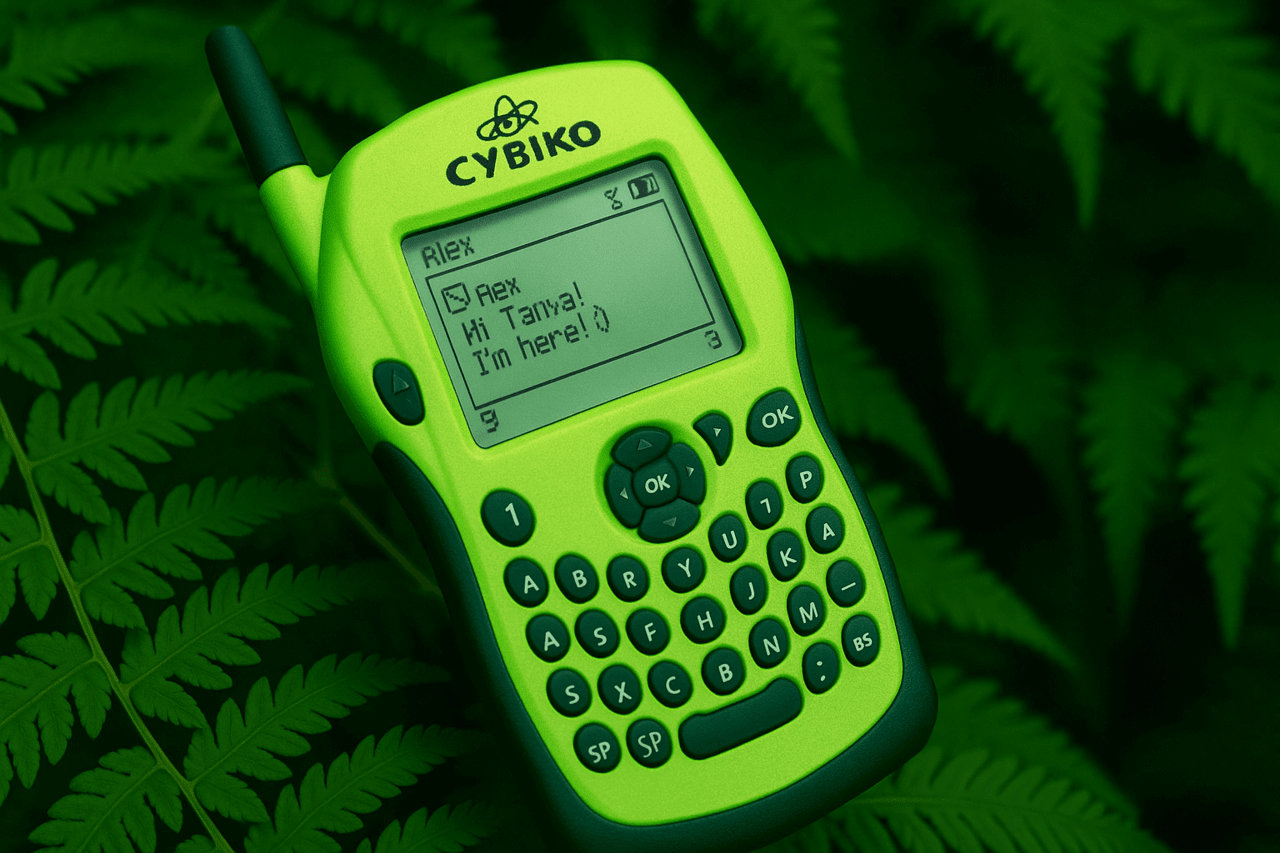
But in the late 1990s, communication and content consumption took on a completely different form. A striking example of this era was the unique pocket device Cybiko – a communicator capable of creating a wireless local area network within a radius of up to 300 meters. This gadget, developed by David Yan’s company, was a real breakthrough in mobile communication and foretold the era of modern social technologies.
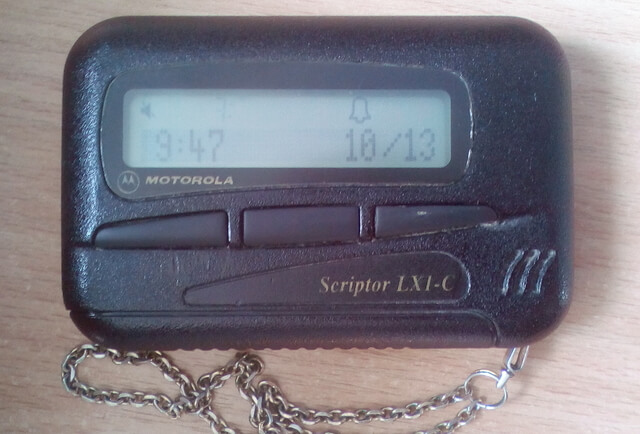
Back when mobile phones were still analog and SMS messages were too expensive, the main tool for exchanging short messages was pagers. These compact devices performed only one function – they received signals on the common radio air and displayed text on a tiny one-line display. They became a symbol of the late 20th century, when instant communication was just beginning. Over time, with the development of mobile communications, pagers gradually turned into an artifact of the era, opening the way to a new era of digital communication.
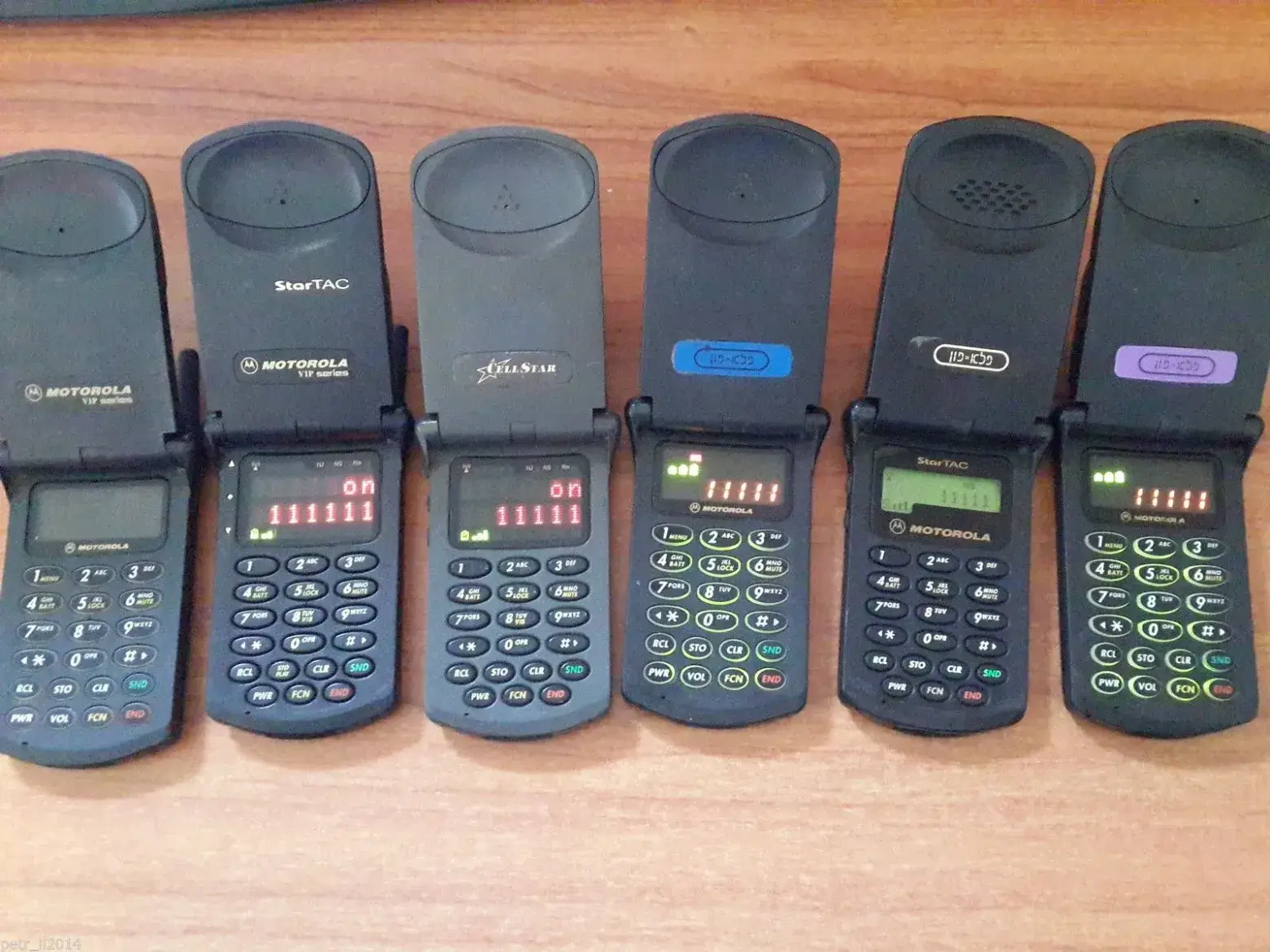
In the late 90s, any manufacturer had the opportunity to present its own communication standard to the world. Even in ordinary phones, there were as many as five of them: GSM, CDMA-450, CDMA-800, NMT-450, AMPS, and all of them were only conditionally compatible or completely incompatible. All of these standards differ in many ways, even conceptually: the early ones were fully analog and semi-analog (AMPS and D-AMPS), the later ones were fully digital, but with different principles for dividing radio slots for subscribers. Some supported the newfangled SMS, and some were used exclusively for voice communication.
However, in those years there was also such a phenomenon as bidirectional pagers – a rather rare class of devices that could not only receive messages, but also send them. These were mainly business-class devices like the Motorola PageWriter or BlackBerry 850, but in 2000, a small startup Cybiko introduced a unique device that was not so much a pager as a youth PDA with social capabilities and its own wireless “local area”!
The history of Cybiko began in 1998, when Russian entrepreneur David Yan, known as the CEO of ABBYY, founded a startup with the same name after conducting research on the behavior and interests of teenagers in six countries. In the fall of that year, the first working prototype of the device appeared, and in 1999, pre-production samples were created and a proprietary communication protocol was patented.
Development was carried out in parallel on two continents. The Soviet team worked on applications, games, testing and, probably, parts of the CyOS operating system kernel. At the same time, the American division was engaged in hardware engineering, creating a communication protocol and the main logic of the system. This approach allowed to combine software and hardware innovations, which made Cybiko one of the most interesting technical experiments of its time.
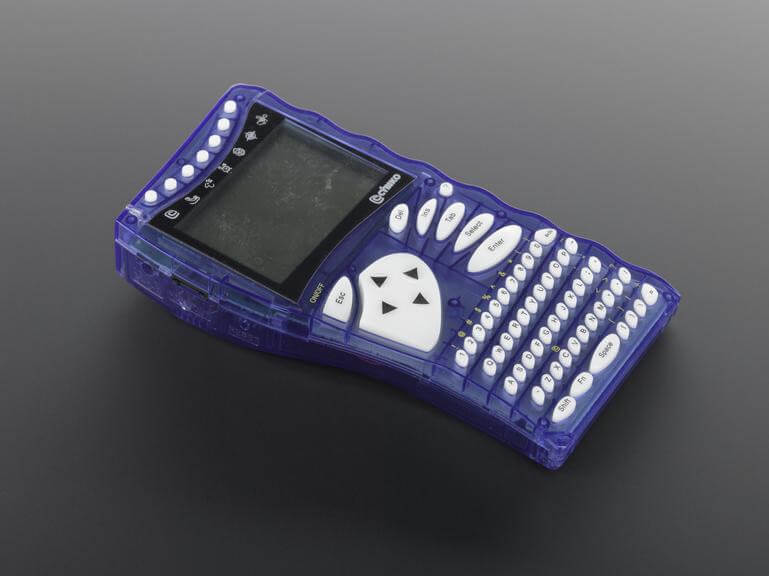
The first version of Cybiko was released in April 2000 exclusively for the US market at an incredible price, by the standards of a PDA, of only $139! The marketing materials emphasized that Cybiko was designed specifically for teenagers, so hardworking guys could quickly accumulate their own social computer. And it was a hit: about 179 thousand devices were sold in the first weekend, and by the end of the year – as many as 250 thousand, and with such coverage the gadget had every chance of becoming truly social…
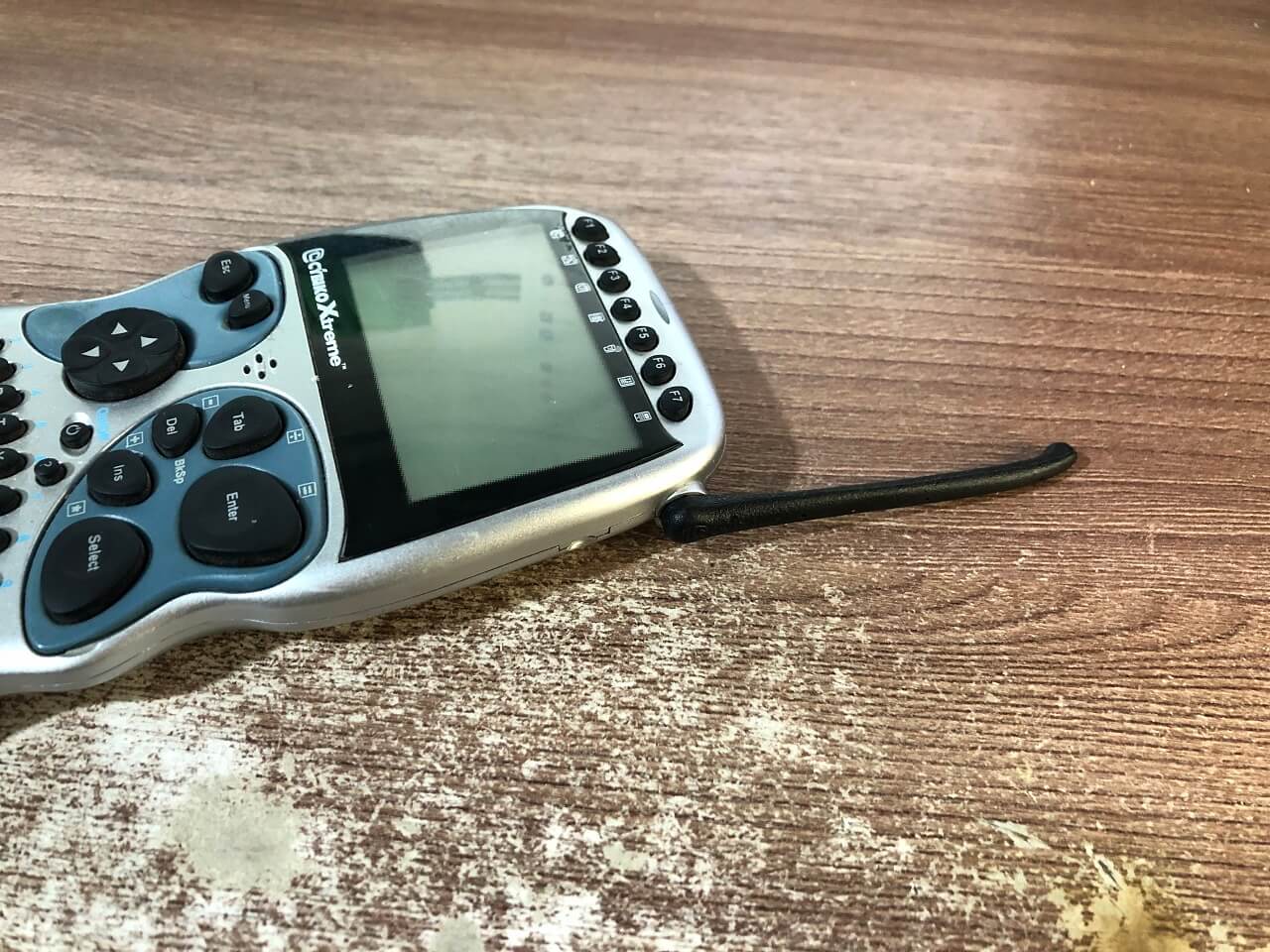
The fact is that the main feature of Cybiko was not its own CyOS operating system with a BASIC interpreter and the ability to write your own programs, not the presence of built-in memory and absolutely free applications that appeared every day, not the ability to synchronize with a PC and connect an MP3 module, but a special technology of a local network with the number of subscribers up to 3,000! The gadget was not just a guide to the world of wireless dating, it was itself a social network. In addition, Cybiko had a fairly decent range: the maximum distance between two clients was from 150 to 300 meters – depending on the landscape and building density.
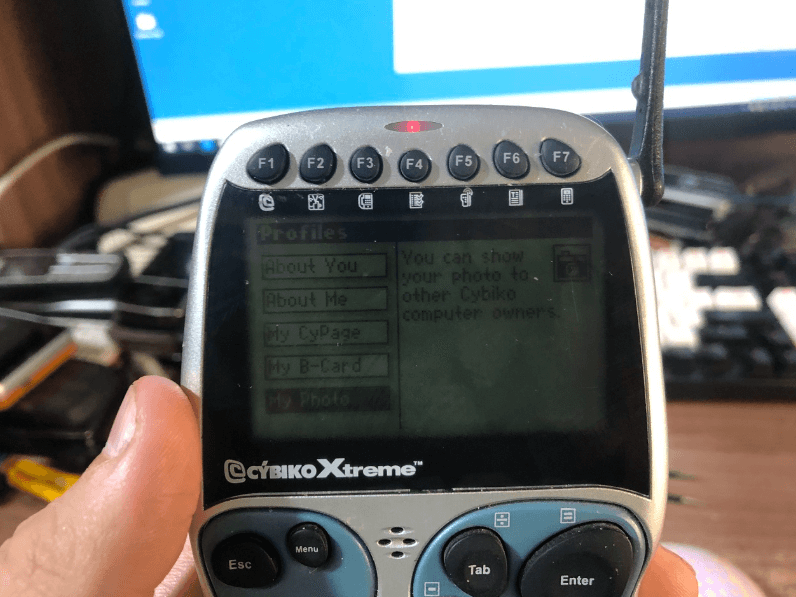
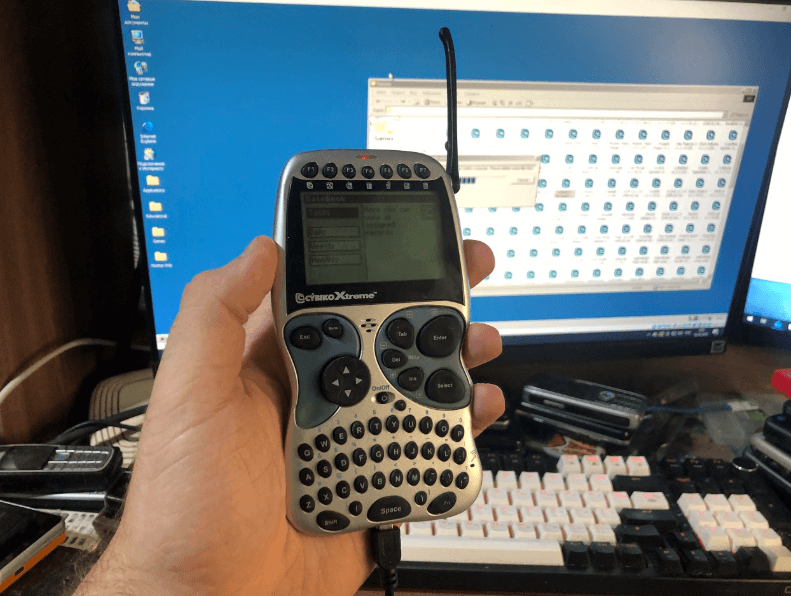
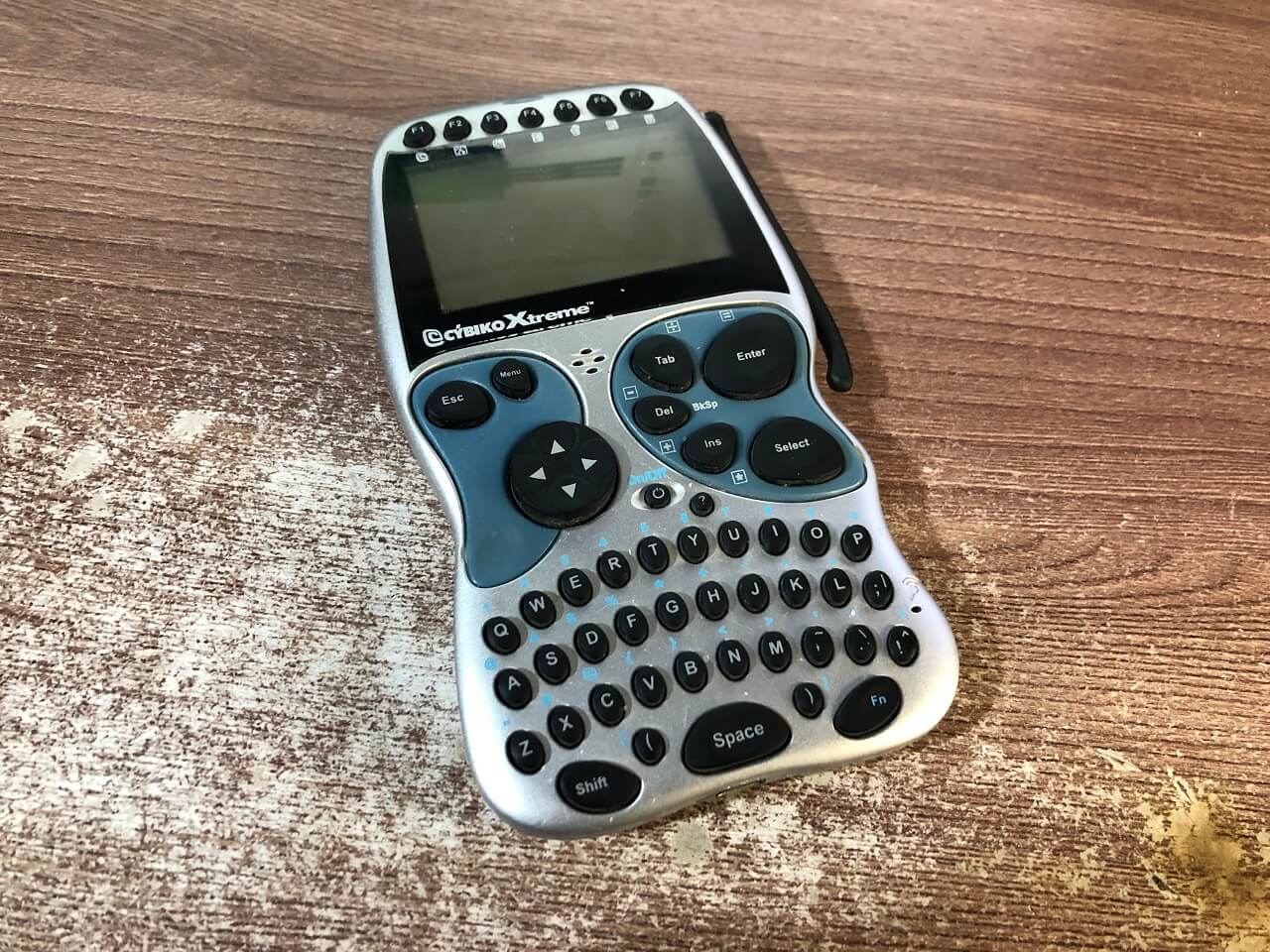
A year later, Cybiko introduced the second version of the device – Xtreme, which received an upgrade of the processor, RAM and battery instead of regular batteries. However, along with the upgrade there were nuances: most programs from Cybiko Classic refused to work on Xtreme, significantly cutting down the set of applications. Add to this the dot-com crash and stock collapse, as well as the need to postpone the launch due to the tragic incident in September 2001.
Already in 2002, Cybiko faced serious financial difficulties. The division responsible for software development was separated into a separate company, which later began to create applications for devices of other brands. Cybiko’s main activity gradually decreased, and by 2003, support for its own devices was completely discontinued.
Despite its short existence, this unique pocket computer left a noticeable mark on the history of technology. Today, Cybiko is almost forgotten, but on platforms like eBay, real “attic” lots sometimes appear – original devices at a fairly affordable price. For fans of retro gadgets and techno enthusiasts, this is not just a rare find, but part of the history of wireless communication.
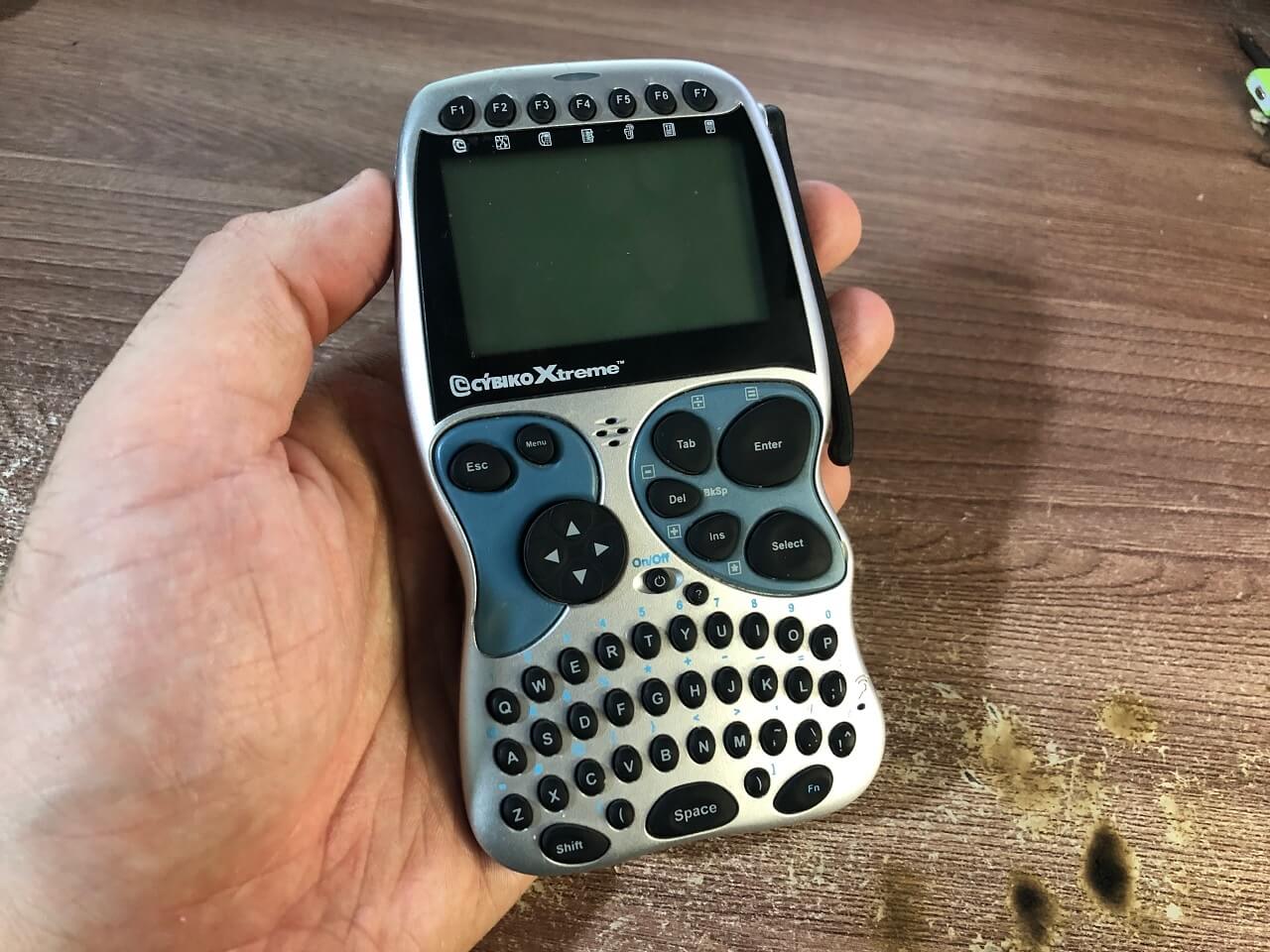
Although you can hardly find it today, some copies are still kept by collectors or gather dust in attics. Unfortunately, some of these gadgets have long been lost. Thanks to enthusiasts Roman and Andriy, we managed to test the Xtreme model and prepare an interesting article about it.
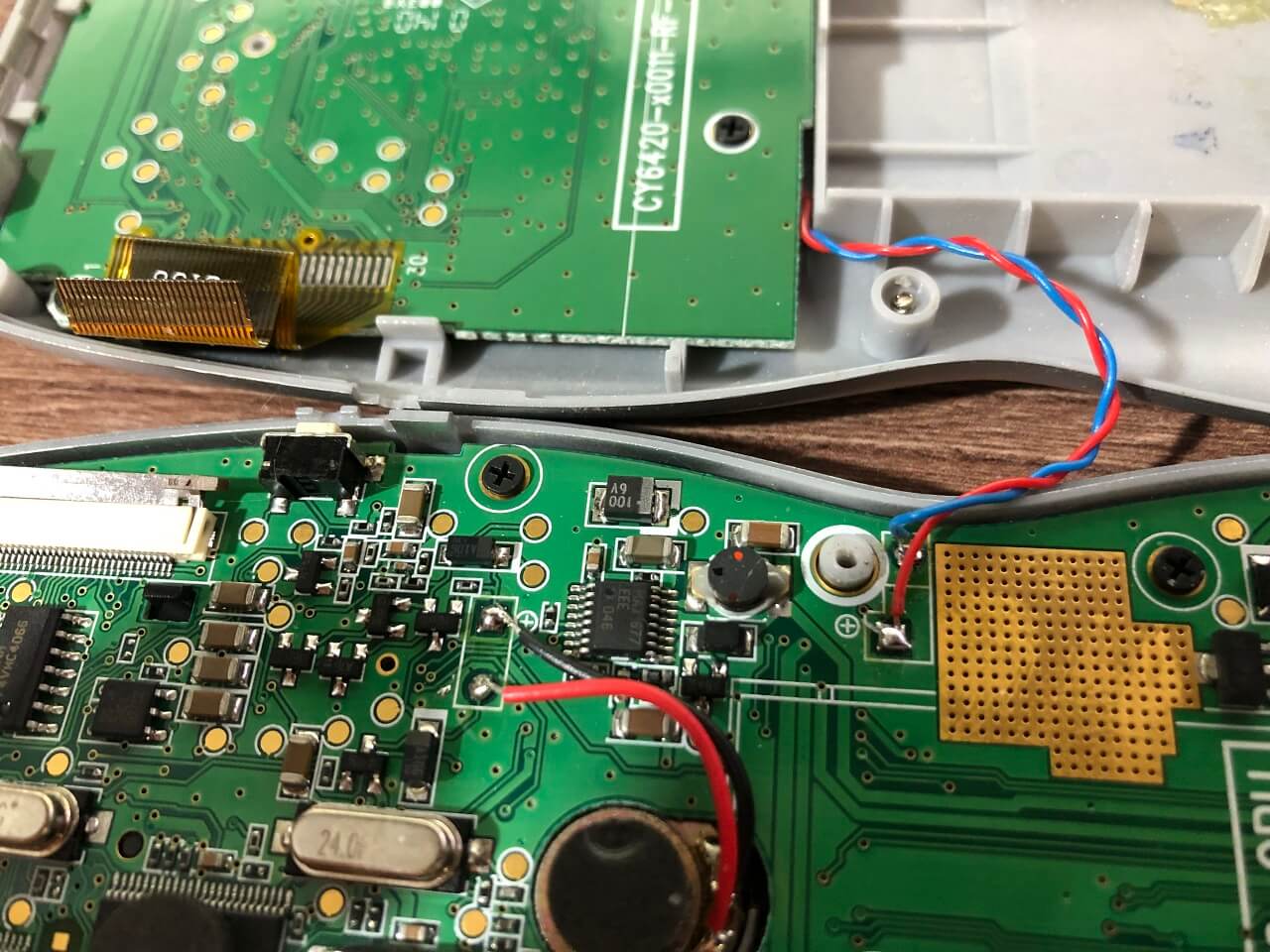
The gadget is easy to disassemble: just unscrew 6 screws around the perimeter of the device and remove the back cover. When disassembling, you should be careful, because on the right side there is a cable connecting the main board and the radio path.
It is probably worth mentioning right away that the device uses a NiCd battery, not the usual LiPo. This means that the battery had no chance of surviving to this day. However, in China, batteries of this type are still produced for retro phones, and with a slight modification of the charger, a modern Li-Po cell can be installed here.
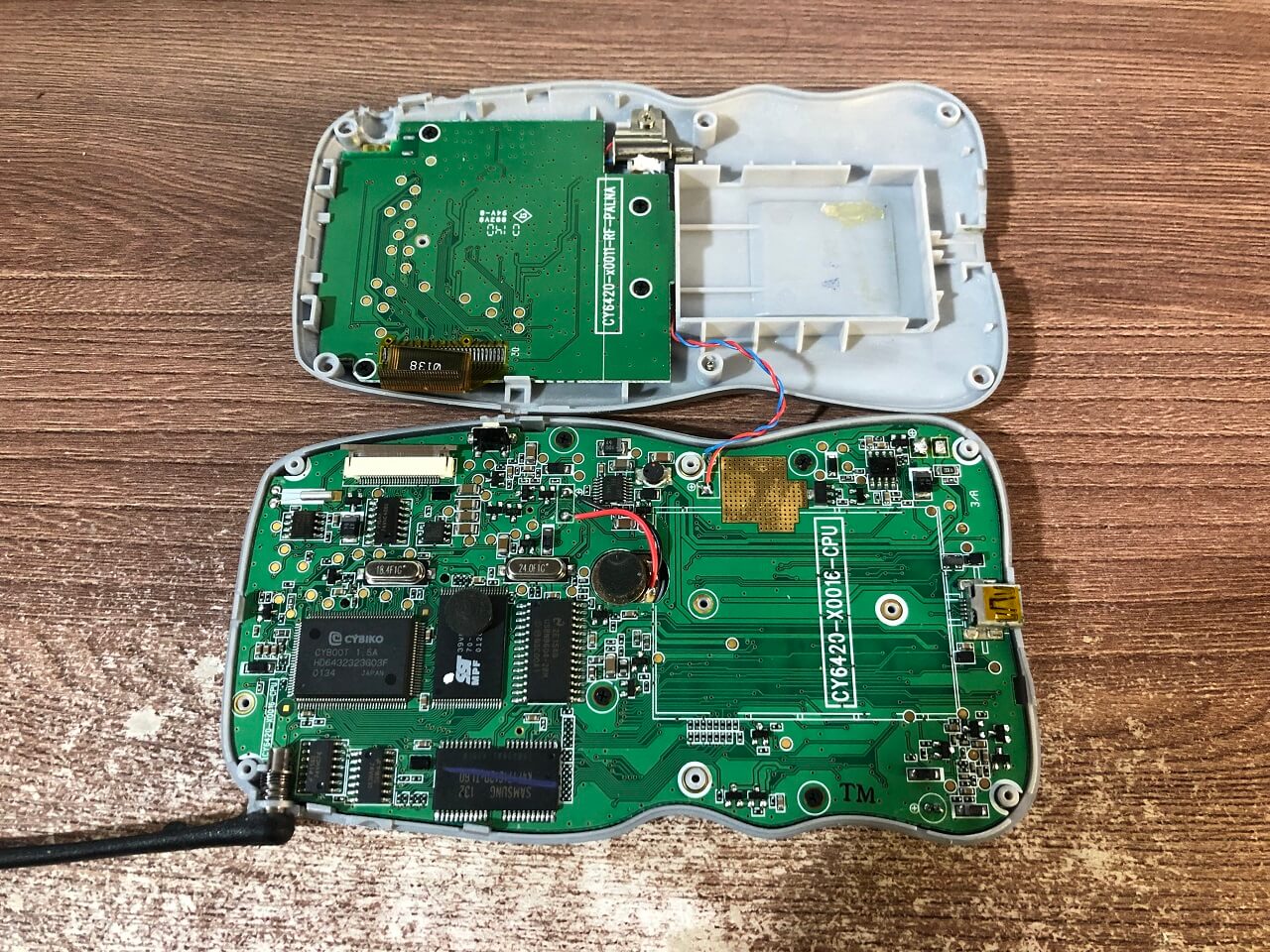
Next, we have a view of the main board and upon detailed examination of the components, it becomes clear that the gadget is almost completely assembled from standard and easily accessible components. Even without a diagram, diagnosing individual modules is not difficult, so the device is quite repairable and if you have a non-working Cybiko, this is not a reason to send it to the trash.
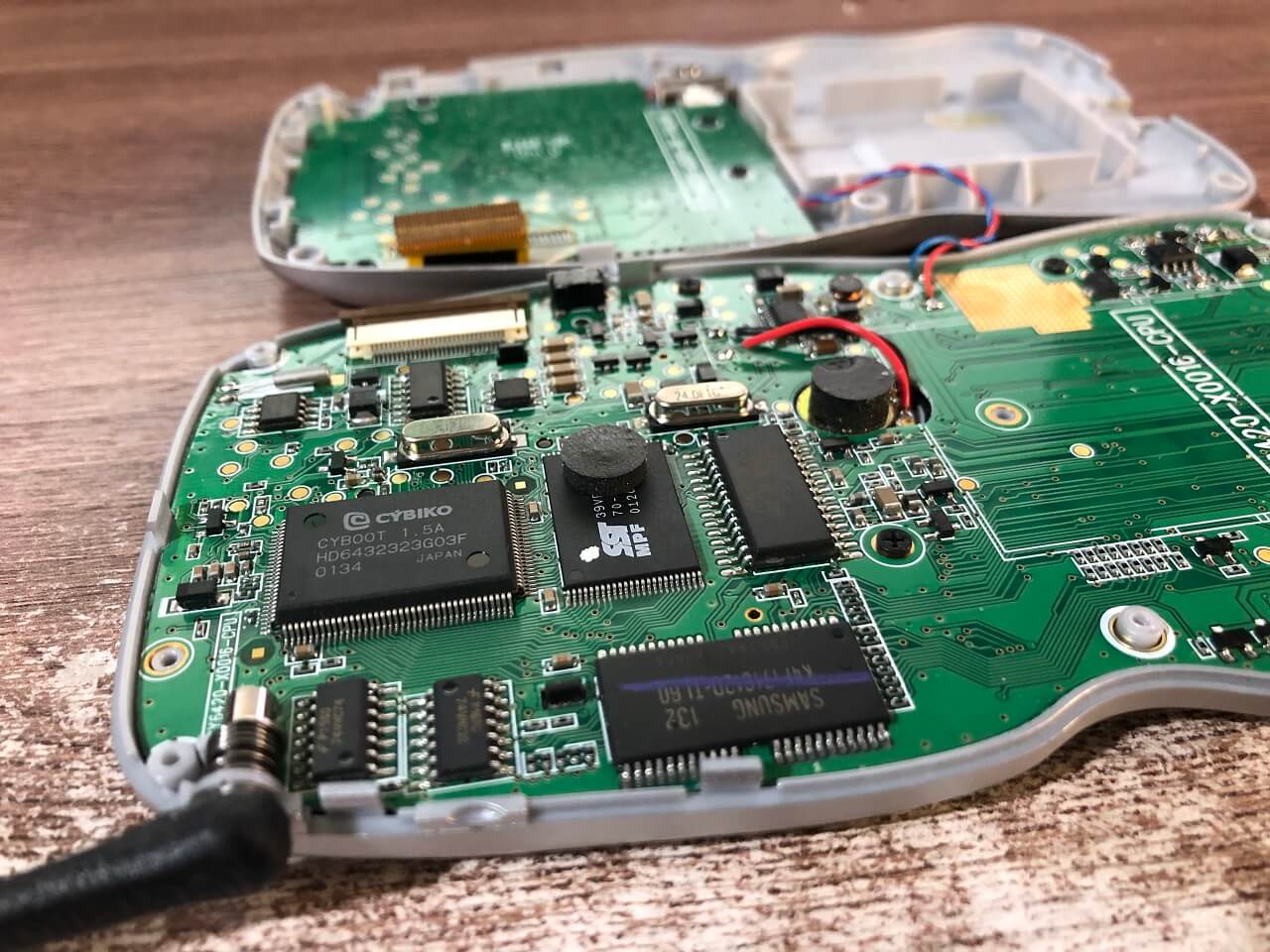
Since the original Cybiko was powered by two AA batteries, the Xtreme didn’t have to change the power supply scheme much. The main power domain here is still the 3.3V/350mA bus, which is formed by a step-up DC-DC converter MAX1677EEE from the input 2.5-3V. An unknown charger with erased markings works in tandem with it.
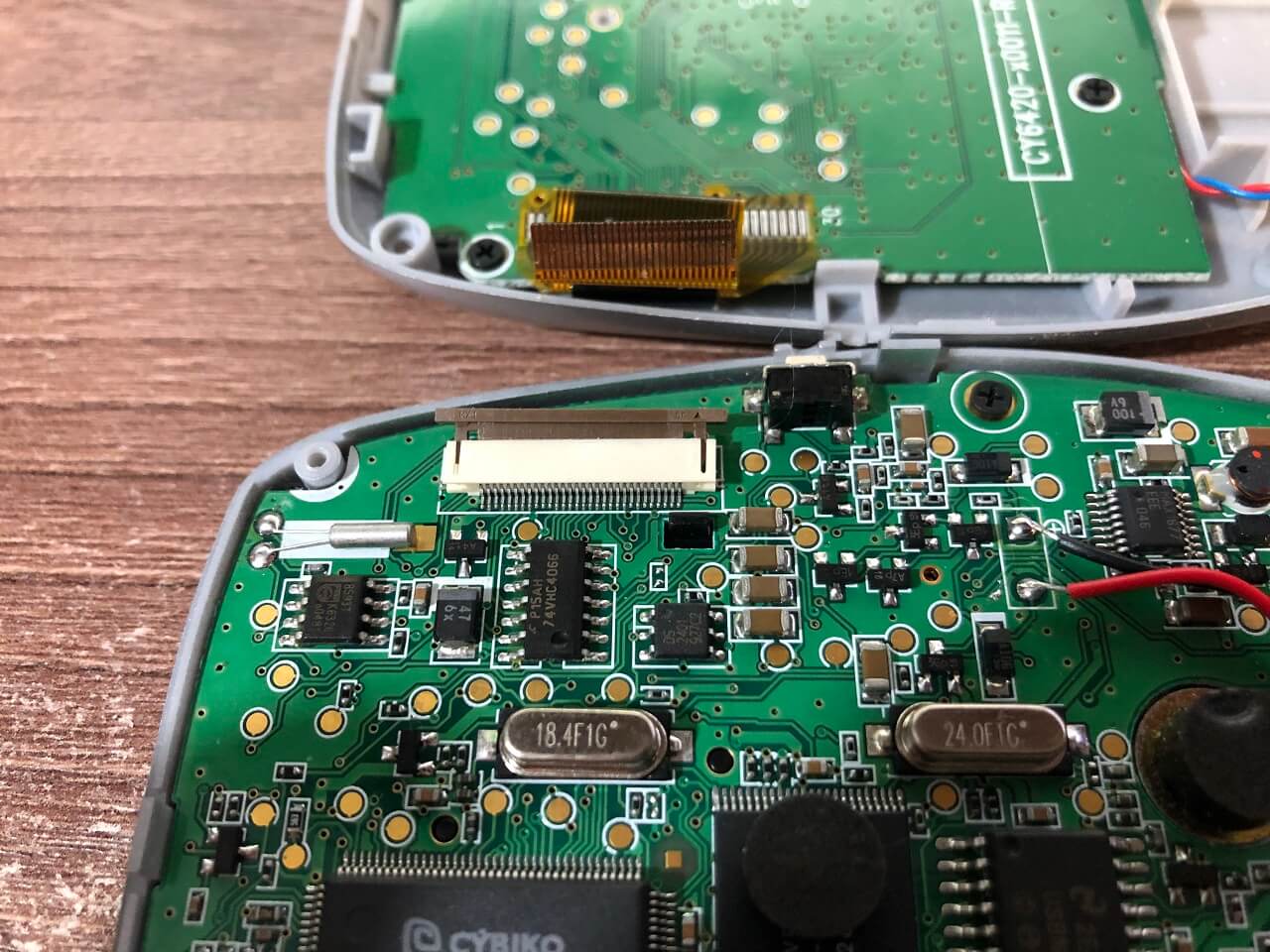
A little to the left on the board is the 64-bit UID Max DS2401 chip, which is responsible for the unique identification of the device on the network. Nearby is the 74VHC4066 analog switch, the function of which is difficult to establish in the design, as well as the Philips 8593T real-time clock. This chip is not just an RTC module, but a full-fledged calendar controller that combines the functions of time counting, date display and even a built-in alarm clock – a rather rare solution for its time.
Below are two quartz resonators: at 18 MHz – for clocking the main processor, and at 24 MHz – for the USB controller. The original Cybiko model used an 11 MHz generator, so the Xtreme version received a significant overclocking of the central processor. Such a technical solution allowed to increase the system speed, reduce the time for processing commands and ensure stable operation during more intensive calculations – which for its time was a real engineering achievement.
The central part of the board houses the main element of the device – the custom CYBOOT HD6432323G03F microcontroller, developed by Hitachi. It is based on the H8S architecture and operates at a clock frequency of 18 MHz, which was quite competitive for the early 2000s.
The H8 family is considered one of the most interesting in the microcontroller line of that time. It has undergone a complete evolution – from 8-bit systems to 16-bit and later 32-bit solutions, while maintaining compatibility and the ability to operate in mixed 8/16-bit mode.
The model installed in Cybiko uses the H8/2323 variation, which has one productive core with a maximum operating frequency of up to 25 MHz, which left a margin for further overclocking. The microcontroller is equipped with 16 registers of 16 bits (or 32 by 8 bits, or 8 by 32 bits – similar to the x86 architecture), as well as an external 8080-type bus, a DMA controller, timers, ADC/DAC modules, a UART interface, 32 KB of ROM and 8 KB of RAM.
For its time, it was a real engineering masterpiece – a compact, powerful and versatile controller that powered the complex Cybiko communication platform, making it one of the most technologically advanced handheld devices of the era.
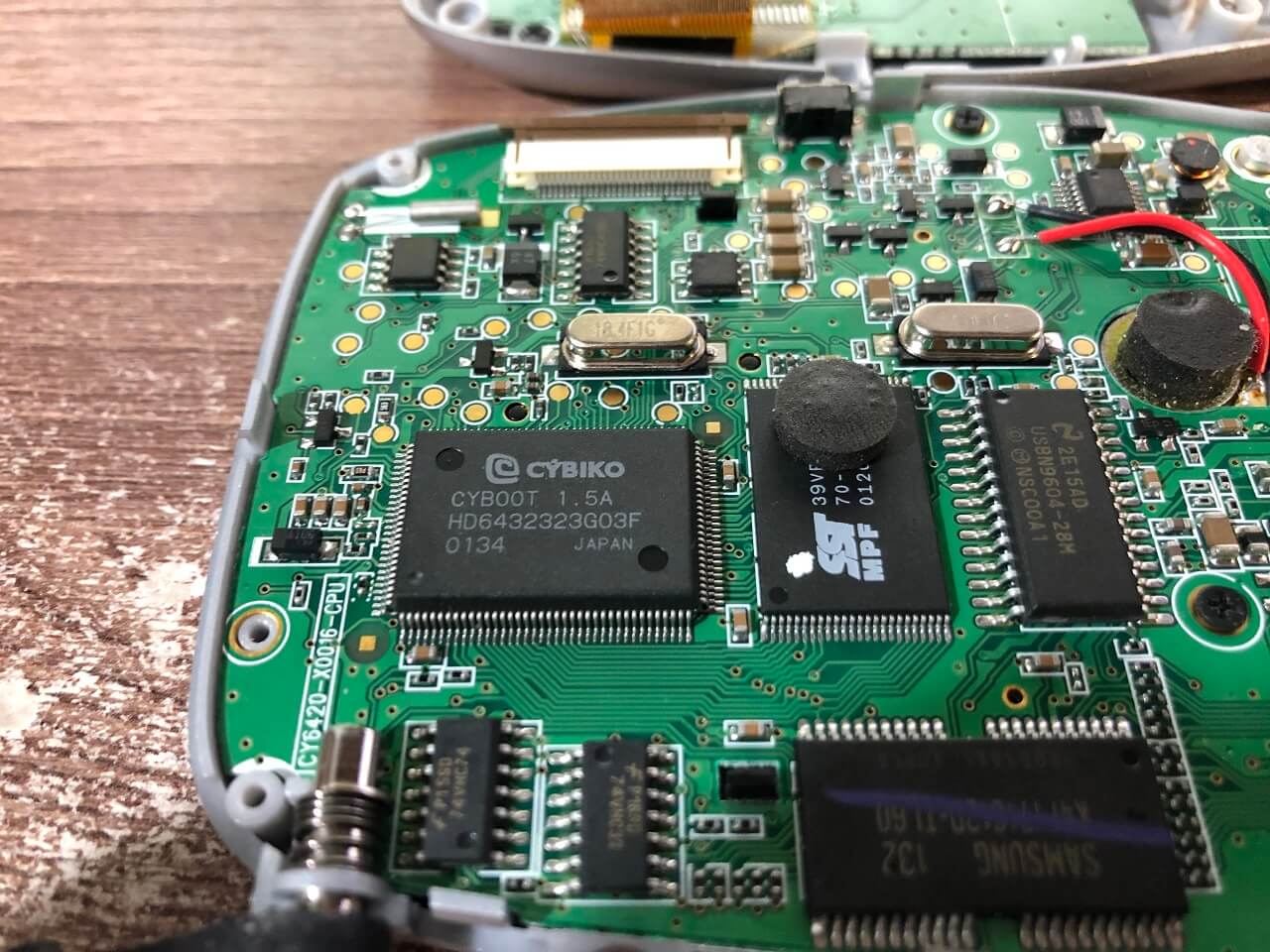
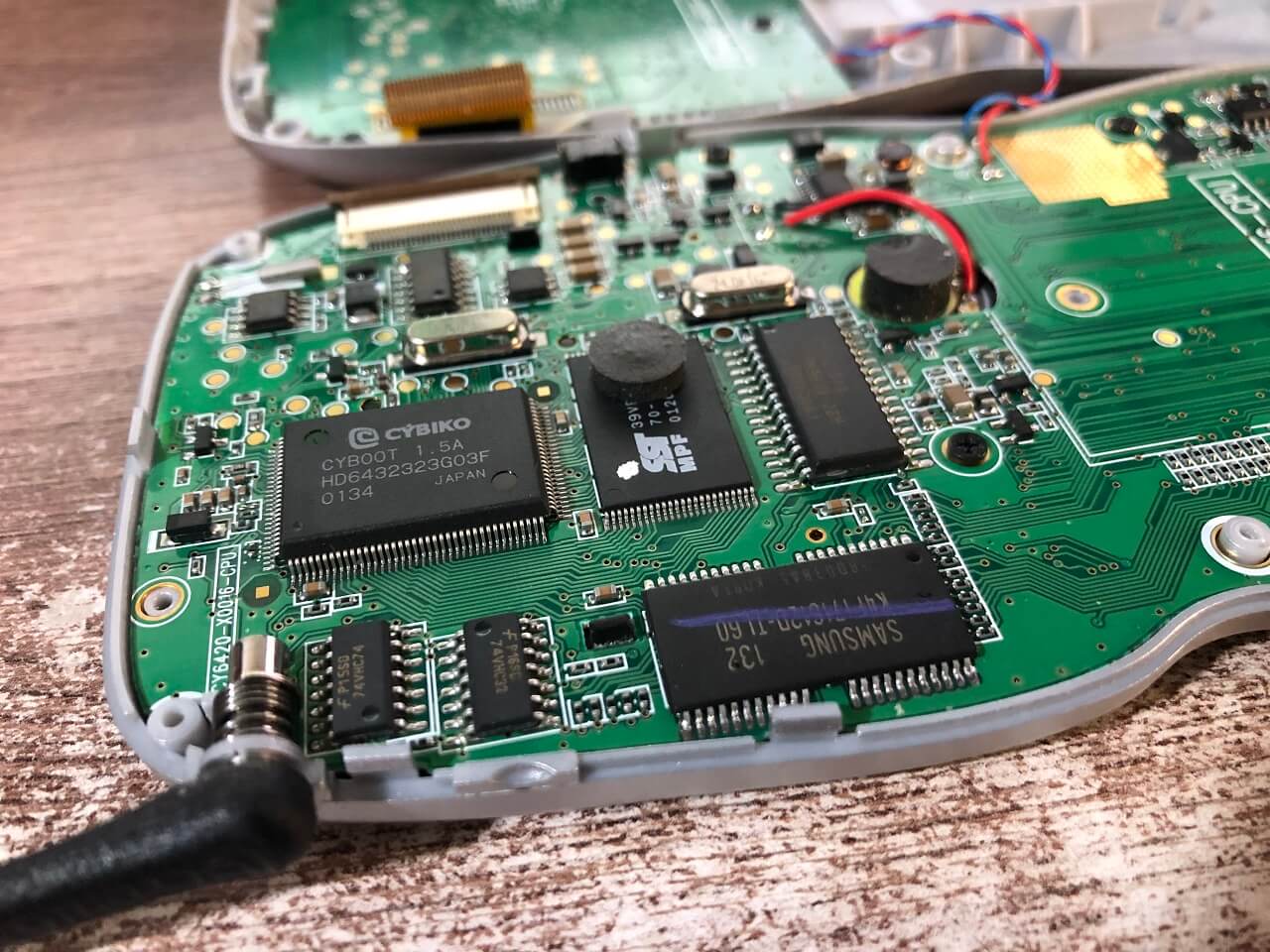
To the right of the processor is the SST 39VF040 NOR memory chip, with a capacity of only 512KB, and a little lower is the Samsung K4F171612D DRAM memory chip with a capacity of 2MB. Interestingly, all data was stored in RAM and after the battery was completely discharged, the data was lost… Well, many devices of those years had such a problem. Next to the antenna are two 74VHC74 flip-flops.
To the right of the NOR memory chip is the National Semiconductor USBN9604-28M external USB controller, the presence of which in 2001 was quite strange, at least for a budget device. The fact is that many portable gadgets of those years still supported only UART and COM ports, and external UART -> USB CDC converters like the FT232 were used to connect to a PC. This uses real hardware USB, so Cybiko engineers can only be applauded!
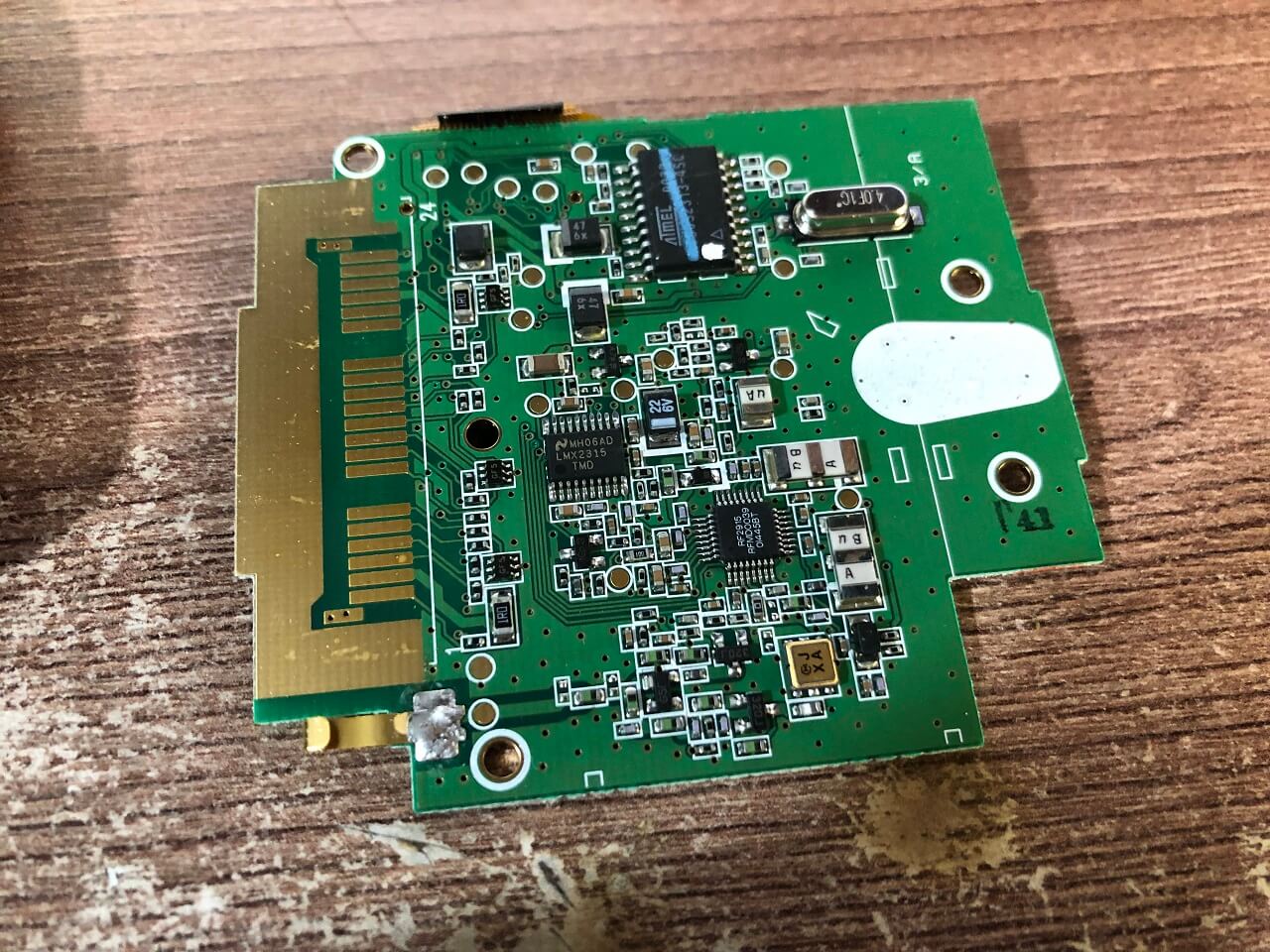
Let’s move on to the RF part – it is also very interesting here and is partly built around an Atmel microcontroller. The heart of the radio path is the RF2915 radio module – an ASK/FM transceiver containing both a modulator and a demodulator. In essence, it is close to 433 MHz modules from SYN, but its control is more complicated and it requires much more peripherals. The LMX2315 FM synthesizer works in tandem with it.
Nearby is the legendary Atmel AT90S2313-4SC – the “grandfather” of the AVR family, one of the first popular AVR microcontrollers. Inside is a hidden computing core that can operate up to 10 MHz (in the original Cybiko it is usually 4 MHz), has 2 KB FLASH, 128 bytes of EEPROM and about the same amount of RAM. It was these AVR chips that later became the basis for many hobby projects and early Arduino platforms.
Most likely, the AT90S2313 acts as a bridge between the main microcontroller and the RF compartment – a kind of frontend that hides the low-level details of the radio path implementation from the operating system. Some of the lines from the expansion port go to this AVR chip, so it is likely that it is also responsible for processing the corresponding hardware signals.
This is what Cybiko looks like from the inside — a true example of thoughtful engineering of its time. Despite the expectations of seeing a cheap “proprietary” implementation with droplet chips and a minimal component base, the reality turned out to be much more interesting. Inside — a carefully designed device with well-organized circuitry, a microcontroller that was quite powerful for its time and a balanced approach to cost. It was a full-fledged portable computer, created not just as a toy, but as a technological platform.
Now it’s time to move on to the main element that brought this microcomputer to life — the CyOS operating system. It was she who turned Cybiko into a multifunctional communicator capable of simultaneously working with messages, games, files and wireless connections.
After turning it on, we are greeted by a profile filling dialog. Here everything is like on dating sites: first they ask you to enter your name or nickname, then indicate your age and enter your profile data such as the purpose of meeting and hobbies. You could even upload your photo, but only in 4 shades of gray… Here, neither angles nor filters were unnecessary.
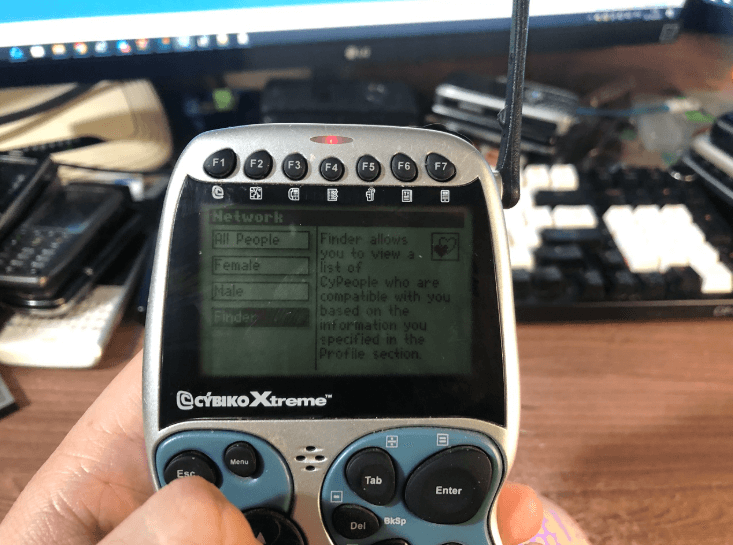
One can imagine that Cybiko could serve as an excellent tool for real dating: instead of a shy direct approach when a Cybiko girl was nearby within a radius of 300 m, you could first exchange messages, chat a little on your gadget, and only then approach to meet in person.
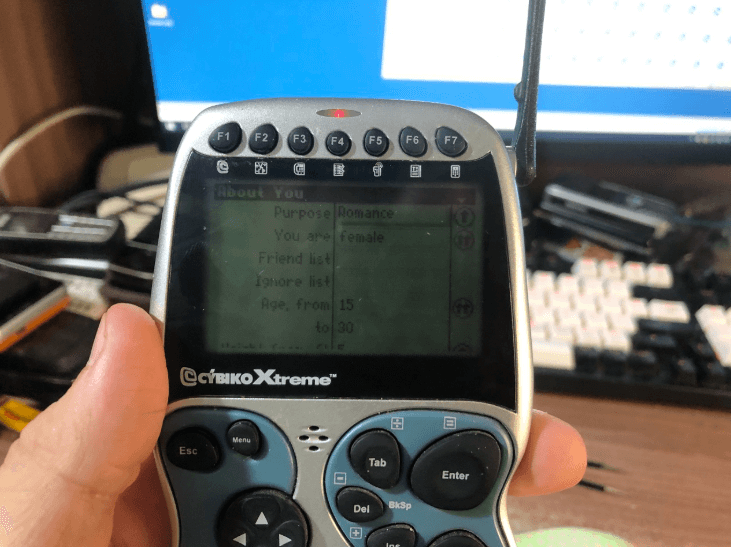
After registration, the user was greeted by the Cybiko main menu, which offered a clear, intuitive structure: a profile editor, a messenger, a calculator, a file manager, and directories with applications and games. Some programs could be assigned to hotkeys, which made management fast and convenient — a rare feature for handheld devices of its time.
Since Cybiko was conceived as a social gadget, the messenger became the central part of the system. For the late 90s, it had impressive functionality: it supported personal messages, private rooms, and shared chats based on interests. There were no moderators or restrictions in public rooms — the atmosphere was completely free, but the risk of encountering a “flood” or humorous pranks of users was high.
The data exchange speed in the Cybiko wireless network reached 19.2 Kbit/s, which at that time provided comfortable transmission of short text messages. Compared to the “weight” of modern messengers that transmit megabytes of service data in the background, such minimalism even looks elegant and effective.
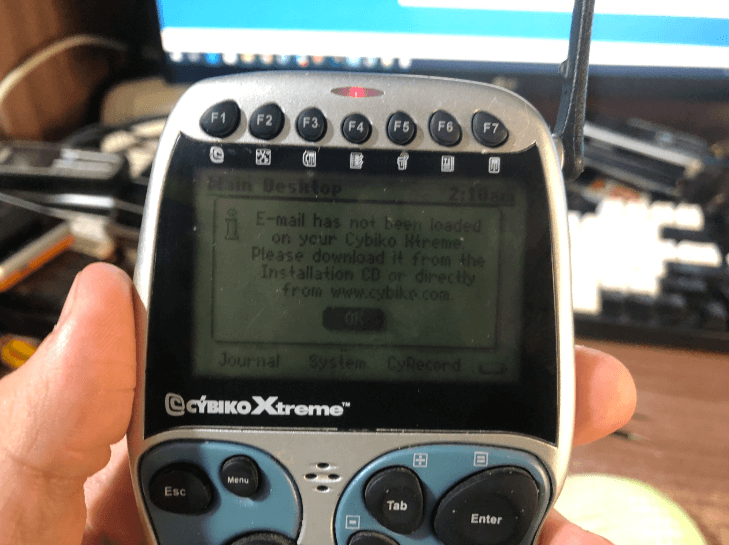
In addition to regular chats, Cybiko could also send and receive messages via E-Mail. However, it did not do this through operator networks like other bidirectional pagers, but using a special gateway connected to the CyWIG computer. In this case, the gadget automatically became an Internet access point for all devices within range, and with the help of a WAP browser program it even allowed you to surf the early mobile Internet!
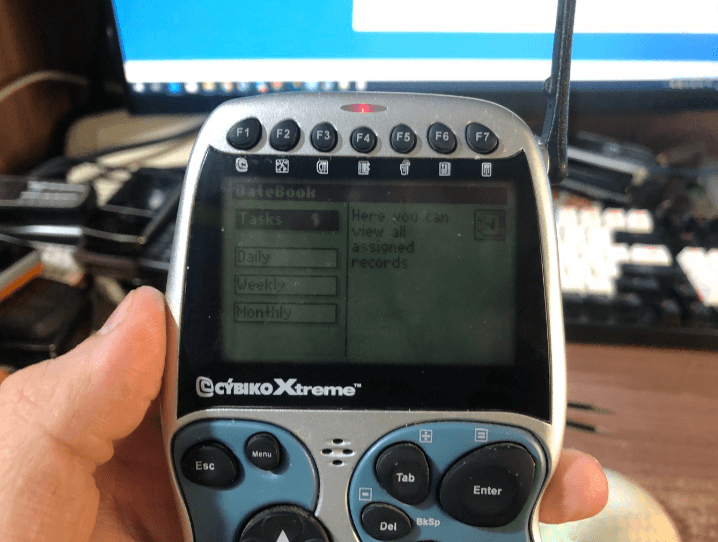
Like most pocket computers of its time, the Cybiko had basic organizer functions. The device had a diary, a reminder system, and an alarm clock — a classic set for any multifunctional gadget of the late 90s. Despite being aimed at a youth audience, the functionality remained at the level of serious PDAs.
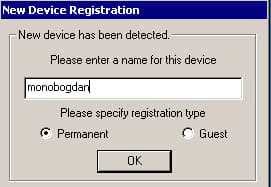
When installing programs for Cybiko, there were typical difficulties associated with the peculiarities of its hardware USB interface. Unlike many gadgets of that time, the device used a full-fledged hardware USB controller, without additional CDC bridges or serial port emulations. This solution looked progressive, but had a downside – the proprietary driver worked correctly only in Windows 2000. Even in Windows XP, the connection was lost or caused crashes.
The synchronization program was also not stable – it often hung, reacting to even the slightest changes in the connection sequence. To achieve communication with the device, it was necessary to restart the system many times, reset the connection and connect Cybiko again. Only after long attempts was it possible to establish an unstable connection and transfer several applications.
Software for Cybiko was distributed through the company’s official website. The developers promised to publish a new program or game every day, and absolutely free of charge – an ambitious strategy for the early 2000s. Users who did not have access to the Internet could purchase official CD-compilations with a selection of current applications.
Due to such an intensive flow of releases, not all programs were of high quality or useful, so Cybiko actively encouraged community participation in creating content. For enthusiasts, an SDK was developed with a scripting language similar to C, which allowed them to create their own applications. Most of them ran in a virtual machine, ensuring portability between device models.
However, there was also a Boot mode that allowed running native programs compiled directly for the Hitachi H8S architecture. This opened up the possibility of creating faster, low-level applications that interacted directly with the hardware—a rare flexibility for a handheld device at the time.
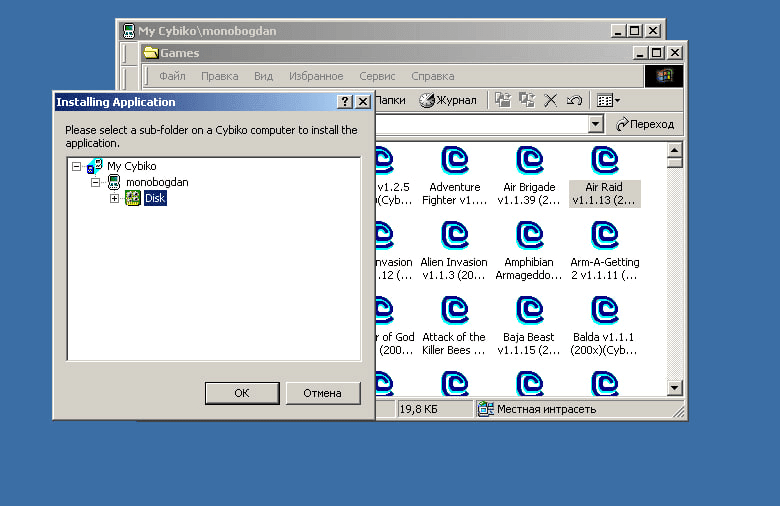
Among the applications for Cybiko, you could find literally everything: training and workout planners, browsers, alarm clocks, utilities for accessing the Internet and programs for wireless data exchange between devices. The company sought to create a real micro-ecosystem around its handheld computer – from useful utilities to entertainment content.
A special place was occupied by games in which the developers relied on multiplayer. Many titles did not even have a single-player mode – users competed or cooperated via the Cybiko local network. This concept of communication through the game was ahead of its time: wireless gameplay in real time seemed like a fantasy at the time.
In fact, Cybiko’s local multiplayer became the predecessor of later Bluetooth battles, such as Bluetooth BiPlanes, and a natural evolutionary step after wired competitions on the Game Boy Color. For teenagers of the early 2000s, this was a real breakthrough – technological, social and even cultural.