11.02.2025
7 min
1279



Karl Koch was a German hacker who is said to have been one of the first cybercriminals to collaborate with the KGB. His pseudonym Hagbard and obsession with the number 23 became part of the legends of the hacker culture of the 1980s. The article examines Koch’s childhood, the psychological trauma that influenced his worldview, and the influence of cult books, in particular the Illuminatus! trilogy, which shaped his belief in chaos and conspiracies.
On May 23, 1989, the most famous German hacker of the time disappeared in Hanover. The talented computer self-taught and convinced conspiracy theorist had been under investigation and the focus of the press for months because of accusations of having broken American military secrets for the KGB of the USSR. As journalists soon found out, shortly before his disappearance he had complained about aliens – and the body found a week later in the forest only increased the number of questions. Who was hacker Karl “Hagbard” Koch, why was he obsessed with the number 23, how did he get caught by the secret services and what ruined him?
In one of the episodes of Kevin Mitnick’s biography, I briefly mentioned the German hacker club CCC, Chaos Computer Club. This community of computer enthusiasts, which arose in Germany in the 80s, is still alive. There are enough interesting pages in the early history of CCC, and some of them concern a hacker from Hamburg named Karl Koch. He is not very well known outside of Germany – but among Germans who are especially fond of hacking and conspiracy theories, his name and history still arouse interest. He is little known to the Russian audience and not entirely deservedly so – after all, he and his colleagues are the first hackers who worked for domestic intelligence services and obtained secrets of the American military-industrial complex for the KGB of the USSR. At least they are known to the general public from open sources.
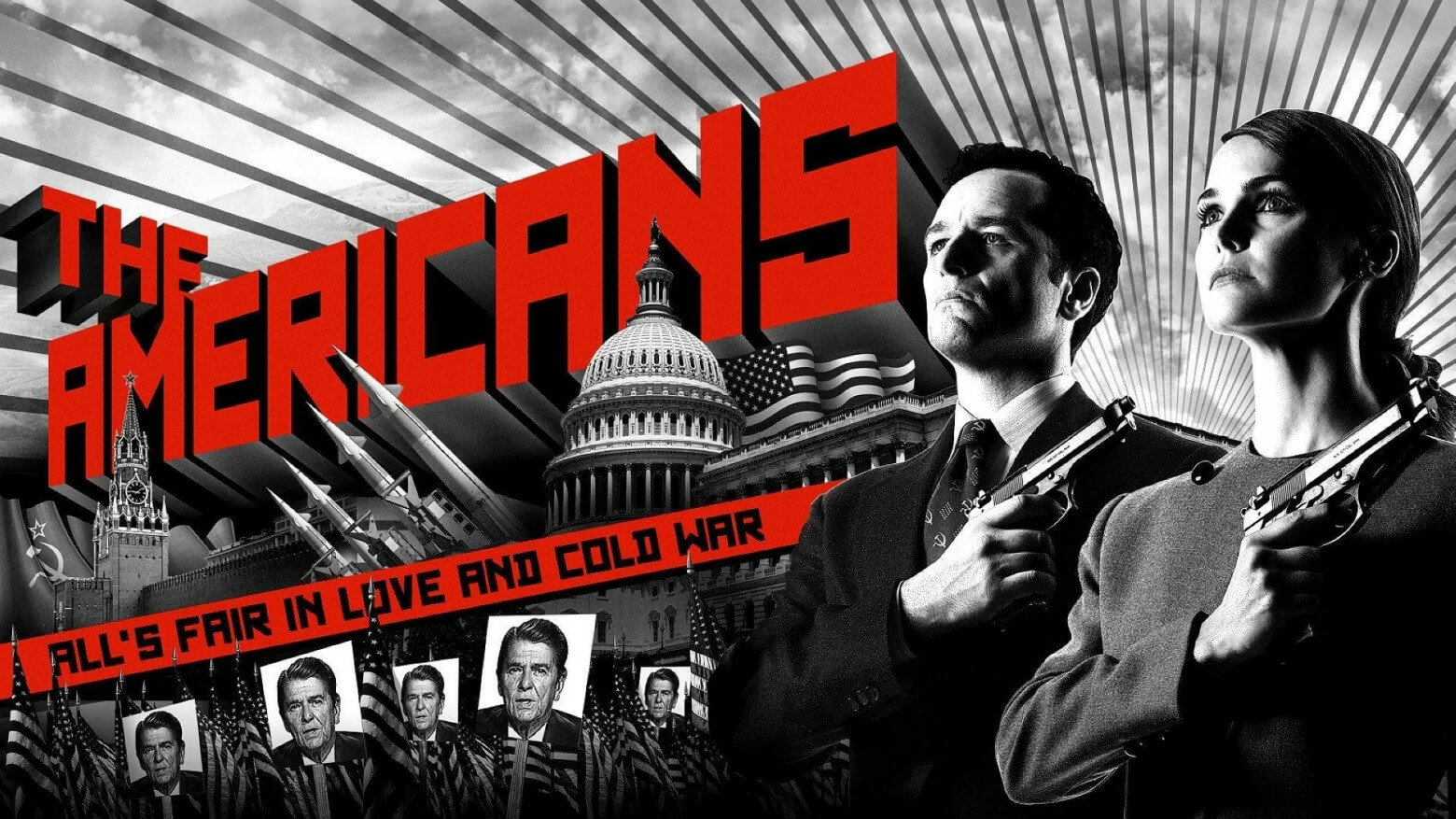
Karl Werner Lothar Koch was born on July 22, 1965 in Hanover in the north of Germany in a seemingly decent, but troubled middle-class family. His childhood was spent in constant scandals between his parents, his father drowned his stress and anger in alcohol. At some point, his father Wegner and his mother Agnes could no longer stand each other and separated, which was a blow to little Karl. This was followed by an attempt by his older sister Christina to commit adultery as a teenager, which also did not give the child healthy nerves and confidence in the world. When Karl was 11, his mother died of cancer.
His father returned and began to raise his children, but he drank and treated them very harshly. Worse still, his father’s new common-law wife drank too, and even his own grandmother treated her grandchildren very badly. As a result, by the 10th grade, Karl had serious mental health problems, primarily in terms of anxiety and aggression — more often, however, in response. In addition to the use of early and therefore small side effects of antidepressants, and without a schedule and the correct dosage, smoking not only tobacco was added.
One of the healthier ways for Karl to distract himself from problems was to buy his first personal computer in 1982 — after which he loaded himself with his head. At the same time, he was actively involved in student government and participated in various extracurricular activities for the school — which actually helped him save money for a computer, which his father did not particularly approve of. Karl also acted as an organizer of parties, and also became an activist of the anti-nuclear and anti-fascist movements. Which in the then Germany was definitely with radical-left circles and from the point of view of the authorities looked dangerous and suspicious.
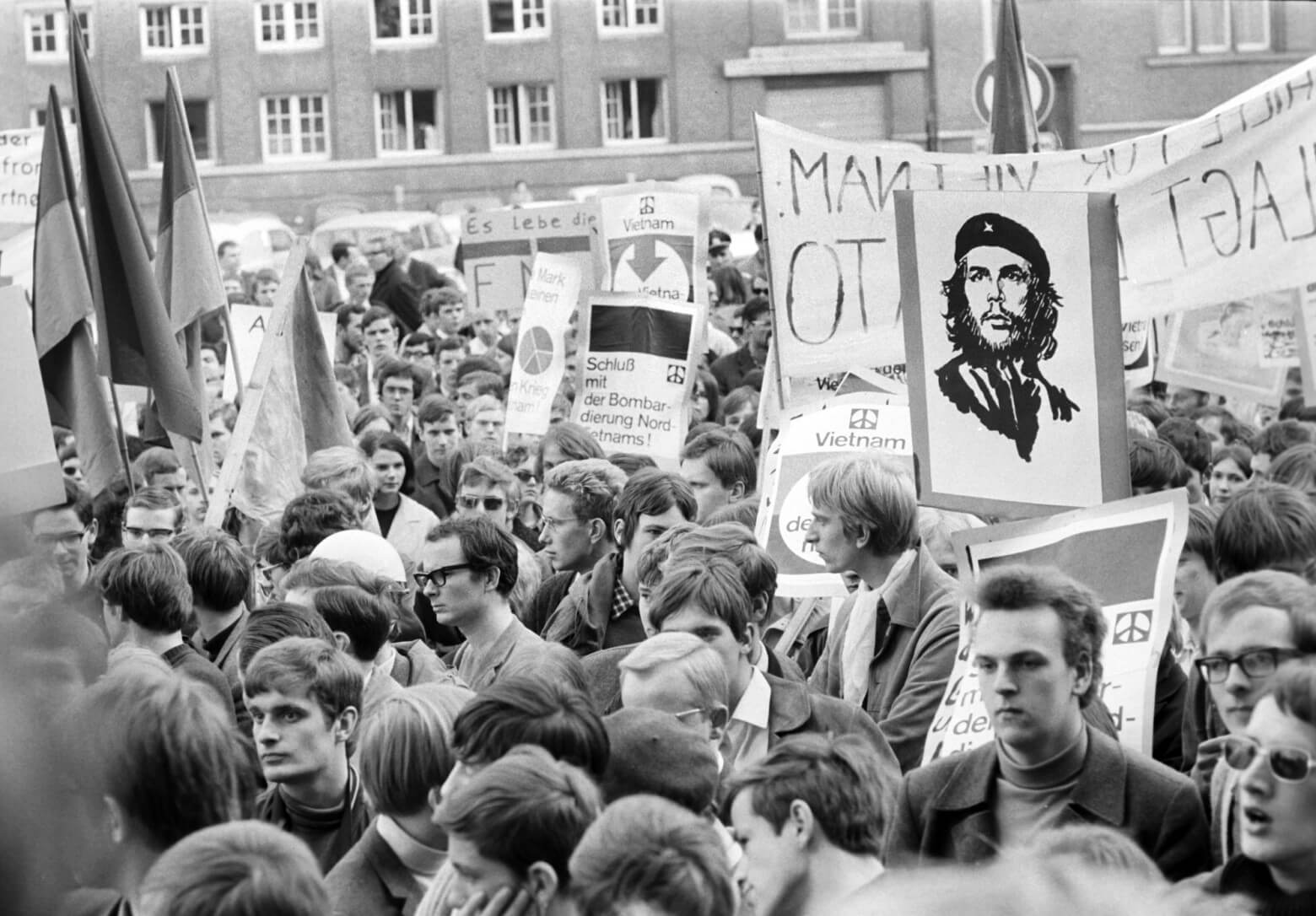
West Germany was ideologically divided, discussions of the Nazi past and NATO participation against the backdrop of another peak of the Cold War were conducted in very harsh forms, especially if it spilled over into hot West Germany against the backdrop of nuclear mushrooms. The sympathy of a significant part of the establishment for the Third Reich was almost undisguised, although formally persecuted by law, and student youth read Mao and dreamed of a revolutionary storm. The memory of the wave of terrorist attacks by left-wing radicals of the RAF and the series of strange deaths of detained militants in prisons was fresh. Koch undoubtedly leaned towards left-wing views of an unclear degree of radicalism now – but an even more important basis for his worldview was the book.
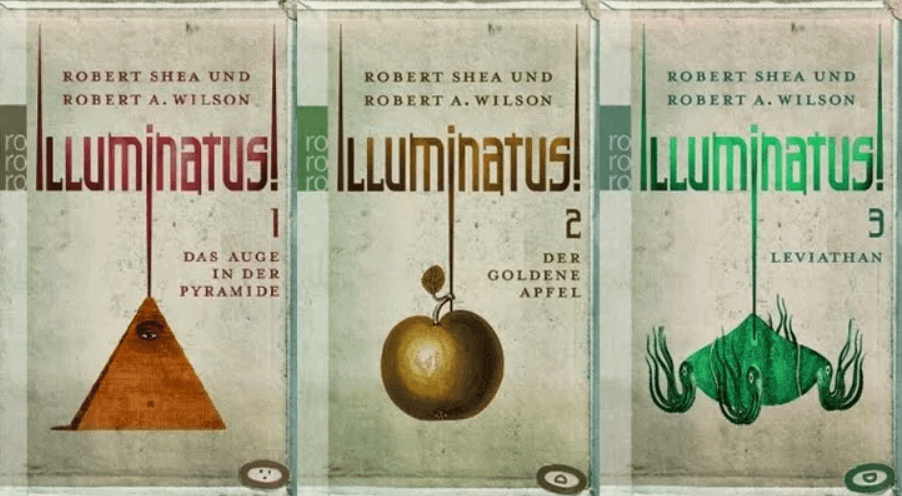
Apparently, Herr Wegner Koch had no idea about the contents of the volume called “The Golden Apple” that he gave to his 14-year-old son – otherwise this would definitely not have happened. Firstly, it was the second volume of the “Illuminatus!” trilogy by American authors Robert Shea and Robert Wilson. Secondly, this reading material undoubtedly belongs to the 18+ category, especially by the standards of the then still rather polite West Germany – it is good that Robert Shea worked as an editor at Playboy while working on the cycle, and his co-author was a permanent writer there. The characters of the trilogy create a lot of things with each other in various combinations that even now pass for the NC-21 category on Fikbuk. Thirdly, on occasion they use everything that is possible and (more often) impossible, in such quantities that it shook Hunter Thompson and Doctor Gonzo.
However, for our further story and the fate of Karl Koch, what was much more important was what this trilogy was about and what views its authors promoted – and they promoted them and openly emphasized it. “Illuminatus!” is a postmodern conspiracy novel, built on the combination in one work of practically all conspiracy theories known at that time into a single setting. Reliable historical information is carefully mixed with quotes borrowed from literature and conspiracy theory and generously seasoned with pure authorial fiction. It is often completely unclear where in this meta-ironic story the creators are mocking and where not so much.
Everything takes place in the format of a crazy (and sometimes very creepy) trip, in which the ideas of existential anarchic rebellion against everything and everyone at all levels of the universe are promoted. The heroes traverse the oceans in a gigantic and luxurious golden submarine, the stoned Illuminati awaken the restless SS men with a rock festival, and a dolphin bodhisattva raises Yog-Sothoth against them from the ruins of Atlantis. And it’s pointless to even ask what the authors used, because that’s what they did in the writing process.
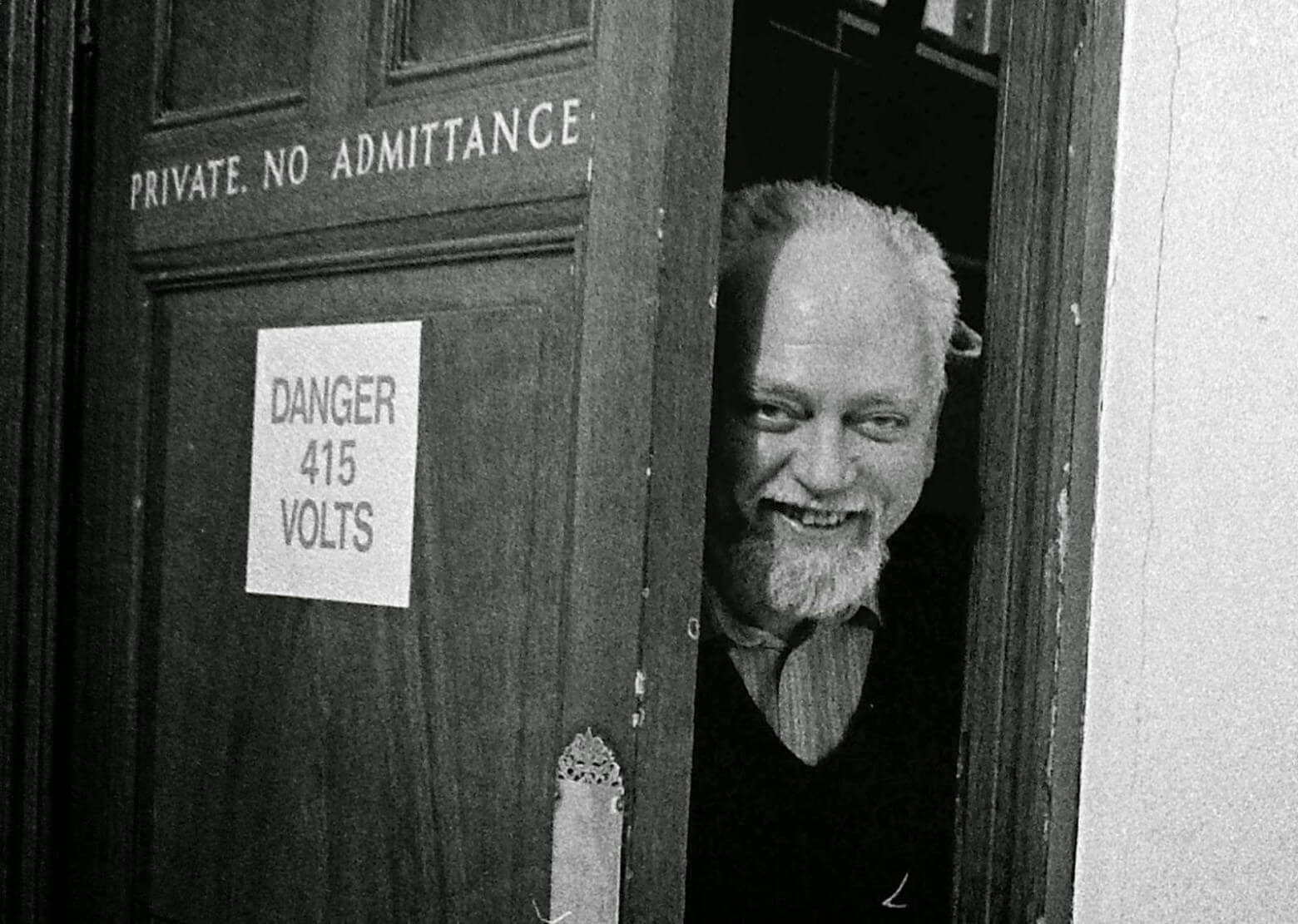
Robert Wilson and Robert Shea created their novel as a sacred scripture of the semi-parodic teachings of Discordianism. This product of the counterculture of the 1960s is a form of chaosism – not in the sense of worshiping Khorne or Slaanesh, but in the sense of conviction in the beneficence of disorder, conflict, uncertainty and frivolity. Life, the Discordians believe, exists only in a state of chaos and a game-struggle in conditions of consciously incomplete and distorted data. And any attempts to organize reality into strict hierarchical systems with a posture above the controlling All-Seeing Eye, demands to treat everything seriously and replacing infinite complexity with simplified schemes are a crime against life itself. The main symbolic figure of the teachings is the ancient goddess Eris, and the emblem is the “sacred Chao”, an unbalanced version of the Tao, with a golden apple in one part and a pentagon in the other.
It is not surprising that this blew up the brain of a 14-year-old teenager from a troubled family. After all, brain explosion was literally one of the goals of the authors: back in the 60s, Robert Wilson started what he called Operation Mindfuck, and called on like-minded people from Discordianism and the counterculture to do the same. It involved the purposeful incitement of paranoia and the decomposition of the mainstream picture of the world with conspiracy theories, stories about secret cults and hidden knowledge. All evil in world history was to be attributed to the activities of the Illuminati order – for them, in the person of the historical Bavarian Illuminati of the late 18th century, the desire to make the world orderly and rational.
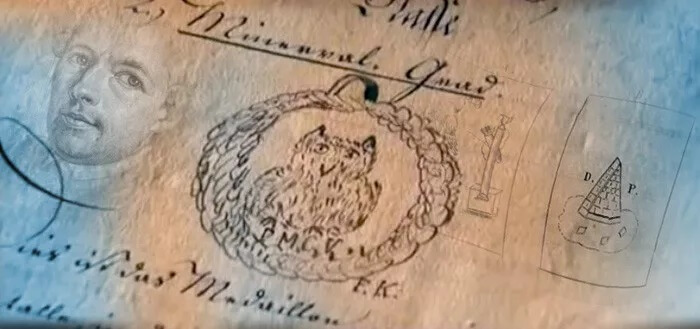
The Illuminatus! series became a sacred scripture for Karl Koch. He would later say that he reread this 800-page trilogy about 60 times. It is still not entirely clear what exactly Karl took seriously in the book and what he considered fiction – but it seems that he still believed in the Illuminati conspiracy in one form or another quite seriously. Hagbard Selin / Cellini, the captain of the golden submarine, the charismatic, wise and all-powerful leader of the Discordians in the fight against the Illuminati, became his idol. This hybrid of Captain Nemo, John Holt and Tyler Durden is, in essence, a hopeless “Marty-Sue” and a completely impossible role model. That is probably why this Alpha Sigma Trickster Gigachad was so inspiring to the teenager suffocating from problems and anxiety. At some point, he began to ask his friends to call him not Karl Koch, but Hagbard. From the moment he first entered the network and until the end, Karl Koch’s unchanged nickname also became Hagbard.
However, in real life, Karl Koch was not the captain of a golden submarine, but a high school student with a lot of problems. Due to the combination of the above factors, he was unable to finish the 11th grade in the spring of 1983 due to problems with academic performance and discipline. In the fall of 1983, Karl entered the 11th grade again, but he was unable to finish it either: after the death of his grandmother, his conflicts with his father and stepmother intensified, his anxiety increased to the point of being unable to sleep without serious medications, and his use of tobacco became regular. In August 1984, his father, who was editor-in-chief of a Hamburg newspaper at the time, died of cancer – and left Karl an inheritance of 100,000 German marks.
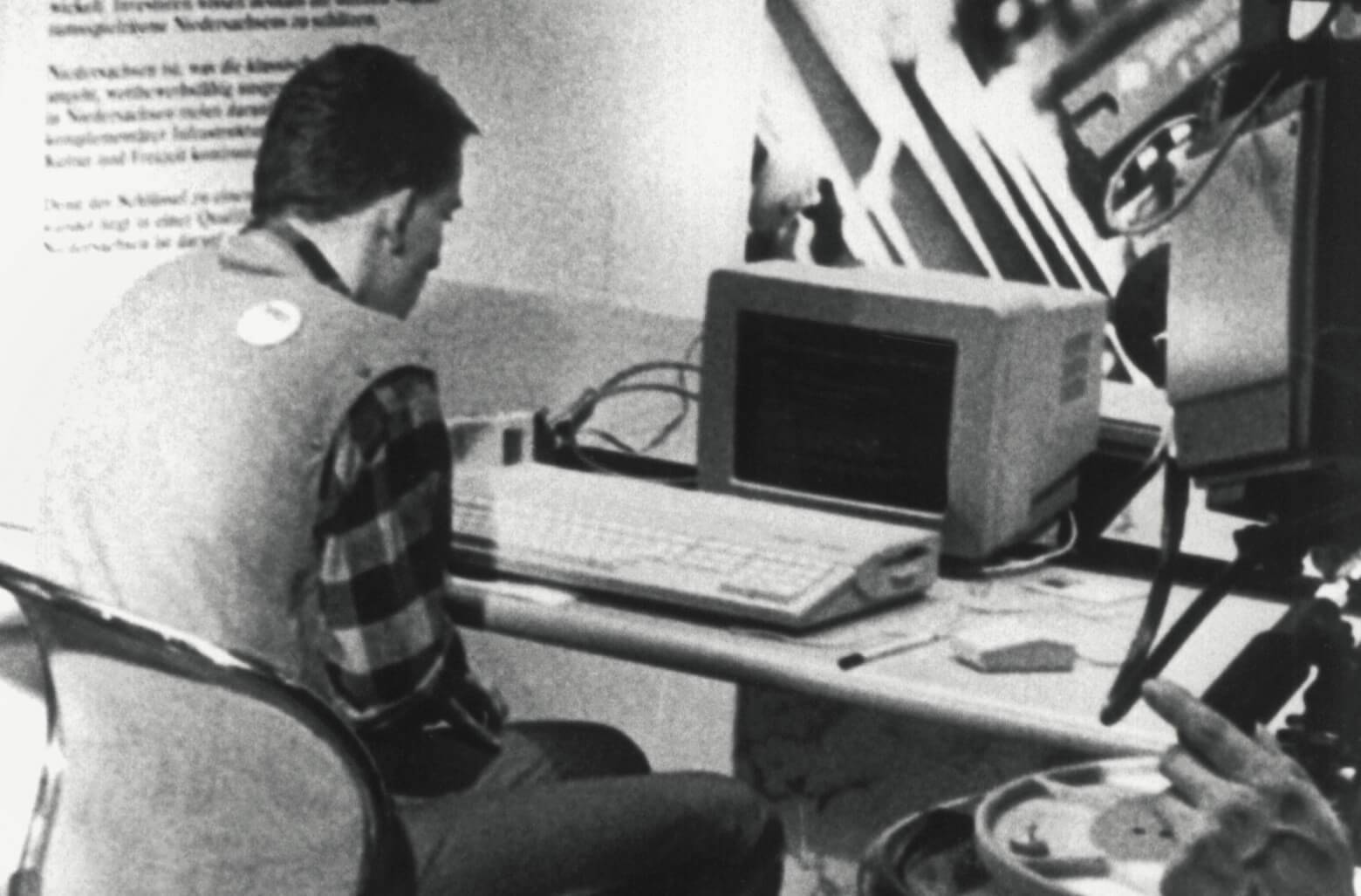
On the one hand, the young man was very happy, on the other – even the solid money from his late father annoyed him, and he tried to spend it as soon as possible. First, as he had long dreamed of, he rented a separate apartment in Hanover, Lower Saxony, and moved out of the hated family nest. Second, he went to paid therapy to deal with an anxiety disorder (from which, unfortunately, he jumped out less than a year later). And, finally, he bought himself the newest Atari ST computer at that time, which he named FUCKUP in honor of Hagbard’s cybernetic system from “Illuminatus!” After that, he finally decided to engage in programming and hacking, since at that time the topic of “dangerous subversive activities of unmanaged anarchist hackers” was one of the top topics in the press.
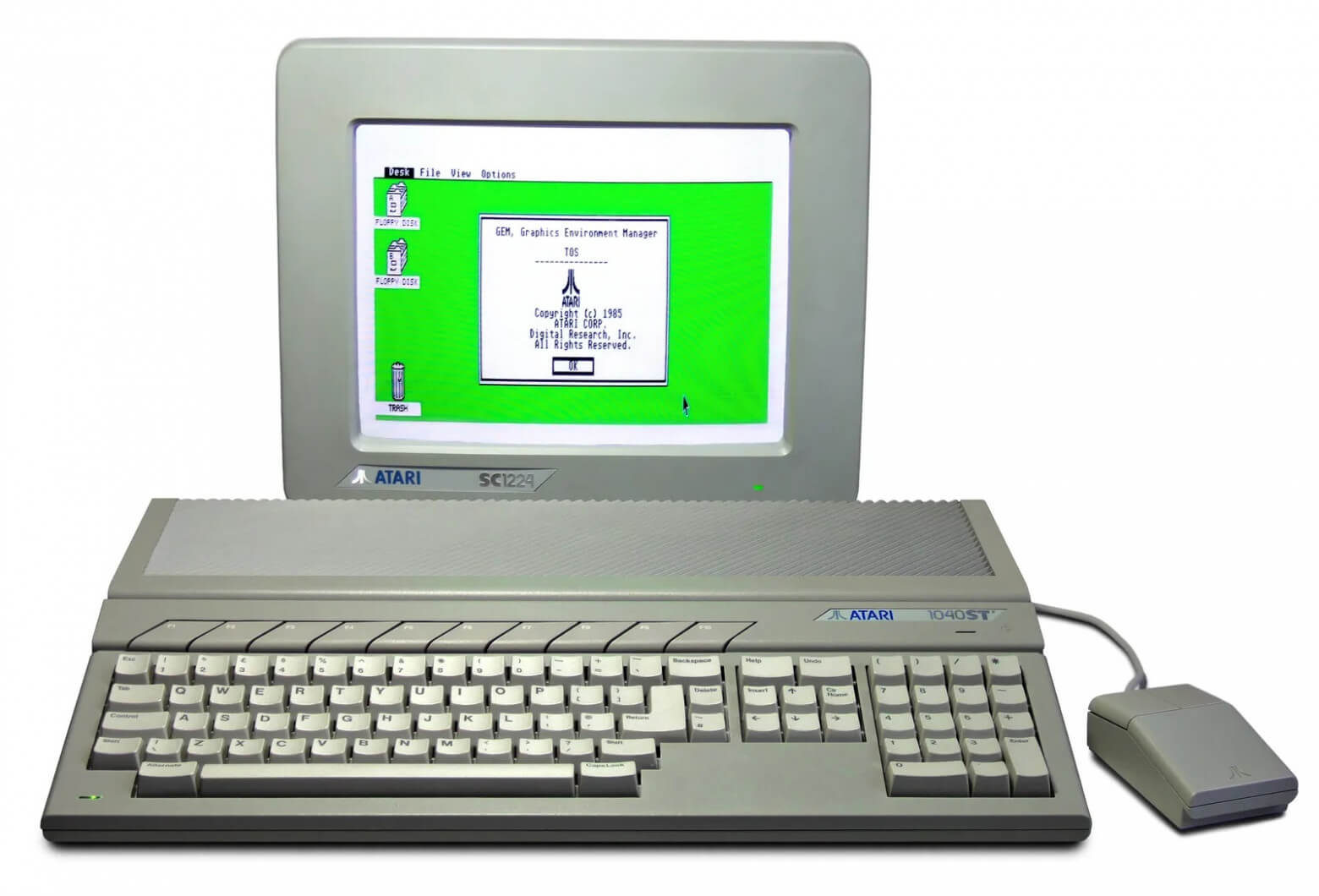
His second desk book after the Wilson and Shea series was the semi-underground “Handbuch für Hacker” (Handbuch für Hacker) by Jürgen Schall from Chaos. But it was not only about his passion for computers, programming and networks. For Karl, hacking became a way to implement the ideas described in Illuminatus! in life, to become as similar as possible to Hagbard Selin and to understand the dark secrets of this world. At least that was the case at the beginning. However, following the white rabbit and searching for world conspiracies sometimes leads to unpredictable consequences.
Let’s continue our story about the life and death of one of the most famous German hackers, Karl Koch, also known as Hagbard. We already know how he came from a not very cheerful family situation to hacking and conspiracy theory. Now let’s see how all this led him to work for the KGB of the USSR, which, as far as is known, had previously had little interest in penetrating the computer networks of Western countries. It seems that it was Karl Koch and his friends who became the “white rabbits” who opened the way to the Internet for domestic special services and showed how useful the art of hacking can be in intelligence work. However, achieving this turned out to be not so easy.

So, we left our hero at the moment when he used his father’s inheritance to rent an apartment in Hanover and buy a modern Atari ST computer. In the fall of 1984, he plunged headlong into studying hacking with the help of the underground German manual “Handbuch für Hacker” (Handbook for Hackers) by Jürgen Schall of the Chaos Computer Club. The first to suffer from his experiments were the servers of the University of Hanover, from where he managed to extract various non-public data (and crack it a little in the process, which caused a stir in the local press).
Koch began to communicate with other German hackers online and offline, and began to make acquaintances, some of whom became quite friendly. One of the people closest to Karl was Hans “Pengo” Hübner from West Berlin, close to the leadership of the CCC. He admired Karl for his fanatical devotion to hacking, as well as his powerful imagination and developed intuition. True, he did not fully share and approve of Karl Koch’s worldview, which was based on a not-so-critical perception of the psychedelic trilogy “Illuminatus!”.
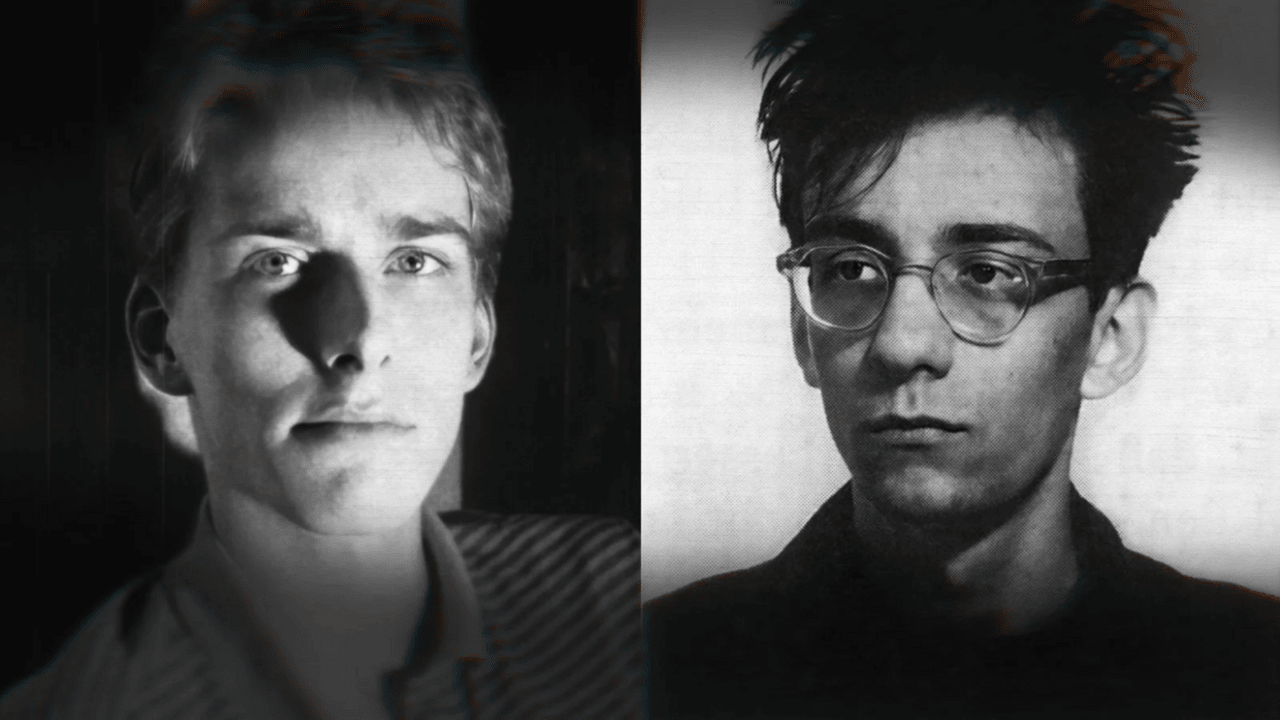
Karl strongly associated himself with the main positive character of the cycle, Hagbard Selin, in whose honor he not only took the nickname hagbard, but also asked his friends to call themselves that. Moreover, judging by the recollections of his acquaintances, he increasingly convinced himself of the reality of the global conspiracy of the Illuminati described in the trilogy, which controls governments, special services and corporations to achieve some extremely sinister goals.
The plans of the Illuminati, according to Koch, included as a stage the rapid resolution of a world nuclear war – on the brink of which the world repeatedly balanced in the first half of the 80s due to tensions in relations between the USA and the USSR and a number of dangerous incidents such as false alarms about the beginning of nuclear weapons. And, accordingly, Karl saw himself as a future hero of the resistance who would break these terrible plans. He even became interested in hacking largely because he saw the Internet as both another insidious Illuminati project and a tool for countering them.
In “Illuminati!” Celine Hagbard used for these purposes a computer with the proud name FUCKUP (First Universal Cybernetic-Kinetic-Ultramicro-Programmer): this magical machine, even without computer networks, through the “vibrations of the world”, could read information about what was happening on the planet, the most complex processes, freely talk to people and even merge with the mind of its owner during meditation with electrodes connected to the temples. Naturally, Koch immediately christened his new “Atari” exactly that, and due to the lack of the ability to use mystical vibrations, he plunged into the Internet.
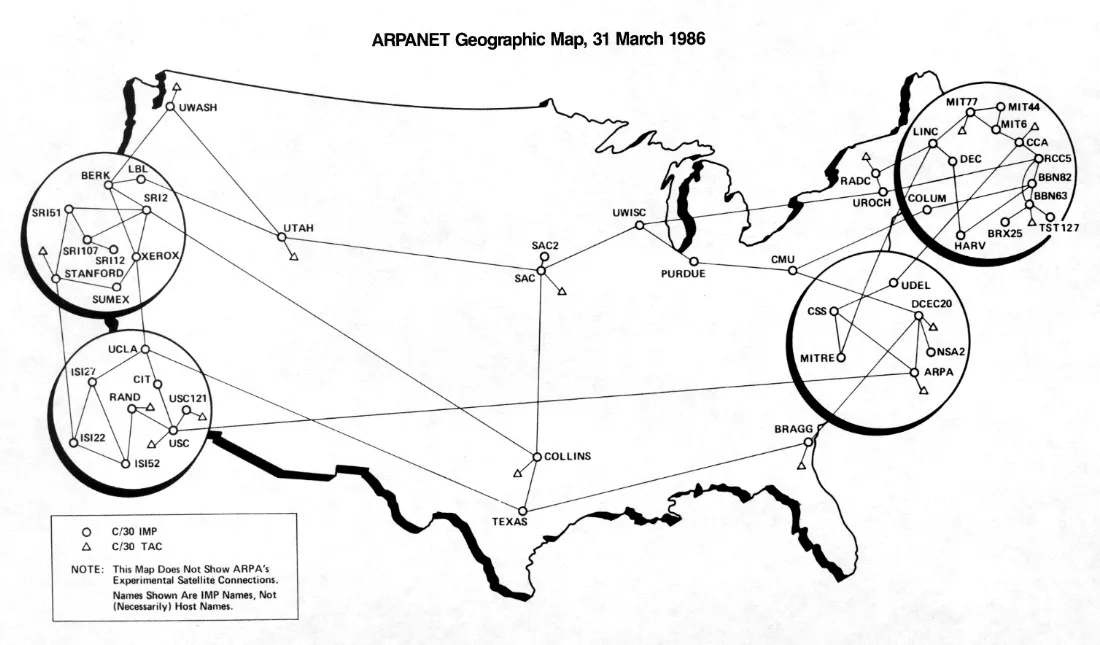
According to some versions, he saw the creation of his digital copy in the form of a full-fledged AI and uploading it to the Network – so that it would “explode the Internet from the inside.” The minimum program for him was to properly remind the global conspirators in the person of the spherical in a vacuum System on the network – and if they were caught and imprisoned for this, then become a world-famous martyr of digital hacker resistance. And to start doing something serious, Karl was going to penetrate those parts of ARPAnet where the secrets of the American military and intelligence services were kept.
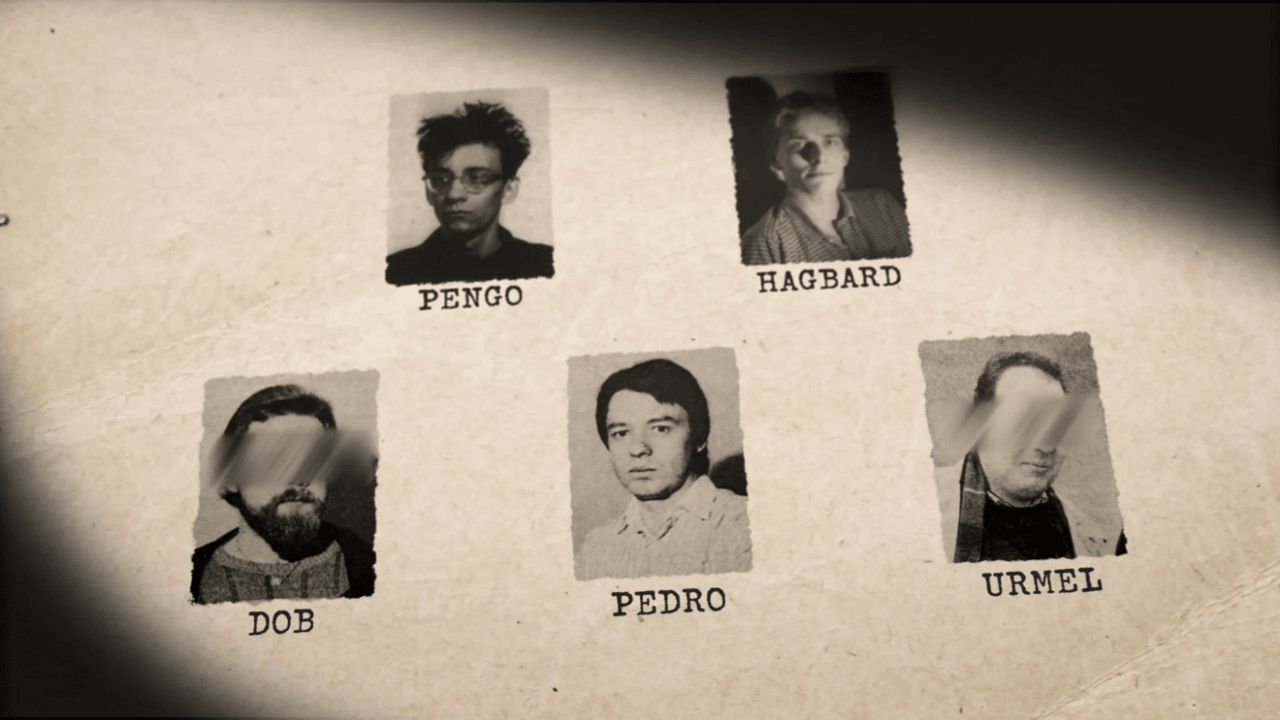
Pengo was literally fascinated by the strange world in which Koch lived, his confidence in the reality of all these global conspiracies and the mystical side of existence and the desire to fight the “System”. True, periodically Karl’s ideas looked frightening: as if he had once expressed the idea of climbing with a portable nuclear device onto one of the skyscrapers of the World Trade Center in New York (the same one) and pressing a button. But Pengo approved and actively shared Koch’s increasingly frequent use of prohibited substances – although here it would be worth being much more wary than about apocalyptic fantasies with conspiracy theories. In addition to Karl-Hagbard and Pengo, there were three more people at the core of the company of amateur hackers from Hanover.
The third, Dirk-Otto Brzezinski, better known as DOB, was a computer geek in wire-patched glasses who was hiding from being drafted into the Bundeswehr. The fourth, Markus “Urmel” Hess, combined a secret hobby of hacking with his official job as a Unix programmer at the large company Focus Computer GmbH and activism in the conservative CDU party. He was the only one who drank nothing but beer, and tried to convince the others to quit – unfortunately, without success. And the fifth was never a hacker at all, and moreover, a frankly impetuous character. The croupier of one of the Hanoverian casinos, Peter “Pedro” Karl, made money by racing cars and smuggling drugs. It was he who supplied the company with substances, and was also prone to uncontrolled attacks of aggression and dangerous ideas.
Karl was the core of this company – largely due to a combination of fanatical passion for hacking and rare charisma: some mentioned that there was an “aura” around him that literally attracts. He seemed to be the living embodiment of the typical cyberpunk hero: a talented and desperate hacker who challenges powerful corporations, intelligence agencies and secret societies. If the German edition of William Gibson’s “Neuromancer” had been published earlier – in fact, the American one was 1984, the German one was 1986, while our hero “got hooked” on “Illuminatus!” already in 1979 – his idol could well have been not Hagbard Selin, but Henry Case. However, this novel, and in general the “Cyberspace” trilogy, has enough common features and meanings with “Illuminatus” – although, as far as is known, Gibson did not mention him as a source of inspiration. Another important feature of Karl Koch was his enormous ability to concentrate and be patient: he could sit for hours, almost motionless, behind a screen and methodically achieve his goal.
Pengo continued to live mainly in West Berlin, and visited Hanover occasionally, while the others lived permanently in the capital of Lower Saxony. In early 1985, they organized the Hanover branch of the German hacker community CCC, which still exists today as the Leitstelle511 community. In addition to Karl’s apartment, meetings were often held at the Café Filmore. Karl made many acquaintances in the German computer community – but, according to him and his colleagues, like Kevin Mitnick, he rejected criminal offers to hack bank accounts, etc. They hacked at first for the love of art – and Karl was very successful in this matter. In November of the same 1985, he had already managed to hack, more or less, the VAX mainframe at the Fermi National Accelerator Laboratory in Chicago via the network.

And all would be well, but at the same time Pedro put Koch on cocaine, which exacerbated his already serious mental problems. Then it came to LSD, which Karl, as he put it, tried to use for “experiments in the field of perception.” In a 1989 memoir, he claimed that by May 1986 he had “acquired parapsychological perception and Jungian synchronicity” (this is how Carl Jung scientifically designated paranormal phenomena such as telekinesis and clairvoyance, which particularly violate the principles of causality and probability theory). In parallel, paranoia and anxiety grew. Karl was actively engaged in hacking into servers related to nuclear energy, in particular CERN, and became very obsessed after the Chernobyl disaster. He linked the accident to the machinations of the Illuminati, but for some reason it seemed to him that he might have been unwittingly involved in what had happened. Although, of course, there were no Internet connections to the Chernobyl NPP equipment in the mid-eighties and could not have been in principle.

True, a traditional and typical situation arose in such stories. At first, the doses from Pedro were free, then, as usual, they were no longer available – and the father’s inheritance quickly disappeared into drug trips. In addition, Pedro was kicked out of the casino for his cunning and a suspended sentence for transporting a batch of hashish from Amsterdam to Germany, and he was very short of money. In the spring of 1986, the company was thinking hard about where to earn extra money using hacking – which they had already mastered quite a bit by then.
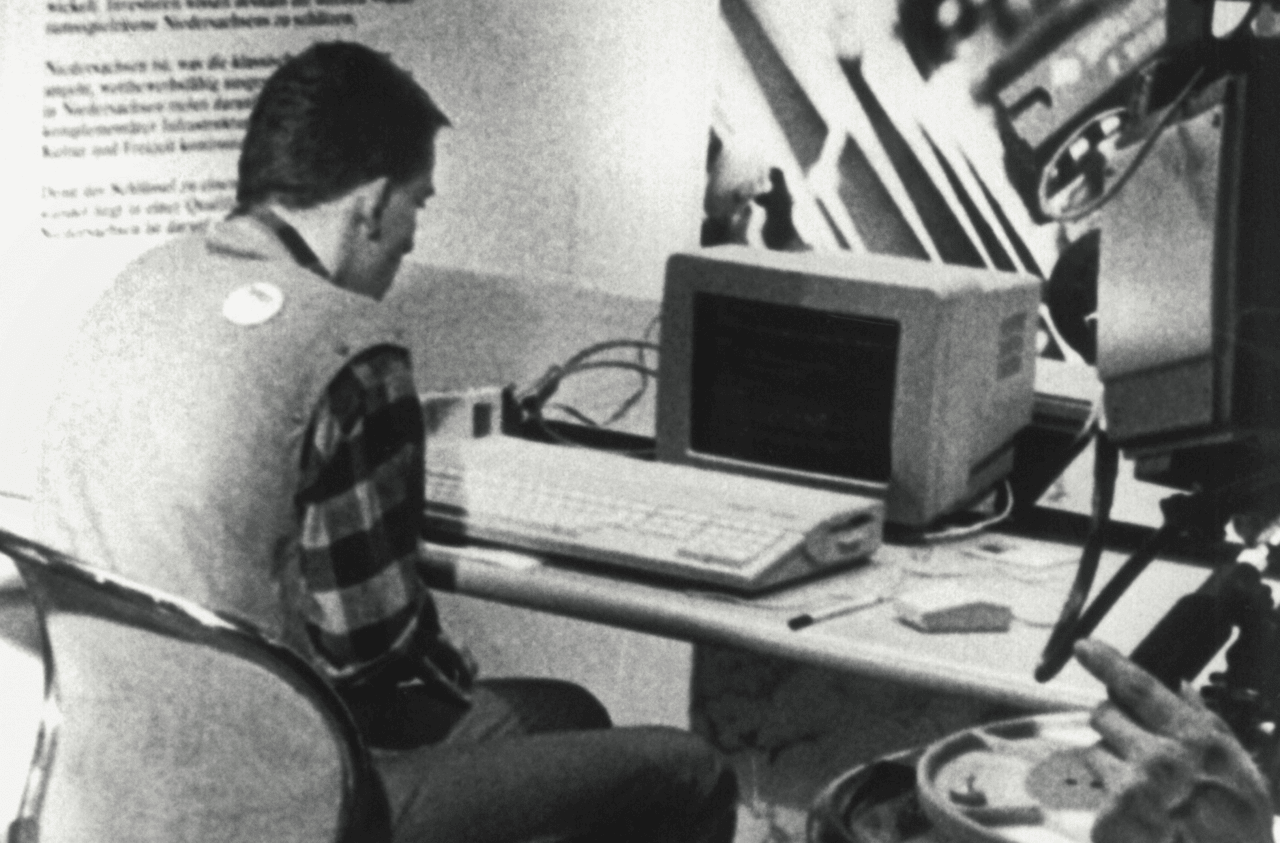
For example, in early 1986, Karl appeared at the Cebit computer exhibition in Hanover and publicly, to the point of controversy, cracked a protected mainframe using a regular home PC. There is unconfirmed evidence that they did engage in criminal commercial hacking, hacking into Siemens and Digital Equipment Corporation (DEC) servers and selling the valuable code they extracted on the black market. However, by August, a new idea had matured: stealing American military secrets and selling them to the USSR’s KGB.
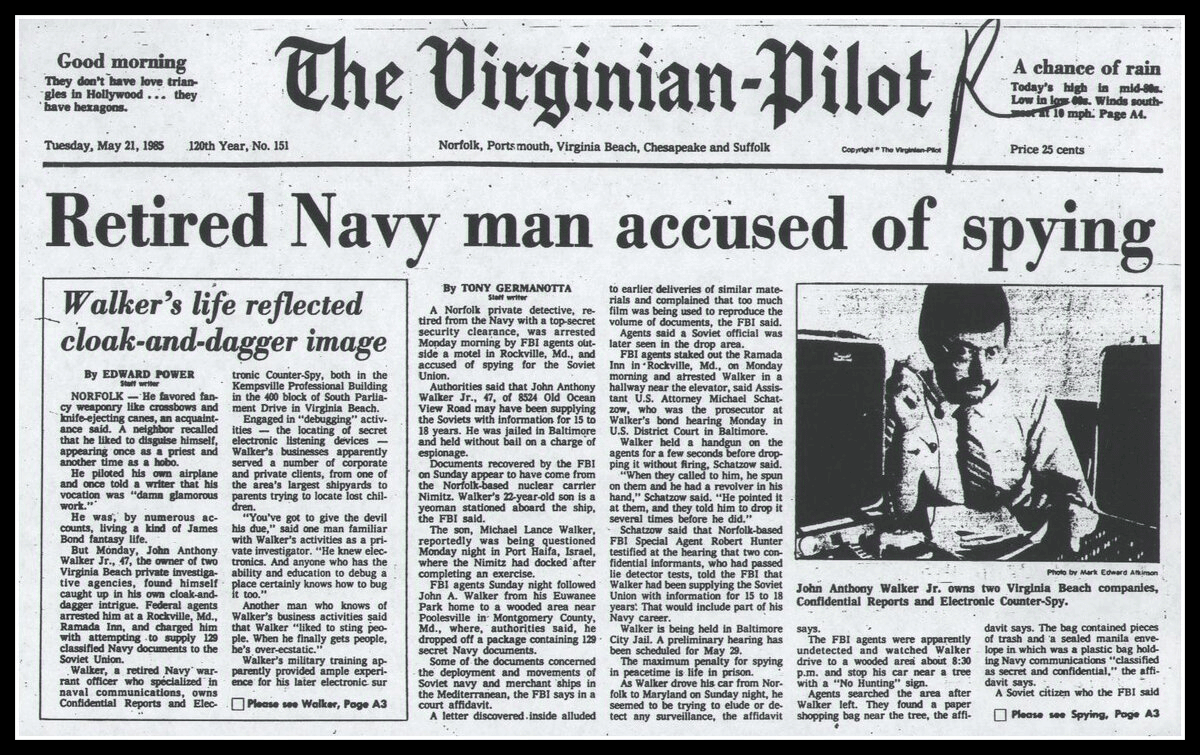
Karl and others would later claim that the idea belonged to Pedro. Which seems a bit dubious, since at that moment the risks in this area for citizens of NATO countries seemed to be no more serious than participation in the drug trade, an area that Pedro was quite familiar with. The fact is that the perestroika “détente” in Soviet-American relations was just beginning to ripen, it would start seriously only in October 1986 with the meeting of Gorbachev and Reagan in Reykjavik. The scandals of the “Year of Spies” had just erupted: this is how the history of special services often calls 1985, when very serious “moles” of each other were exposed in the USA and the USSR.
It turned out that secret and top-secret information had been leaking to Moscow from such holy of holies of American power structures as the CIA, NSA, US Air Force and Navy for years. Almost simultaneously in the USSR, CIA agents in the central apparatus of the KGB and GRU were exposed. The secret services of both blocs were at the peak of professional paranoia and were ready to see each other’s machinations in literally everything. The mid-80s were perhaps the worst time for voluntary involvement in espionage games in the 20th century, worse and more dangerous than the first half of the 50s with total espionage on both sides of the Iron Curtain. The tension of the confrontation between the secret services would begin to decrease only in 1987.
However, Koch and company did exactly that: they decided that hacking to extract the secrets of the American military and intelligence services and sell them to Soviet intelligence would be both profitable and right. And here, IMHO, we can still see the worldview of the anti-system Karl, rather than the fraudulent Pedro. Of course, in his favorite trilogy “Illuminatus” the idea was consistently promoted that all great powers are very similar to each other – and as a comic device, the characteristics of the leaders of the USA, USSR and PRC, acting in the setting, coincide literally:
He was a perfect example of the dominant male of the present era. Fifty-five years old, tough, practical, and unencumbered by the complex ethical complexes that beset intellectuals, he had long since realized that the world was a vicious place in which only the most cunning and cruel could survive. He was as kind as it was possible for a follower of the philosophy of extreme Darwinism. At least he genuinely loved children and dogs, unless they were in territory that, based on the National Interest, should be bombed. He took amphetamine stimulants to endure a twenty-four-hour workday, which is why his perception of the world eventually developed a paranoid bias. To calm his constant anxiety, he had to swallow tranquilizers, and his alienation sometimes bordered on schizophrenia. But most of the time, his inner practicality allowed him to hold on to reality. In short, he was very similar to the rulers (of Russia and China/America and China/Russia and America).
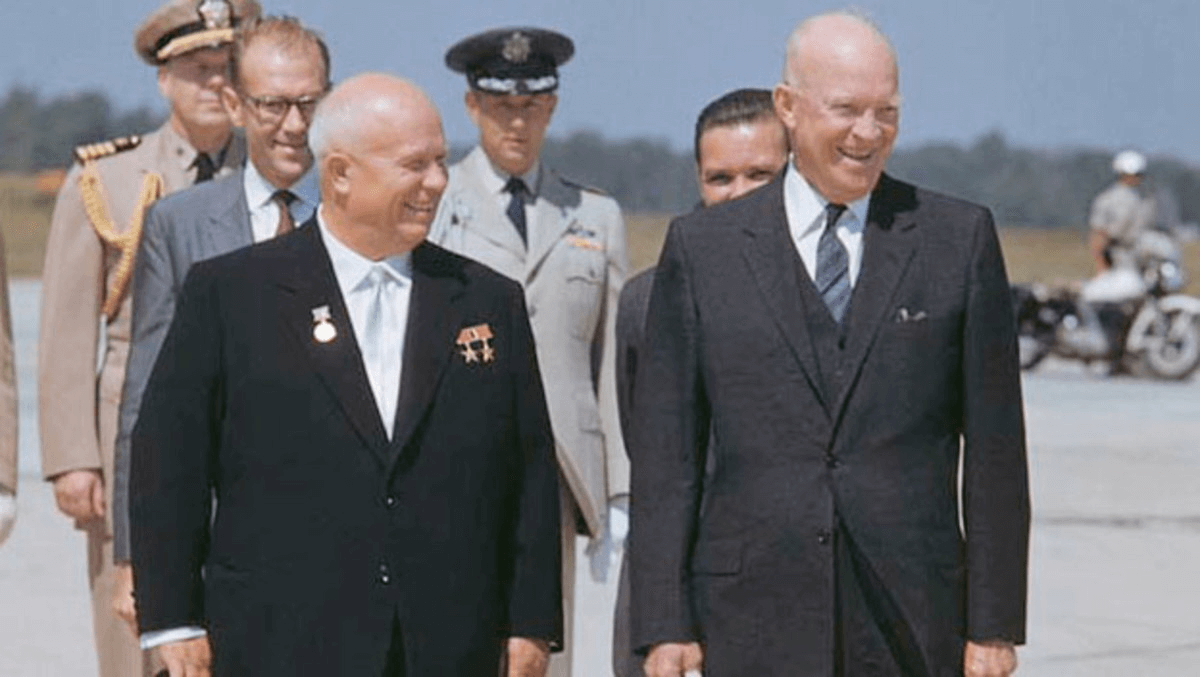
However, as a West German teenager with left-wing anarchist views, who had managed to protest against nuclear power plants and American troops in Germany, Karl Koch saw the main embodiment of the Illuminati “System” primarily in the USA, its special services, corporations and weapons. At that time, the USSR, especially in the eyes of the Western press, looked clearly weaker – and therefore, in the worldview of left-wing youth, it aroused more sympathy, while its criticism was perceived as anti-communist propaganda by the CIA and company. At the same time, the tension of the Cold War was still high – and one could hope that the KGB would be willing to pay good money for American secrets. Especially since indignant articles about the exposure of Soviet “moles” in the USA featured good sums. In general, the company of Hanover hackers decided that the case was worth the candle. The operation was called “Equalizer” or “Equalizer” – probably also the idea of Karl Koch.
East Berlin, where the KGB was planned to be reached, was called Paris, and the USSR and the Soviet side in general were dubbed “Teddy Bear”. But in order to talk to Soviet intelligence about money, you need to provide some evidence that you can really get something interesting and secret. Karl, with the help of the DOB, got down to business, and after a while Urmel (Marcus Hess) joined the process. Over the summer of 1986, they bypassed about thirty servers of the US Departments of Defense and Energy, as well as universities and research centers related to defense research and development.
In their attacks, the hackers, among other things, actively used the vulnerability in the movemail utility discovered by Marcus Hess. The sole purpose of this small Emacs component was to move incoming mail from the /var/spool/mail directory to the user directory of the appropriate recipient. In 1986, the program was modified so that it could also retrieve mail using the POP3 protocol. This required running movemail with SUID root privileges, i.e. local administrator (root) privileges. However, in this configuration, movemail contained one vulnerability: the user whose mail was being moved could read and write any file on the local system, since the program was run with root privileges. The vulnerability was only fixed after Koch and company’s activities were exposed. Of course, it was not the only obstacle to the secret files – but knowledge of it greatly simplified the work of the Hanover hackers.
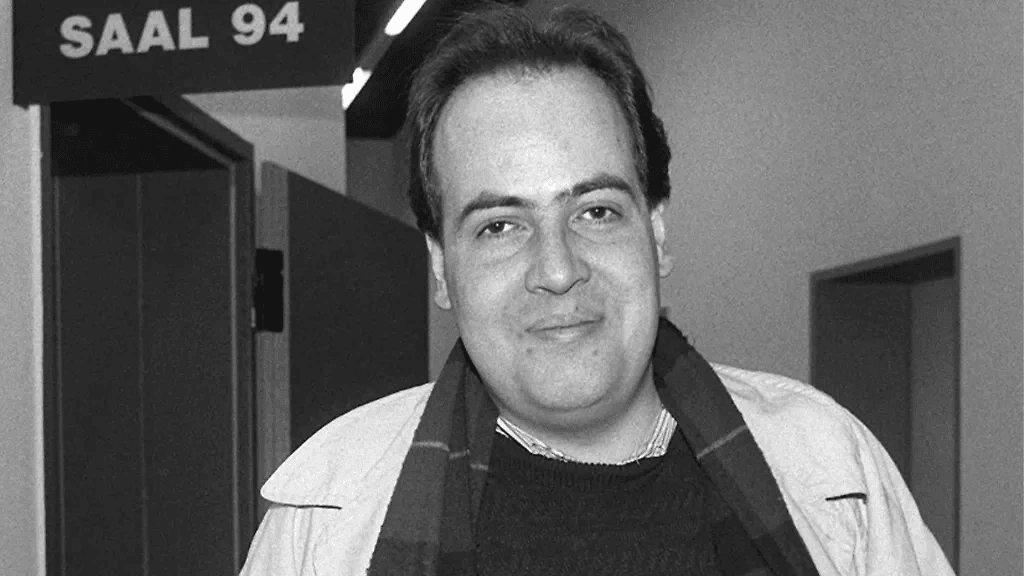
After hacking thirty servers and downloading onto floppy disks a whole collection of files containing words like ICBN and Nuclear, the plan moved on to the next phase. In early 1986, Peter “Pedro” Karl appeared on the porch of the Soviet trade mission in East Berlin – and, carefully pretending to be mysterious, announced that he had a certain business proposal. At first, they preferred not to contact him, assuming that the suspicious scoundrel from the Federal Republic of Germany was either a provocateur, or a particularly impudent novice “mole” for the CIA or BND, or simply a useless idiot.
However, a certain KGB officer, who introduced himself as Serge, after some time still tried to find out what they could offer for Soviet intelligence. He led the visitor to a special room protected from eavesdropping, and Pedro explained the essence of the proposal and proposed developing cooperation – but for no less than a million Deutsche Marks (about half a million US dollars at the then exchange rate).
The KGB, of course, was very interested in the contents of American computers in various interesting places – but until then it had been accessed by much more traditional methods of secret intelligence and bribery. At the same time, American counterintelligence officers had been afraid since the early 80s of hypothetical KGB and GRU hackers penetrating secret US networks, somewhat ahead of events. Serge from the Berlin branch of the KGB had a rather vague idea of computer networks – but he understood that the story was potentially interesting and promising. However, an unforeseen complication arose: he asked Pedro to explain the technical details in more detail so that he could pass them on to Soviet specialists who could evaluate the proposal.
But Pedro couldn’t do that – because, despite constantly hanging out with hackers, he himself had a slightly better idea of hacking than Serge. After awkward attempts to explain, Pedro said that in a couple of days he would bring something more expressive and demonstrative. Serge wrote down Pedro’s passport details and said that at the checkpoints between West Berlin and the GDR he would be allowed through without checks.
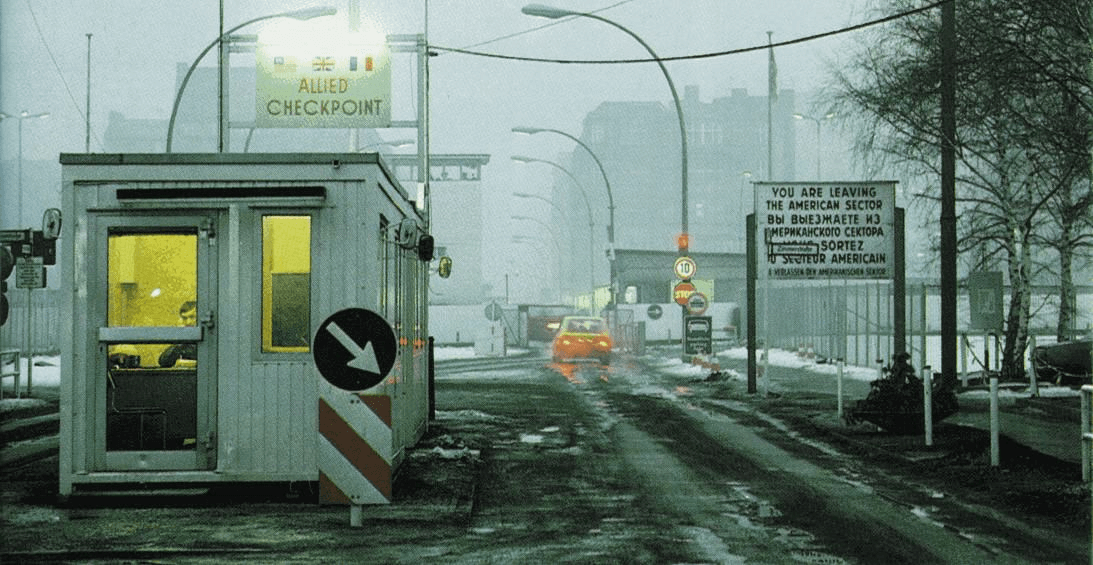
At the next appearance, Pedro brought Serge a list of servers in the United States that Karl and the company had studied, with indications of where data of potential interest to the USSR was located. Serge took the scheme for verification, but gave only 300 marks for it. And again insisted on the need for something more to talk about more serious sums. After some time and checking some of the materials downloaded by the hackers, he emphasized his readiness to deepen cooperation – and his main interest in what exactly needed to be found. However, it was more than obvious at that time. The KGB, like the leadership of the USSR in general, was extremely concerned about the SDI project, the Russian SOI, the “Strategic Defense Initiative”, also known to the press of that time as the “Star Wars program”.
It was announced by President Ronald Reagan in 1983 and envisaged the deployment of a tiered missile defense system in near-Earth space using the latest technologies at that time, such as combat lasers. If implemented, as the USSR feared and the US hoped, it could completely eliminate the threat of a Soviet nuclear attack on America, allowing it to shoot down almost all warheads of intercontinental ballistic missiles in flight. Accordingly, the US could pursue a much tougher international policy and put pressure on the USSR, remaining safe even in the event of a full-scale nuclear war.
The program was extremely expensive and ambitious, requiring a set of the most advanced technologies – in which the USSR had already noticeably fallen behind, and its economy was no longer easily able to cope with the support of the already huge military machine. Historians still argue about whether the SOI program was intended for implementation or was a grand deception designed to persuade the USSR either to overspend on defense or to sharply increase its compliance. It was never implemented – but in the mid-80s, SOI and especially its technological content were perhaps the main subject of interest of all Soviet intelligence services. Naturally, Karl and the company were offered to search the Internet and ARPAnet for materials related to it.
The second direction of the search was the extraction of source codes of operating systems and data on computer production. The process went. However, the details of the financial side of the matter are still not entirely clear. Some sources, including the memorial certificate about Karl Koch, compiled by his relatives and friends, indicate the first amount of 30,000 marks. Others, such as the fictionalized history of early hacking by John Markoff and Katya Hafner, tell of Serge slowly and sadly being paid several hundred marks.
The total amount the group received during their cooperation with the KGB is said to be 90,000 Deutsche Marks or 45,000 US dollars. The value and importance of the loot are also assessed controversially, ranging from “nothing really significant” to “many times more than the Soviets paid.” Initially, Pedro traveled to East Berlin alone, but after a while, Koch and Brzezinski began to accompany him for more expressive and technical explanations.
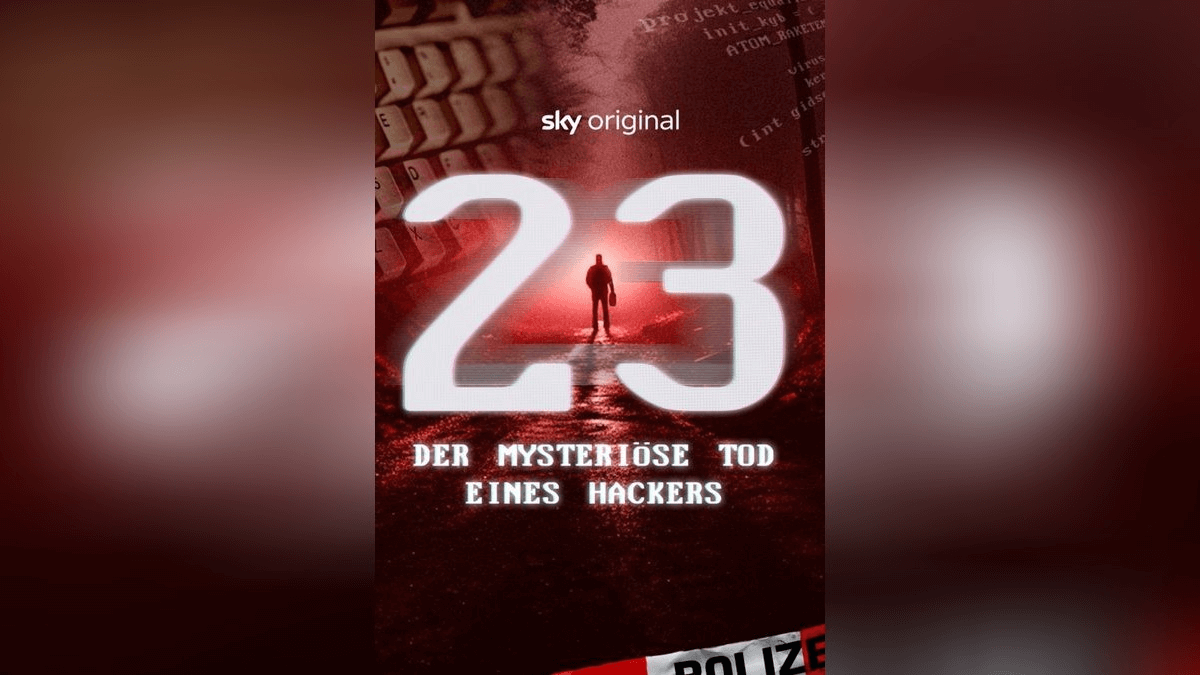
Later, it will be written that traces of illegal penetrations were noted on very different servers in the USA and abroad: Hanover hackers (USEUCOM), the base of intercontinental strategic missiles in Alabama (!), one of the CIA information centers, the artificial intelligence laboratory of the Massachusetts Institute of Technology, the jet propulsion laboratory in Pasadena. The hacks took place at the US Air Force base in Ramstein and at the US Army logistics center in Zeckenheim in Germany, at the US Army communications center at Fort Buckner in Okinawa, Japan, at the base of the 24th division of the US Army in Fort Stewart in Georgia, in the computer center.
Other sources, however, cast doubt on such a sinister list – and believe that part of it was inflated by journalists, and part was compiled by American security forces, who hoped to show the hackers from Germany as a lesson to others. At the extreme end, there is an assumption that Koch and company simply deceived the KGB, taking advantage of the computer illiteracy of the Soviet intelligence services and leaking them open data and open code under the guise of hard-earned secret information – but this is still unlikely. Because the scandal will flare up after some time, very serious.
Neither Karl Koch nor his colleagues knew that they had not gone unnoticed. Already in August 1986, when the Hanover Five were still preparing the initial data for the KGB proposal, traces of their hacks were accidentally noticed by one of the employees of the University of California at Berkeley. The corrosive computer scientist decided to figure out what a hacker who visits laboratory servers as if they were his own home was trying to do. This began the hunt for the first hackers in the service of the KGB – the course and conclusion of which we will tell in the second part.