
20.07.2026
14 min
282



Mainframes laid the foundation for today’s IT industry, pioneering centralized computing, data centers, and cloud services. Discover how they emerged, evolved over the decades, and why they remain essential for banks, government institutions, and some of the world’s largest enterprises today.
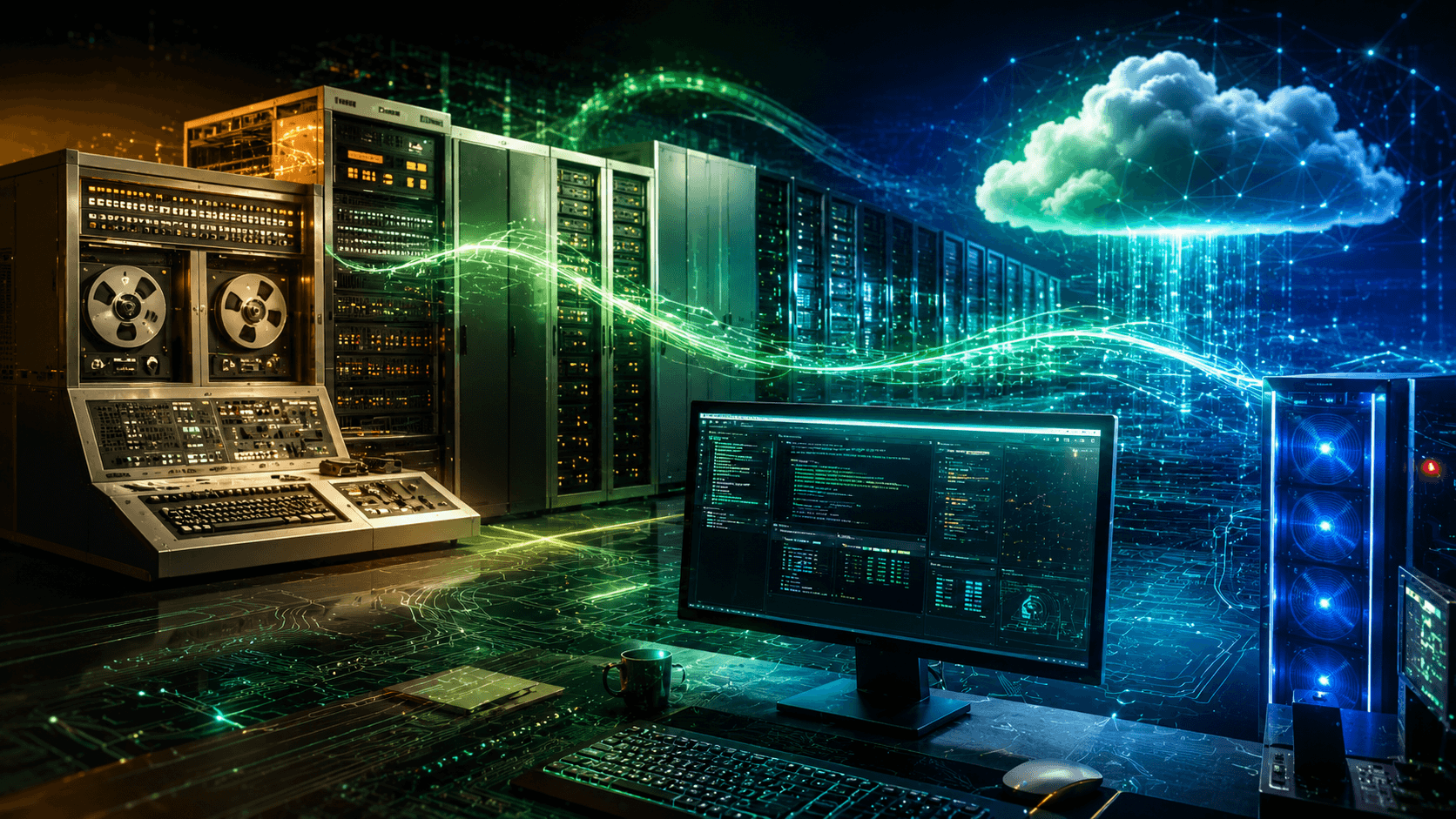
When people think about computers today, they usually picture a laptop, desktop PC, or smartphone. Long before these devices existed, however, the world of information technology revolved around something entirely different: mainframes. These massive computer systems filled entire rooms, required specialized cooling, and were so expensive that only the largest corporations, universities, and government institutions could afford them. Yet these machines became the foundation of the digital revolution decades before personal computers appeared.
Unlike the computers we use today, mainframes were never designed for a single user. Their primary purpose was to serve hundreds—and eventually thousands—of people simultaneously through a single centralized system. At the time, this represented a major technological breakthrough. Organizations no longer had to perform complex calculations manually or rely on multiple independent machines for different tasks. A single mainframe could manage accounting records, store enormous amounts of data, process financial transactions, and perform scientific calculations all at once.
Perhaps even more importantly, mainframes were the first computers to make large-scale computing truly versatile. Earlier electronic computers were often built for a specific customer or even a single project. Mainframes introduced a general-purpose computing platform capable of handling a wide variety of workloads. This dramatically accelerated progress in business, scientific research, and government information systems. The concept of centralized data processing that emerged with mainframes ultimately became the foundation of today’s data centers and cloud computing services.
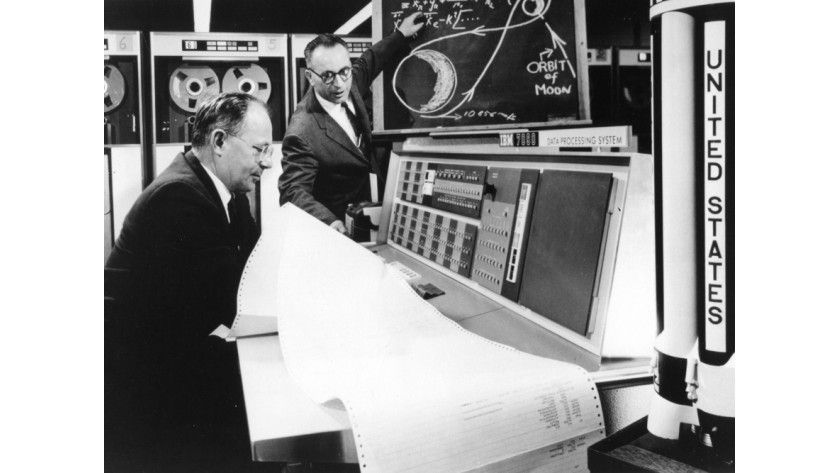
One of the defining features of mainframes was their centralized architecture. Unlike today’s personal computers, which perform all processing locally, a mainframe acted as the single computing “brain” for the entire organization. Employees accessed it through dedicated terminals that typically had no processor, hard drive, or local storage of their own. Their only job was to send user input to the mainframe and display the results on the screen. In practice, all the heavy computing took place in one central location, while users simply interacted with the finished output.
This approach made system administration far more efficient. Installing new software, deploying updates, or fixing bugs no longer required technicians to visit dozens or even hundreds of individual workstations. Administrators only had to update the mainframe itself, and the changes immediately became available to every connected user. Since all data remained on the central system, the risk of information loss or corruption was also significantly lower than with files stored across multiple independent computers.
Interestingly, this model never truly disappeared. Many of today’s cloud services, virtual desktop environments, and enterprise platforms rely on the same fundamental principle. When someone edits a document in a web browser or uses a Software-as-a-Service (SaaS) application, most of the processing takes place on remote servers rather than on the user’s own device. In many ways, modern cloud computing has brought the industry back to concepts that mainframes introduced decades ago.
The high cost of a mainframe extended far beyond the hardware itself. Purchasing one meant investing in an entire computing infrastructure. Organizations needed dedicated server rooms, powerful cooling systems, stable electrical power, backup generators, and teams of engineers responsible for monitoring and maintaining the equipment. Even transporting and installing a mainframe was often a major engineering project in its own right.
As a result, only the world’s largest organizations could justify such an investment. Banks, insurance companies, airlines, government agencies, universities, and major industrial enterprises were among the primary customers. For these organizations, a mainframe was not a luxury but a business necessity. It automated processes that had previously required hundreds of employees and dramatically reduced the time needed to complete critical operations. Although the upfront investment was substantial, the long-term gains in efficiency, reliability, and productivity often outweighed the initial costs.
Another reason for their premium price was their exceptional reliability. Mainframes were engineered to operate continuously for years with minimal interruption. Critical hardware components were duplicated so that if one failed, the system could automatically switch to a backup without disrupting ongoing operations. This level of fault tolerance made mainframes indispensable for banks, government databases, airline reservation systems, and other mission-critical environments where even a few minutes of downtime could result in significant financial losses or operational disruption.
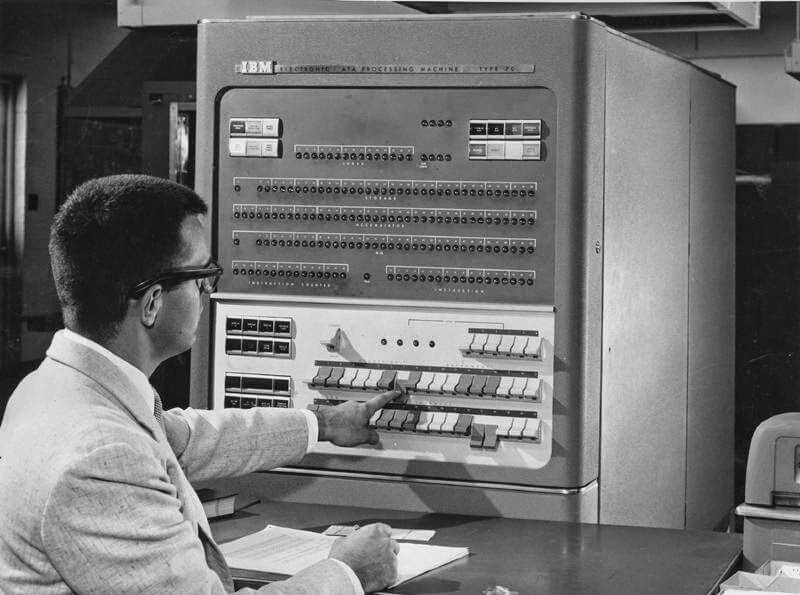
Despite their revolutionary capabilities, early mainframes had one major drawback that seems surprising by today’s standards. Nearly every manufacturer built its own proprietary ecosystem with little or no compatibility with competing systems. Each vendor used its own processors, operating systems, data formats, programming languages, and even peripheral devices. As a result, if an organization decided to switch to another manufacturer’s hardware, it often had to rewrite most of its software from scratch.
This left many organizations effectively locked into a single vendor’s platform. They continued purchasing equipment from the same manufacturer for years because a complete migration often cost more than maintaining their existing infrastructure. Even moving databases or business applications required months of planning, testing, and staff training. For large banks and government agencies, such transitions were so complex that they were often scheduled years in advance.
Over time, this challenge forced the industry to rethink its approach. Computer manufacturers gradually began moving toward standardized architectures, making compatibility a key design priority. That shift paved the way for a breakthrough that would permanently reshape the mainframe industry.
In 1964, IBM introduced the System/360 family of mainframes, a platform widely regarded by computer historians as one of the most important technological breakthroughs of the twentieth century. Its core idea was remarkably simple: instead of offering dozens of incompatible systems, IBM created a unified architecture with models of varying performance and price. Regardless of their size or processing power, these systems shared the same fundamental architecture, allowing software to run across different models without being completely rewritten.
For businesses, this was a game-changing innovation. Organizations no longer had to replace their entire computing environment whenever they needed more processing power. They could start with a smaller System/360 model and later upgrade to a more powerful one while preserving most of their existing software and data. This significantly reduced upgrade costs and made long-term IT planning far more predictable.
The success of System/360 was so profound that it shaped the future of enterprise computing for decades. Many of the architectural concepts introduced by IBM in the mid-1960s evolved alongside later generations of mainframes and continue to influence modern systems today. System/360 demonstrated that the future of computing depended not only on greater performance but also on compatibility, scalability, and the ability to expand existing systems without starting over.
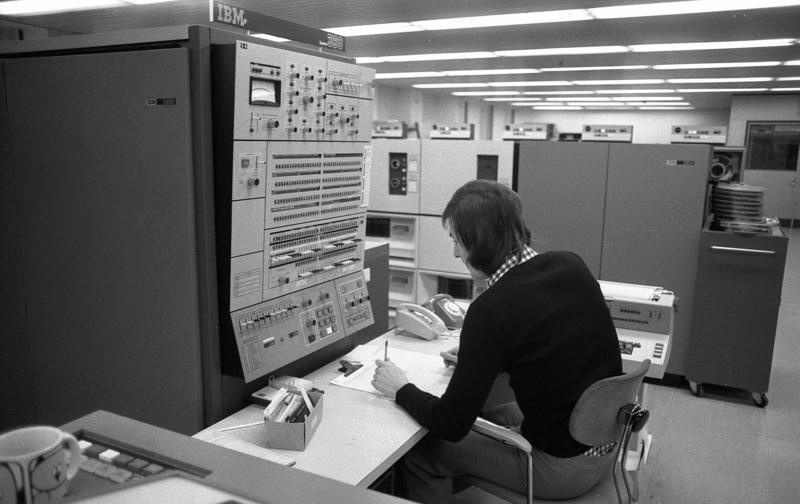
Although IBM eventually emerged as the undisputed leader of the mainframe industry, it was far from the only company developing these powerful systems. Over the years, manufacturers such as Burroughs, UNIVAC, Honeywell, Control Data Corporation (CDC), NCR, Siemens, Fujitsu, and many others introduced their own mainframe platforms. Each pursued a different strategy: some focused on high-performance scientific computing, others emphasized reliability, while some specialized in solutions for governments, financial institutions, or large industrial organizations.
Competition among these companies drove the rapid advancement of the entire industry. Manufacturers continually improved processor performance, expanded memory capacity, developed more sophisticated operating systems, and introduced increasingly advanced storage technologies. Over time, however, IBM’s advantage became more difficult to challenge. With the introduction of System/360, IBM delivered something the market had long been missing: a unified, scalable ecosystem. Many competitors struggled to adapt to this new approach and were eventually forced to leave the market or were acquired by larger companies.
Even so, the contributions of these manufacturers should not be overlooked. Their rivalry pushed the entire industry to innovate, explore new engineering solutions, and continuously improve the quality and capabilities of enterprise computing systems. Without that competition, the evolution of mainframes would almost certainly have progressed much more slowly.
The earliest mainframes were designed as general-purpose computers capable of handling almost any computational task. As the needs of businesses, governments, and scientific institutions expanded, however, their role began to evolve. Some systems were optimized for managing enormous databases, others for processing financial transactions, running statistical analyses, or controlling large-scale industrial operations. Gradually, mainframes ceased to be simply large computers and became highly specialized platforms engineered to deliver maximum efficiency for mission-critical workloads.
Software evolved alongside the hardware. Modern operating systems introduced advanced virtualization, workload balancing, and technologies that allowed multiple isolated computing environments to run simultaneously on a single physical machine. In effect, one mainframe could function as dozens—or even hundreds—of independent servers, each dedicated to a different task. For large enterprises, this meant lower hardware costs, improved resource utilization, and far simpler system administration.
Despite the rapid rise of conventional servers, mainframes never disappeared. Instead, they found a more focused role in the computing landscape. Today they are deployed where exceptional performance, near-continuous availability, and the ability to process millions of transactions without interruption are essential. That specialization has allowed mainframes to remain a critical part of enterprise IT infrastructure well into the twenty-first century.
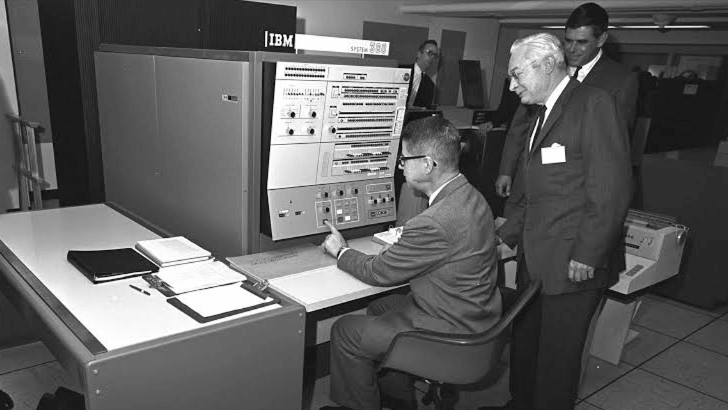
The impact of mainframes on the modern world is difficult to overstate. They became the foundation of digital transformation long before the term “digital transformation” even existed. Banks gained the ability to process thousands of financial transactions automatically, airlines introduced computerized reservation systems, universities dramatically accelerated complex scientific research, and government agencies began converting vast archives into digital records. Tasks that once required weeks—or even months—of manual effort could suddenly be completed in minutes.
Just as importantly, mainframes established the concept of centralized data storage and processing. Instead of maintaining dozens of disconnected systems, organizations began relying on unified databases that made information easier to manage, more consistent, and far more secure. Many practices that are now considered standard—including user access controls, backup strategies, event logging, and continuous system monitoring—originated during the mainframe era. In many respects, the foundations of modern cybersecurity and enterprise IT governance were laid by these early systems.
Mainframes also transformed the way organizations made decisions. Businesses increasingly relied on data rather than intuition or experience alone, marking the beginning of data-driven management. That shift eventually paved the way for business intelligence, big data analytics, and artificial intelligence—technologies that are now central to the operations of nearly every major enterprise.
At first glance, it might seem that the age of mainframes ended long ago. Modern servers, cloud platforms, and distributed computing systems are capable of handling an enormous range of workloads. In practice, however, many of the world’s largest banks, insurance companies, government agencies, and airlines continue to depend on mainframes. The reason is straightforward: when critical systems and sensitive data are involved, reliability and predictability matter far more than adopting the latest technology.
Modern mainframes are capable of processing enormous transaction volumes around the clock without sacrificing performance, even under extreme workloads. For a bank, that may mean millions of financial transactions every day. For an airline, it involves managing ticket reservations across the globe. For government agencies, it means maintaining large national databases that must remain continuously available. Even a few minutes of downtime can result in millions of dollars in losses or disrupt essential public services, which is why many organizations continue to rely on these proven platforms.
Today’s mainframes, however, are very different from the room-sized machines of the past. They are more compact, far more energy-efficient, and significantly more flexible. Modern systems support Linux, virtualization technologies, containers, and seamless integration with cloud environments. Rather than existing in isolation, they have become an integral part of contemporary enterprise IT infrastructures, handling the mission-critical workloads where reliability, security, and continuous availability remain the highest priorities.
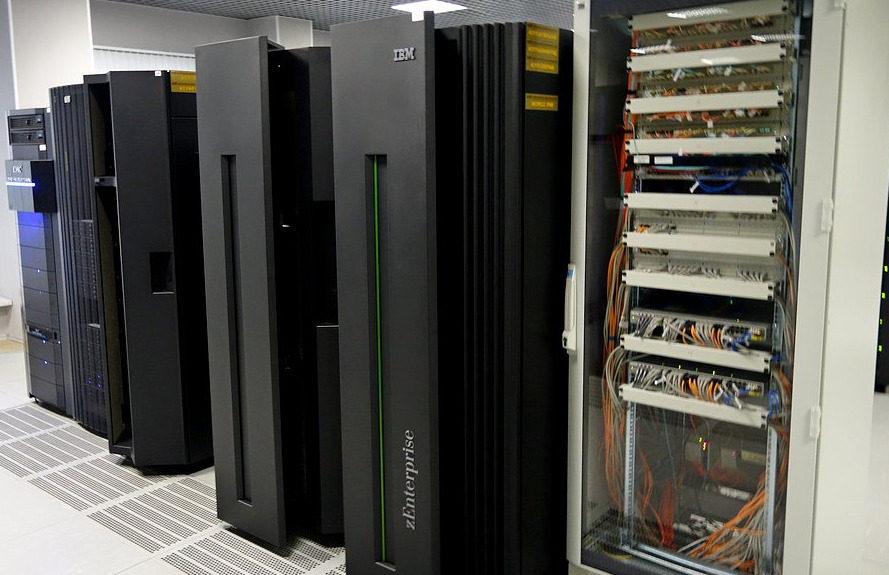
At first glance, today’s data centers may seem to have little in common with the mainframes of the past. In reality, they share far more than most people realize. The core principle remains the same: critical computing tasks are performed centrally, while users access applications and resources over a network. What has changed is the scale, architecture, and technological sophistication of the infrastructure.
Decades ago, a single powerful mainframe served hundreds of users at once. Today, those same workloads are distributed across thousands of servers operating in data centers around the world. From the user’s perspective, however, the experience is remarkably similar. Whether you’re checking your online banking account, reading email, streaming video, or interacting with an AI-powered service, your device is often acting as little more than an interface. Behind the scenes, a vast infrastructure automatically distributes workloads across countless servers—bringing the same centralized computing concept pioneered by mainframes into the cloud era.
Interestingly, mainframes never disappeared with the rise of cloud computing. In many organizations, the two technologies work side by side. Mission-critical databases, core banking platforms, and government record systems continue to run on mainframes, while websites, mobile applications, and customer-facing services operate in the cloud. This hybrid approach allows organizations to combine the flexibility and scalability of modern cloud platforms with the exceptional reliability, security, and stability that mainframes have demonstrated for decades.
Mainframes represent one of the most significant milestones in the history of computing. They proved that computers could be far more than machines for isolated calculations—they could become the technological foundation of businesses, government institutions, and scientific research. Many technologies that are now considered standard, from centralized databases to remote access and enterprise computing, first gained widespread adoption through mainframe systems.
Although the concept dates back more than half a century, mainframes remain highly relevant today. They continue to power the core operations of banks, airlines, government agencies, and multinational corporations where reliability, security, and continuous availability are non-negotiable. Their legacy, however, extends well beyond the hardware itself. The architectural principles, centralized computing models, and data management concepts developed during the mainframe era laid the groundwork for today’s data centers, cloud computing platforms, and the digital infrastructure that underpins the modern world.