19.01.2024
2 min
2721



Cybersecurity is often associated with technology, sophisticated tools, and high-profile incidents, but behind every attack stopped is the work of real people. This article examines an underappreciated but extremely important aspect of digital protection — the psychological strain, stressors, and conditions experienced by professionals who defend against modern threats every day. The article helps to better understand how hidden pressures arise in security teams, why this profession requires not only technical skills but also resilience, and what helps professionals remain effective in conditions of constant stress.
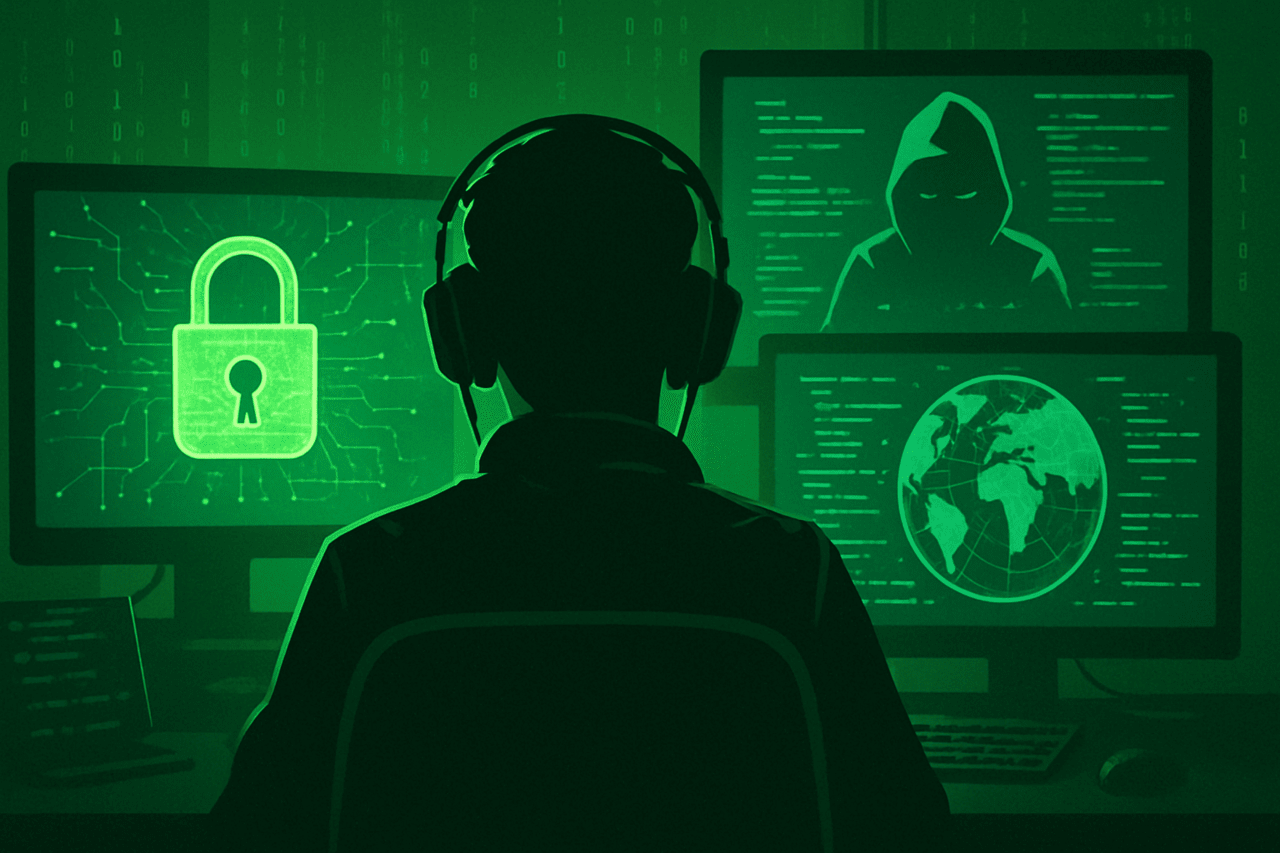
Cybersecurity is usually talked about in technical terms: malicious code, hacked accounts, large-scale campaigns, botnets. But behind all these processes are those who take responsibility every day to keep the world from serious consequences. People who work in the shadows do not advertise their victories and almost never talk about the price they are paid.
In this field, every day is like standing guard at a door that never closes. The tension is always there — even when everything seems calm. And it is this invisible part of the job that forms the true value of the profession.
Among the many incidents the researchers had to deal with was one that changed the idea of the limits of professional endurance. VPNFilter, a sophisticated malware platform for infecting SOHO devices, was an example of how a single campaign could turn a team’s work into a marathon without an end point.
The platform was impressive in its level of thoughtfulness: resistance to reboots, modules for expanding capabilities, tools for destroying data on the device. This was not a simple threat — this was an attack that could change, adapt, and wait.
The researchers worked with it as if they were touching a mechanism with a hidden trap. Every fragment analyzed, every suspicious packet, every opportunity for error created pressure that went far beyond the limits of a normal technical task. It was important not only to find a solution, but also to prevent movement that could activate something much worse.
And it was then that it became clear: the threat affects not only infrastructures — it affects people.

Inside the teams working on the front lines of cybersecurity, fortunes are quietly accumulating.
First, the long shifts.
Then, the reduced sleep.
Then, the constant feeling of having to be available even at night.
And one day, the tension becomes so stable that it seems like background noise, without which work cannot exist. Teams begin to lose their internal balance: experienced specialists react sharply, beginners work on the verge of fear of making a mistake, conflicts arise where there were none before.
These are the processes that are almost invisible from the outside.
To the outside world, everything looks relatively calm: the threat has been investigated, the infrastructure is protected, the systems are working.
But inside the teams, there is a completely different feeling – exhaustion, which is imposed on everyone who is in a state of readiness for unforeseen events for a long time.

In cybersecurity, newcomers are often told about exciting moments — about the discovery of complex tools, the exposure of unknown botnets, and large-scale incidents. But this picture is missing important details:
long-term stress that builds up unnoticed;
nights when monitoring doesn’t allow you to look away from the screen;
the feeling that the responsibility is too great;
emotional consequences that don’t go away even after the incident is over;
relationships that are destroyed by constant rush hours;
moments when even a vacation doesn’t help you fully recover.
These things are rarely mentioned in training programs or at conferences, but they are what form what is called the “back side of the profession.”

Boundaries that should be real: You need to have a time when work systems are closed and all notifications are turned off. This is not weakness or negligence – it is a necessary practice, without which the profession quickly destroys the resource.
Support among those who understand: Communication with colleagues, communities, therapeutic help – all this creates an environment where people are not afraid to share their condition and ask for a break. In a field where the pressure is always high, support is one of the main tools for survival.
Life beyond the screen: Physical activity, creativity, hobbies – anything that helps the brain switch from constant information processing mode to recovery mode.
Time for recovery: After major incidents, the team should be able to take a break. This is not a bonus, but a common necessity, without which the risk of mistakes and long-term burnout increases.
Despite all the tools, systems, and algorithms, people remain the backbone of digital defense. Their ability to withstand pressure, work together, make difficult decisions, and maintain their humanity is what the entire infrastructure is built on. So the main rule of cybersecurity is simple. Threats may be endless, but human resources are not. And that’s why taking care of yourself and your teams is the most critical part of the job.