
20.09.2025
9 min
880



The article reveals the story of Vladimir Yevtushenkov, one of the most influential Russian oligarchs, the founder of the holding company Sistema, who created a whole network of companies from telecommunications to the production of drones. You will learn how, through a bank in Luxembourg, offshores in Cyprus, real estate in France and subsidiaries in Ukraine, Yevtushenkov kept billions of assets, despite the sanctions of the UK and the EU. The material analyzes documents, open registers and OSINT sources that show how the modern empire of Sistema functions – a shadowy but extremely influential part of the Russian economy. This is not just a business portrait, but a detailed investigation of a global financial scheme.
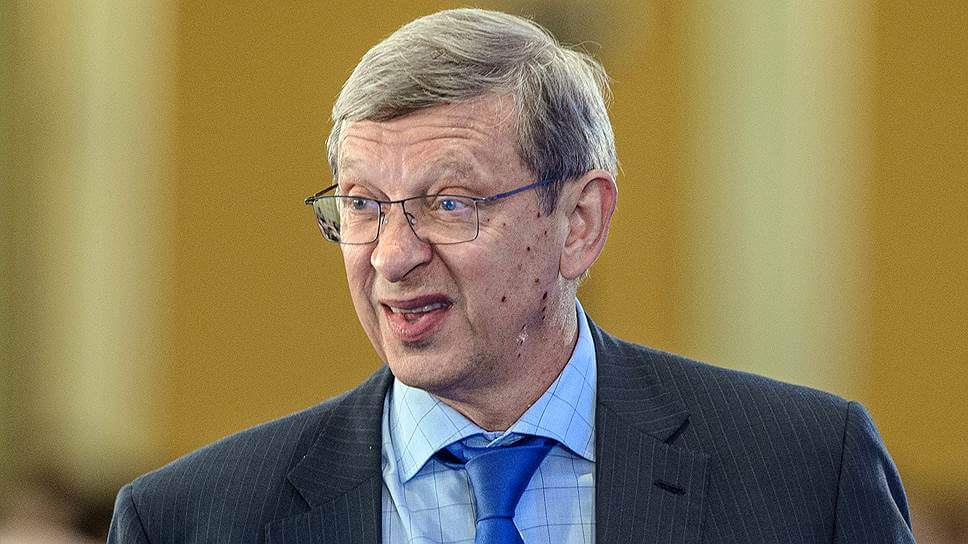
Vladimir Yevtushenkov is one of those figures in Russian business whose history very accurately reflects the evolution of the entire post-Soviet economy. He was born in a small village in the Smolensk region, into a family far from politics or big business. His path began like that of hundreds of engineers of the Soviet era — studying at the Moscow Institute of Chemical Technology, working in production, and gradually making a career in industry. But the real leap forward came in the 1990s, when Yevtushenkov took advantage of the large-scale privatization of state-owned enterprises and founded AFK Sistema — a holding company that was to unite financial, industrial, and telecommunications assets under a single management.
Under the management of AFK Sistema, dozens of key companies that form the backbone of the Russian economy are gathered. They work in various industries – from medicine to drones, from telecommunications to construction. The holding looks like a collection of separate businesses, but in fact it is a single mechanism where each element reinforces the other. It is thanks to this structure that Sistema was able to withstand political crises, market falls and even international sanctions. Yevtushenkov created a model in which economic power is closely intertwined with state power, and profit with political influence.
To better understand the scale of this business empire, it is worth considering the main areas that determine its economic power and influence:
Медицина («Медсі»): приватна мережа клінік, яка обслуговує державні програми охорони здоров’я, включно з військовими та урядовими замовленнями.
Промисловість (Segezha Group): деревообробні комбінати, виробництво фанери, паперу й упаковки; компанія активно експортує до ЄС попри санкційні ризики.
Девелопмент (Etalon Group): будівництво житлових і комерційних комплексів у Москві, Петербурзі, Сочі; діяльність пов’язана з муніципальними тендерами.
Фармацевтика (Біннофарм Груп): виробництво ліків, у тому числі для Міноборони РФ, що забезпечує стійкий дохід навіть у кризу.
Телеком і ІТ (Сітронікс): розробка обладнання для урядового зв’язку, супутникових систем і “розумних міст”.
Інновації (Аеромакс): дрони, аерофотозйомка, технології моніторингу, частково залучені у військові проекти.
Фінанси (Система Капітал): інвестиційні фонди, що акумулюють прибуток і перерозподіляють кошти між галузями.
Thus, Sistema is not just a holding company, but a complex economic mechanism that combines private interest and state support, allowing Yevtushenkov to maintain control over key sectors of the Russian economy.
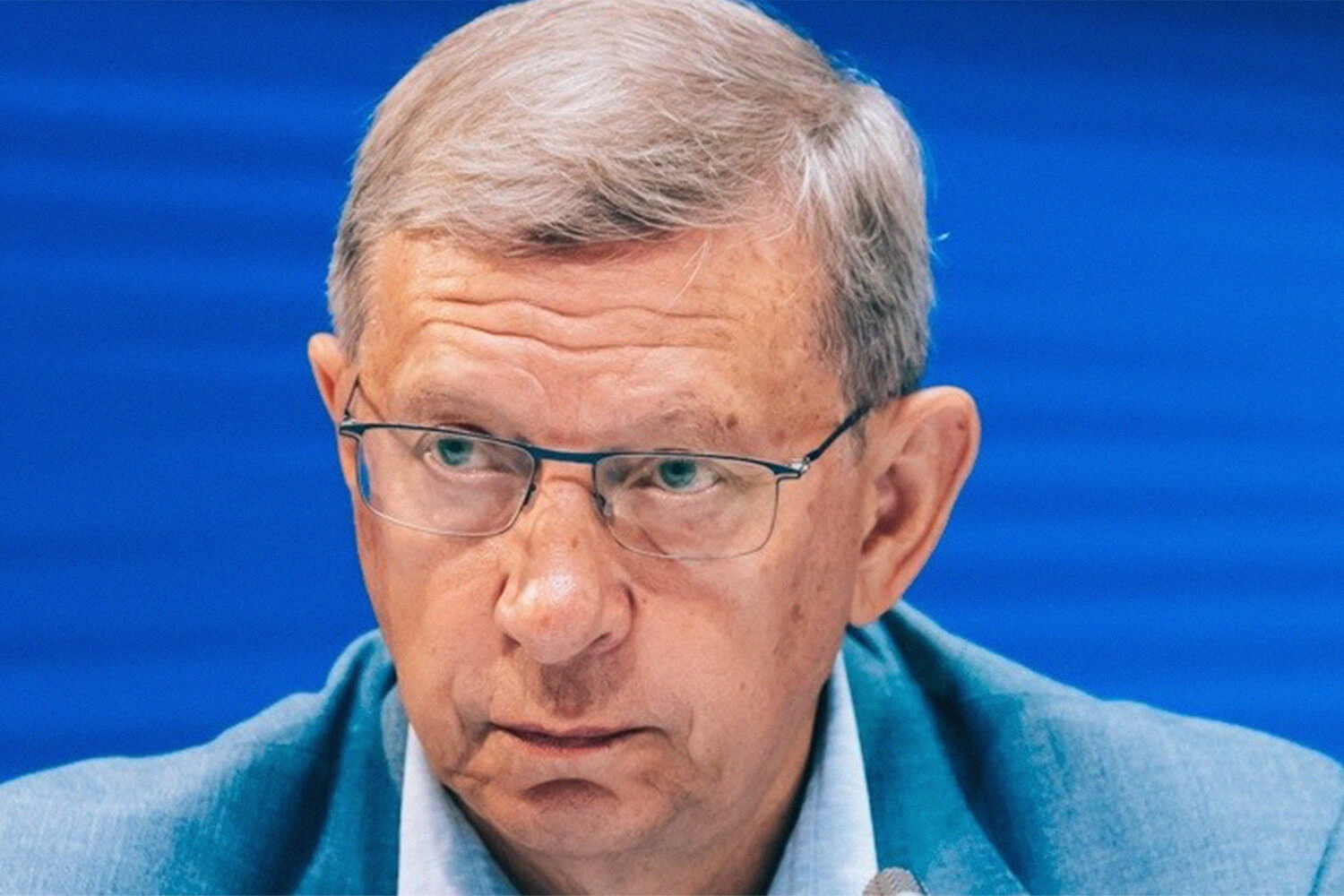
Another important element of Yevtushenkov’s empire is East West United Bank (EWUB) in Luxembourg. It is this bank that has become the “heart” of Sistema’s financial system outside of Russia. All key international transactions are processed through it, and the institution itself actually functions as a financial umbrella for the holding. EWUB creates a channel for access to European capital markets when other banks refuse due to sanctions risks.
The role of the bank goes far beyond ordinary financial services, as it performs several strategic tasks:
Міжнародні перекази: забезпечення руху коштів між філіями «Системи» у ЄС, Великій Британії та СНД, що дозволяє мінімізувати ризики блокування платежів.
Фінансування нерухомості: через структури SCI Kristine, SCI Petr, SCI UMBTO банк інвестує у французьку нерухомість, використовуючи її як інструмент збереження капіталу.
Політичне лобіювання: у складі ради директорів перебували колишні урядовці Люксембургу, що підвищувало вплив банку на місцевому рівні.
Інвестиційна діяльність: EWUB управляє активами в облігаціях, цінних паперах і приватних фондах, створюючи альтернативні канали прибутку.
Обслуговування афілійованих компаній: через банк проходять дивіденди «Системи» та прибутки від дочірніх структур, що маскує справжніх бенефіціарів.
Фінансова безпека: завдяки європейській юрисдикції EWUB слугує “вікном у Європу” для російського капіталу навіть після санкцій.
Кредитування інвестиційних фондів: участь у фінансуванні кіпрських та нідерландських компаній, пов’язаних із Etalon Group та Segezha.
EWUB does not just serve the holding companies – it has become a central hub through which Sistema controls capital flows, ensuring financial invisibility and stability in the face of sanctions.
Yevtushenkov’s story is also a story of conflicts between big business and political power. The most striking episode is the Bashneft case, which became a turning point in his career. In 2014, the businessman was accused of illegally acquiring assets and was temporarily suspended from managing the holding. However, the case ended without a verdict, and Yevtushenkov himself avoided prison time by paying a huge compensation.
This incident showed how the interaction between business and the state in Russia is arranged. To understand the scale of the pressure, it is worth highlighting the key features of this story:
Політична залежність: будь-який олігарх у Росії залишається заручником системи, де влада вирішує, кого карати, а кого захищати.
Механізм тиску: суди, прокуратура й силові структури використовуються як важелі перерозподілу власності.
Публічна демонстрація: кейс Євтушенкова мав показати іншим бізнесменам, що “незалежність” у Росії умовна.
Фінансова поступка: «Система» заплатила понад 100 млрд рублів, щоб уникнути глибшого розгрому.
Репутаційний удар: арешт і публічне приниження, що змусило його відійти в тінь і діяти тихіше.
Виживання через адаптацію: після конфлікту холдинг перебудувався, мінімізував ризики, але зберіг реальний вплив.
Передача контролю родині: пізніше частину акцій було формально переписано на сина для обходу санкцій.
Yevtushenkov not only survived, but also used the crisis as an opportunity to modernize the empire, transforming the “System” into a flexible structure that was resistant to political pressure.
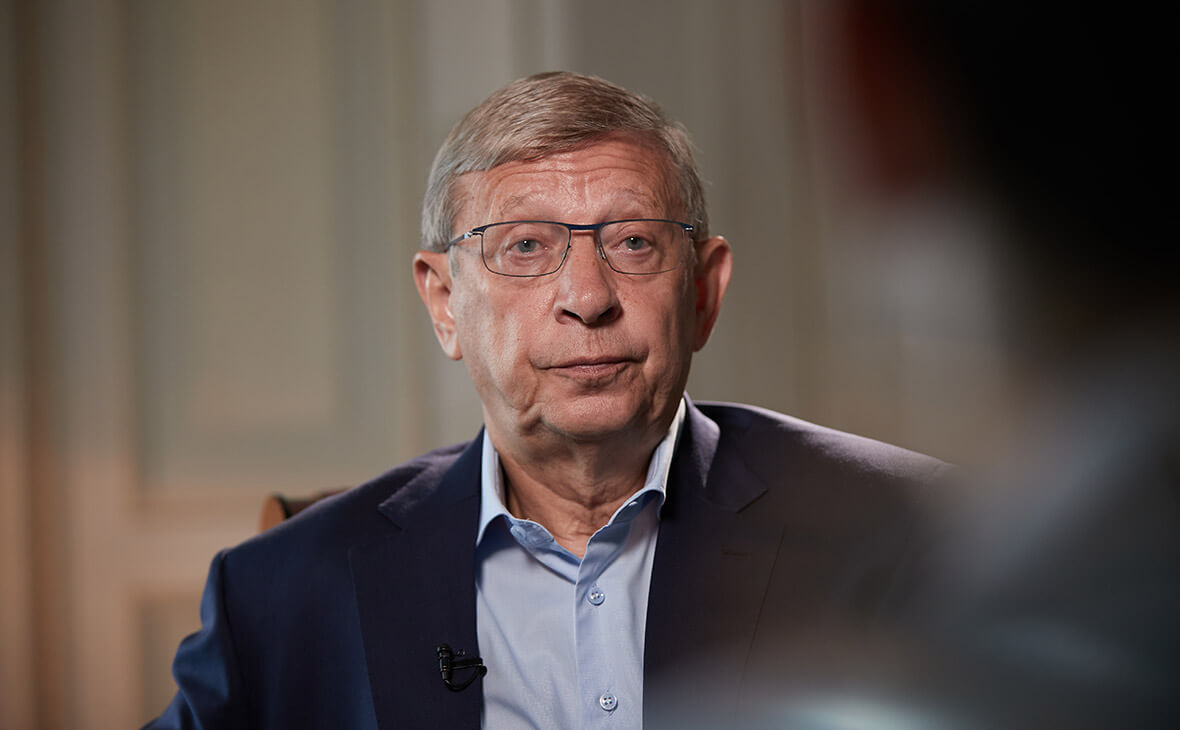
Ukraine plays a much larger role in Yevtushenkov’s business schemes than it might seem at first glance. Long before 2014, he was actively developing his assets in the Ukrainian market through telecommunications and IT companies. After the war and increased regulatory control, his influence became less visible, but it did not disappear – it simply took on a shadowy form. Through a series of shell companies, reorganized offshores, and joint ventures, Russian capital continued to exist in the infrastructure of Ukrainian communications.
To understand the scale of this presence, let’s consider the key aspects of Yevtushenkov’s activities in Ukraine:
Vodafone Україна: формально продана інвесторам із Азербайджану, але юридичні нитки ведуть до МТС і, зрештою, до «Системи».
Sitronics Telecom Solutions: компанія-розробник, що брала участь у тендерах українських операторів навіть після 2014 року.
Українські реєстри (YouControl, Opendatabot): у базах досі є записи про компанії, пов’язані з «Системою» через офшори.
Судові рішення: у матеріалах господарських судів згадуються підприємства з кодами ЄДРПОУ 14333937, 36076341, 40909120.
Телеком-ланцюжки: частина субпідрядників продовжувала отримувати фінансування з російських джерел через кіпрські рахунки.
Реєстраційні маневри: після перевірок власників компаній часто міняли або ліквідовували, щоб замаскувати походження капіталу.
Тіньова присутність: навіть сьогодні окремі бренди зберігають технологічну або фінансову залежність від російських структур.
These facts show: Yevtushenkov’s empire did not leave Ukraine — it adapted. The legal chains became longer, but their center remained the same. This is a typical example of how Russian corporations “disguise” themselves as foreign assets in order to maintain access to strategic markets even during war.
Despite the high-profile scandals, Yevtushenkov has always remained “in a white suit”. To do this, he has spent years building the image of a cultural patron, philanthropist and “socially responsible businessman”. His holding company finances art, education, medicine, religion, creating the impression of a positive social contribution. This is not just PR – it is a consciously constructed survival strategy that allows him to remain influential even under international restrictions.
The main areas of activity in this area look like this:
Мистецтво: спонсорство Державного Російського музею, участь у виставкових програмах, фінансування реставрацій.
Освіта: створення грантів для студентів технічних вишів, підтримка інноваційних хабів.
Медицина: через фонд «Система» фінансуються реабілітаційні центри, дитячі лікарні, програми профілактики.
Соціальні ініціативи: допомога малозабезпеченим родинам, ветеранам, благодійні марафони.
Культура: фінансування театральних і кінопроектів, участь у благодійних аукціонах.
Міжнародна репутація: через культурні партнерства намагається підтримувати імідж “прийнятного” російського бізнесу в Європі.
Релігійна підтримка: спонсорство відновлення храмів і православних фондів, що посилює зв’язки з владними колами.
Such activity creates the image of “soft power” — business that seems to stand outside politics, but in fact strengthens the system of state influence. This is an example of how philanthropy can become a tool of political legitimation.
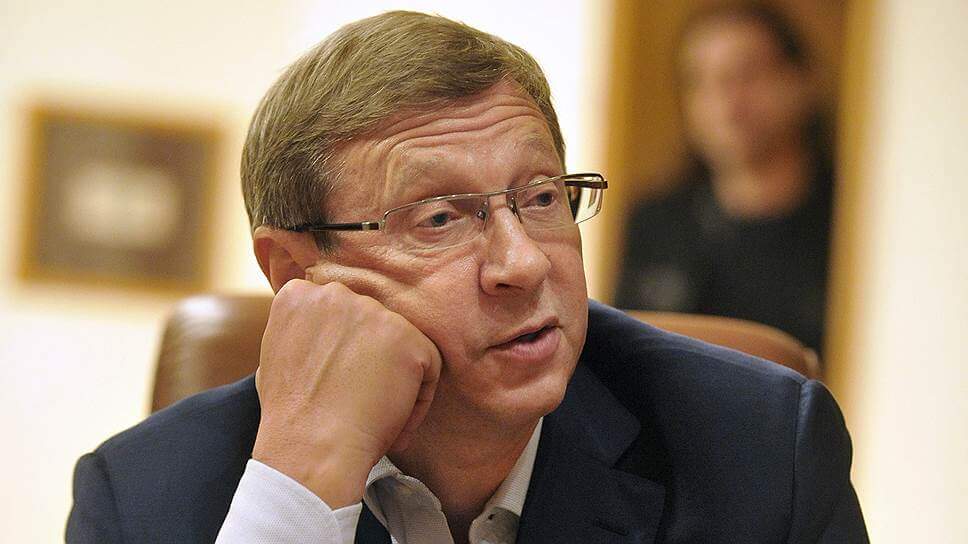
Yevtushenkov’s empire has a sprawling international structure. In each country, his assets perform a different function — from withdrawing profits to storing assets. Understanding this geography helps to see how deeply his “System” is integrated into the global economy. This is not just a business — it is a financial ecosystem, built on the principle of a spider’s web, where each thread leads to the center.
The main locations and their roles look like this:
Росія: ядро бізнесу — МТС, Segezha, Медсі, Сітронікс; вони забезпечують головний потік прибутків і контроль над стратегічними секторами.
Люксембург: через East West United Bank проводяться всі ключові міжнародні операції й обслуговуються активи у Європі.
Кіпр: головний офшорний майданчик, де реєструються компанії для мінімізації податків і передачі капіталу.
Нідерланди: інвестиційні структури на кшталт Baggio Holding BV, пов’язані з МТС.
Франція: компанії SCI Kristine, SCI Petr, SCI UMBTO володіють елітною нерухомістю на Лазуровому узбережжі.
Чехія: NVision CZ — IT-компанія, пов’язана із “Сітроніксом” і технологічними проєктами.
Україна: залишкові телеком-активи, що формально належать іншим власникам, але історично пов’язані з «Системою».
This structure is an example of financial mimicry: assets are distributed across different countries to reduce the risks of seizure or blocking. If one branch loses access to the market, another immediately picks up the financial flows. This explains why Sistema not only survived, but also retained control over billions of assets even after sanctions.
Vladimir Yevtushenkov is not just a Russian businessman, but a living example of how capital can adapt to any political conditions. His holding is a hybrid structure that combines state support, private gain and international mechanisms for evading sanctions. The Sistema empire has become a kind of “mirror” of modern Russia – centralized, shadowy, but surprisingly effective.
Despite pressure, scandals and international isolation, Yevtushenkov has managed to maintain control over his business and maintain influence over key economic sectors. His story is not just the story of one oligarch. It is a case study of an entire survival model in which finance, politics and culture work together, masking the true center of power behind a chain of companies and funds.