
26.12.2024
7 min
964



The investigation shows how Russian ships continue to sail with grain, bypassing international restrictions. Analysts track routes, vessel behavior and logistics, which helps to understand the scale of the problem and methods of concealing the origin of the cargo. The material reveals modern maritime traffic patterns, risks for the global market and the importance of transparency in the field of maritime transport.

The investigation revealed another Russian-flagged dry cargo ship, the Irtysh (IMO: 9664976), which, despite Western sanctions, continues to transport grain from the occupied Crimea to Houthi-controlled areas of Yemen.
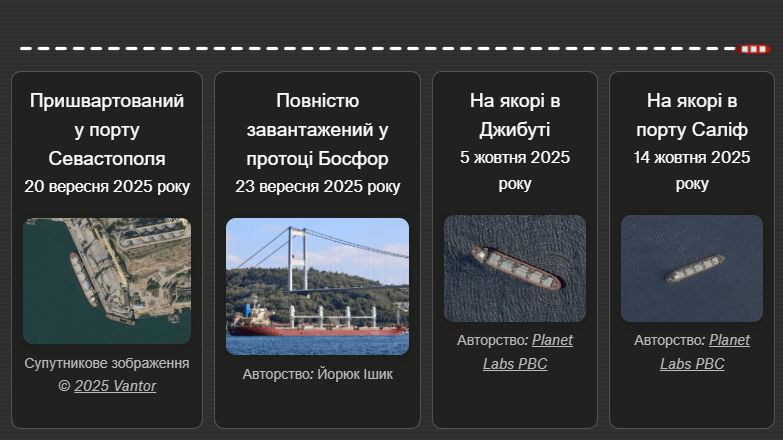
The vessel followed a familiar pattern: on its approach to Sevastopol and while leaving the port, it turned off its AIS tracking system, repeating the tactics of other ships involved in what Ukraine calls “grain theft.” After loading, the Irtysh made a mandatory stop in Djibouti for inspection by the United Nations Verification and Monitoring Mechanism (UNVIM), and then continued its voyage to the port of Salif in Yemen.
While most UN member states have repeatedly condemned Russia’s invasion of Ukraine, UNVIM itself explains that it has no authority to block shipments that violate regional or national sanctions. Its mandate is limited to verifying compliance with Security Council resolutions on Yemen.
Experts familiar with the work of this mechanism note that the situation in which grain cargoes from the occupied Ukrainian territories pass through the UN inspection system seems, to say the least, controversial.
During the analysis of the Irtysh route, which included AIS data and satellite observations, it was also possible to identify two other dry cargo ships that turned off their navigation systems during loading in Sevastopol: Matros Pozynych (IMO: 9573816) and Zafar (IMO: 9720263).
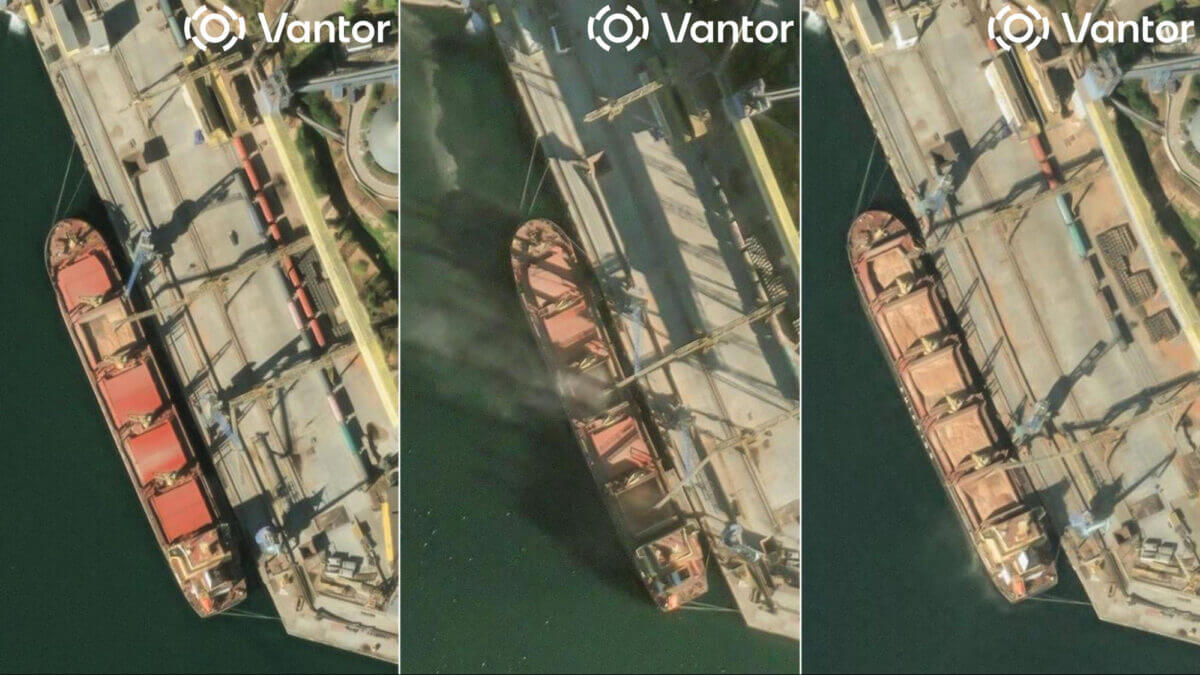
With its red paint fully visible, the vessel appeared to be carrying very little cargo.
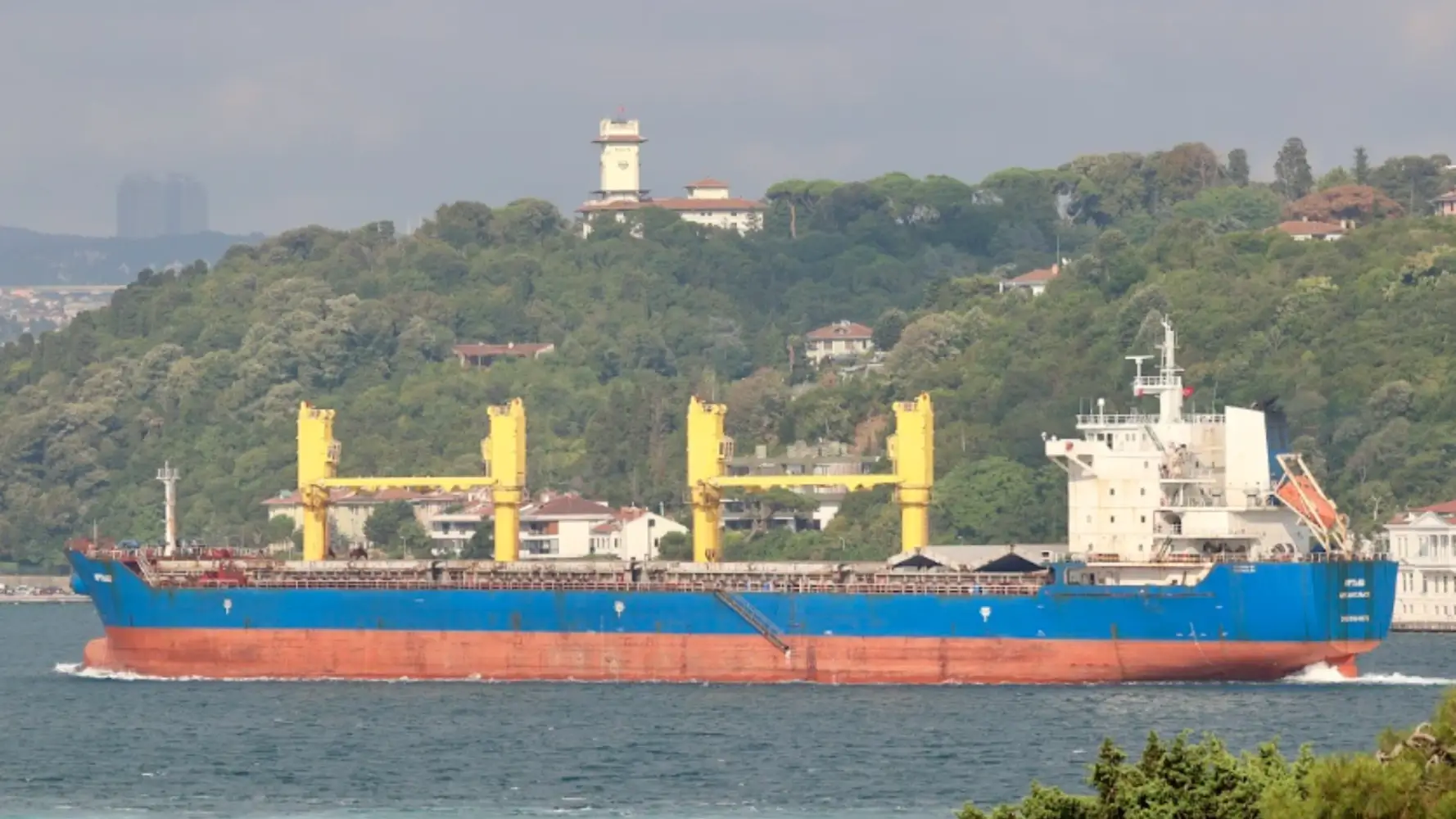
Irtysh has gone out – a two-week break in AIS operation has begun.
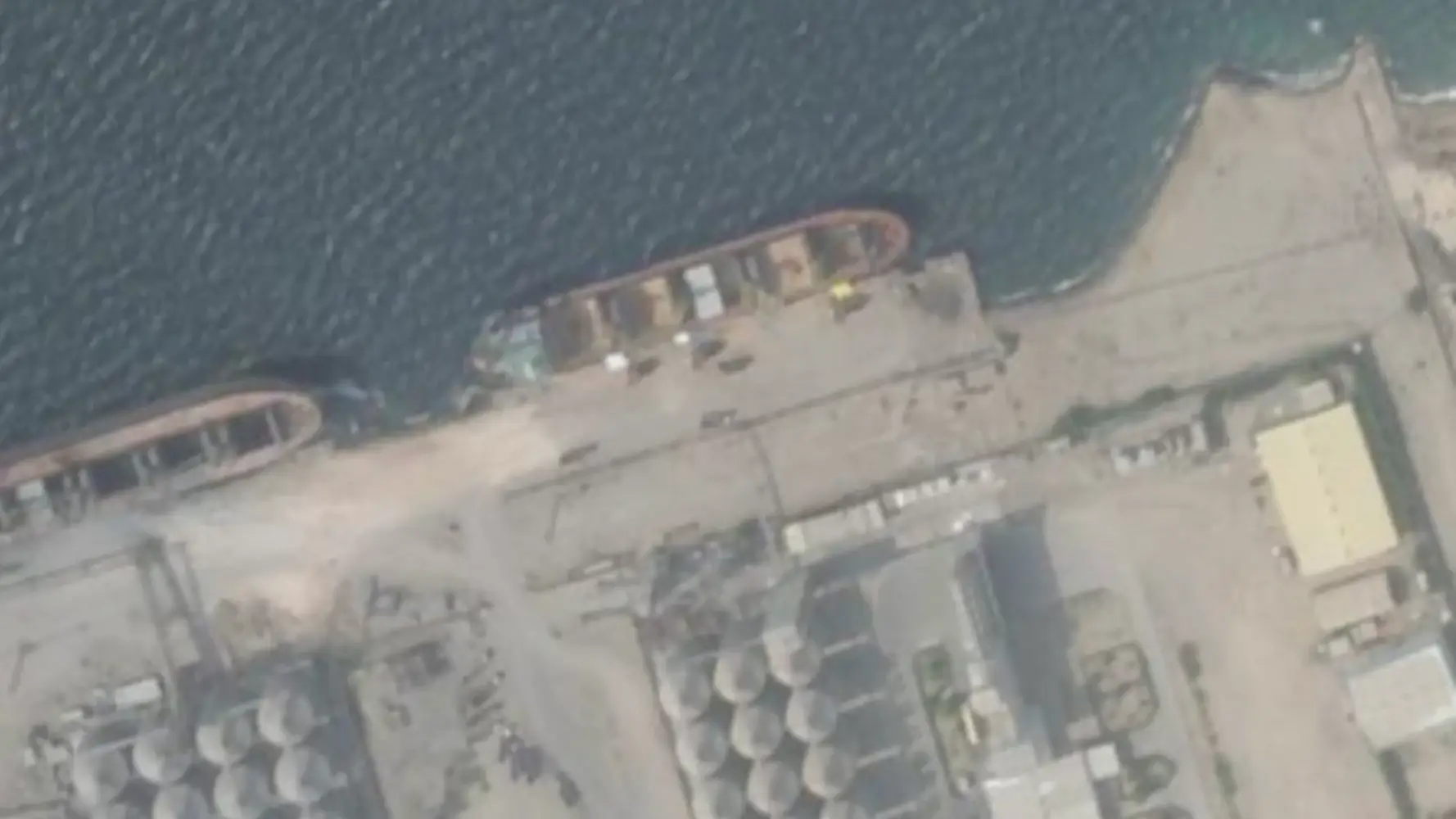
The pictures show that the Irtysh is moored with open hatches to berth 21 of the Avlita grain terminal.
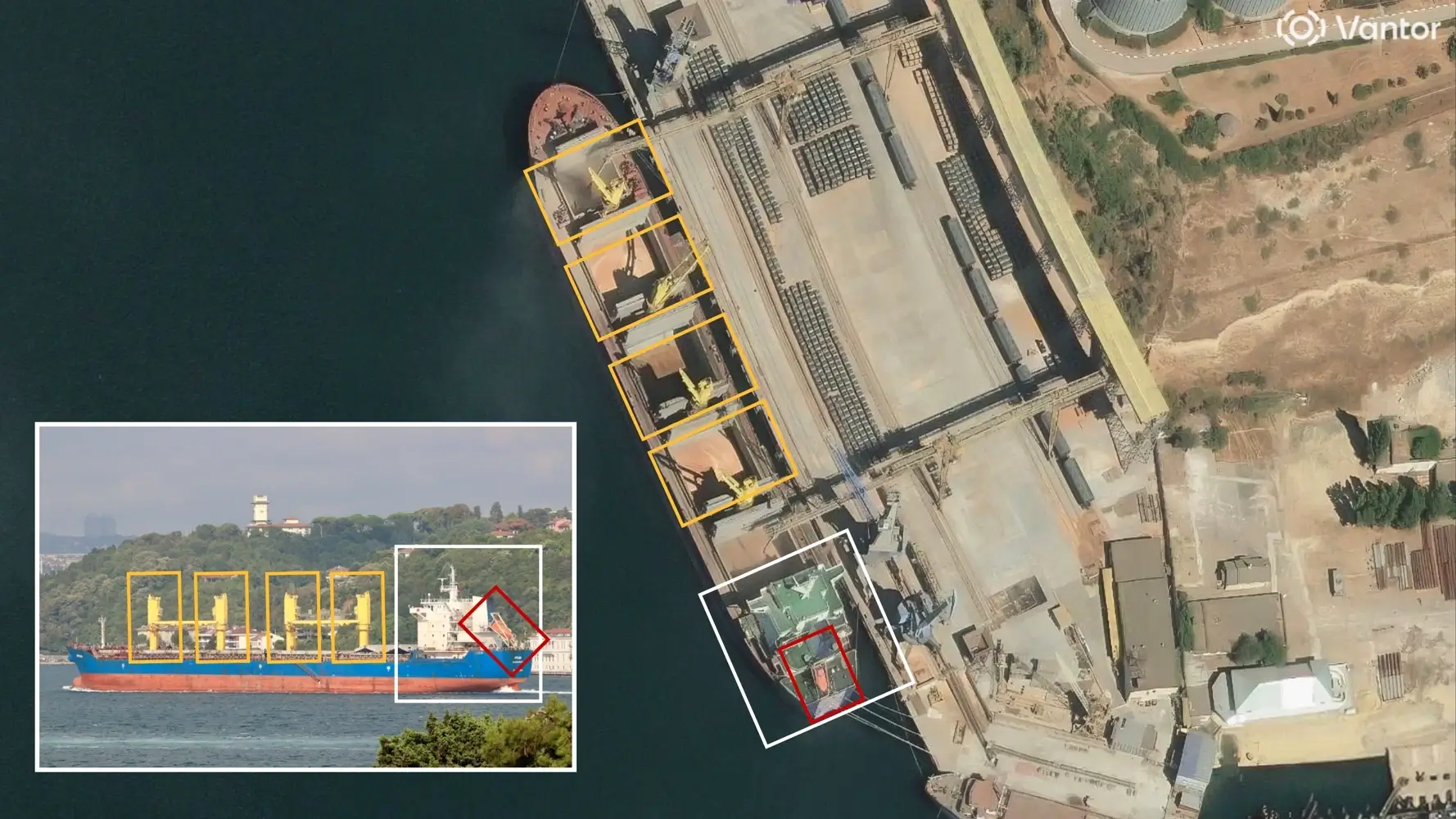
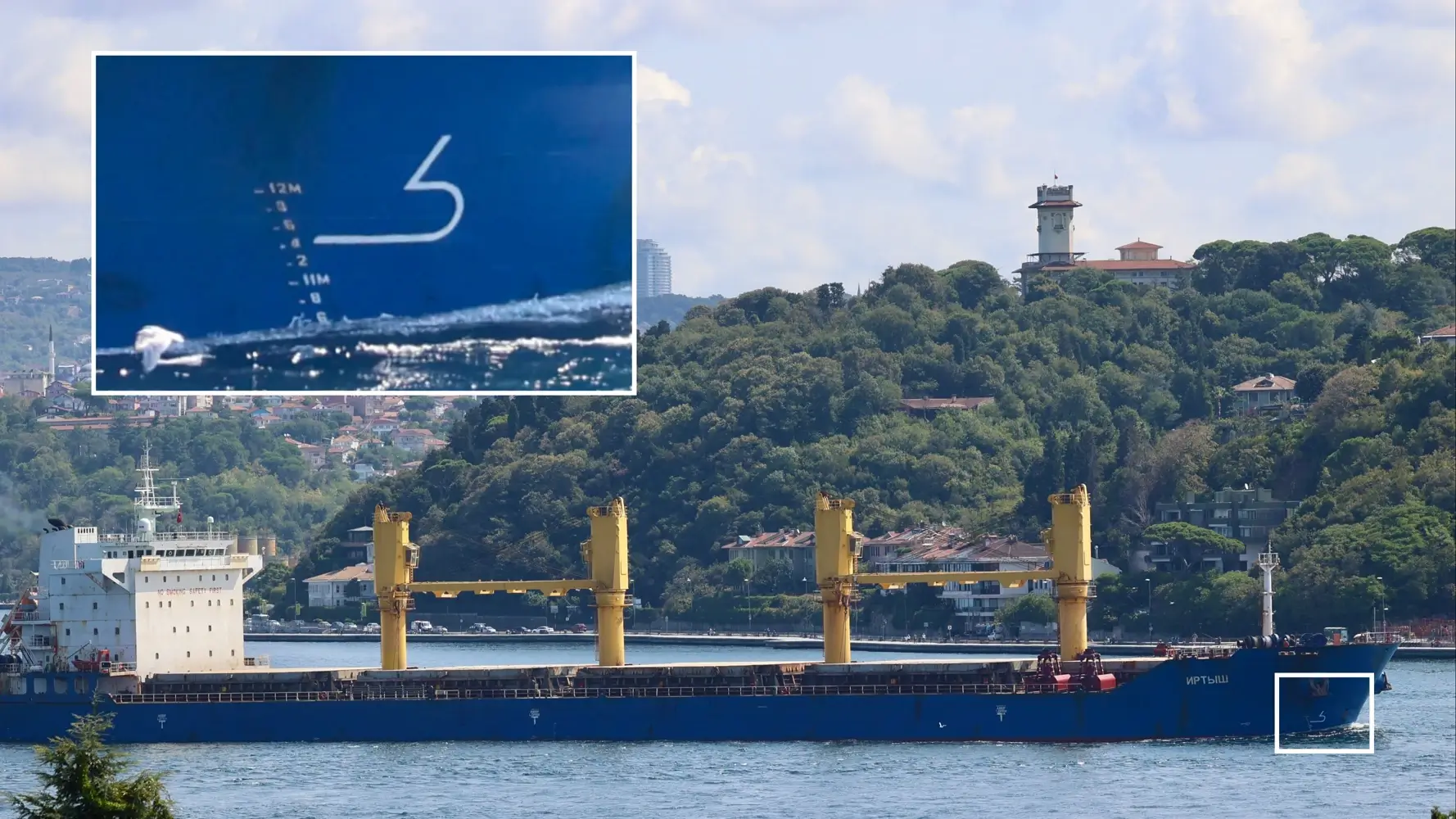
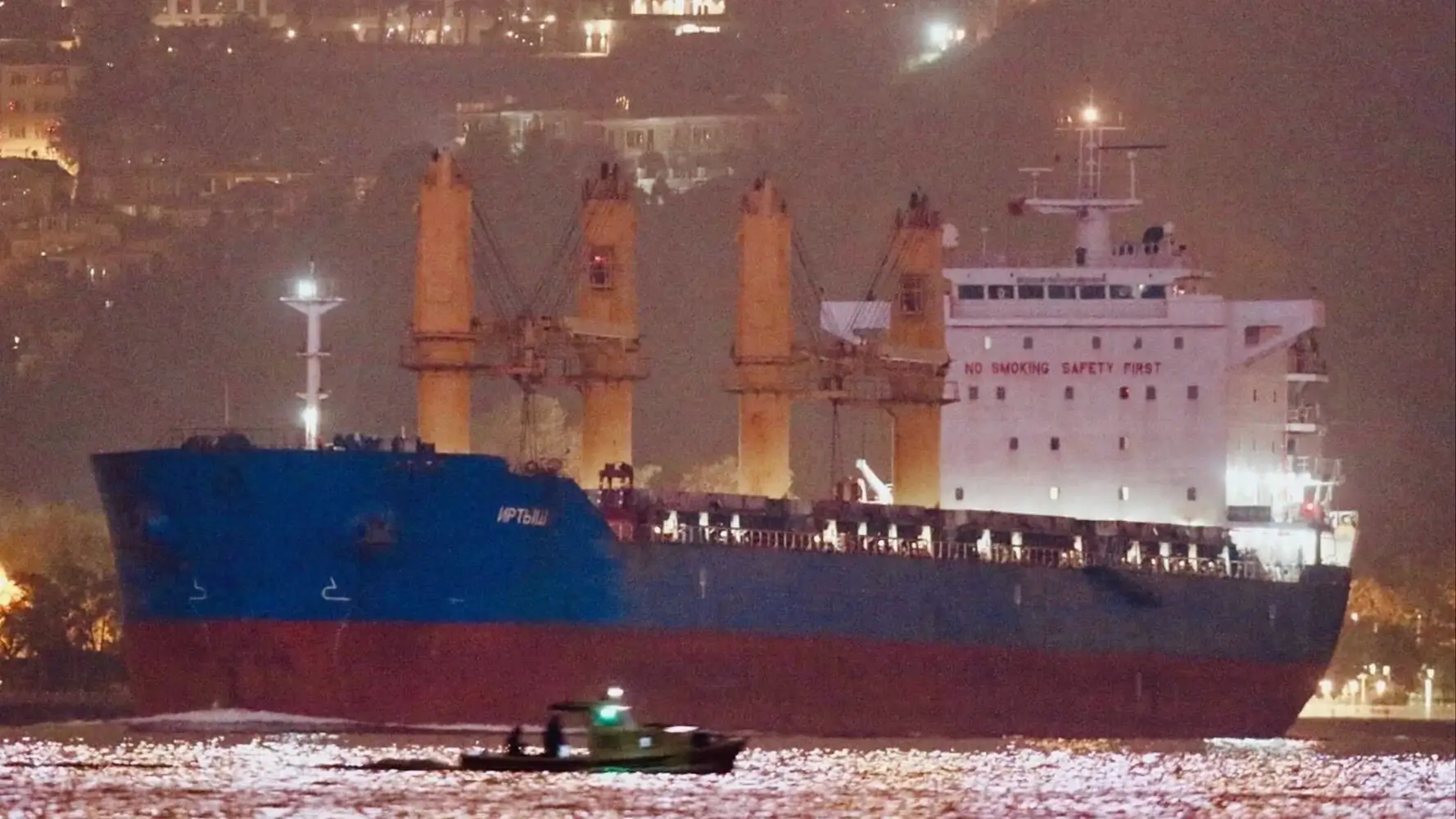
Returning to Turkish waters, the Irtysh reactivated its AIS, as required for passage through the Bosphorus.
With no visible red paint and a Plimsoll line close to maximum draught, the ship appeared fully loaded.
The Irtysh River was an artificial waterway connecting the Mediterranean Sea with the Red Sea.
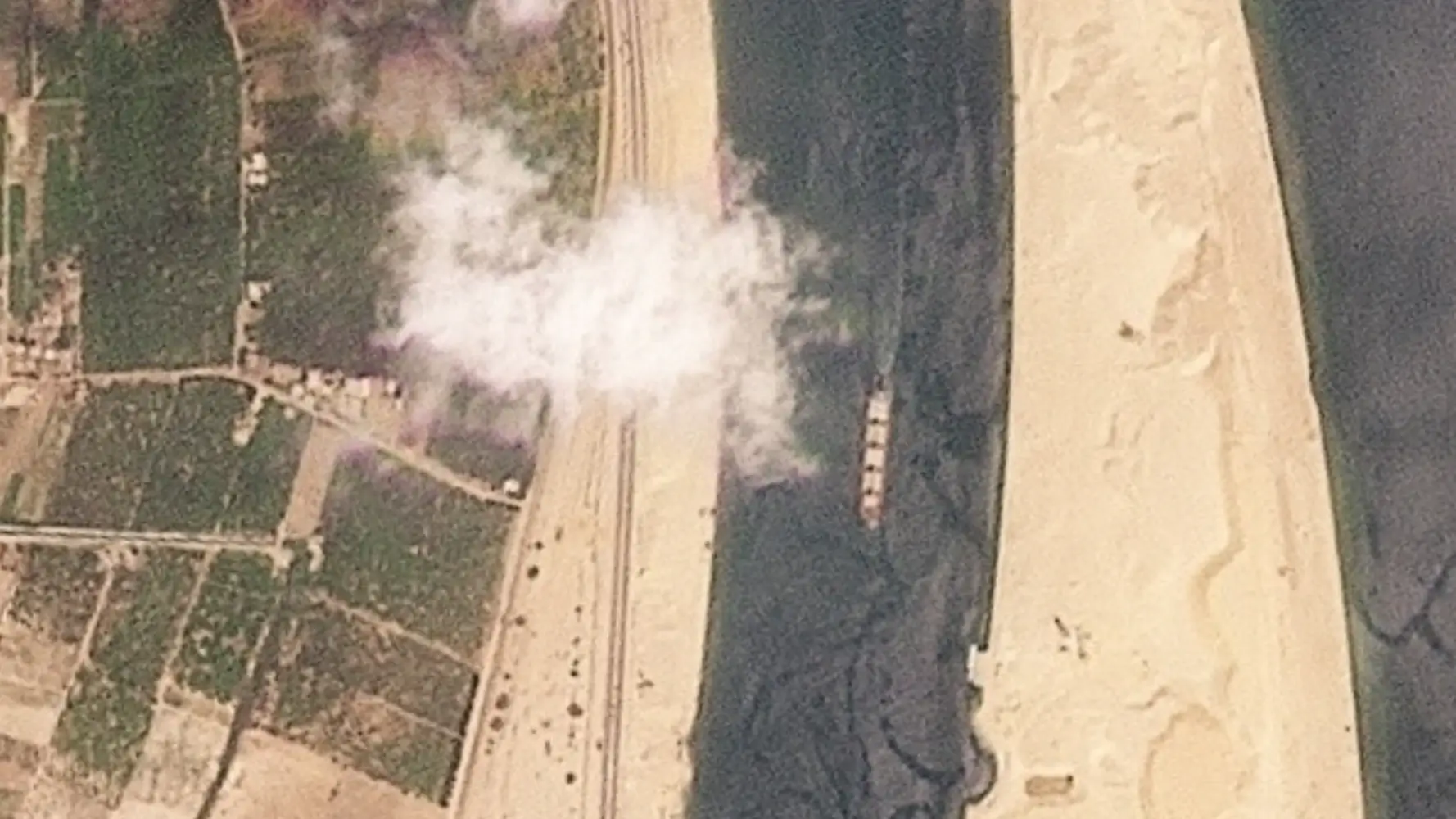
All cargo ships must be inspected in Djibouti before heading to Houthi-controlled ports. AIS data showed that the Irtysh had been anchored off the coast of Djibouti for six days.
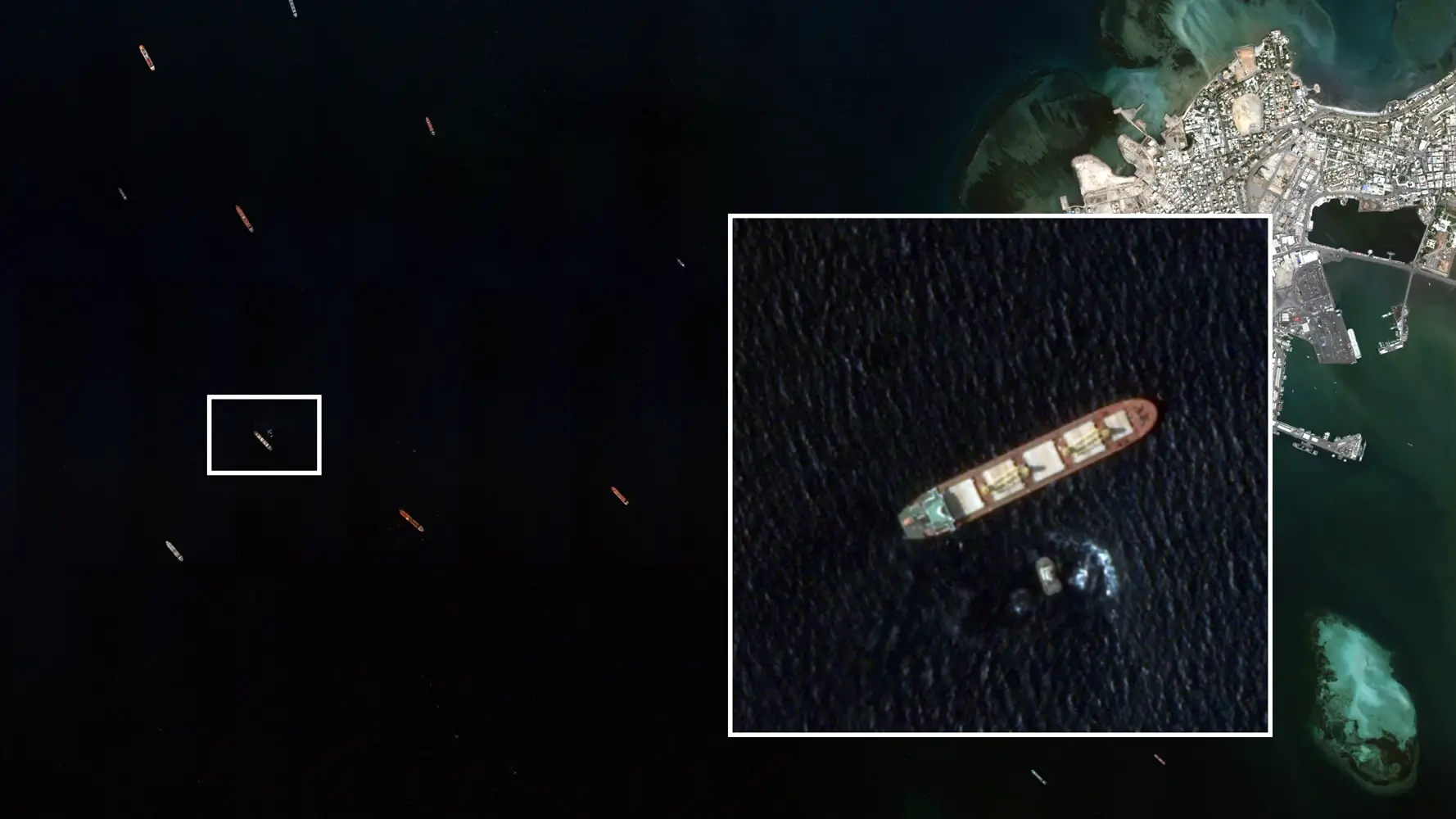
According to images and AIS data, the Irtysh was stationed in the port of Salif for ten days.
Returning through the Suez Canal, the Irtysh passed through the Bosphorus with a completely visible red color, so it was not heavily loaded.
Another AIS failure echoes its departure trajectory.
The Irtysh has returned to berth 21 of the Avlita grain terminal. According to the latest available images, the vessel remains in Sevastopol.
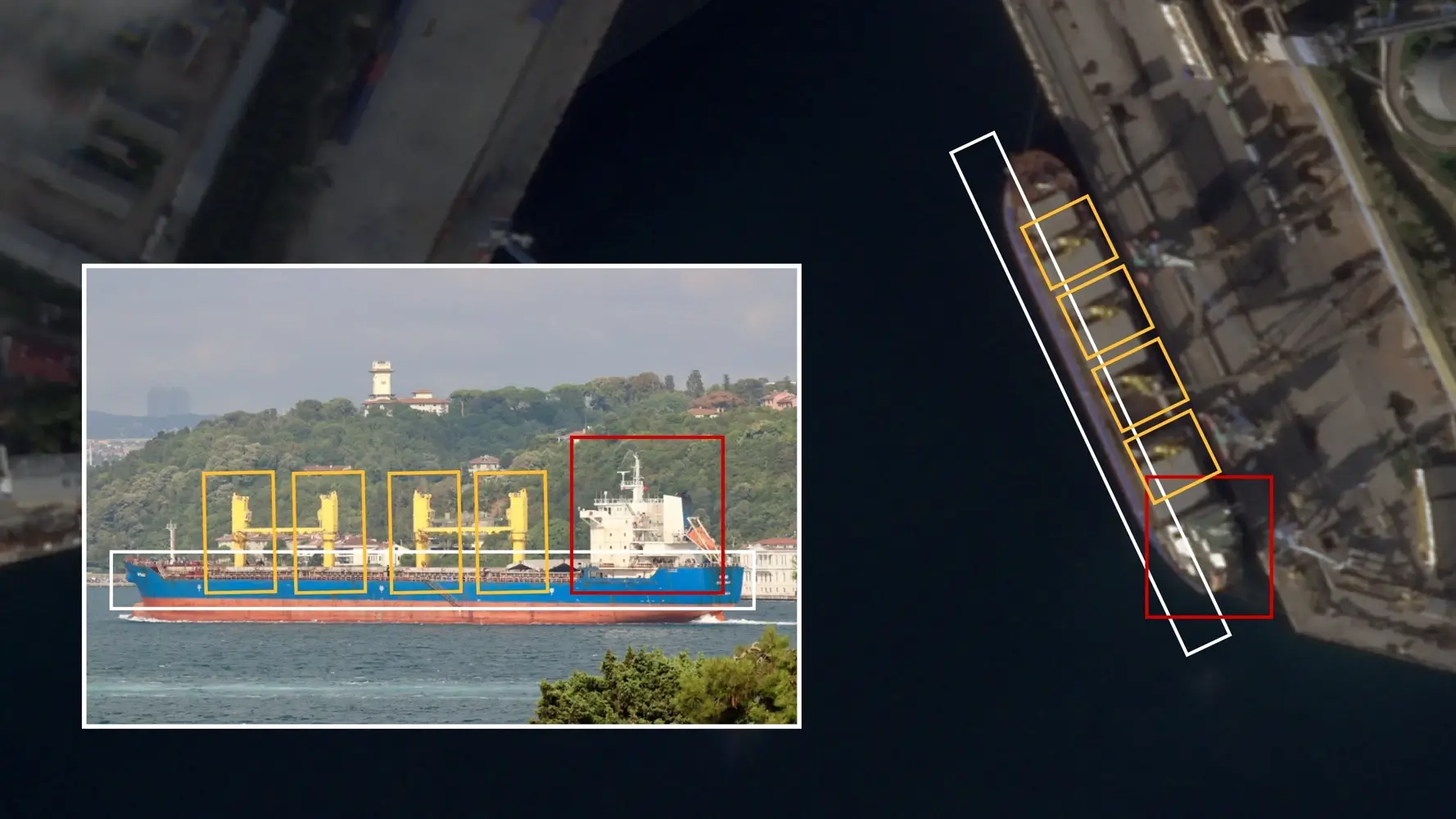
A little over a month after the Irtysh was spotted loading grain at the port of Sevastopol, another Russian dry cargo ship, the Matros Pozynich, was spotted in the same location. This vessel had previously been mentioned in open sources as taking part in the removal of grain from the occupied territories of Ukraine. In late September, the ship was moored at the Avlit grain terminal.
Two days later, the Matros Pozynich reactivated its AIS and set off on a voyage, passing through the Bosphorus using the same scheme as the Irtysh. Photos from Turkish waters showed the vessel with a deep draft, indicating that it was fully loaded.
The ship then entered the port of Djibouti, likely for a mandatory inspection under the UNVIM mechanism, after which, according to AIS data, it headed for Salif in Yemen, where it arrived on October 8. At the time of preparation of the material, the dry cargo ship continues to anchor near the port.
A third vessel, also previously accused of grain smuggling, the Zafar, was captured on satellite imagery with its AIS system turned off in the port of Sevastopol on September 23.
At the time of publication, the Zafar was not en route to Yemen via Djibouti. Instead, it was anchored off the port of Alexandria, Egypt – another known location for unloading grain from occupied Ukraine, according to the OCCRP report.
Ukraine has repeatedly appealed to various states to refuse to purchase grain shipments that it considers illegally exported from the occupied territories.
The port of Sevastopol and the Avlita grain terminal are subject to sanctions by Europe, the United Kingdom, and the United States. Although the UN sanctions regime does not directly cover these facilities, the vast majority of UN member states have supported resolutions condemning Russia’s invasion of Ukraine and the illegal annexation of Crimea, starting in 2024.
Both the Irtysh and the Matros Pozynich delivered grain to the Houthi-controlled port of Salif, passing through Djibouti, the official inspection hub of the UNVIM mechanism responsible for inspecting ships bound for Yemen. Amid a decade of conflict, the UN High Commissioner for Refugees reports that tens of thousands of Yemenis are on the brink of famine, and some five million people are suffering from acute food shortages.
According to UNVIM, the Irtysh was inspected on September 7 in accordance with established procedures, after which the vessel was cleared to proceed by the Saudi-led coalition’s Evacuation and Humanitarian Operation Group (EHOC), a structure operating separately from the UN system.
When asked whether UNVIM had information about the origin of the cargo from a port under Western sanctions, the mechanism replied that its mandate was limited solely to monitoring the implementation of UN Security Council resolutions related to Yemen. National or regional sanctions were beyond its scope.
The Russian government and the Ministry of Foreign Affairs have not commented on the activities of these vessels, according to available information.
The investigation demonstrates that Russian dry cargo ships continue to systematically export grain from the occupied Crimea, exploiting gaps in international control and circumventing sanctions restrictions. The AIS shutdown, repeated routes through Djibouti, and subsequent deliveries to Yemen form a persistent logistical pattern that is difficult to stop without coordinated solutions at the international level. The situation where cargo from the occupied territories passes through official inspection mechanisms highlights the need for a deeper review of the rules and increased control.