21.04.2025
12 min
901



In this article, readers will learn what SIEM (Security Information and Event Management) is, how a security event management system works, and why it has become a key tool in modern cybersecurity. The material explains how SIEM collects logs from servers, applications, network equipment, and cloud services, normalizes them, and detects suspicious activity. You will see examples of real-world use of SIEM to prevent attacks, learn about its role in compliance with security standards (GDPR, ISO 27001, PCI DSS), and understand the benefits this technology brings to businesses.
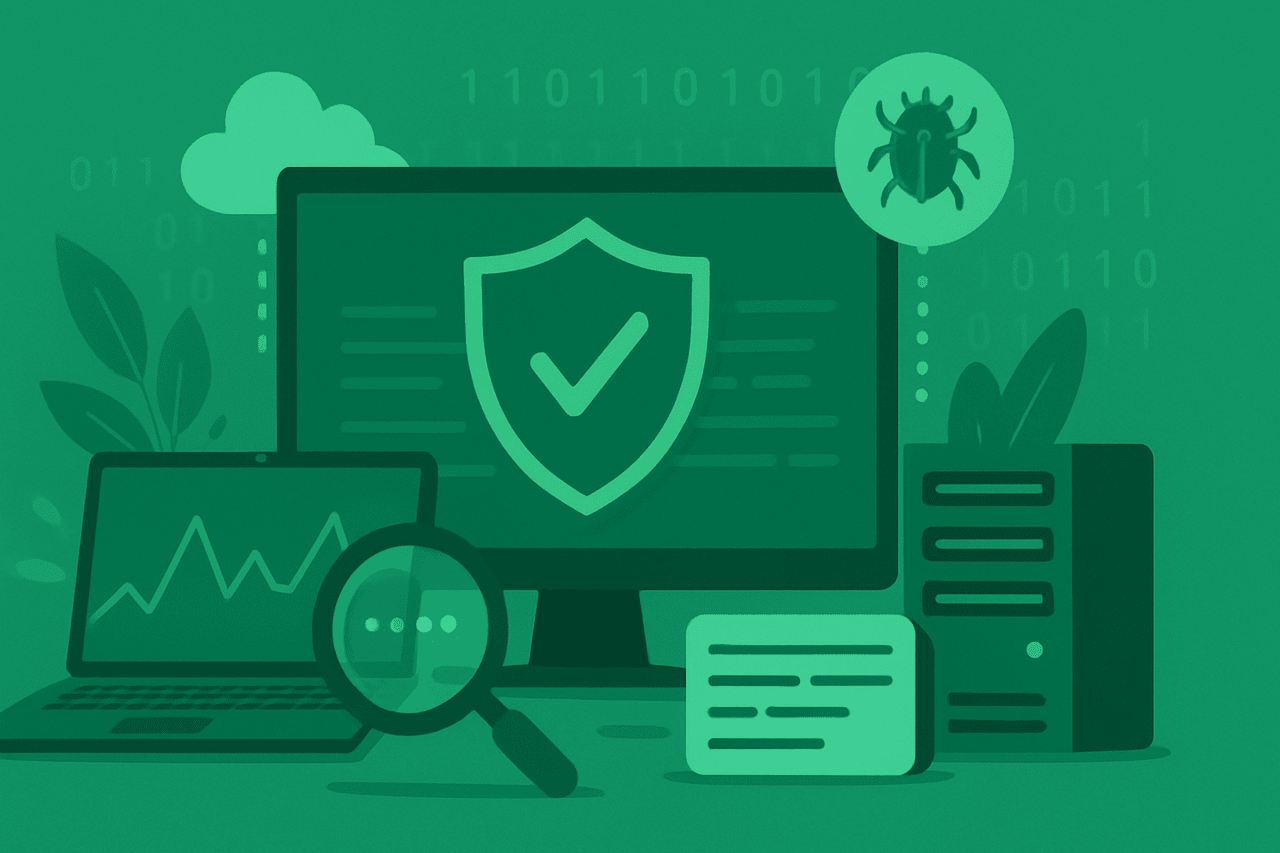
As cyberthreats become increasingly sophisticated, organizations need more than just firewalls and antivirus tools. They need complete visibility into their IT environment, spanning user activity, endpoint logs, application events, and network traffic.
That’s where SIEM (Security Information and Event Management) comes in. A SIEM solution collects, normalizes, and correlates logs and events from across an organization’s infrastructure. It provides real-time threat detection, incident response, and compliance reporting, helping security teams stay ahead of attacks.
In this guide, we will cover:
What is SIEM and How Does It Work
SIEM Architecture with Visual Diagrams
Real-World Use Cases and Attack Scenarios
Business Impact and Compliance Benefits
Why SIEM is Critical for Today’s Enterprise
SIEM collects data from a wide range of sources:
Network devices (routers, switches, firewalls)
Servers and databases
Applications (ERP, e-commerce, email systems, user applications)
Domain controllers and authentication systems
Critical endpoints and user devices
Cloud services (AWS, Azure, Google Cloud)
These logs are forwarded either through agent-based collection (installed software agents) or agentless collection (Syslog, API, Windows Event Forwarding).
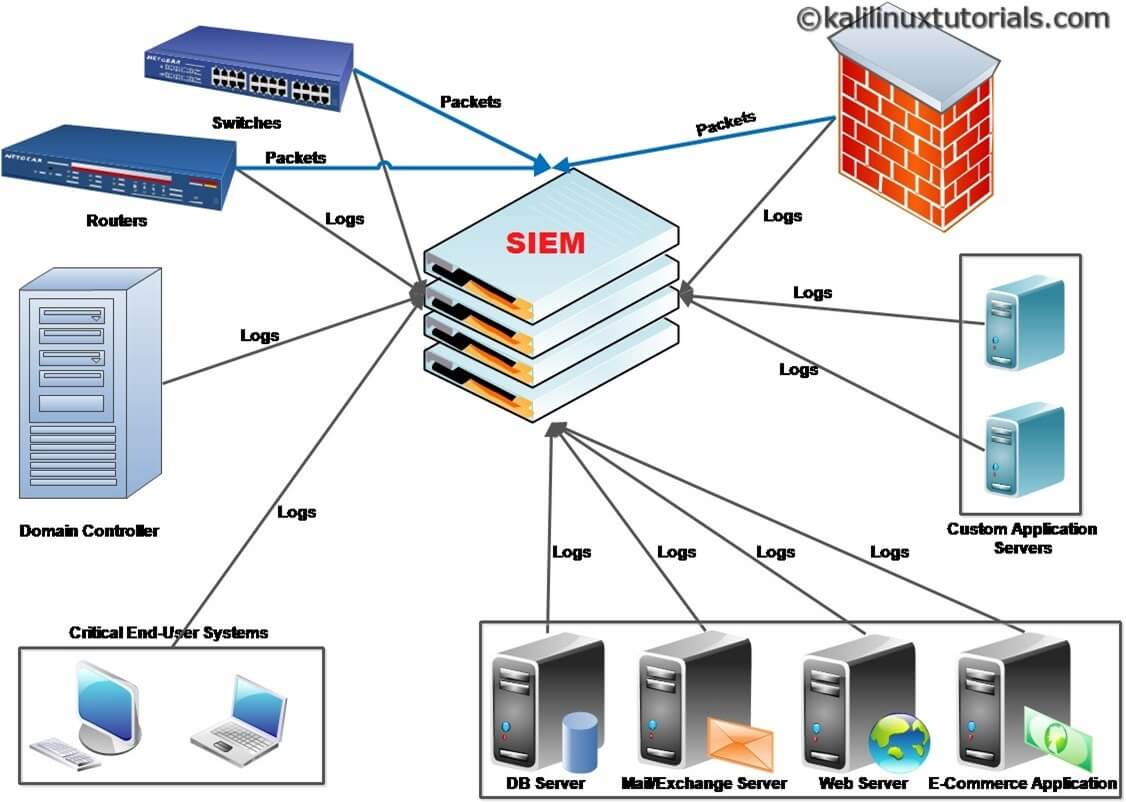
After collecting data, SIEM does the following:
Aggregation: Stores logs in a centralized database.
Normalization: Transforms logs into a consistent format.
Correlation: Applies rules to detect patterns that indicate malicious activity.
Alerting: Generates alerts about suspicious events.
Reporting: Create compliance-ready dashboards and reports.
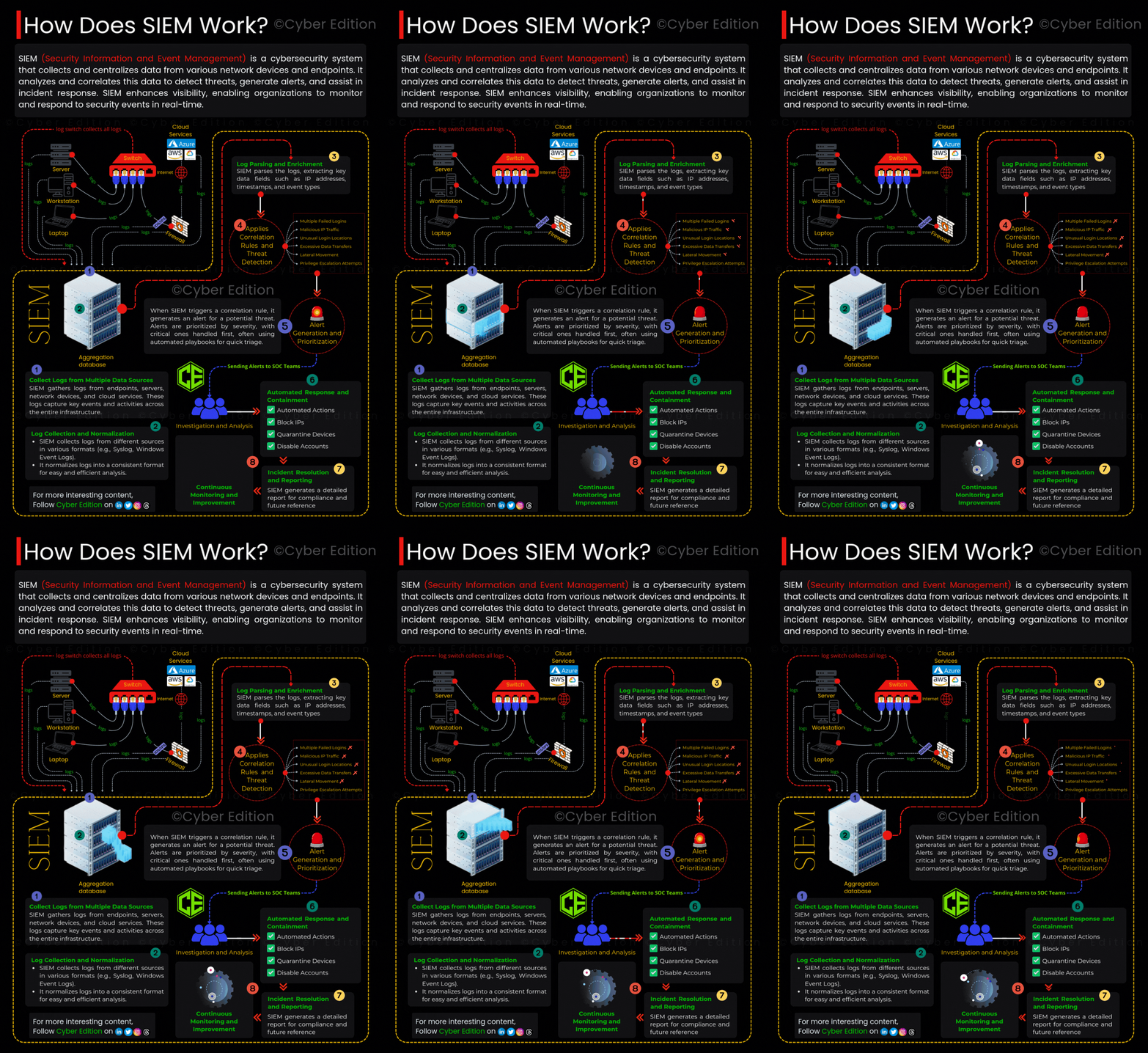
To better understand SIEM, let’s look at the workflow:
SIEM collects raw event data from multiple sources. This includes firewall logs, authentication attempts, DNS queries, and even cloud API logs.
Each device generates logs in different formats. SIEM transforms them into a standard schema that simplifies their analysis.
Key details such as IP addresses, user IDs, geolocation, and event types are extracted. Threat intelligence feeds enrich the data with context (for example, by identifying known malicious IP addresses).
Correlation rules link seemingly unrelated events to detect threats.
Example 1: Login from New York and then login from Europe within 5 minutes → travel attack not possible.
Example 2: Multiple failed logins followed by one successful login → possible brute force attack.
Alerts are categorized by severity level, ensuring that SOC (Security Operations Center) teams focus on the most critical threats first.
SIEM integrates with SOAR (Security Orchestration, Automation, and Response) platforms to perform automated actions such as:
Block IP addresses
Disable compromised accounts
Quarantine infected devices
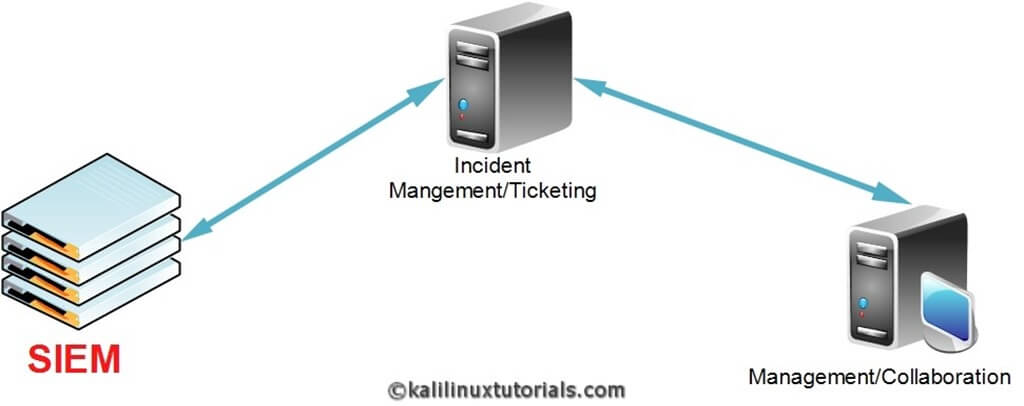
Analysts use SIEM dashboards to drill down into logs, track attack paths, and generate compliance reports.
Port Scan Detection: An attacker scans a server for open ports. SIEM notices repeated failed connection attempts and flags this as reconnaissance.
Insider Threat: A user uploads large amounts of data outside of business hours. Correlation rules detect anomalous behavior and generate alerts.
Phishing Attack: A user clicks on a malicious link, resulting in unusual outbound traffic. SIEM compares email logs, endpoint behavior, and DNS queries to detect compromise.
DDoS Attack: SIEM detects high levels of traffic directed at a web application and alerts security, helping them respond to a service outage.
A powerful SIEM solution not only improves IT security, but also directly impacts business operations.
Protects revenue: Prevents costly breaches and downtime.
Security reputation: Builds customer trust by avoiding high-profile security breaches.
Compliance: Automates log collection, storage, and reporting for frameworks like ISO 27001, HIPAA, PCI DSS, GDPR, and NIST.
Improves decision-making: Provides CISOs and executives with real-time risk and incident status analytics.
Modern SIEM systems also integrate with governance, risk, and compliance (GRC) platforms, mapping technical security incidents to financial and business continuity risks.
Most industries are required to adhere to strict security regulations. SIEM plays a key role in ensuring compliance:
ISO 27001: Requires monitoring and maintaining time-stamped logs.
PCI DSS: Requires monitoring and reporting on access to cardholder data.
HIPAA: Requires healthcare organizations to log and audit access to patient data.
GDPR: Requires accountability and recordkeeping of personal data processing.
By centralizing and protecting logs, SIEM ensures that organizations meet compliance requirements and also simplifies audit processes.
Real-time threat detection across your infrastructure
Centralized log management with normalization
Automated response capabilities to reduce mean time to response (MTTR)
Compliance-ready reports for audits and regulators
Improved SOC efficiency through correlation and prioritization
Reduced business risk and better decision-making
The next generation of SIEM goes beyond traditional log collection and correlation. Key achievements include:
Cloud-native SIEM systems designed for multi-cloud and hybrid infrastructures
Artificial intelligence and machine learning to detect anomalies without pre-configured rules
Orchestration, automation and incident response (SOAR) for faster and automated incident handling
User and entity behavior analysis (UEBA) to detect insider threats and compromised accounts based on activity patterns
These advancements ensure that SIEM continues to be the nerve center of cybersecurity operations in today’s enterprises.
SIEM solutions are a critical component of modern cybersecurity. By consolidating logs, correlating threats, and enabling rapid response, SIEM protects not only networks but also business value.
With increasing regulatory compliance requirements and increasingly complex IT environments, SIEM has become the central nervous system of enterprise security, providing visibility, analytics, and action at scale.
Whether you’re a financial institution, healthcare provider, or e-commerce platform, investing in SIEM is an investment in resilience, trust, and long-term security.