
06.05.2024
2 min
1301



The US Air Force, Army, and Special Operations Command disabled advertising identifiers on some devices used by American service members. The decision followed warnings that adversaries could purchase commercial location data and use it to track military personnel.
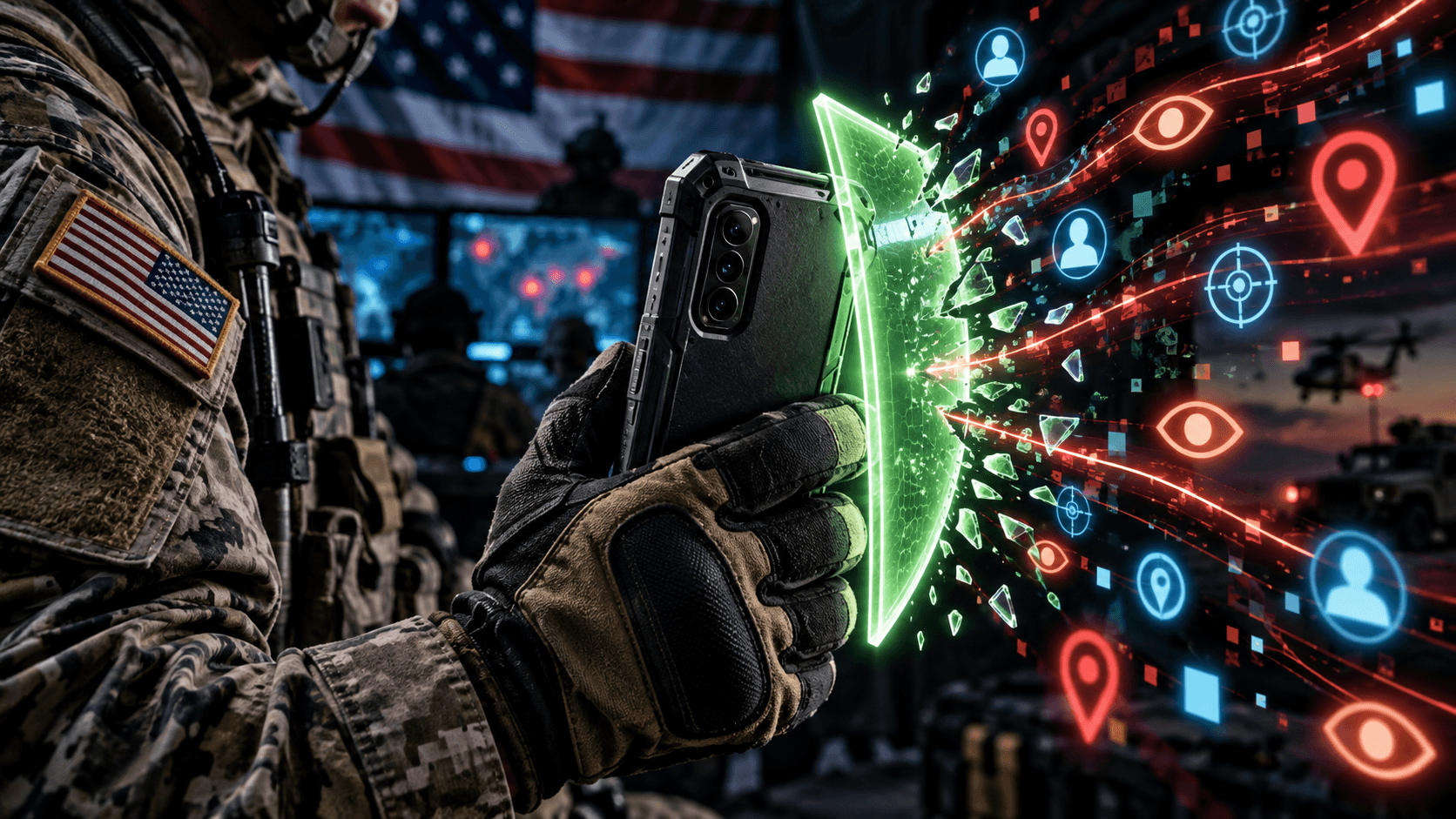
US military officials have confirmed that they disabled advertising trackers on a number of phones and computers used by service members around the world. The information was included in letters released by Senator Ron Wyden, who focuses heavily on cybersecurity issues.
In May, Wyden and 13 other members of the US Congress reported that adversaries had used commercial location data to track American troops in the Middle East. Such information can be collected from smartphones and subsequently sold by data brokers to their clients.
At the time, the Pentagon confirmed that service members were allowed to use personal devices in operational areas. There was also no separate policy requiring them to disable geolocation on their devices in active war zones.
Following pressure from lawmakers, the US Air Force and Army told Wyden that they had disabled advertising identifiers on computers and mobile phones. US Special Operations Command separately confirmed that it had turned off such identifiers on its Windows devices.
The US Navy told members of Congress that it had taken measures that “curtailed the ability of foreign adversaries to purchase bulk location data and metadata, which is frequently leveraged to track, profile, and target military and civilian personnel.”
“We commend these service branches for implementing this cybersecurity defensive best practice on government devices,” said Oregon Democratic Senator Ron Wyden and North Carolina Republican Representative Pat Harrigan.
Harrigan separately stressed that the ability to freely purchase such information poses a direct threat to American troops in war zones.
“It is insane that our enemies can pull out a credit card and buy data that could help them track American troops in a war zone,” he said.
In July, Reuters reported that some US service members in the Middle East could be ordered to surrender their phones. The concern stemmed from videos they had posted on social media that were helping Iran identify the locations of American bases in the region.
Despite the measures introduced, Wyden and Harrigan do not consider the issue fully resolved. They called for an investigation to determine whether military leadership has done everything possible to counter the threats associated with the commercial trade in location data.
The lawmakers also cited recent reports indicating that commercial location data originating from military facilities remains available for purchase. One particularly alarming possibility is that the information comes from personal devices brought by service members and government contractors into restricted facilities and operational areas.
“If personal devices are identified as the primary source of this data, your office should recommend concrete policy changes to eliminate this vulnerability, enforce technical controls on personal devices in sensitive areas, and safeguard DoD personnel and OPSEC from commercial surveillance,” Wyden and Harrigan wrote.
There is another problem. Disabling advertising identifiers alone may no longer be sufficient, as data brokers can collect, correlate, and monetize unique location information using other data obtained from devices.
Advertising identifiers were created to recognize devices and deliver personalized advertisements. However, when combined with geolocation and other information, they can help track a specific person’s movements even when that individual’s name is not directly attached to the data. Such information poses a particular danger to military personnel. Regular smartphone activity near bases, restricted facilities, or operational areas can reveal troop locations, movement patterns, and other sensitive information.