

06.07.2026
2 min
322



A massive personal data leak was discovered on HOT.com, a platform specializing in adult services listings. A total of 1.22 TB of information was publicly exposed, including phone numbers, email addresses, Facebook, Instagram, and X profiles, as well as precise geographic coordinates. In addition, the unsecured database contained more than 200 million records with visitors’ IP addresses. The incident created risks of blackmail, harassment, and identity exposure for people who used the platform or posted listings on it.

The issue was discovered by cybersecurity researchers in mid-September 2026. The specialists identified a publicly accessible Elasticsearch cluster belonging to the US-based platform HOT.com. The server required no password or authentication, meaning unauthorized individuals could potentially view the information stored within it.
HOT.com operates as a search aggregator for adult services and specialized shops worldwide. Most listings are concentrated in the United States, and the website attracts millions of visitors every month. The platform collects information about service providers, including their contact details, social media profiles, and locations, allowing visitors to find relevant listings.
The exposed database contained 54 Elasticsearch indices totaling 1.22 TB of data. These included individuals’ personal information, details about establishments, and visitor activity logs. Some records made it possible to link contact information with social media profiles and geographic locations.
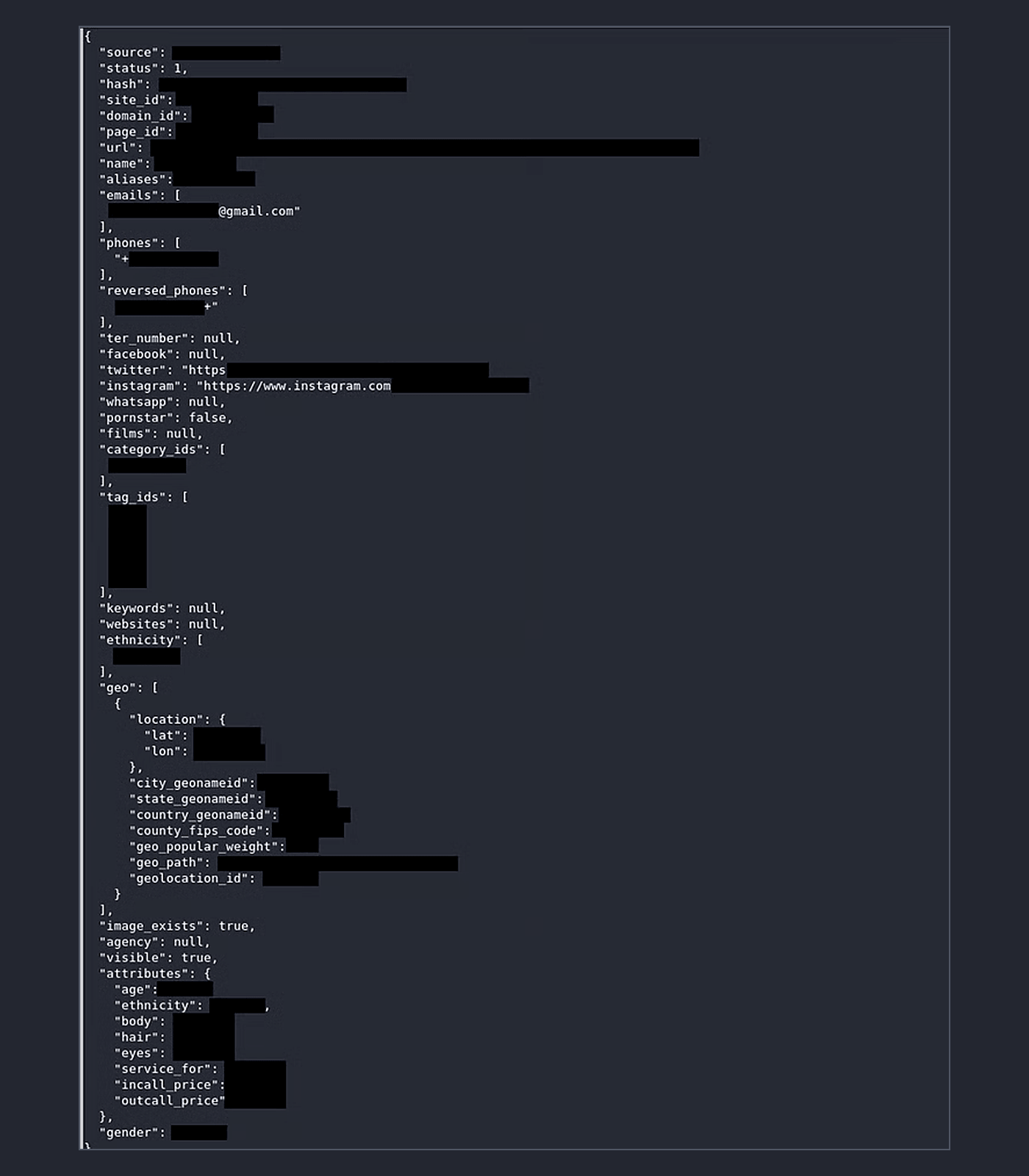
For sex workers, such a data leak can have far more serious consequences than simply exposing contact information. In some countries, adult services are subject to legal restrictions and social stigma. As a result, the disclosure of personal information can lead to harassment, discrimination, and unwanted exposure of someone’s occupation to family members or acquaintances.
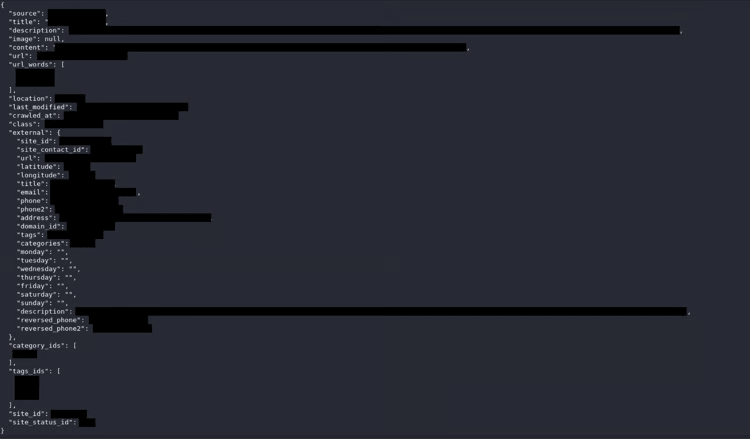
The following screenshot shows the structure of a record associated with an establishment listed on the platform. The database contained contact details, addresses, geographic coordinates, service descriptions, and other information related to the listing. This confirms that the exposed server stored not only individual profiles but also information about commercial establishments.
After discovering the issue, the researchers contacted HOT.com and reported the data exposure to the United States Computer Emergency Readiness Team (US-CERT). Access to the unsecured database was restricted on September 21, 2026. At the time the incident was disclosed, the company had not provided a public explanation of what caused the leak.
The scale of the data exposure was significant. An analysis of the unsecured cluster revealed hundreds of millions of records containing contact information, social media profiles, and user activity data.
Specifically, the database contained:
258 million records containing phone numbers.
20 million records containing email addresses.
54.3 million links to Facebook profiles.
58.7 million records containing X (Twitter) usernames.
9.8 million Instagram profiles.
215 million records containing visitors’ IP addresses.
2.53 million records containing the precise geographic coordinates of sex workers and establishments.
Activity logs containing information about search queries and interactions with listings.
Geographic data was particularly concerning. Researchers discovered approximately 2.53 million records containing coordinates across various Elasticsearch indices, potentially allowing individuals and establishments to be located. For some users, this information poses risks not only to their privacy but also to their physical safety.
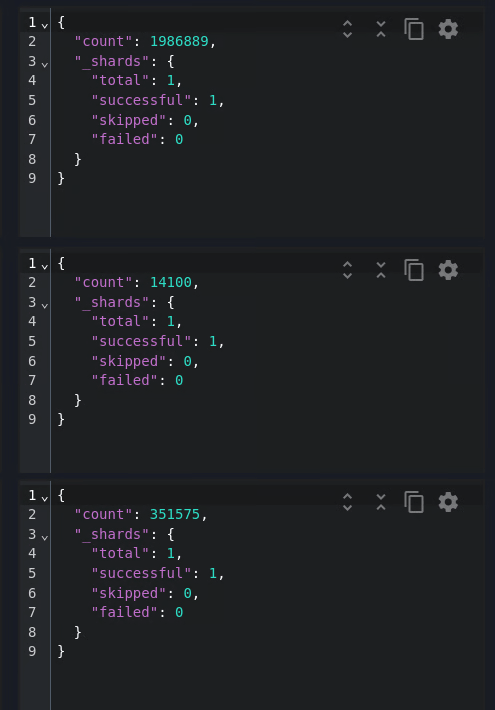
However, these figures represent the number of records, not necessarily the number of unique individuals. For example, 215 million records containing IP addresses do not mean that 215 million individual visitors were affected by the leak. A single person may have performed multiple searches, and their IP address could have appeared repeatedly in the platform’s activity logs.
The example below shows the number of records containing IP addresses. One of the largest indices contained more than 214 million such records, illustrating the scale of information collected about visitors’ activity.

The situation is similar with social media profiles. A single person may have used multiple accounts for different listings or to conceal their identity. Therefore, it is impossible to determine the exact number of affected sex workers based on these figures alone.
It was also impossible to determine whether visitors’ searches resulted in actual purchases of services. However, the activity logs themselves already pose privacy risks, as they may reveal which listings a person viewed and what they were interested in.
The greatest threat comes from the ability to combine different categories of exposed information. A phone number, email address, Facebook profile, or precise location may not individually reveal someone’s identity. However, when combined, these details make it much easier to determine a person’s real name, find their other online accounts, or identify their social connections.
For example, attackers could use contact information to find personal social media profiles and then link them to adult service listings. This creates opportunities for doxxing — the deliberate disclosure of private information without a person’s consent.
Facebook profiles pose a particular risk. The unsecured database contained approximately 54.3 million records with links to Facebook profiles. This information could help establish connections between listings on HOT.com and a person’s other online profiles.

A similar issue also affects Instagram. Researchers discovered approximately 9.8 million records associated with the platform. If someone used the same profile for personal communication and promoting their services, unauthorized individuals could potentially obtain additional information about their social connections, photos, and other online activities.
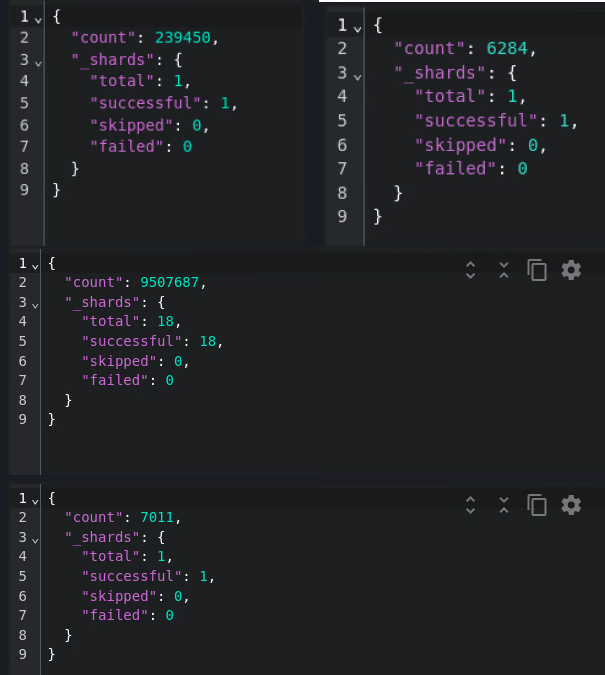
Particularly concerning are the 2.53 million records containing precise location data. If this information can be used to identify someone’s home address or workplace, affected individuals may face not only online harassment but also threats to their physical safety.
Furthermore, the exposed information could be used for blackmail. For example, an attacker could threaten to reveal a person’s occupation to their relatives, acquaintances, or employer, demanding money in exchange for keeping the information private. The consequences could also affect victims’ family members. In countries where sex work is illegal or heavily stigmatized, identity exposure could lead to discrimination, harassment, and legal consequences.
Phone numbers represent another significant risk. Researchers identified approximately 258 million records containing phone numbers across various indices. This information could be used for unwanted calls, phishing messages, fraud, and attempts to identify individuals behind the listings.
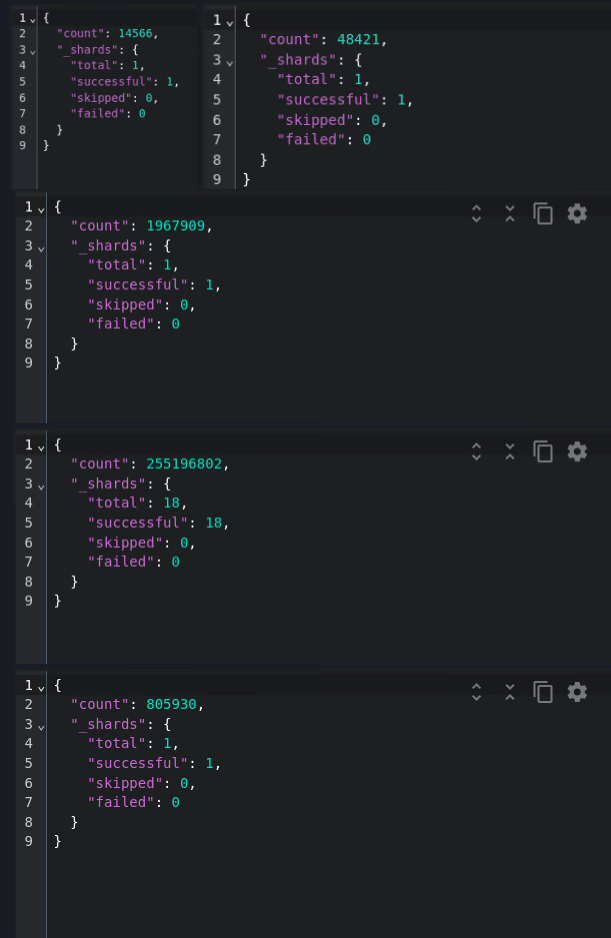
Visitors to HOT.com also face privacy risks. Activity logs containing IP addresses may reveal search histories and views of specific listings. When combined with other sources of information, this data could potentially be used to identify individuals who visited the platform.
However, the presence of an IP address in the database does not prove that someone purchased adult services. They may have simply browsed pages or performed searches. Nevertheless, even this information could be used for manipulation, threats, and fraud.
The incident was caused by an unsecured Elasticsearch database accessible over the internet without authentication. Such systems are commonly used to quickly search, analyze, and store large volumes of structured information.
In HOT.com’s case, the cluster served as the platform’s operational database. It contained information about service providers, establishments, social media profiles, and visitors’ interactions with listings. The data was distributed across 54 indices, each responsible for specific categories of records.
The large volume of accumulated data suggests that the platform had been collecting and storing information over an extended period. However, it remains unknown exactly how long the database was publicly accessible or whether unauthorized individuals managed to copy its contents before the issue was discovered.
Importantly, the database’s public accessibility confirms the exposure of information but does not prove that cybercriminals have already exploited it. There are currently no confirmed reports of the exposed records being used on a large scale for blackmail or other attacks.
Similar incidents have previously affected platforms handling particularly sensitive personal information. For example, cybersecurity specialists have discovered leaks of private photos from dating apps, including services catering to BDSM, LGBTQ+, and sugar dating communities. In some cases, unauthorized individuals could even access images that users had shared in private messages.
The HOT.com incident once again demonstrates how dangerous inadequate security can be for services that handle confidential information, especially when a single database contains contact details, social media profiles, precise locations, and people’s activity histories.
Even after access to Elasticsearch was restricted, there is no guarantee that the information had not already been copied. Therefore, the main concern is not only the scale of the data exposure but also the possibility of linking individual records to real people and using their private information against them.