
05.09.2026
13 min
420



The developers of GrapheneOS, a privacy-focused Android operating system, have accused Google of pressuring smartphone manufacturers and attempting to hinder the development of alternative Android distributions. According to the developers, Google is using its Google Mobile Services licensing terms to prevent manufacturers from cooperating with competitors. The GrapheneOS team believes these actions violate US antitrust laws and plans to contact US authorities.

GrapheneOS is a modified version of Android designed to provide enhanced security and user privacy. The operating system offers additional mechanisms for app isolation, data protection, and permission management. It is currently officially supported on Google Pixel smartphones, but its developers are gradually preparing to expand the list of compatible devices.
In September 2026, the GrapheneOS team confirmed a partnership with Motorola, which includes plans to support the Motorola Signature 27 smartphone. This is expected to be an important milestone for the project, as users will be able to install the security-focused operating system on devices other than those made by Google.
However, the conflict emerged as GrapheneOS began expanding its support to other manufacturers. In public statements, the developers claim that Google has started contacting Android smartphone manufacturers to question them about their cooperation with the alternative operating system.
unrelated to this but is the motorola signature 27 the phone that will support grapheneos?
— kc (@kcFive12) September 22, 2026
According to representatives of the project, Google is allegedly using its Google Mobile Services (GMS) licensing terms to pressure its partners. GMS is a collection of Google services and applications, including Google Play, that manufacturers install on their devices under licensing agreements.
GrapheneOS believes that certain provisions of these agreements restrict competition and hinder the development of independent Android distributions. The developers also pointed out that Google’s activities in the mobile operating system market have previously been subject to antitrust investigations in several countries.
In particular, the European Commission previously found that Google had abused its dominant market position by tying the licensing of certain applications to requirements to preinstall its search engine and browser. However, previous regulatory decisions do not, in themselves, substantiate the new allegations made by GrapheneOS.
At the same time, the developers emphasized that they have no complaints against all Google employees. According to the team, some of the company’s engineers have supported GrapheneOS development and even introduced compatibility with its components into Google’s software. The team’s main accusations are directed at the corporation’s business leadership.
Google is sabotaging their OEM partners by making a growing number of features and updates exclusive to Pixels. At the same time, Google is trying to convince OEM partners not to support GrapheneOS or even bootloader unlocking. They're also trying to harm GrapheneOS directly.
— GrapheneOS (@GrapheneOS) November 19, 2026
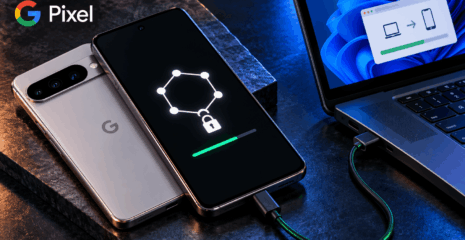
The developers are concerned that Google may introduce additional technical restrictions that would make it more difficult to use alternative Android distributions. One possible scenario mentioned by the team involves preventing users from unlocking the bootloader on Pixel smartphones.
The bootloader is responsible for initiating the operating system’s startup process. The ability to unlock it is essential for installing alternative software, including GrapheneOS. If a manufacturer disables this option, users would lose the ability to independently replace the default operating system on supported devices.
However, these concerns currently reflect the developers’ fears rather than a confirmed decision by Google to prevent bootloader unlocking on Pixel devices.
Another point of criticism is the Play Integrity API. This mechanism allows applications to verify the integrity of the software environment and determine whether a device meets certain security requirements. Such checks are used by financial services and other applications that require additional protection.
According to GrapheneOS, the Play Integrity API can create obstacles for alternative operating systems, even when they provide a high level of security. The team believes Google will continue promoting this mechanism while making it increasingly difficult to support independent modifications of the Android Open Source Project (AOSP).
The developers also criticized Google’s approach to distributing new Android features and security patches. They previously claimed that Pixel smartphones receive certain features and updates earlier than devices from other manufacturers, potentially giving Google a competitive advantage.
Similar concerns have emerged regarding future support for the Pixel 11. The GrapheneOS team reported issues with Memory Tagging Extension (MTE), a technology designed to improve memory security. Due to the potential lack of necessary support at different system levels, the developers even suggested that they might have to skip this model.
Android 17 QPR1 is the first release since Android Honeycomb (3.x) adding new APIs for app developers without a release to the Android Open Source Project. The new APIs are currently exclusive to the Pixel OS and aren't available to other Android OEMs.https://t.co/QBqoAQ2Yte
— GrapheneOS (@GrapheneOS) September 16, 2026
Amid the ongoing dispute, GrapheneOS announced plans to contact US official Todd Blanche to draw attention to Google’s alleged anticompetitive practices.
Representatives of the project claim that certain actions by the corporation may violate US criminal law. They also pointed out that American antitrust legislation provides for prison sentences for individuals in certain circumstances.
However, these statements remain allegations made by GrapheneOS. The accusations themselves do not mean that Google has been found guilty of any new violations or that its employees face criminal penalties for the actions described. So far, no independent regulator has publicly confirmed the new allegations.
The controversy has drawn additional attention to how dependent alternative Android operating systems are on decisions made by Google and smartphone manufacturers. Although Android has an open-source foundation, the practical ability to install independent operating systems largely depends on manufacturers’ policies, driver availability, hardware security features, and support for bootloader unlocking.
For GrapheneOS users, the dispute is particularly significant because they choose the operating system specifically for greater control over their personal data and independence from Google’s standard suite of services.
How the situation develops will depend on whether the developers’ allegations are substantiated and whether US regulators decide to investigate them. Meanwhile, GrapheneOS’s partnership with Motorola could become an important test for the Android ecosystem, demonstrating how much room remains