
16.07.2026
2 min
307



Chinese researchers have unveiled a new sodium-metal battery (SMB) that combines two features rarely achieved at the same time: ultra-fast charging and long-term capacity retention. Laboratory tests suggest the battery could potentially charge an electric vehicle in as little as four minutes.
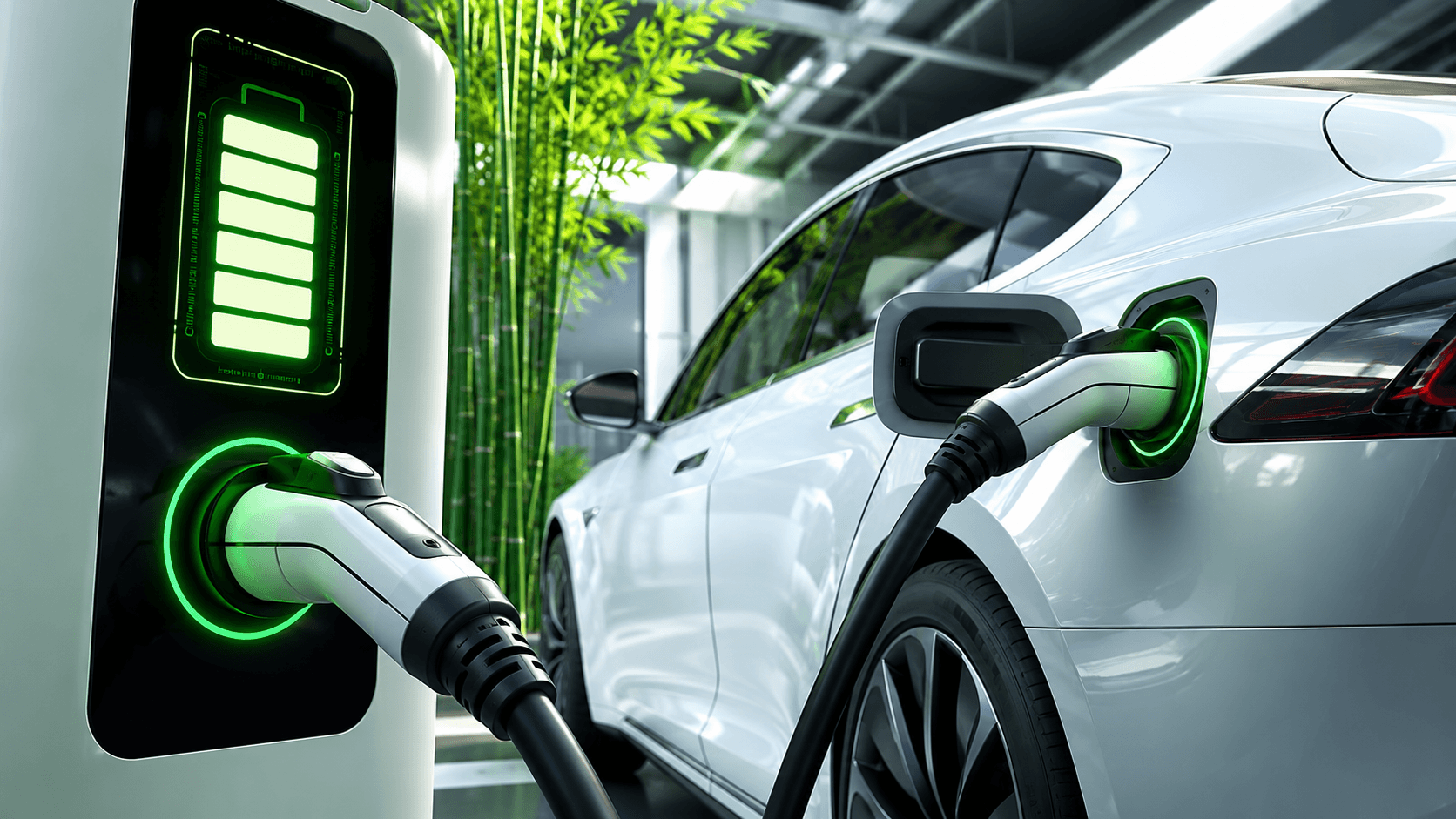
Today, lithium-ion batteries power most smartphones, laptops, electric vehicles, and backup energy systems. However, their production depends on lithium, a costly resource found in only a handful of regions, including Argentina, Bolivia, Chile, and China.
Sodium, on the other hand, is far more abundant and significantly cheaper, making it a promising alternative to lithium. Traditional sodium-ion batteries, however, have one major drawback: they are bulkier and heavier than their lithium-ion counterparts.
Sodium-metal batteries aim to overcome that limitation. They are lighter, more stable, and less expensive to manufacture than both lithium-ion and conventional sodium-ion batteries. More importantly, the technology could make it possible to charge an electric vehicle in about four minutes.
There has been one major obstacle, though. During repeated charging cycles, tiny needle-like structures known as dendrites can form inside the battery. These dendrites reduce performance and pose serious safety risks, including short circuits.
Researchers say they have found a solution by using a robust quasi-solid-state gel electrolyte called Sn-FB QSE. The material reinforces the battery’s internal structure, improves its resistance to damage, and prevents dendrites from forming.
In laboratory tests, the new batteries achieved ultra-fast charging while retaining their capacity after more than 6,000 hours of operation without any dendrite formation.
Despite these promising results, the technology is still in the research stage. Before it can be commercialized, scientists must fully address dendrite formation and ensure stable performance at low temperatures.
If these challenges can be overcome, sodium-metal batteries could become a viable alternative to lithium-ion technology, particularly for applications where ultra-fast charging and long battery life are essential.