04.11.2025
2 min
687



Cybercriminals have begun to impersonate doctors and medical centers on a massive scale, using artificial intelligence and deepfake technologies to promote counterfeit or dangerous drugs. According to Check Point, more than 500 fake pages are created every day advertising “medicines” that threaten people’s lives.
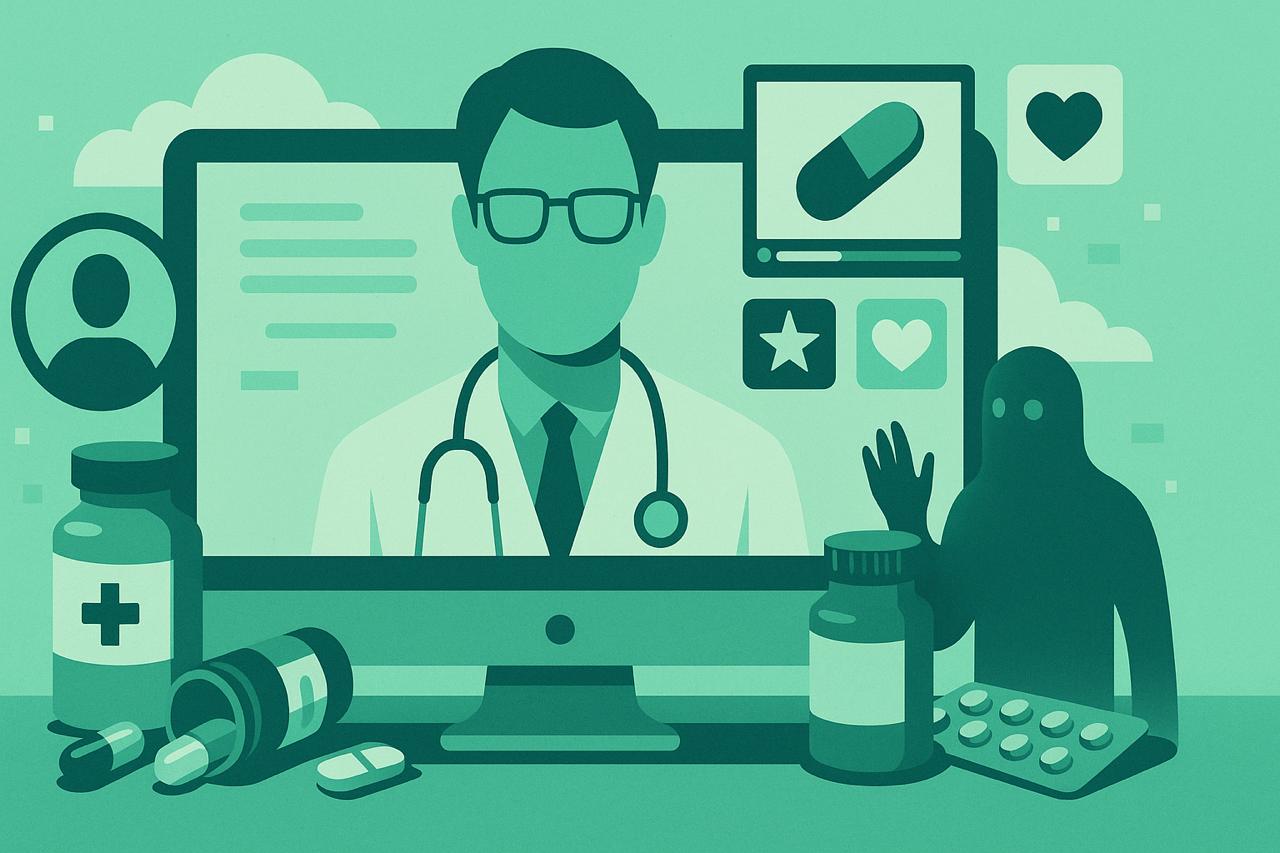
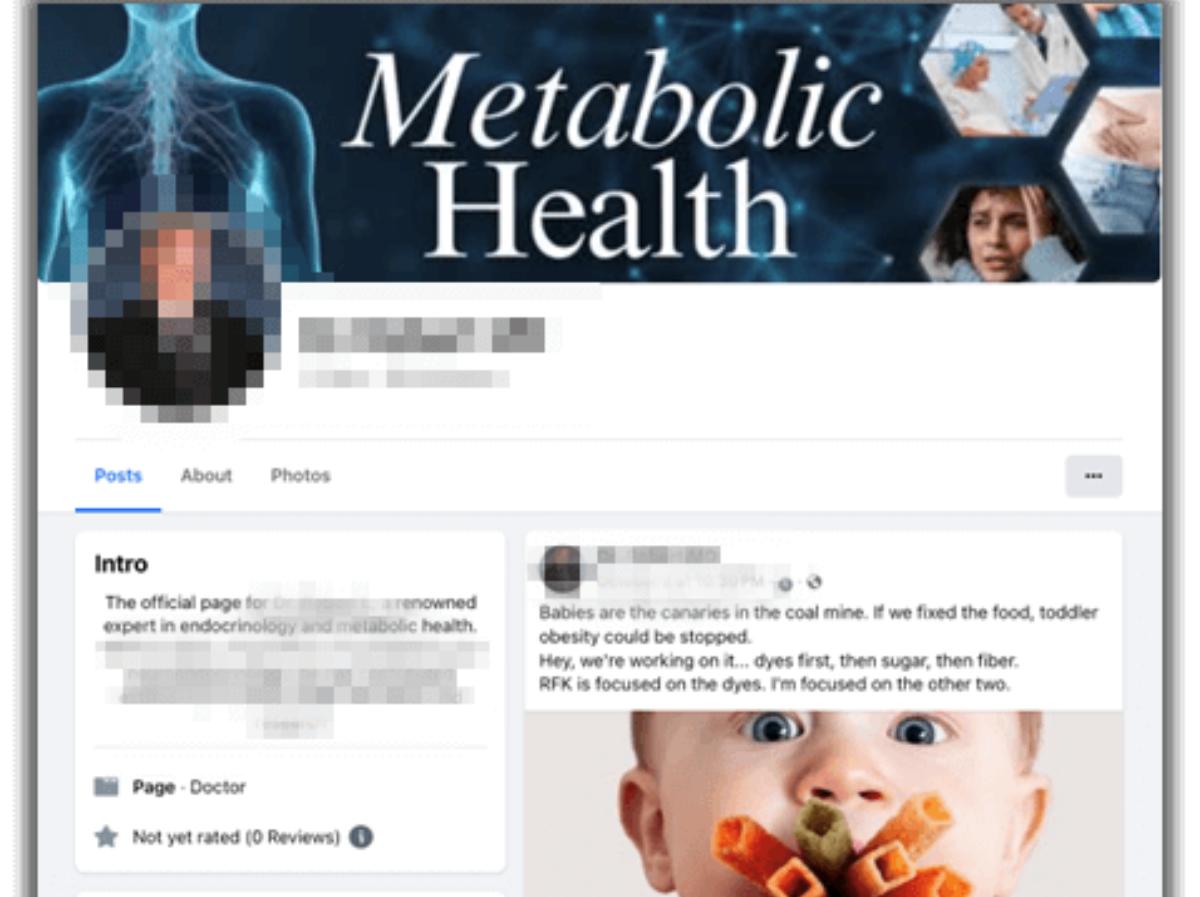
Check Point researchers have recorded a new wave of AI-fake pharmaceutical scams, in which criminals combine social engineering, deepfake and theft of medical brands. Artificial intelligence generates realistic photos and videos of “doctors” who allegedly recommend “revolutionary drugs”. These deepfake materials are published on fake social media accounts that copy the design of official clinics or associations.
One example was PEAKA GLP-1 Slimming Pearls — a fake product advertised as an analogue of FDA-approved drugs Ozempic and Wegovy. In reality, the product has no scientific or regulatory support, and is ineffective at best, and toxic at worst.
After clicking on the advertising link, the user is taken to a fake clinic website with a timer, fake reviews, and discounts. Payment is made through offshore services, after which the buyer either does not receive the product at all, or receives unlabeled pills of questionable composition. Check Point warns: even if the user believes that he is buying certified medicine, he may instead receive contaminated or inert substances that can cause serious complications or delay treatment.
Deepfake technology combined with AI marketing is becoming a new tool for cybercriminals. By imitating real doctors, clinics, and brands, scammers are using trust in medicine to increase profits.
The study shows that the scale of falsification is industrial – hundreds of new pages are discovered on Facebook alone every day. Stealing association logos and fabricated “patient testimonials” create the appearance of legitimacy, while deep AI integration allows campaigns to scale at almost no cost. This is a new type of cyberthreat, where digital disinformation directly affects people’s physical health. Protection against such attacks requires not only cyber education, but also medical due diligence — checking certifications, domains, and real contacts of clinics.
Users should avoid shopping via social media, check websites in official registries, and not trust “miracle cures.” For government agencies, this case is a signal to tighten control over online advertising of medical products.