In this article, you will learn about the life journey of Jimmy Chung, who, despite a difficult childhood and lack of support, became passionate about programming and discovered the world of Bitcoin. We will tell you how his passion for cryptocurrencies led to the accumulation of a significant fortune, but one fatal mistake cost him 50,000 BTC and led to his arrest.


Inside this tin was a single-board computer with $3.4 billion worth of bitcoins.
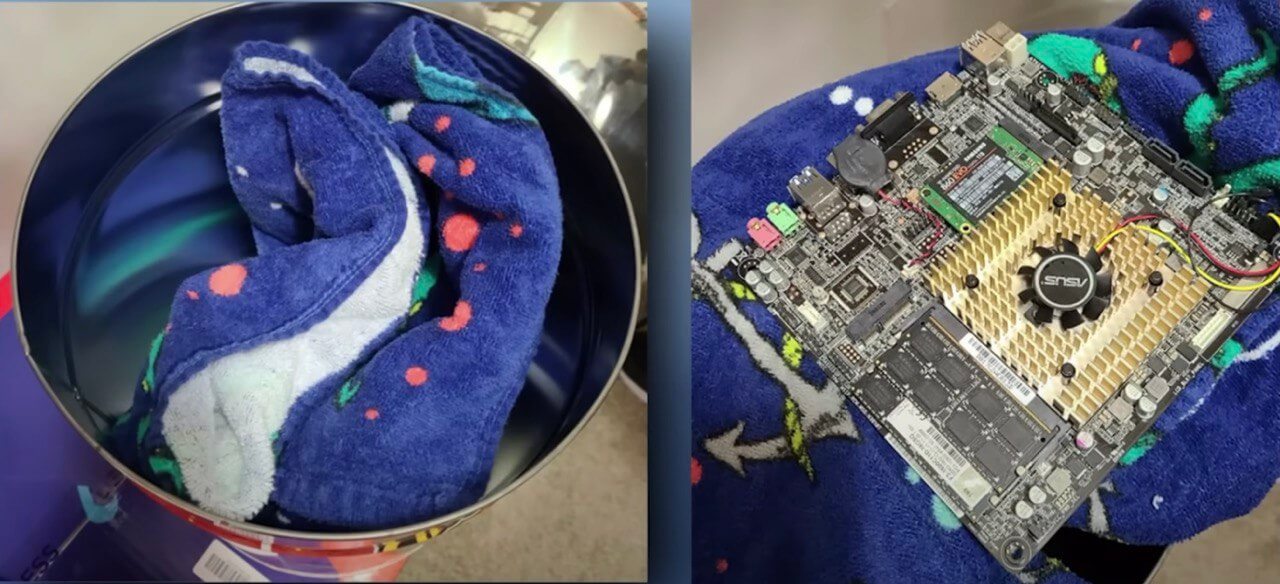
Ten years ago, Jimmy Chung got his hands on these coins, and the person from whom he received them expressed his gratitude by sending him additional coins as a reward. The question is, why is his house being searched now, all these years later?
After living life to the fullest, spending his millions mostly on impressing women, Jimmy made one mistake that led investigators to his fate. This is the story of how Jimmy Chung got caught in a trap, and how it only takes one mistake to land him in prison for life.
Jimmy was never one of the popular kids at school. As an Asian growing up in Cobb County, Georgia in the 1990s, he often felt like an outsider. He was constantly teased and bullied, called “fat, ugly, and weird.”
One of the most humiliating moments, according to Jimmy, was when his pants were pulled down in front of the crowd at a football game. He felt ashamed and helpless, especially since his parents were not there to support him.
His parents, first-generation immigrants from China, struggled to survive in a new country. His mother worked as a night nurse and was constantly sleep deprived. His father was never able to find steady work – he collected various junk on the streets and tried to resell it for pennies, and at other times he was forced to live in a basement.
When Jimmy went to high school, the situation at home only worsened. His parents divorced, leaving the boy without the support he needed during this difficult period in his life.
In search of recognition, Jimmy found solace in the world of computers. His room became a real refuge, where he could immerse himself in his dreams of a better life. No one could have imagined that this passion for computers would later make him one of the richest people on the planet. By the end of high school, Jimmy had already mastered many programming languages.
At school, he chose for himself the role of a quiet but intelligent boy. When classmates teased him, he hid in the world of books and mathematics, ignoring their ridicule. His intelligence helped him graduate from school with honors and win the prestigious HOPE Scholarship. Jimmy planned to enter the University of Georgia, hoping that this would finally impress his parents, but their indifference remained unchanged.
For Jimmy, entering the university was a turning point, which he calls the beginning of “real life”. However, the new stage brought new challenges: alcohol became his frequent companion, despite financial difficulties. In early 2009, during his first year of school, after the Christmas break, an unexpected opportunity opened up before him.
While browsing a programming forum, Jimmy came across a post about a new digital currency, Bitcoin. Thanks to his programming knowledge and natural intuition, he became one of the first to start mining coins on his laptop. Every day he managed to earn several hundred coins, although at that time their value was practically zero.
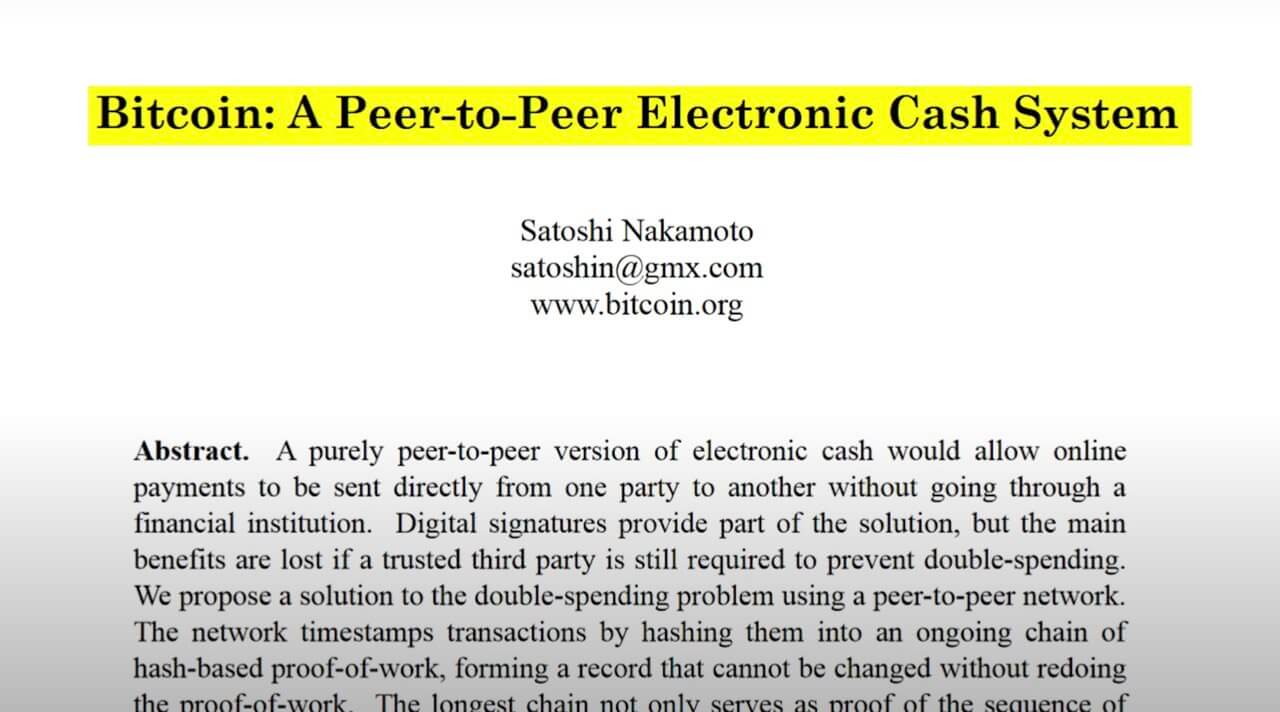
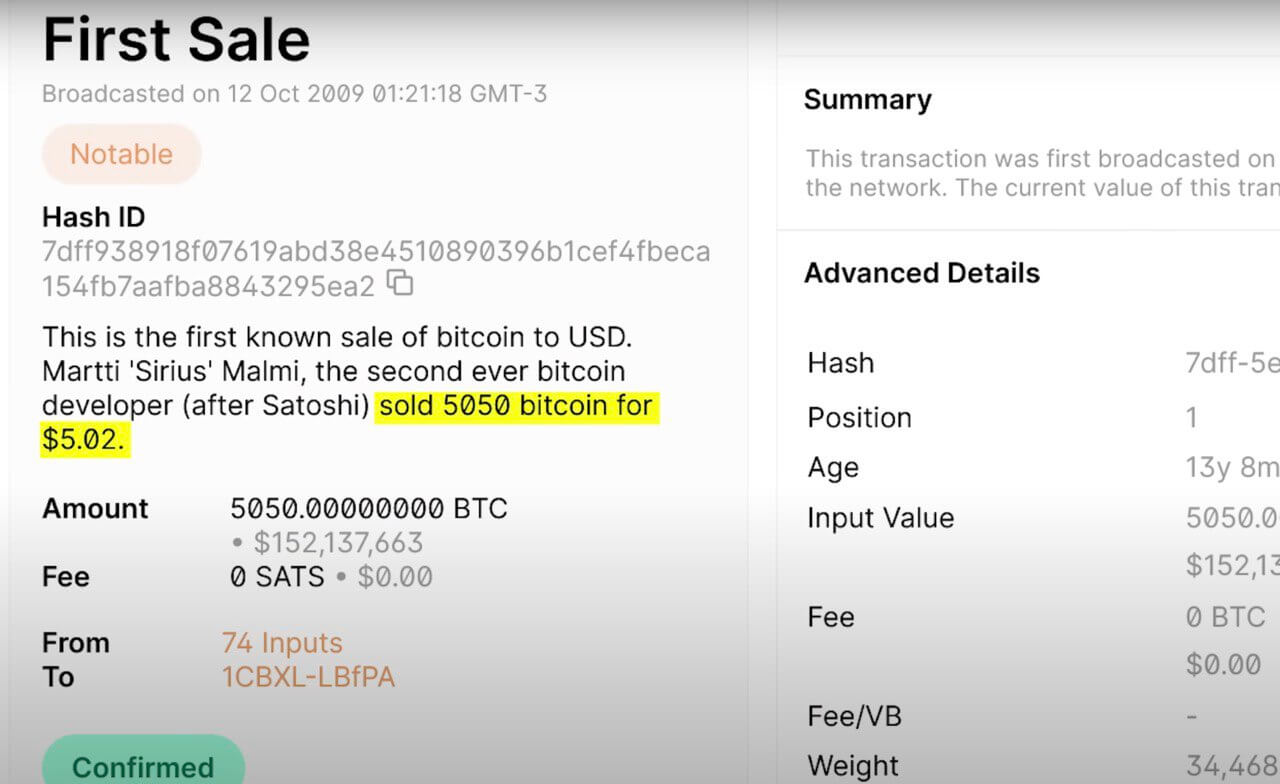
One guy managed to sell 5,000 coins for $5, but that wasn’t even enough to buy a case of beer. So Jimmy turned off his miner and forgot about them until 2011.
Bitcoins were important to him, but not as much as they were in 2011, when their value suddenly rose to $30 a coin. Then Jimmy remembers the coins he mined two years ago, but realizes he can’t find them. They’re gone, and he can’t remember where he saved them on his laptop.
Now 21, he’s actively involved in the Bitcoin community, creating an account on Bitcoin Talk with a nickname that refers to his dream car, a Mercedes-Benz 300 SD. Despite his small income, he mines and becomes part of the community.
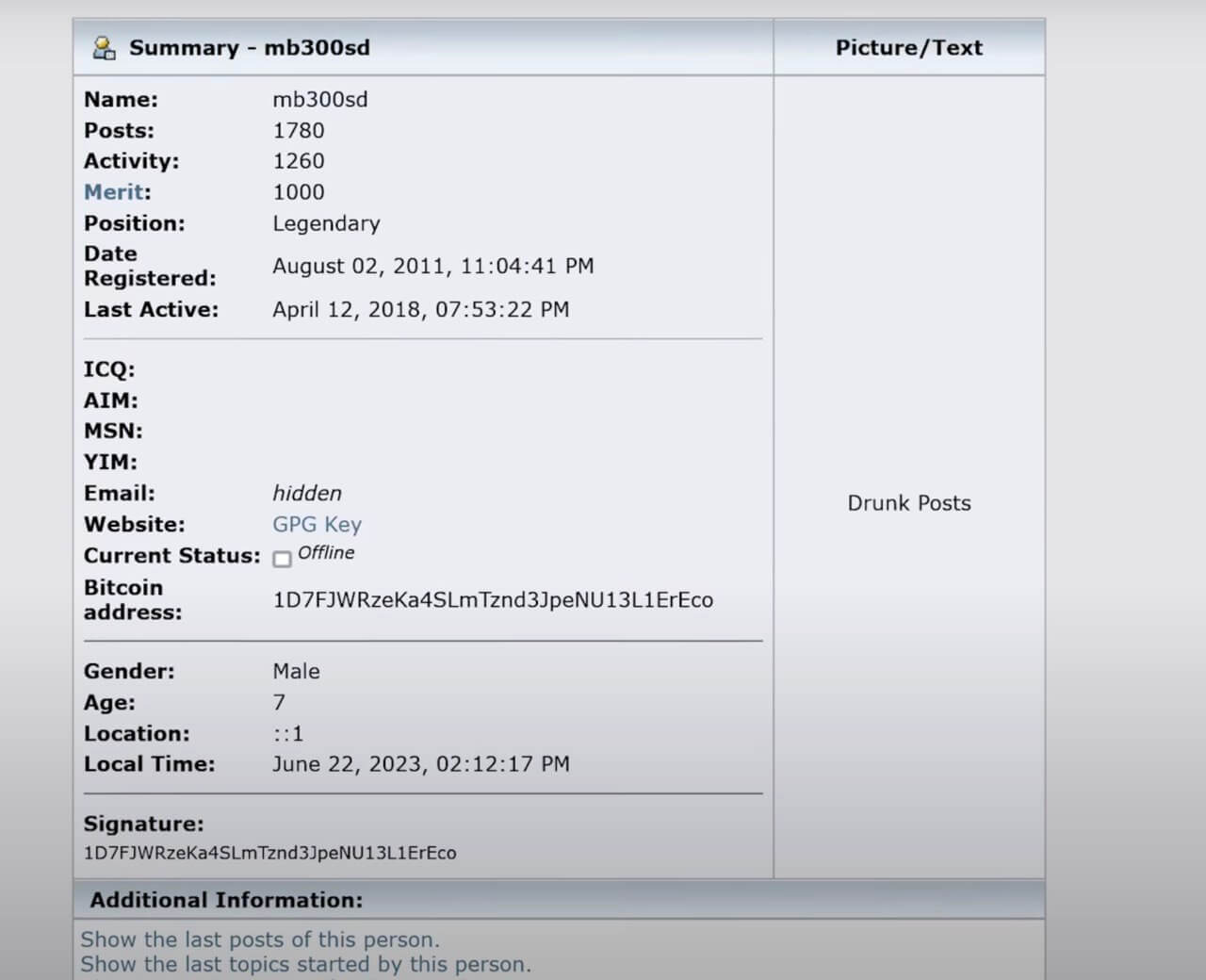
It is interesting to note that Jimmy’s first post was about the process of Bitcoin mixing. Due to the fact that every Bitcoin transaction is public information on the blockchain, it turned out that the anonymity of this digital currency is less absolute than previously believed.
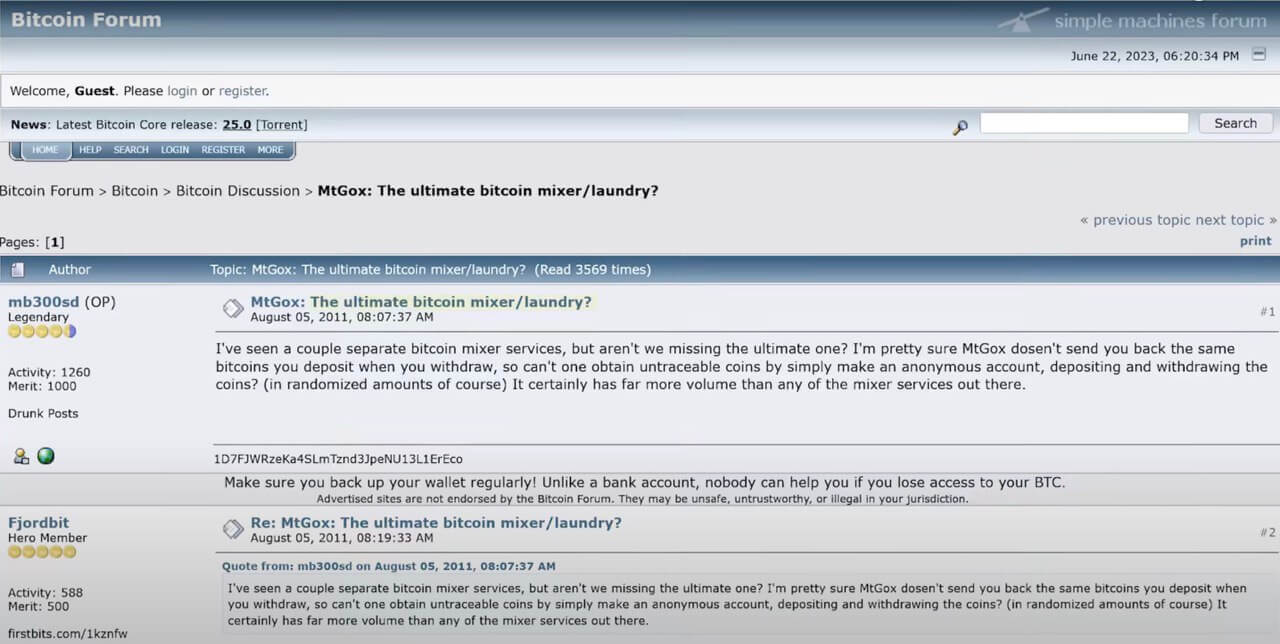
The process of mixing bitcoins, which involves obfuscating a digital trail through a series of transactions, was well understood by Jimmy. This method made it much harder to track, and although it was crucial, Jimmy was only just starting to make a small profit at the time. What seemed like a complicated process to many was like mining rare resources, but Jimmy felt at ease with it.
He also became interested in gambling and created his own website, where he earned income from paying users. His interest in risk led him to create his own game, as well as to improve the technique of mixing bitcoins to increase the anonymity of cryptocurrency transactions.
More importantly, Jimmy was able to recover most of the bitcoins he mined in 2009, although about 5,000 coins were lost due to a hard drive failure. There was a chance that data recovery professionals could recover some of these funds.
His success turned into non-stop partying, where he regularly drank himself to the point of unconsciousness. For six years, he lived a carefree life, spending his billions of dollars on alcohol and drugs. While he was living like a rock star, a new infamous site appeared on the darknet – Silk Road.

“You could get any drug you wanted, and you had to pay with Bitcoin.”
As an active internet user, Jimster learned about Silk Road, a notorious drug-trading site for Bitcoin. He decided to use the site for his own personal purposes, perhaps to remain anonymous in his addiction to illegal substances.
After a few transactions, Jimster decided to withdraw Bitcoin from the site. In the process, he accidentally confirmed the withdrawal twice. To his surprise, both withdrawals were successful, and he received twice as many coins.
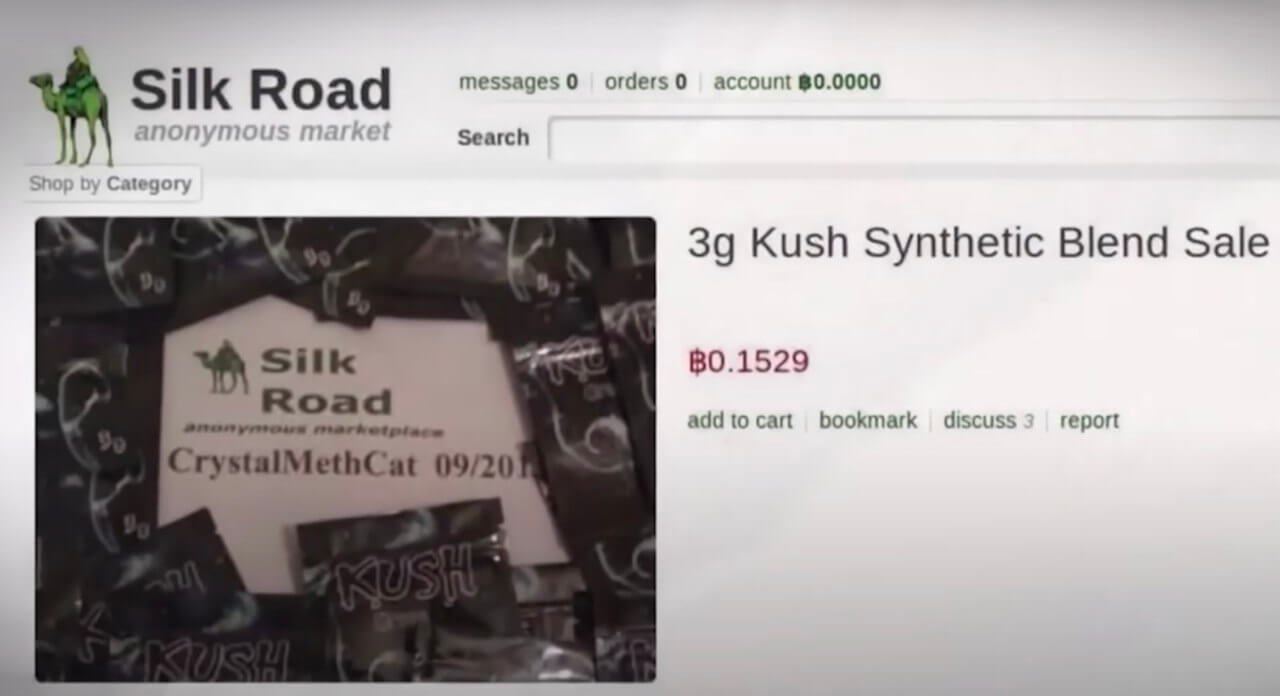
Jimmy discovered a bug in Silk Road’s code that allowed him to withdraw money an unlimited number of times. He decided to test how serious the bug was and created a new account on the site under the name The Tormentor.
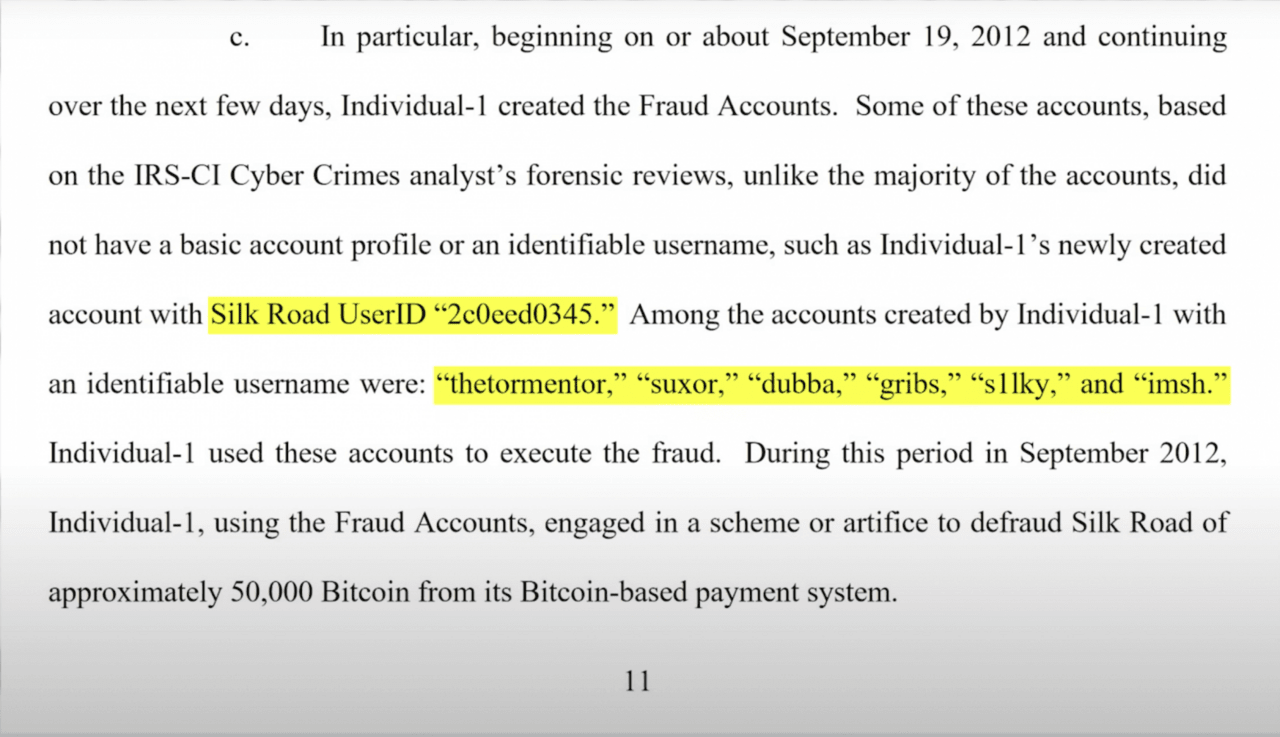
On September 19, 2012, Jimmy deposited 500 bitcoins into his account, then quickly made five withdrawals, resulting in 2,000 bitcoins. That same day, he repeated the operation and earned another 1,000 bitcoins. As a result, he received 3,000 bitcoins, which at that time was equivalent to about $30,000. This was an amount that significantly exceeded his previous income and opened up new prospects for him.
However, this turned out to be a serious mistake, since the mechanism effectively allowed him to generate bitcoins without limits. The fact is that bitcoins could not appear out of nowhere. Silk Road, a famous darknet site, offered a bitcoin mixing service that guaranteed users anonymity when making transactions. When depositing bitcoins, they were mixed with other users’ deposits, making them difficult for law enforcement to track.
Jimmy decided to test how many bitcoins he could get through Silk Road. His actions caught the attention of the site’s administrator, who immediately took steps to protect him. Jimmy described this experience on the Bitcoin Talk forum, causing quite a stir. Of particular interest was the largest Bitcoin address at the time, which held about 500,000 coins, worth about $5 million. People were eager to find out who owned this address, and many believed it belonged to Silk Road.
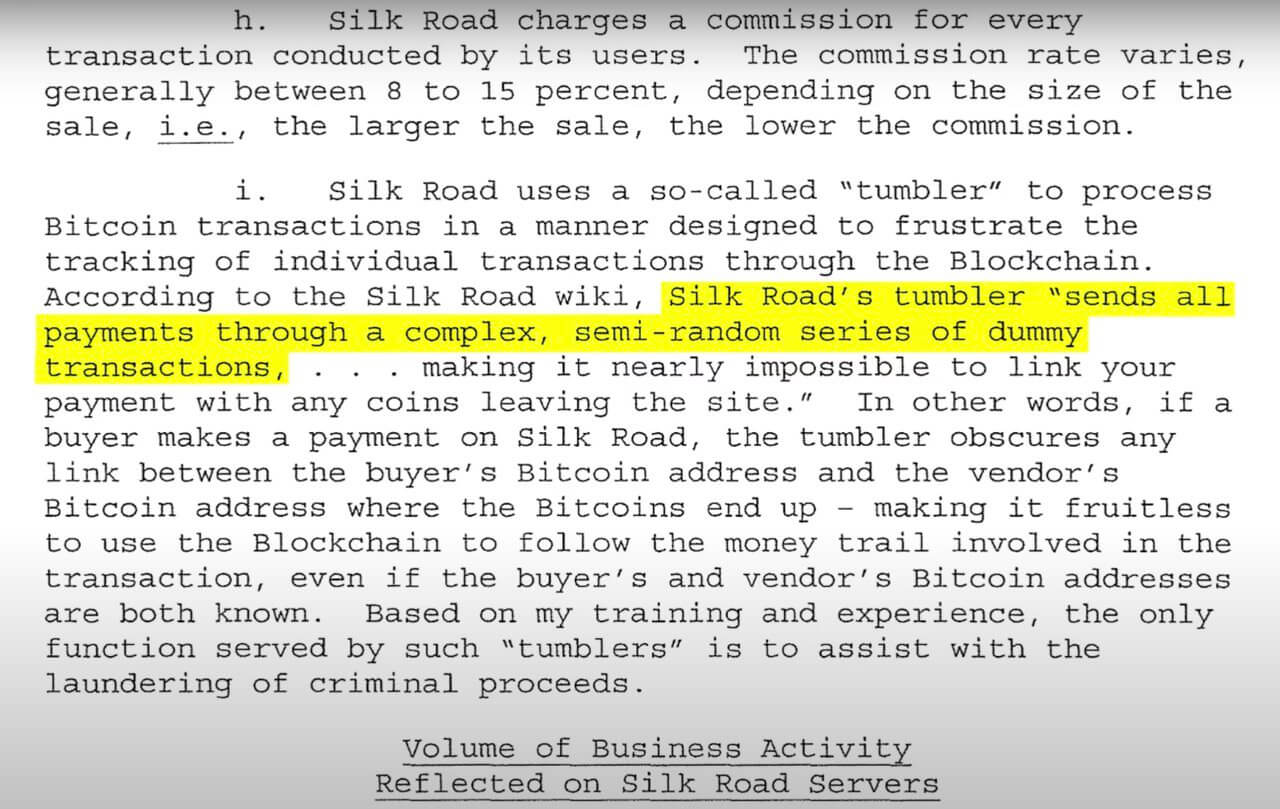
Jimmy decided to share his knowledge: “I’ve been studying mixer lately,” he said, “Mixer does absolutely nothing to hide the fact that you’re using Silk Road.” He referred to his research on blockchain and added, “It looks like they’re moving about 50,000 bitcoins back and forth every day or two.”.
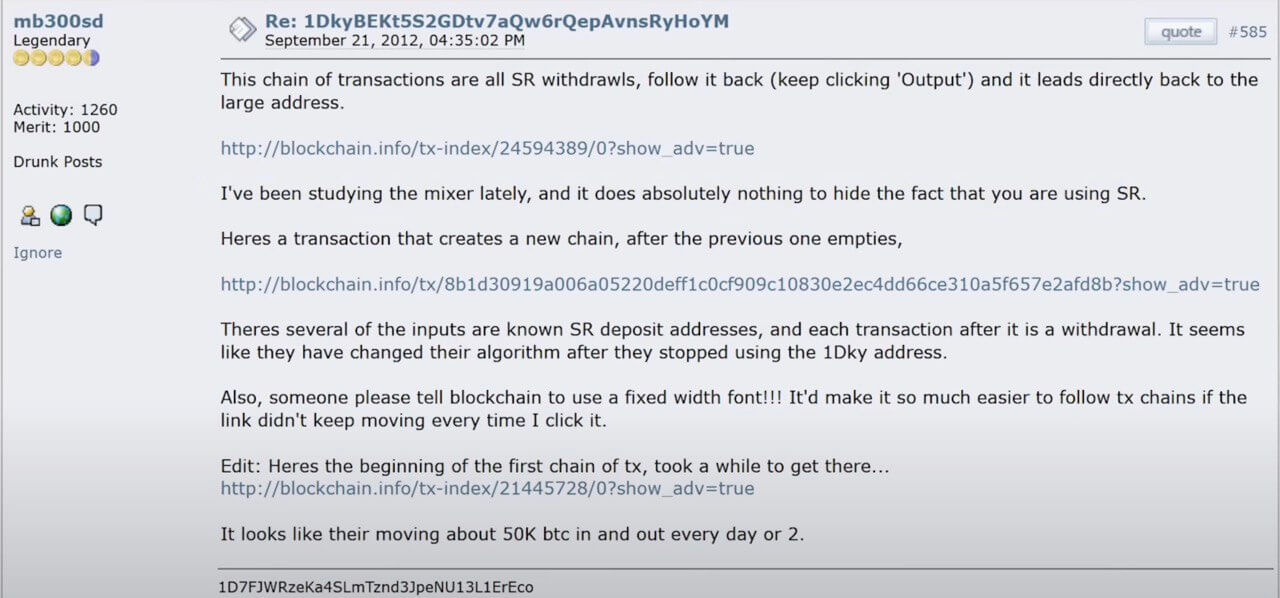
Jimmy knew that if he kept an eye on the blockchain, once Silk Road released the coins to the withdrawal pool, he could withdraw them. He acted quickly. He posted on September 21, and by September 24, using nine different accounts and making over 140 transactions, he had executed his plan. At that point, the coins were worth $620,000. Silk Road was making its money from commissions on sales, and the total earnings were 614,000 coins, of which Jimmy received only one-twelfth.
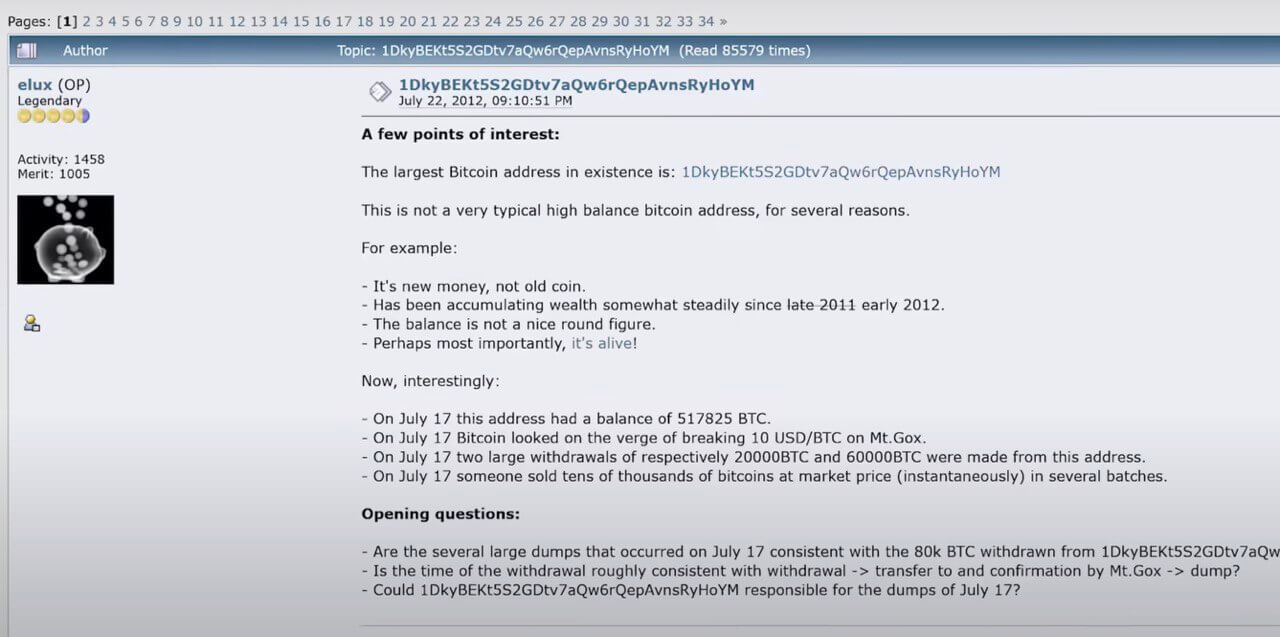
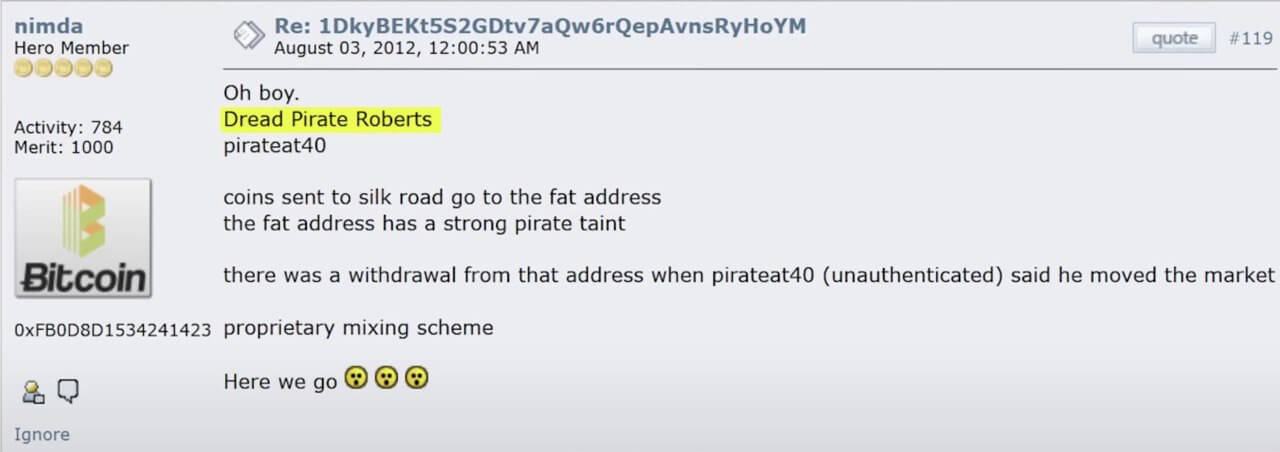
A few days after Jimmy got his hands on the coins, Silk Road author Dred Pirate Roberts contacted him. He didn’t demand the coins back or make any threats, but simply wanted to know how the theft was carried out. He even sent Jimmy additional coins as a thank you for the explanation.
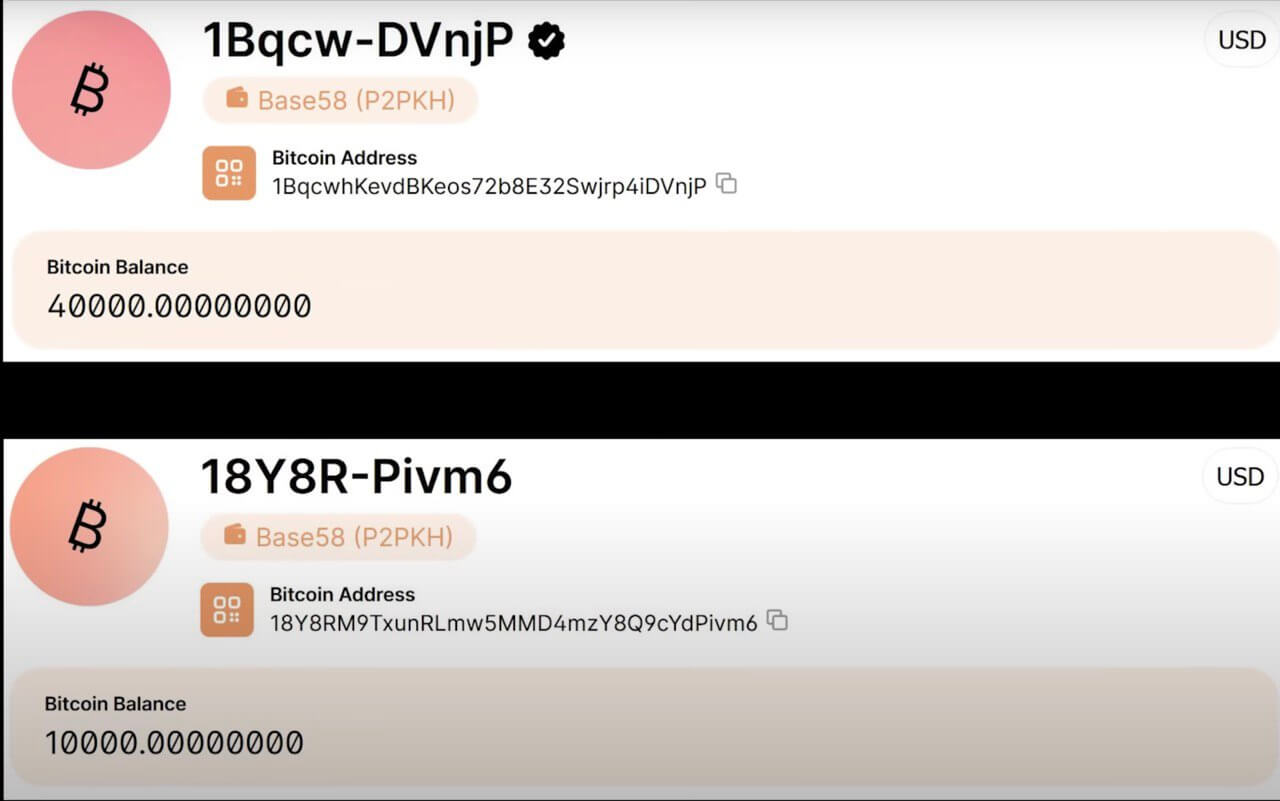
Thus, Jimmy Jam, a young man suffering from alcoholism, gambling and drug addiction, received almost a million dollars. He did nothing with this wealth. He put 40,000 coins in one wallet and 10,000 in another. It is difficult to imagine what was going through his mind at that time.
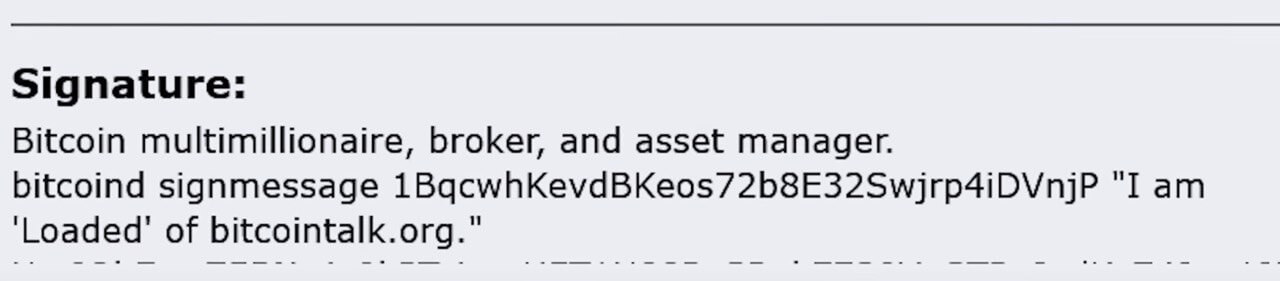
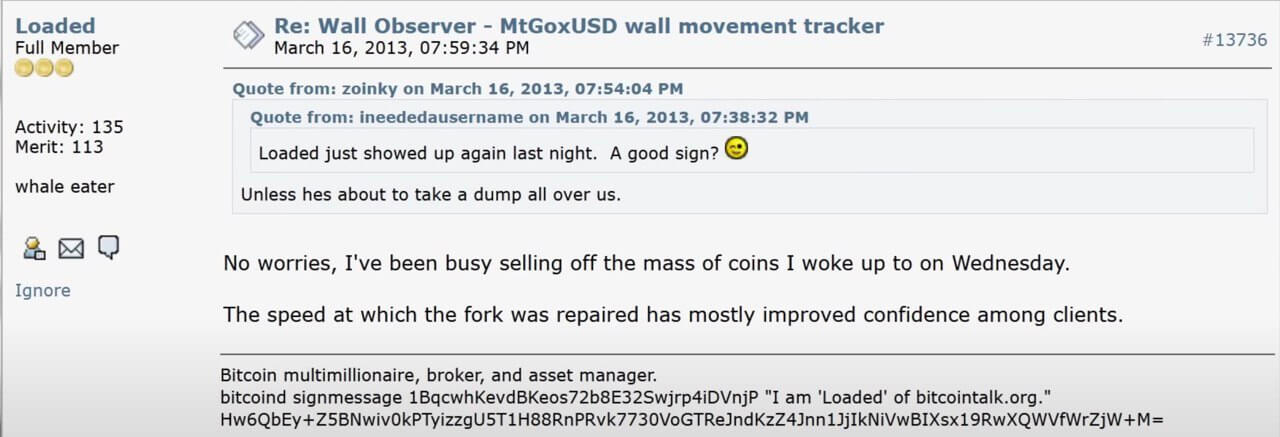
Meanwhile, poor and socially oppressed Jimmy felt the need to show off his new wealth a little? So, in November 2012, just two months after stealing the coins, he created a new account on the Bitcoin Talk forum under the nickname Loaded. This not only became a source of pride for him, but perhaps his first mistake. In his profile he indicated: “Bitcoin multi-millionaire, broker and asset manager”, while using his address with 40,000 coins as a symbolic message – proof of his financial situation.
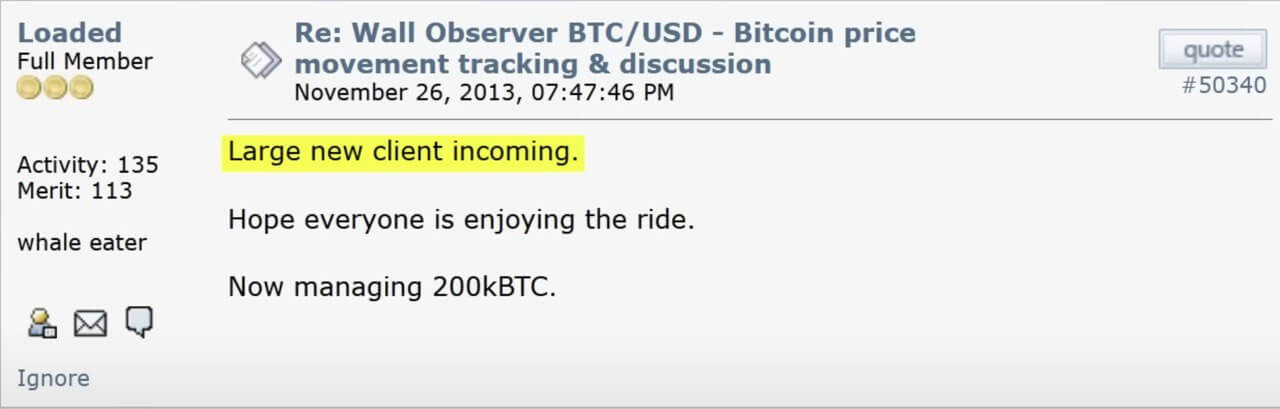
And all he does is post about being some big Bitcoin asset manager. In one post, he says he’s landed a big new client and now manages a total of 200,000 coins.
In another post, he brags that he is personally responsible for the recent market swings because he sold off significant amounts of his clients’ assets. He even tells more absurd stories, such as regularly flying to China on private jets with cash to buy bitcoins at a bargain price during client trades. It seems that Jimmy either created the fictional company Wealth Manager Arc to raise more funds and start a Ponzi scheme, or he was simply a troll.
Jimmy must have enjoyed his game of deception. He liked to appear successful and important. Although he never publicly admitted the true origin of his bitcoins, and he didn’t go to great lengths to hide it, it would have been better for him to keep it a secret.
By the end of 2013, the situation with the theft of bitcoins from Silk Road had reached a critical point. In October of that year, the FBI shut down the site. 170,000 bitcoins were seized from Silk Road founder Ross Ulbricht, but that was only a small fraction of his profits. Authorities were actively searching for the remaining 614,000 coins that had disappeared.
Jimmy knew that trying to sell the stolen bitcoins through an exchange could lead to problems, as the feds could force the platform to reveal his identity. So he had to figure out another way to cash his money without being caught by law enforcement.
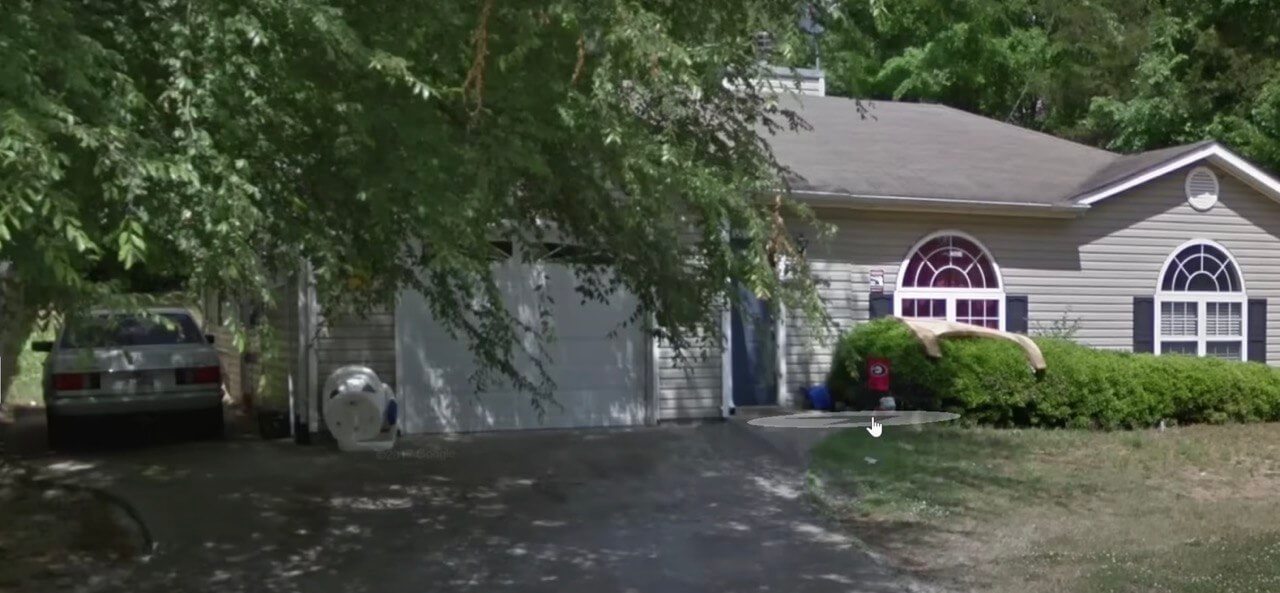
By the time he graduated from college in 2014, Jimmy had $30 million in bitcoin, at a price of just over $500 per coin, and he would never have to work again if he managed his money properly. He got bored and started enjoying life, buying the Mercedes-Benz he had always dreamed of and a modest home in Athens, Georgia.
You can see his car parked in the driveway, and the Georgia Bulldog sign on the house was a testament to his passion for the university’s sports team. Jimmy was a devoted fan of the team, but above all, he wanted to use his money to make an impression.
Trips to Miami, paying for trips for friends, generous gifts in bitcoins – all these entertainments were paid for by Jimmy. With the exception of a short stint installing alarm systems in the summer of 2009, Jimmy never worked.

All of this was financed entirely by selling cryptocurrency. As the value of the coin rose, he even regretted buying the house for full price. It cost over 1,000 coins when he bought it, and now it’s only worth 300.
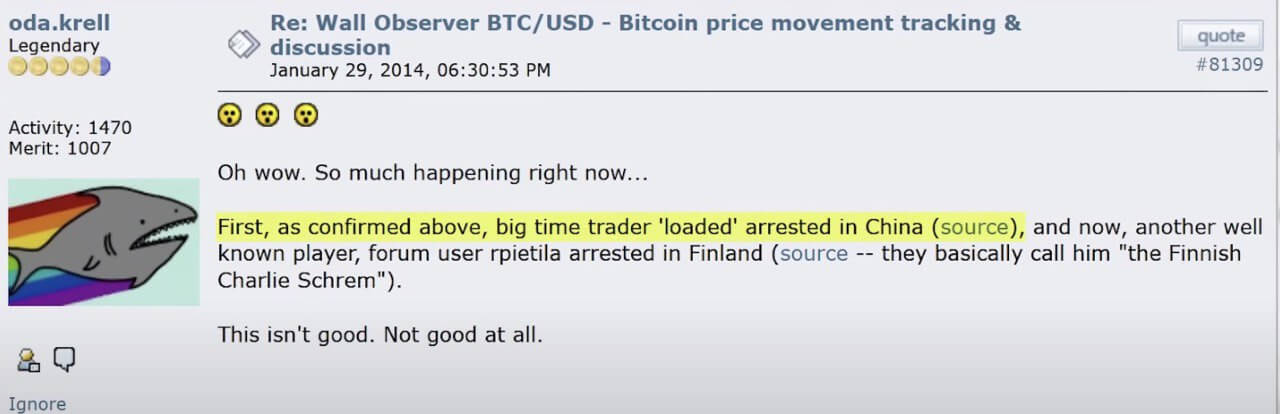
However, this did not prevent him from diving into a chaotic lifestyle. Over the years, Jimmy went deeper and deeper into his entertainment, his activity on the Bitcoin Talk forum decreased. Most often, he replied while drunk. Sometimes he even posted drunken posts on Loaded, and then continued the dialogue and replied to himself from his Mercedes-Benz account.
Despite his luxurious life, Jimmy continued to lead a chaotic and disorderly lifestyle. Over time, he became more and more immersed in entertainment, and his activity on the Bitcoin Talk forum gradually decreased. He often left messages while intoxicated, and even created posts under the name Loaded, after which he replied to himself under the pseudonym Mercedes-Benz.
This behavior seemed strange enough, but one of his posts caught his attention. It joked that the price of Bitcoin had fallen because Loaded had been arrested. The irony is that this joke turned out to be much closer to reality than one might have imagined.
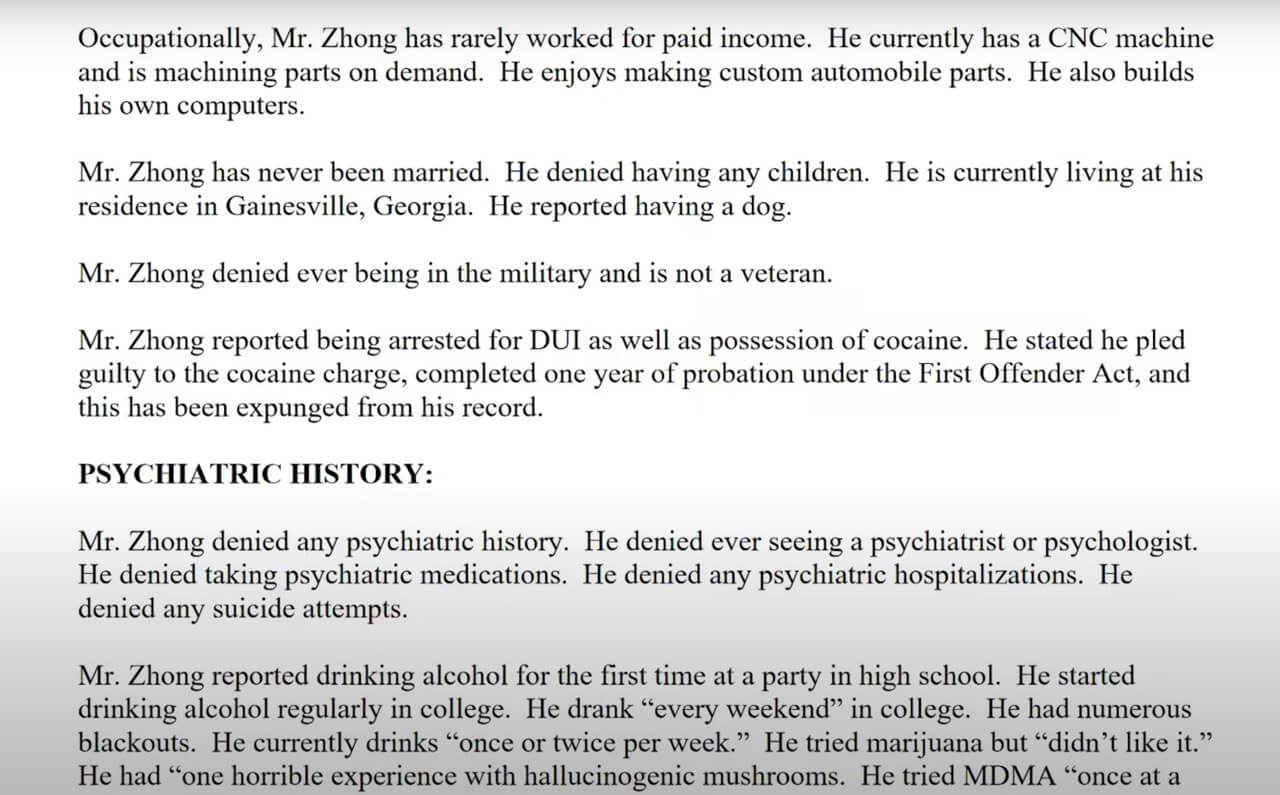
In 2016, Jimmy was arrested at Eddie’s Calzones for possession of cocaine. An off-duty police officer saw Jimmy use a spoon from his keychain to dip it into a bag of white powder.
Jimmy was eventually given probation and the charges were later dropped. Despite this, his actions, such as buying a house with cash, could have drawn the attention of the tax authorities. However, Jimmy always paid taxes on the sale of his bitcoins honestly, demonstrating extraordinary caution.
Interestingly, all of his entertainment expenses were financed exclusively with legally mined coins. For five years after the Silk Road hack, he did not sell a single coin obtained from this operation. It seemed incredible. Jimmy kept 50,000 coins, despite wild market fluctuations. He saw their value reach tens of millions of dollars at certain points and then plummet, depriving him of entire fortunes.

He just posted pictures and said that the only thing that kept him going during these wild market swings was drugs. However, that was about to change, because in 2017, Jimmy would make a post from the Loaded account that would make him famous on Bitcoin Talk and bring him more attention than he had expected.
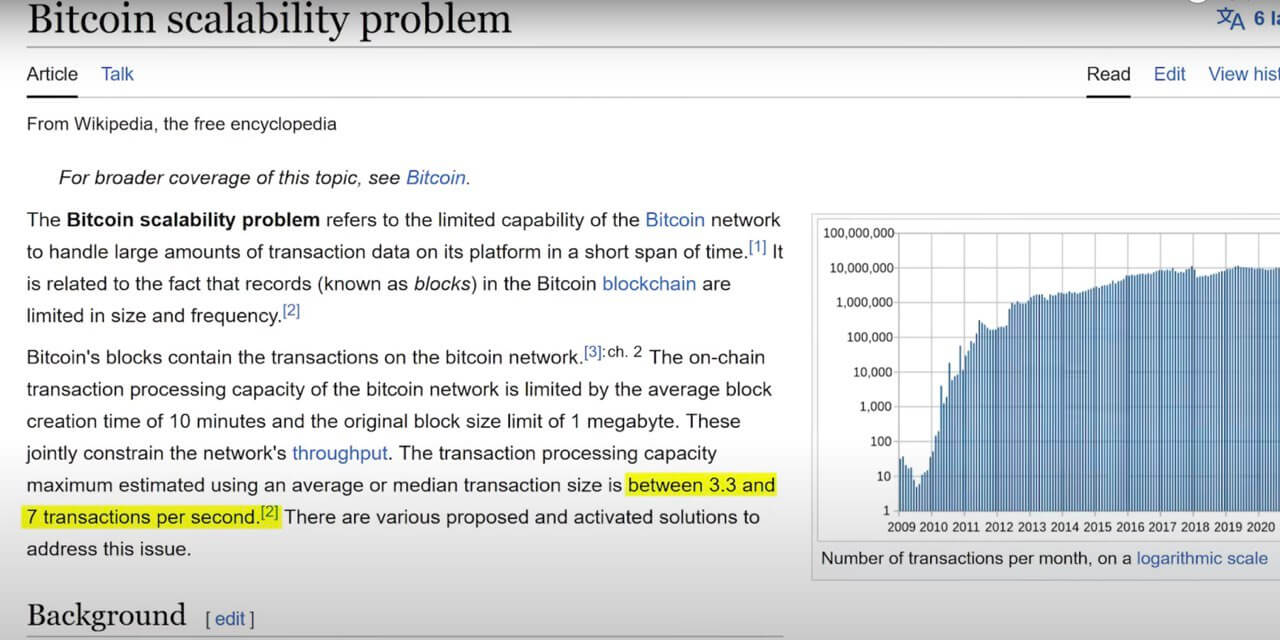
In 2016, Bitcoin gained immense popularity, ending the year at just under $1,000. However, this also led to some problems. The Bitcoin protocol was only capable of processing a few transactions per second, and the increasing load slowed it down significantly. As Bitcoin grew in popularity, it required the ability to process thousands of transactions per second while also maintaining low fees.
In 2017, a debate erupted within the Bitcoin community over how to increase the network’s bandwidth. One group believed that this required increasing the block size, while another group warned that this could reduce the security of the network. As a result of this conflict, a new cryptocurrency, Bitcoin Cash, emerged, which increased the block size to 8 MB.
To ease the transition, each Bitcoin owner received an equivalent amount in Bitcoin Cash. Jimmy decided to keep not only his 50,000 Bitcoins, but also an additional 50,000 in the new currency. However, not everyone shared his enthusiasm for the idea. The community was divided into two camps: some supported Bitcoin, believing that the new altcoin would not be able to gain credibility, while others believed that scalability problems would doom Bitcoin to failure and that Bitcoin Cash would be its worthy successor. Jimmy remained on the side of Bitcoin supporters.
On March 21, 2017, five months before the launch of Bitcoin Cash, Jimmy made his most famous post on Loaded. In it, he offered Roger Weir, one of the early Bitcoin followers, an investor in a Bitcoin company, and a Bitcoin Cash supporter, a speculative deal worth $60 million. This proposal generated considerable interest among the community and solidified Jimmy’s reputation as a kind of hero among Bitcoin supporters, where support for altcoins and cash was rather weak.
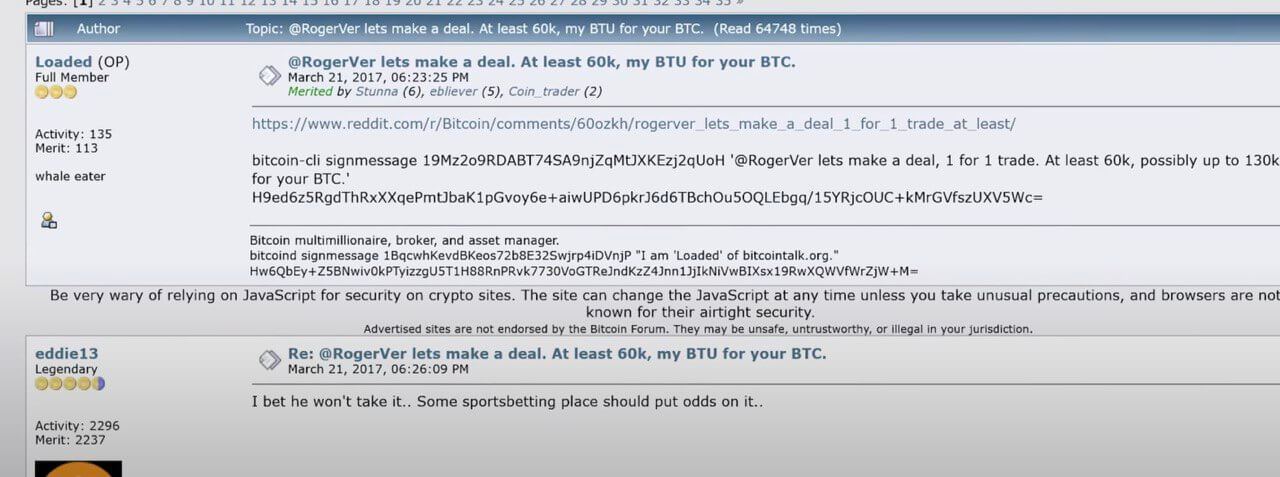
Roger was heavily criticized, claiming that he had to accept the deal or it would be seen as a bluff that showed his doubts about Bitcoin Cash’s potential success. The news of the offer even became a topic of discussion on Reddit, with many not believing that Roger would go for the deal. To everyone’s surprise, he agreed, but asked for 48 hours to think about it. In response, Jimmy noted that he had not yet been given the contract, and this was his last message.
Over the next few months, Roger wrote repeatedly that he had tried to contact Loaded, but to no avail. The deal never happened, and Jimmy simply disappeared. He even stopped being active on his Mercedes-Benz account. Roger’s confidence probably made Jimmy doubt his actions and perhaps even change his mind about the potential success of Bitcoin Cash.
Meanwhile, someone on Reddit may have traced Jimmy’s coins to Silk Road. Although Jimmy ran the coins through a mixer to hide the transaction history after receiving them from Silk Road, it did not have the desired effect. Mixers are not capable of completely hiding the transaction history, especially when it comes to such a large number of coins.
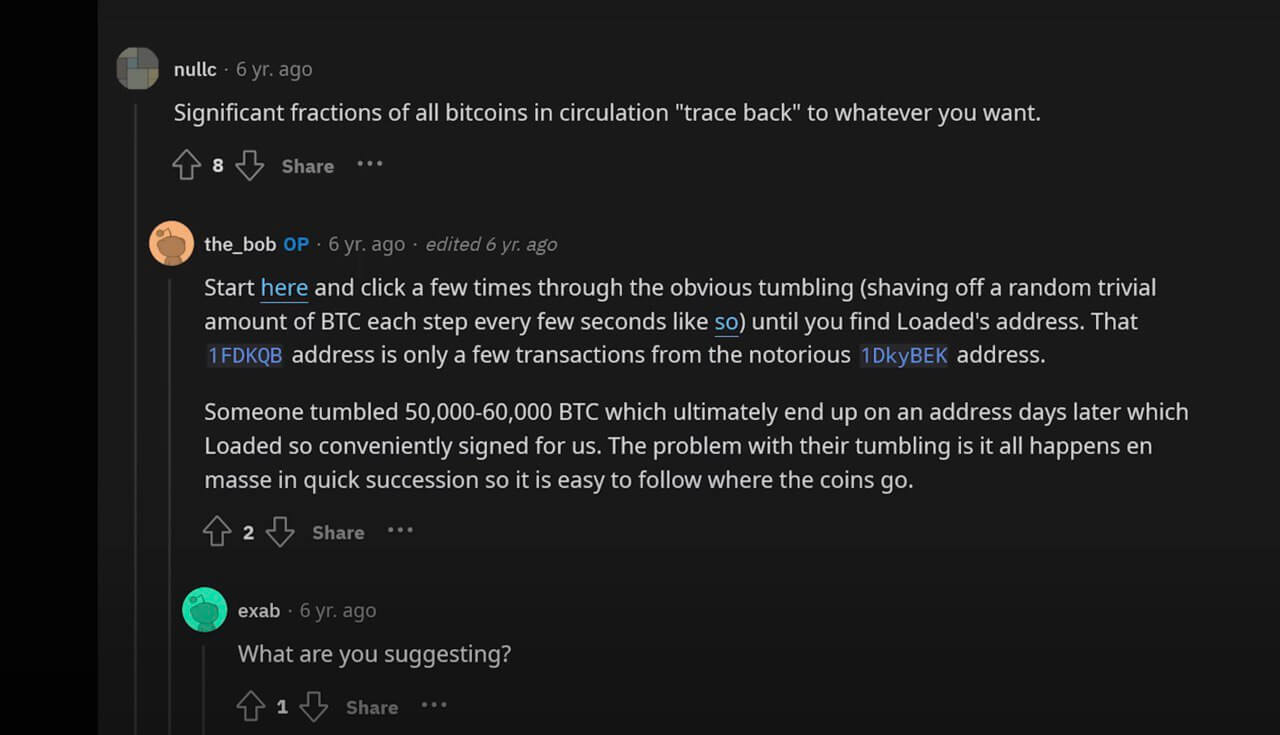
By analyzing the Bitcoin flows, it was possible to establish that they all belonged to one user. The final destination was the address with 40,000 Bitcoins, which was listed on Jimmy’s Loaded profile. This confirmed that the coins belonged to him, and their path from Silk Road could be clearly traced.
Unfortunately for Jimmy, the deal with Roger never happened, and on August 1, 2017, Bitcoin Cash hard fork occurred. This cryptocurrency was unable to surpass Bitcoin in popularity. While Bitcoin was experiencing its biggest rise, reaching a peak of $20,000 per coin, Bitcoin Cash was only worth about $3,500 and did not gain any real trust in the community.
For Jimmy, walking away from the deal with Roger turned out to be a serious mistake, costing him $973 million. After the fork, he took his Bitcoin Cash to an overseas exchange, sold it, and bought another 3,500 bitcoins. In 2017, the value of these coins peaked at $68 million—far less than the potential additional billion he could have earned. However, Jimmy was left with 53,500 bitcoins, which at current prices were already worth well over a billion dollars.
Interestingly, Jimmy was not shy about spending the 3,500 coins he received for virtually nothing. Thanks to this, he easily earned $16 million using only a fraction of his new assets.

He’s 28 years old, and the most he’s ever wanted to buy is public recognition. He’s bought himself a few Lamborghinis, a boat, a few jet skis, a motorcycle, spent hundreds of thousands on yachts, private jets, putting friends up in five-star hotels, going to nightclubs, sporting events, and all at Jimmy’s expense. He’s even giving away Bitcoin again, this time five USB drives with 50 coins in them, each worth about a million dollars.
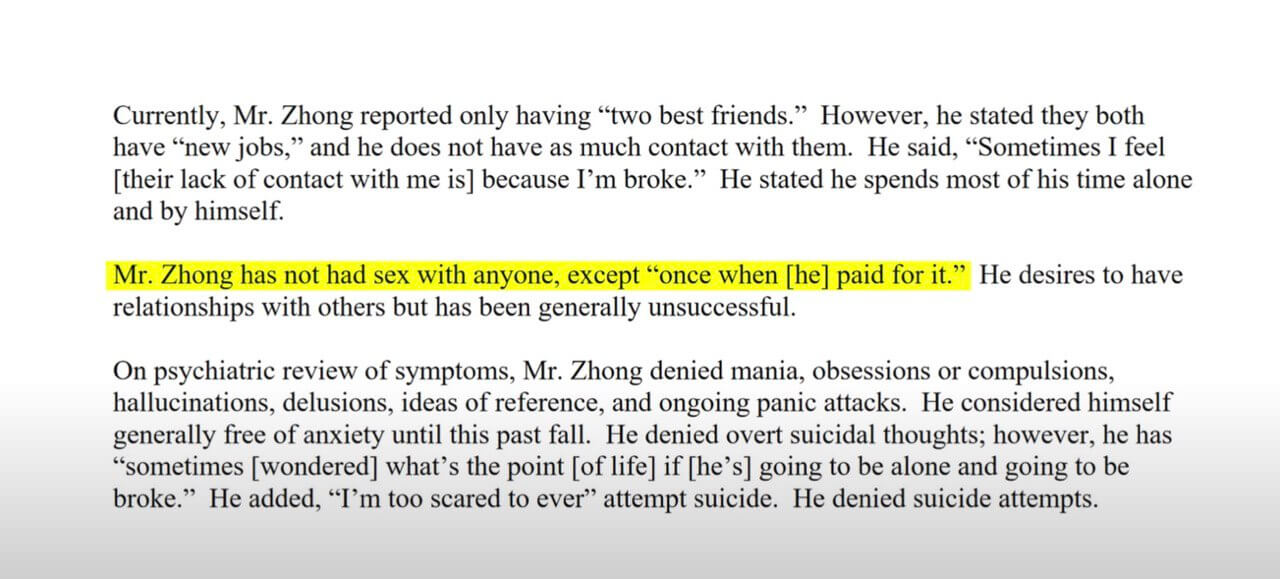
Being Jimmy’s friend has been pretty lucrative. At one point, this crazy guy even cashed out $700,000 in cash so that, I quote, “he could have a suitcase full of money, like in the movies.” He hoped that would impress a woman into having sex with him. He later admitted that the plan didn’t work. In fact, he hasn’t slept with anyone, except for the one time he paid for it.
In 2019, Jimmy met Clayton Kemker, who was interested in real estate development, and they decided to join forces to create a joint company. Jimmy was to finance the project by investing $9.5 million and pledging another $32 million to obtain a loan of $60 million. Clayton was convinced that Jimmy was a genius in the world of computer technology, who very early on got involved in BTC mining. However, he did not know all aspects of Jimmy’s life.
Jimmy’s life again attracted more attention to him than he expected. In late March 2019, while living in his house on Root Street, Jimmy told the police that a briefcase containing $400,000 in cash and a flash drive with personal information had disappeared from the house while he was away. There were probably millions of dollars worth of Bitcoin there, but he did not disclose this to the police. According to Jimmy, the thief knew where to look because the briefcase was hidden behind an air vent. The police were unable to find the suspect or the money, but the incident piqued the interest of the IRS.
The IRS began its investigation, unaware of Jimmy’s connection to Silk Road. Their job was to verify the legality of his income. Unfortunately for Jimmy, they accessed his web history and discovered that his IP address had been used to visit a cryptocurrency exchange since March 2017. The IRS obtained all of his Bitcoin transactions from the exchange. Jimmy made a serious mistake by not using a VPN to hide his activity and his real IP address. Now, everything he did was under close scrutiny.
Feeling unsafe after the robbery, Jimmy moved to a new home in Gainesville, hoping to keep his peace. However, the investigation was gaining momentum, and his actions on the Internet began to cause more and more problems.
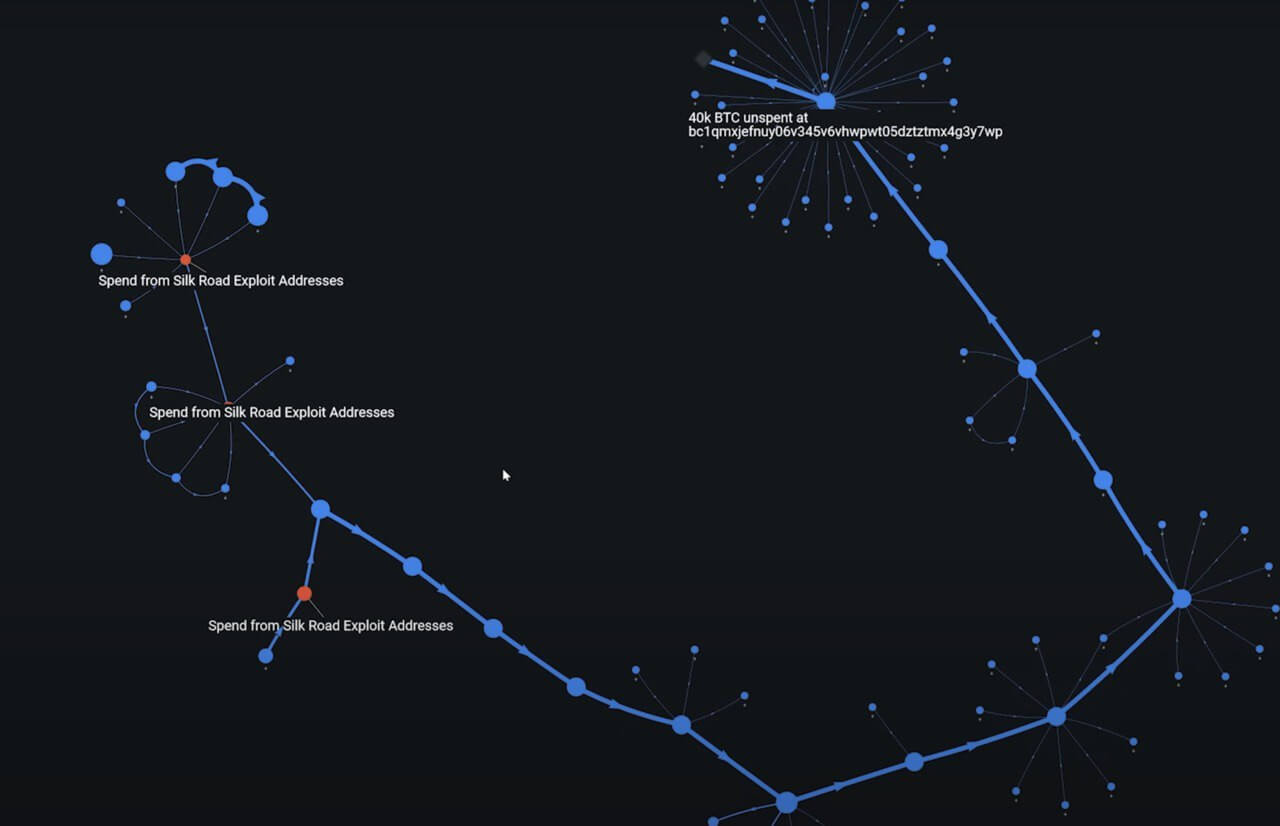
The IRS scrutinized Jimmy’s every financial transaction, revealing the details of his Bitcoin-to-US dollar exchanges. They took advantage of blockchain technology, which is an open ledger of all transactions. In traditional investigations, such transparency would be very useful, but the key challenge was identifying the real people behind the digital addresses. Fortunately for the IRS, companies specializing in Bitcoin tracking have already made this task much easier.
In the case of Silk Road, for example, all the addresses associated with the platform were tagged in specialized tracking programs. And while Jimmy’s coins, as was discovered back in 2017 on Reddit, did not directly lead to such tags, any sale on a crypto exchange could have exposed him. If he had sold even one coin associated with Silk Road, it would have been a fatal mistake. But Jimmy was more cautious. But even the most well-thought-out schemes can collapse with a single blunder.
This blunder occurred on September 9, 2019, just a few months after he went to the police. Jimmy sold 118 bitcoins on a crypto exchange. It is important to note that these were coins that he had obtained legally. However, one nuance of bitcoin transactions comes into play here. They can have multiple outputs.
For example, if a payment is made for 6 coins from an address containing 10 coins, the remaining 4 are automatically sent to a new address created by the wallet program. This feature, which can be used to increase privacy, turned out to be a trap for Jimmy. Although he was selling his own “clean” coins, the connection between the addresses led investigators to other transactions that eventually linked him to Silk Road. One careless step was enough to begin to destroy the entire protective mechanism that Jimmy had so carefully built.
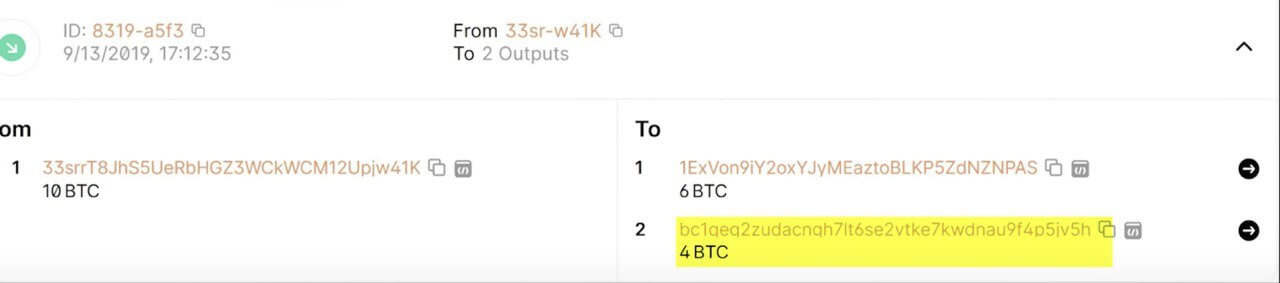
In Jimmy’s case, when selling 118 bitcoins, multiple exits were used to receive the required change. Approximately 0.077 bitcoins were sent as change to one of these exits (the new address).
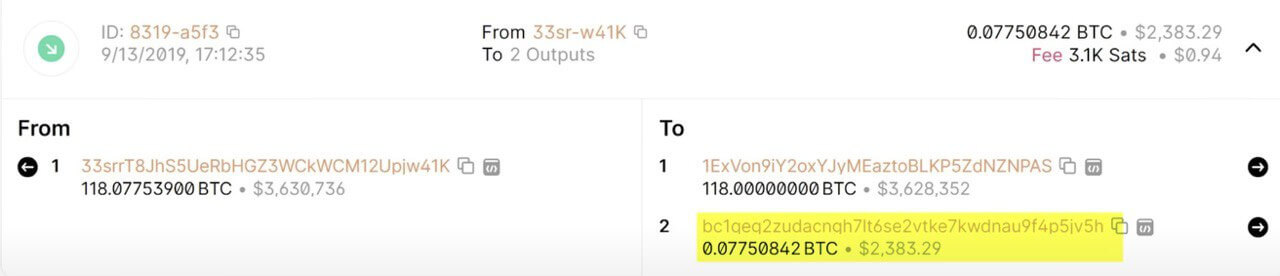
It was a “safe deposit box” designed to accept change, and Trevor McAleenan knew that it belonged to Jim. But that still didn’t connect him to the Silk Road money. Moreover, at the time, the IRS had no idea Jimmy was involved with Silk Road. The answer lay in the details of the address change.
On November 24, 2020, Jimmy decided to reorganize his Silk Road-related funds by reconfiguring them. He split his 10,000-bitcoin wallet into 10 separate wallets, each containing 1,000 coins. He was probably preparing to sell those coins, as he needed to invest another $32 million in his real estate development project.
Three weeks later, Jimmy decided to further minify one of the wallets. He created new wallets: one with 500 coins and two others with 250 coins each. But this time he made a fatal mistake. The transaction involved a wallet with a small balance that he had previously used.
This wallet, unfortunately for Jimmy, was linked to his legitimate funds, registered on a crypto exchange under his real identity. Jimmy may not have even realized that he was thus combining “clean” funds with wallets associated with Silk Road. It was a mistake he had been diligently avoiding for eight years. But this time his caution failed, which proved crucial to the investigation.
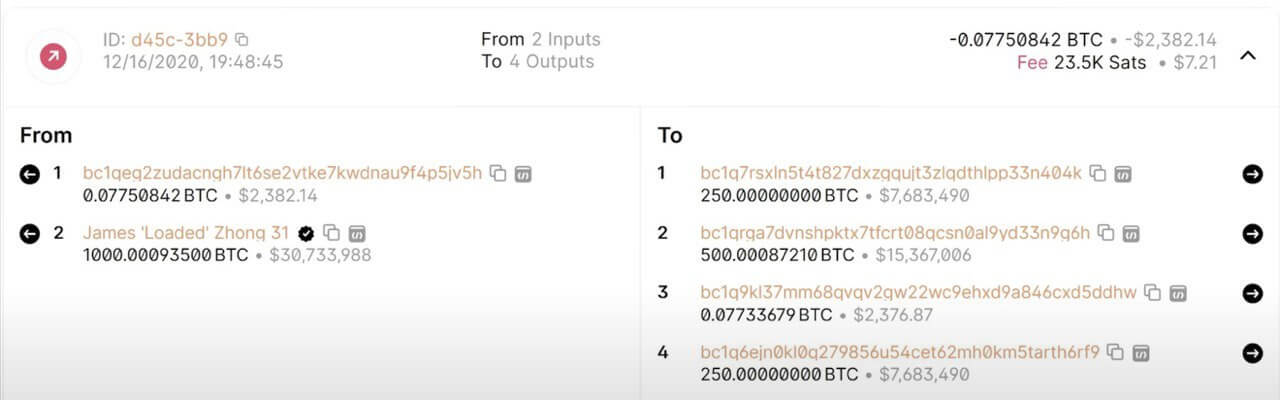
Trevor McAleenan, a cybercrime investigator, initially noticed something unusual about Jimmy’s financial activities. But the more he delved into the transaction history, the more coins and evidence he uncovered.
By 2021, the price of Bitcoin had risen to $61,000 per coin, and Trevor had accidentally uncovered a $3 billion secret. Like the Reddit investigators, he got to the final transactions and was shocked: all the funds came from an address that had been flagged in their system as being linked to Silk Road back in 2013.
This discovery gave the case a much more serious character. The question arose: was Jimmy involved in drug trafficking, could he have been one of the unknown co-founders of Silk Road, or was he connected to Ross Ulbricht? To get to the truth, investigators needed to talk to Jimmy directly.
Within a year of this critical blunder, police raided two of his homes. One of the raids at his luxurious lakeside home turned up $700,000 in cash and 25 Cassius coins, equivalent to 174 bitcoins. These finds only fueled suspicions and confirmed the scale of his covert operations.
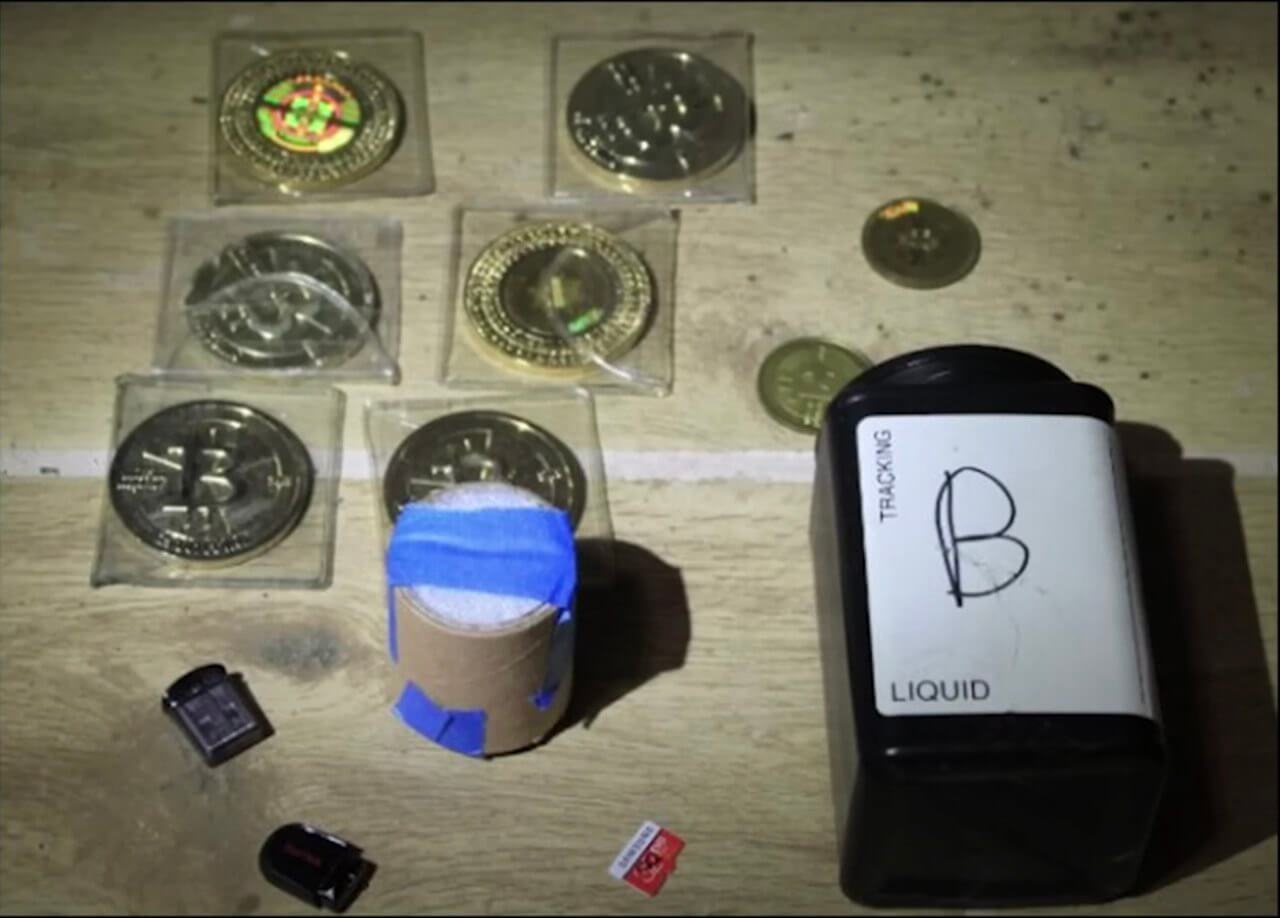
The most striking discovery during the search was a plain Cheetos popcorn can hidden in a bathroom cabinet. Inside was a compact computer that contained all of Jimmy’s bitcoins. Despite his arrest and seizure, the digital assets remained completely safe. All of the bitcoins were encrypted and could only be accessed using a private key that Jimmy kept in his memory.
He was held in custody for six months, trying to force him to reveal the access key. But Jimmy remained adamant, and the bitcoins remained untouched. This only added to the intrigue of his case and highlighted how careful and resourceful he was in protecting his assets.
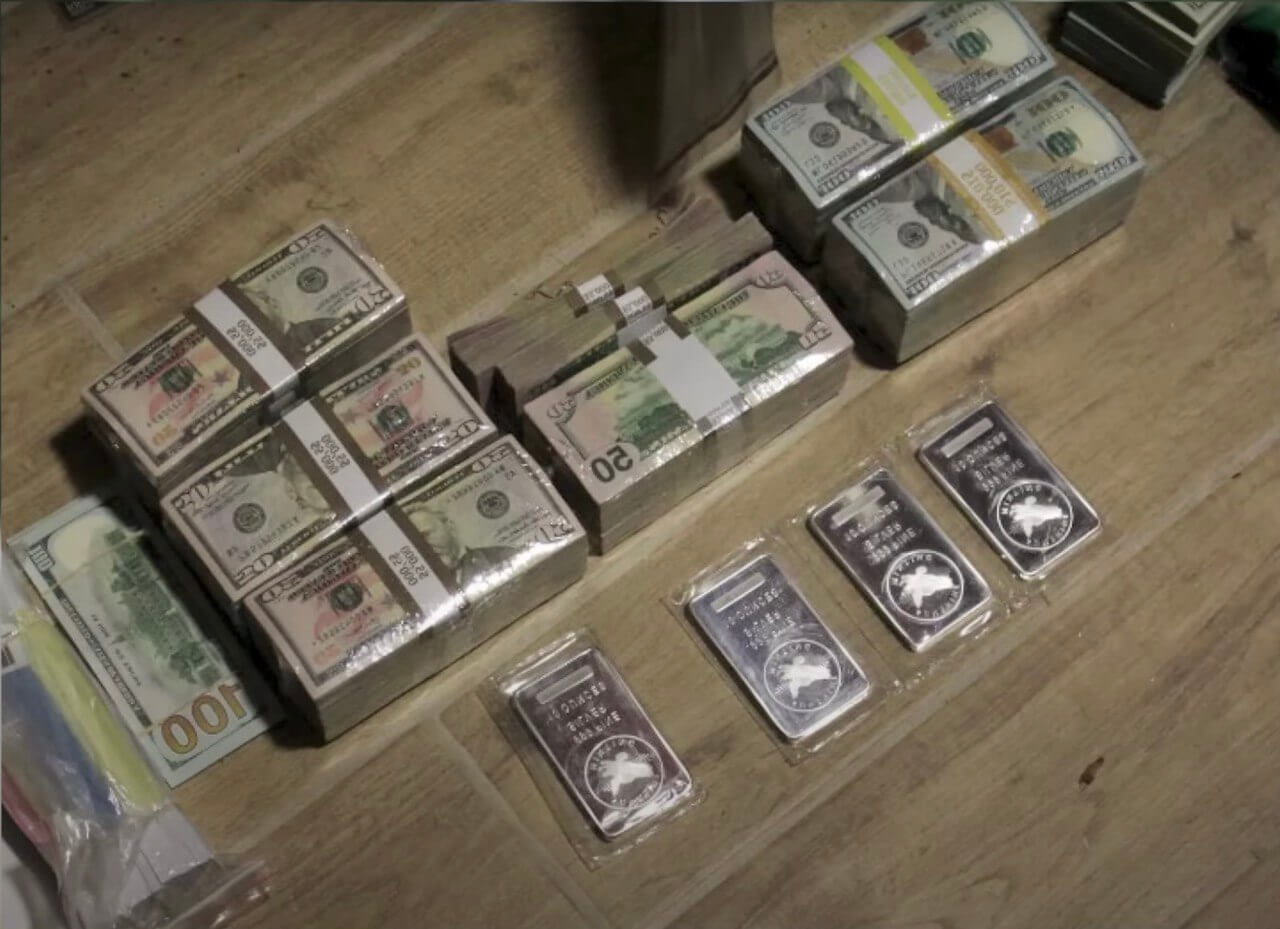
The charges against Jimmy were based on a complex legal precedent. His lawyers insisted that there was no real victim in this case. After all, even Ross Ulbricht, the founder of Silk Road, thanked Jimmy for his actions, even though he himself is serving a double life sentence without the possibility of parole. Even if the coins were returned to Jimmy, it would be considered illegal, since all funds associated with Silk Road, according to the court decision, are subject to confiscation.
A closer look at the case makes it clear that the US government is likely using this process to assert its rights to Jimmy’s bitcoins. This seems more like a continuation of the case against Ross Ulbricht than a prosecution of Jimmy himself. In 2015, when Ulbricht was sentenced, the court ruled that all 9.9 million bitcoins that had ever passed through Silk Road were subject to forfeiture, regardless of whether they were in Ulbricht’s possession at the time the platform was shut down.
Thus, Jimmy effectively found himself embroiled in a continuation of the great Silk Road case, which has long become a symbol of the US government’s fight against illegal markets and anonymity on the Internet.
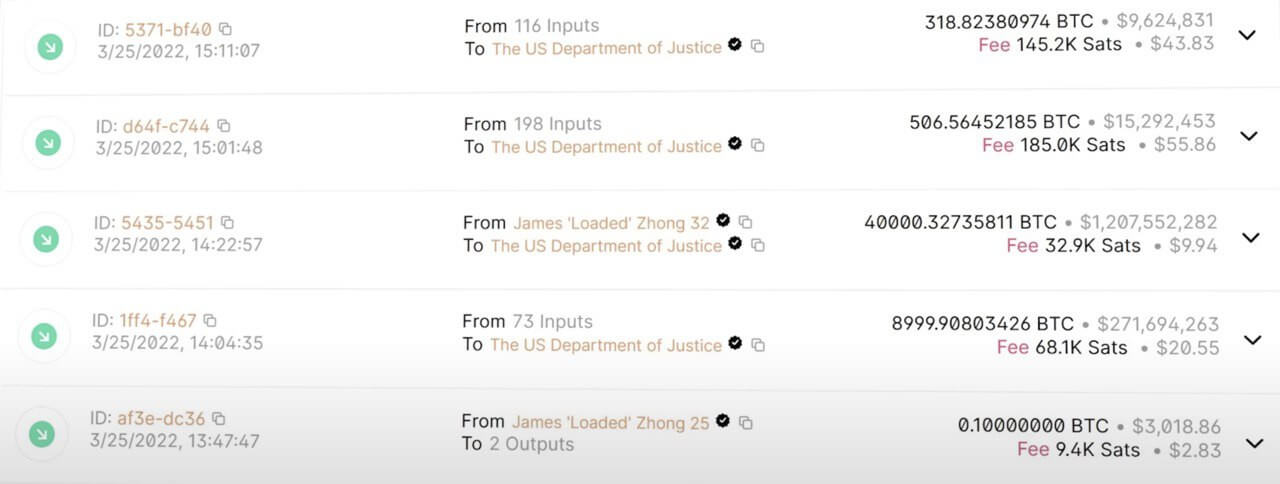
In total, the government received 51,680 bitcoins from Jimmy, worth $3.4 billion at the time of the seizure. Paradoxically, over nine years, he spent only 1% of the coins, many of which were sold long before their value skyrocketed.
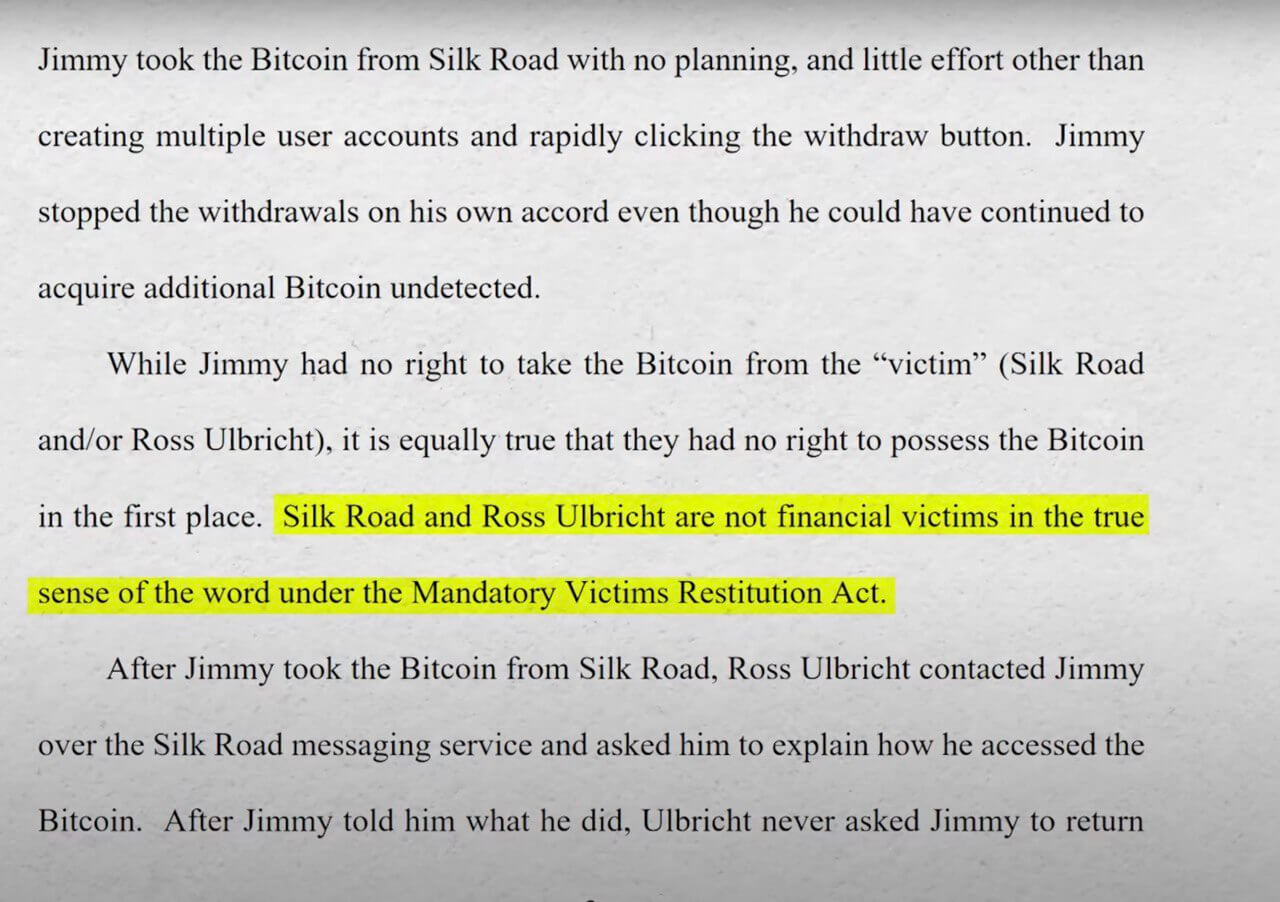
However, since it wasn’t the full amount, the government imposed a forfeiture on Jimmy, forcing him to pay back $42.7 million. As a result, he lost not only the bitcoins, but also 80% of his stake in the real estate company. In court, he expressed shame and remorse, admitting that he always knew what he was doing was wrong.
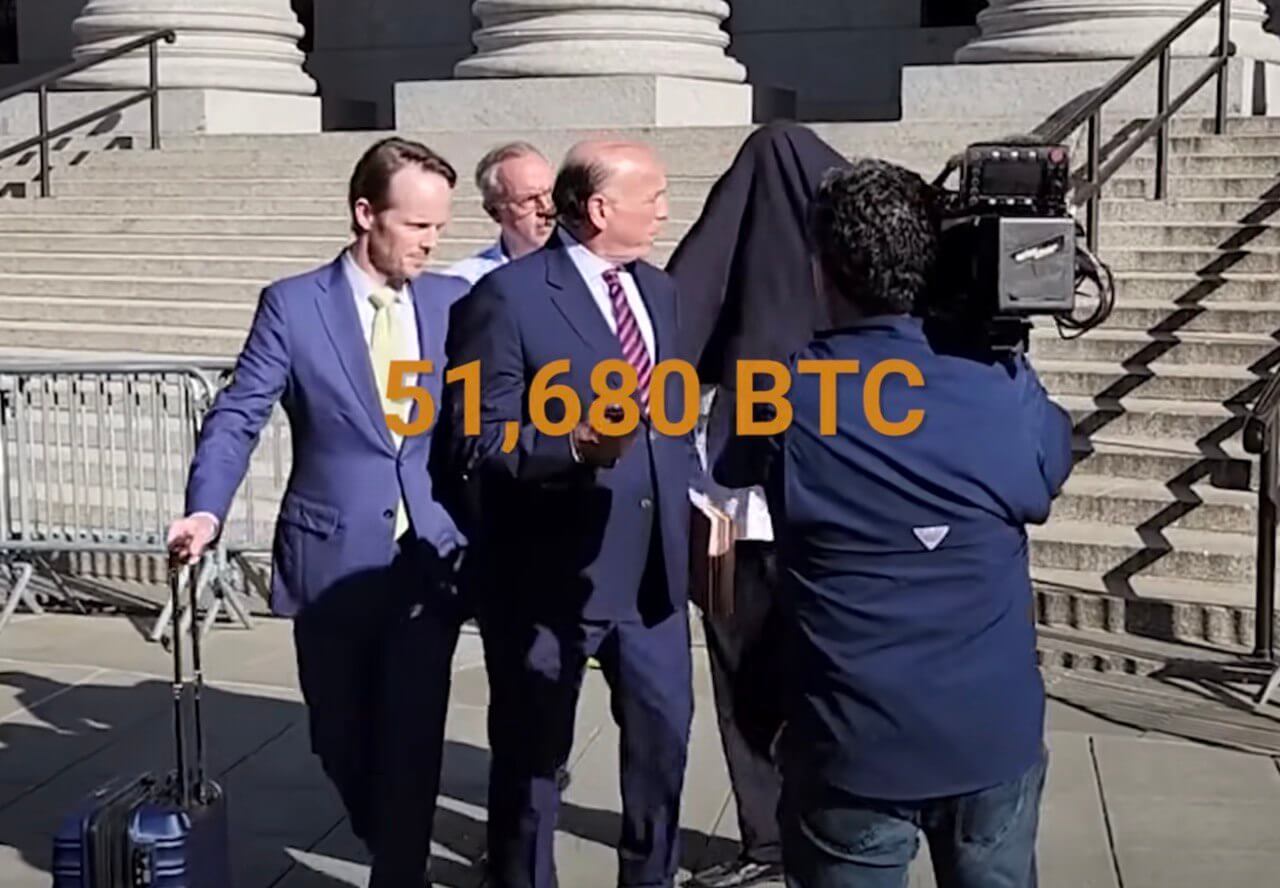
The Southern District of New York District Court sentenced James Zhong to one year and one day in prison. The charges related to criminal acts related to the theft of more than 51,000 BTC from the “shadow” trading platform Silk Road. The verdict was another important event in a case that was intended not only to punish the criminal, but also to confirm the position of the US government in the fight against cybercrime and illegal operations on the darknet.