16.04.2025
28 min
1495



DJI has been a leader in the drone market for many years, combining innovation, quality and its own technological developments. This article examines the key reasons why this company was able to outpace its competitors and set new standards in the field of aerial photography. The material will help you understand what made DJI a global phenomenon and how the company managed to create a unique approach to technology.
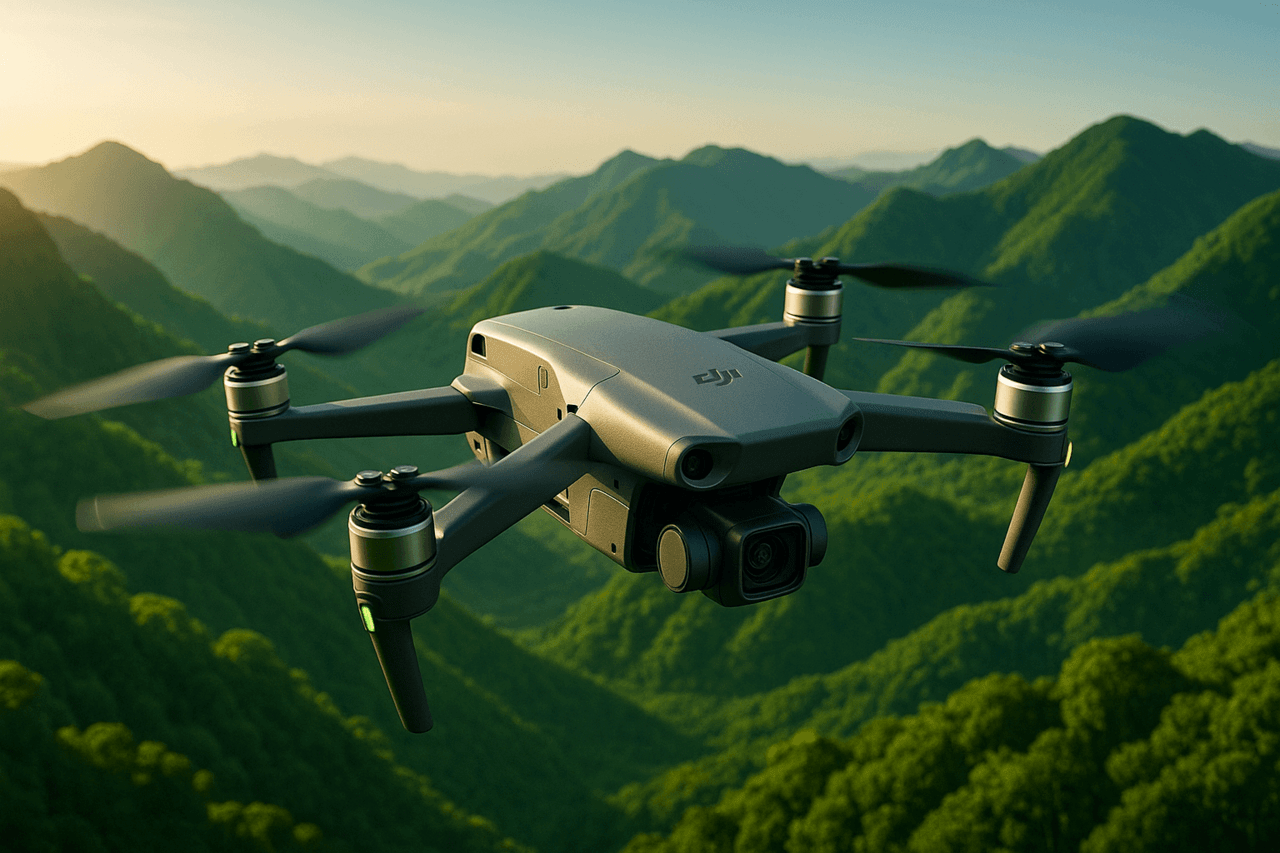
DJI was able to turn a drone into more than just a toy for enthusiasts, but a full-fledged high-tech tool – and at the same time take a leading position in the global video market. The most interesting thing is that the company’s key product is not drones at all. The main reason for success is hidden inside the devices, and it is this technology that has turned DJI into a world leader. The material analyzes what this fundamental element consists of.
Before getting to the point, it is important to understand the scale of the brand’s development: in about a decade and a half, DJI made a breakthrough that completely changed the industry. And it was these changes that led to the emergence of their main technological achievement.
In the early 2010s, a drone was either a toy for geeks or a DIY constructor for “do-it-yourself pilots.”
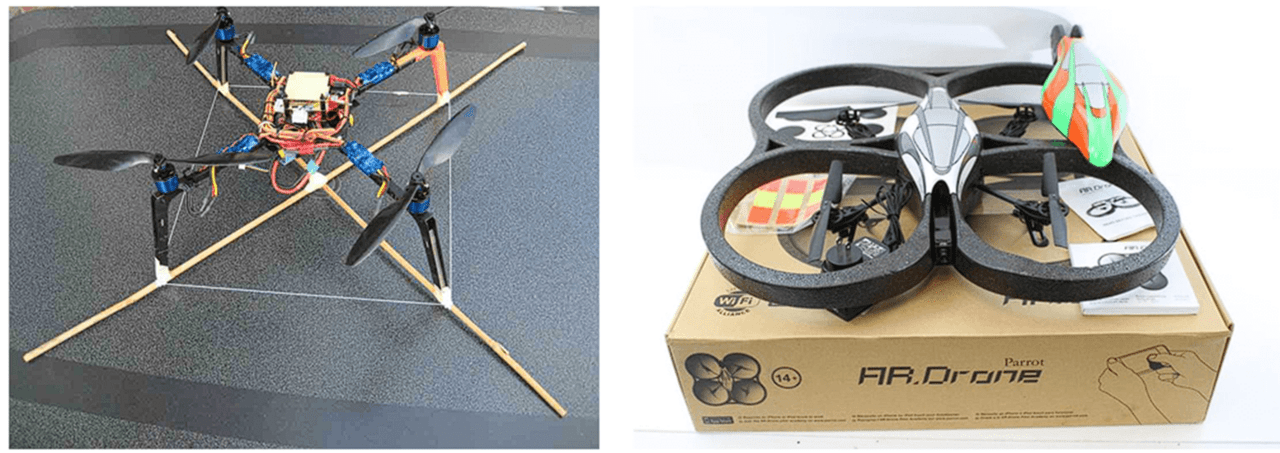
There were also military drones, but they were more like mini-planes. There were also highly specialized commercial UAVs – for spraying fertilizers, delivering medicines, and so on. But these are completely different markets, now we are not talking about them, but about “consumer” drones for ordinary people.
In 2012, the entire global market for consumer drones was estimated at a pitiful $20-40 million. Back then, it was a small niche that no one had counted on before, so there is no exact data – but the order is approximately this.
Parrot, Hubsan, Syma, Walkera and several other companies, the names of which you have most likely not even heard of, were in the lead. It is very indicative that half of them had “toy production” in their descriptions.
Back in the mid-2000s, DIY drones were popular – kits from which enthusiasts assembled their custom drones. But assembling the frame, motors and propellers is only half the battle. For a drone to fly, it needs a flight controller – the “brain” that receives data from all sensors, analyzes it and controls the motors so that the drone maintains altitude, does not fall over and obeys the pilot.
There were almost no ready-made flight controllers for DIY drones. This segment was a real disaster: either too expensive, or too heavy, or simply useless.
And so a guy named Wang Tao studies at the University of Hong Kong. He is a fan of any flying equipment and decides: “Why not make a normal flight system himself?” Wang Tao gathers a couple of engineer friends, and in 2006-2007 they assemble the first working controller. Right in the dorm. That was the start of DJI.
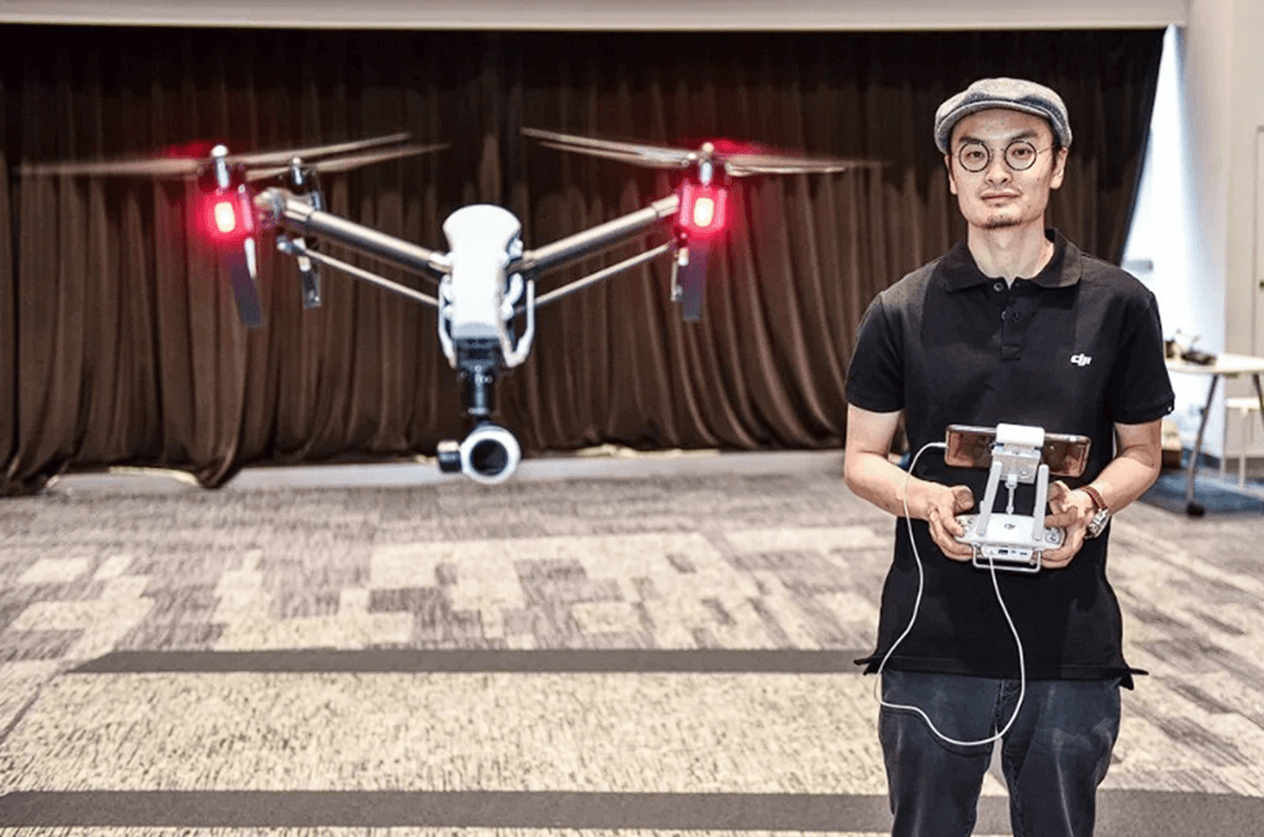
The team started selling their controllers through forums and small electronics stores. The first money, a small office in Shenzhen, the first equipment and employees appeared. Wang Tao also received several scientific grants – and the work took off.
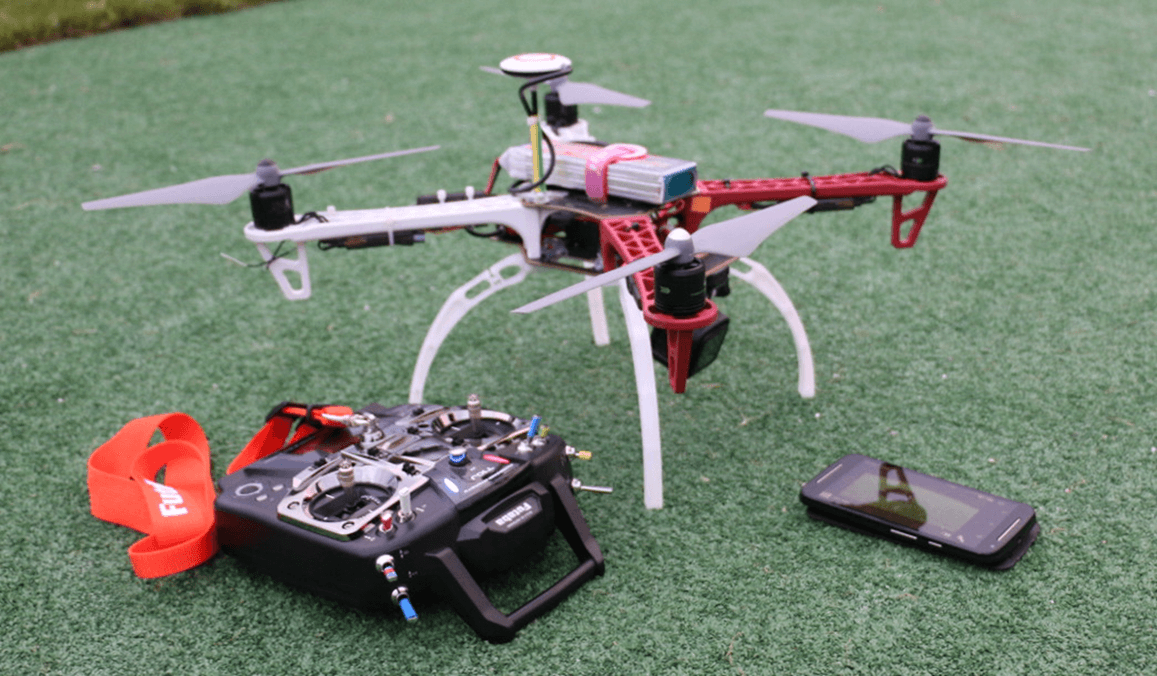
DJI continued to improve its flight controllers: more accurately read sensors, better stabilize the flight, add an autopilot. By 2011, the company already had several generations of “brains for drones”. In parallel, they made their own motors, propellers and frame – and in 2011 they assembled their first DIY kit: the DJI Flame Wheel.
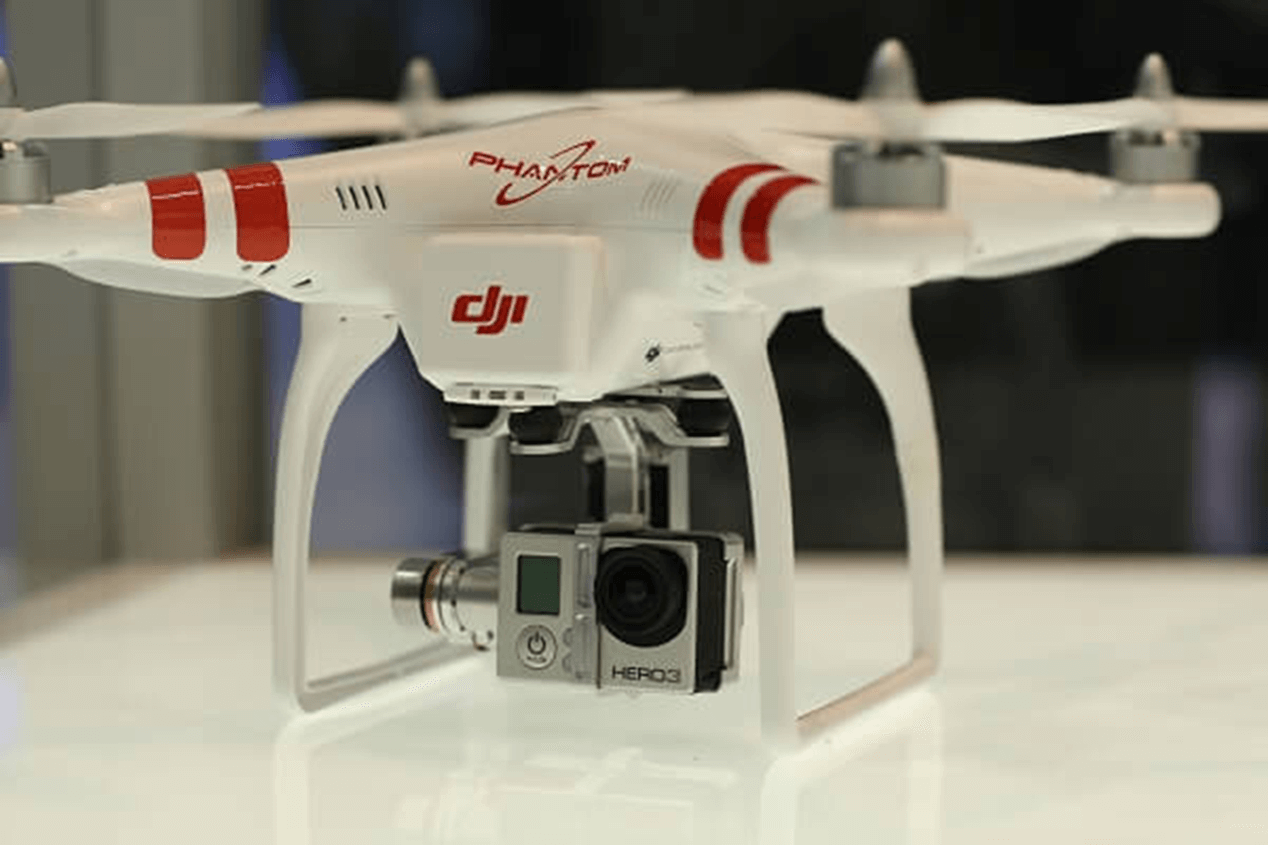
In 2013, the first DJI Phantom was released – a real banger. It quickly became popular and became the gold standard (well, at the time).
The Phantom was dramatically different from its competitors. It flew out of the box: no tuning, no dusting, no dancing with gimbals. It hovered stably in the air, was adequately controlled and launched both from the remote control and from the program.
Fast forward to 2017. Only four years have passed since the Phantom was released, and the market has grown to $0.5-1 billion (according to various estimates – for example, here or here). Today, the consumer drone market is $5-6 billion. Compared to the markets for gaming laptops or fitness bracelets. By 2032, they predict growth to $15-16 billion, this is already a very large industry.
Phantom changed all the rules of the game. Drones ceased to be a toy and became a tool for shooting unique videos at that time. Yes, such drones existed before, but they cost crazy money. And DJI gave it for $ 680 – and below we will analyze how they managed to achieve such a price tag.
The market exploded. Photographers, videographers and ordinary users began to buy copters en masse, and DJI quickly became one of the market leaders.
And as soon as the function of the drone shifted from a “toy” to a “camera with wings” – DJI releases its main innovation, which will turn them from just a promising startup into a global brand.
When a drone stopped being a “fun aircraft for enthusiasts” and became a full-fledged tool for filming, it had a new main function (= new main user requirement) – to give a stable, smooth picture. And it is this transformation that brings us to the most important element of DJI’s success.
So the question is: what is needed for a small flying thing that is constantly spinning, maneuvering and shaking in the wind to produce perfectly smooth video?
That’s right – a stabilizer. And this is not one part, but a whole system.
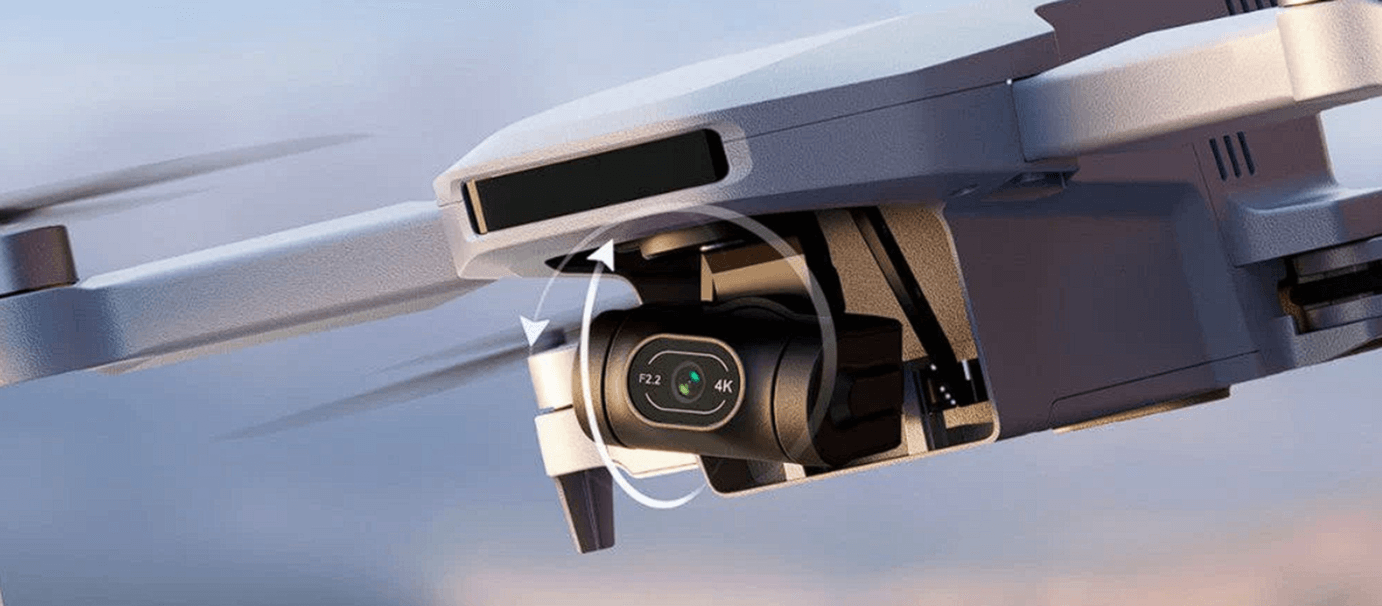
The camera (it doesn’t matter – built-in or screwed-on “goproshka”) is attached via a suspension – a “gimbal”. This thing can instantly rotate on three axes, holding the camera in the desired position with an accuracy of a fraction of a degree.
Inside the gimbal is its own IMU (Inertial Measurement Unit) – a mini-computer that constantly calculates the camera’s orientation. The drone itself has its own IMU plus a set of sensors.
Both the drone and the gimbal are equipped with gyroscopes (measure tilt) and accelerometers (catch acceleration and vibrations). These two “brains” constantly exchange data, synchronize and give the command to the motors to compensate for any movement of the drone.
The scheme is simple in content, but quite complex in implementation.
But in short, it works like this: drone data + camera data
↓
gimbal with camera
↓
micro-rotations of the gimbal on three axes + commands to the drone motors
↓
stable flight + perfectly flat picture.
And what is important: as soon as drones turned into cameras with wings, the stabilization system became a key component. And DJI’s main secret is precisely their own, extremely powerful and effective stabilizer.
But how did they do it?
The diagram above shows: the data from the drone comes to the flight controller, and from there it goes to the gimbal. And DJI already had its own flight controller at that time – with all the gyroscopes, accelerometers, autopilot and its own software. That is, they had a base that could be developed further. And they started.
In 2012, DJI released the Zenmuse Z15 – the first professional gimbal for SLR cameras. Three proprietary motors, its own controller, its own IMU, its own stabilization algorithms. The gimbal was still completely its own, but the rest of the system was already like that.
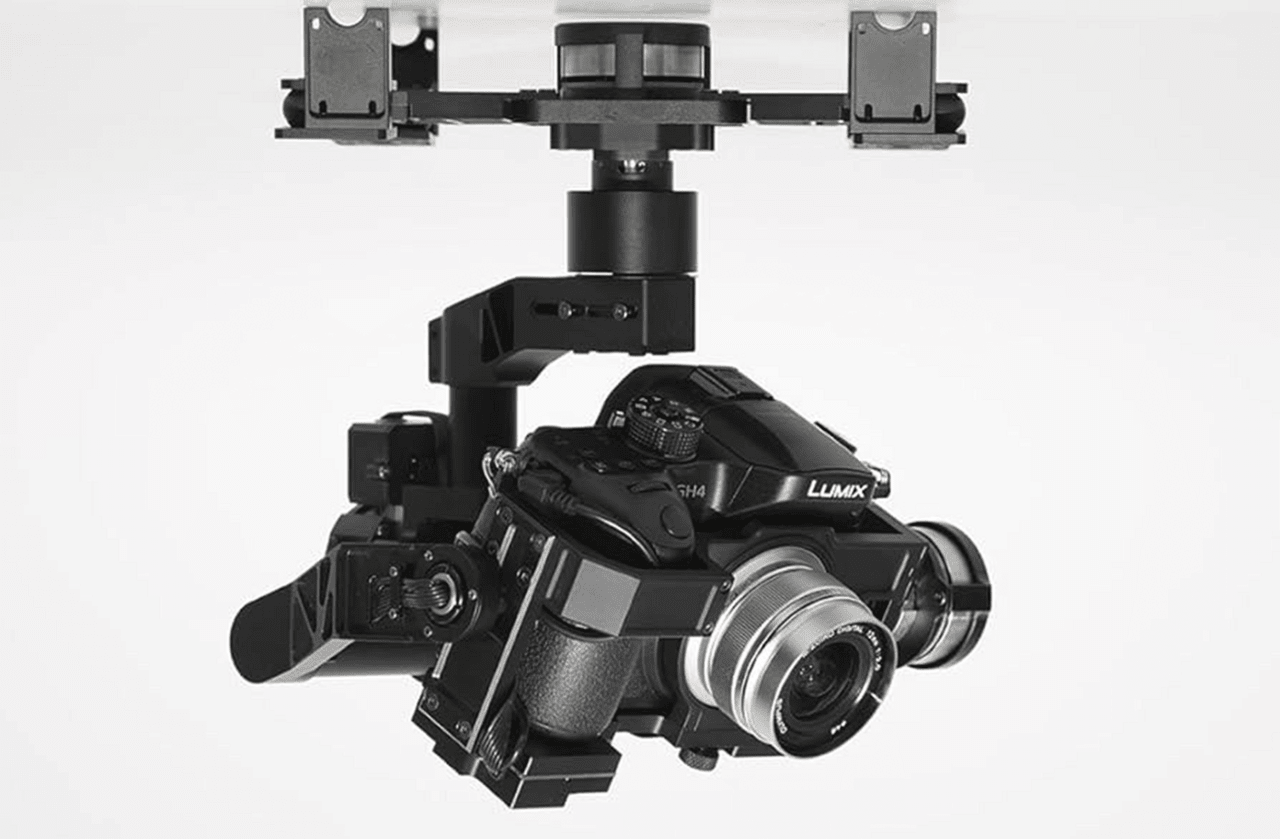
And then DJI took up the national Chinese sport – reducing the cost of technology. In 2013, a “consumer” version was released – Zenmuse H3-2D, simpler and lighter, but much cheaper, specifically for GoPro.
In 2014-2016, DJI switched to its own cameras. At first, they bought sensors from Sony, but quickly began to assemble them themselves, and as a result, they replaced almost all the components with their own. There was no point in doing everything – it was more profitable to buy individual parts at any time.
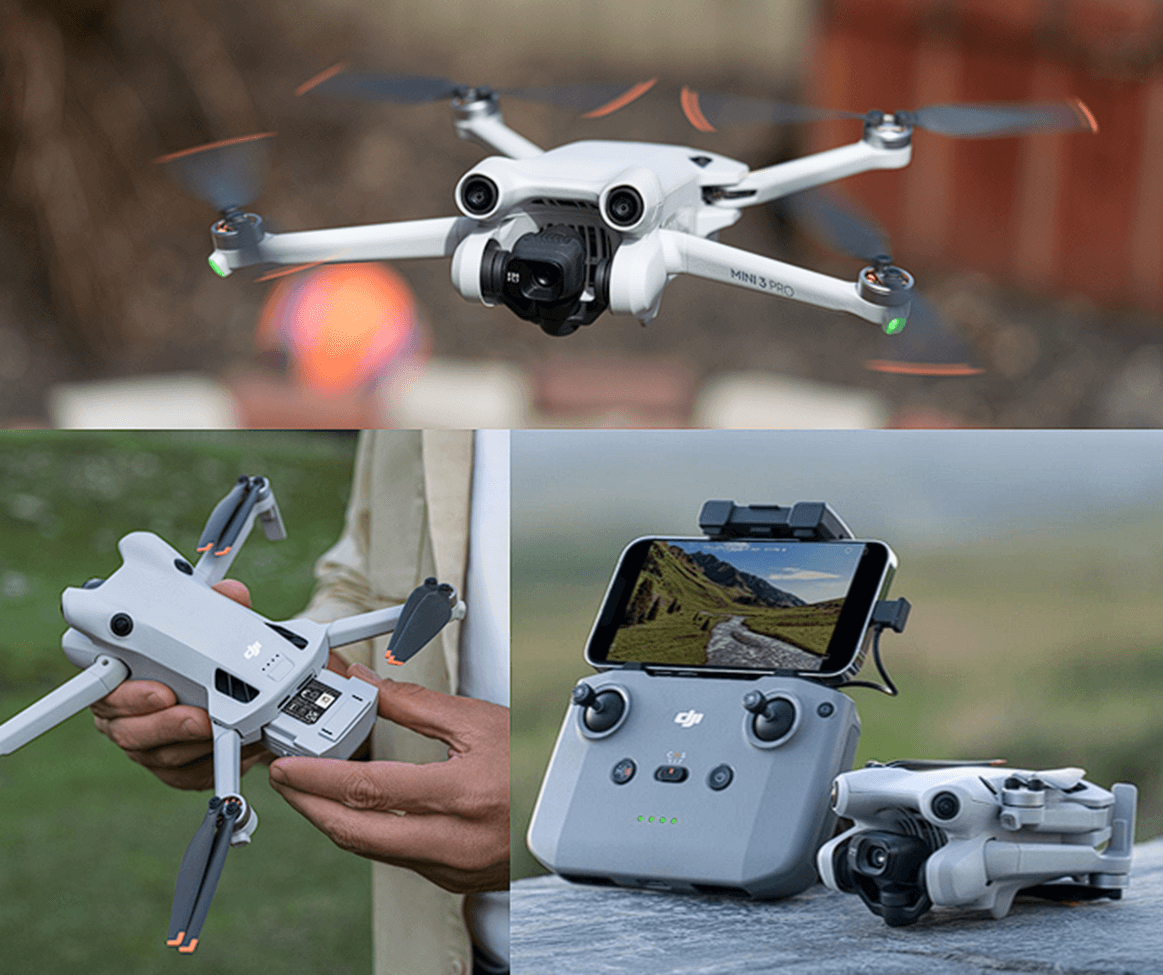
In 2015, the Phantom series received its own “camera + stabilizer” module. And in 2016, the Mavic Pro was released – the first representative of the cult line of complex drones that shoot like professional cameras.
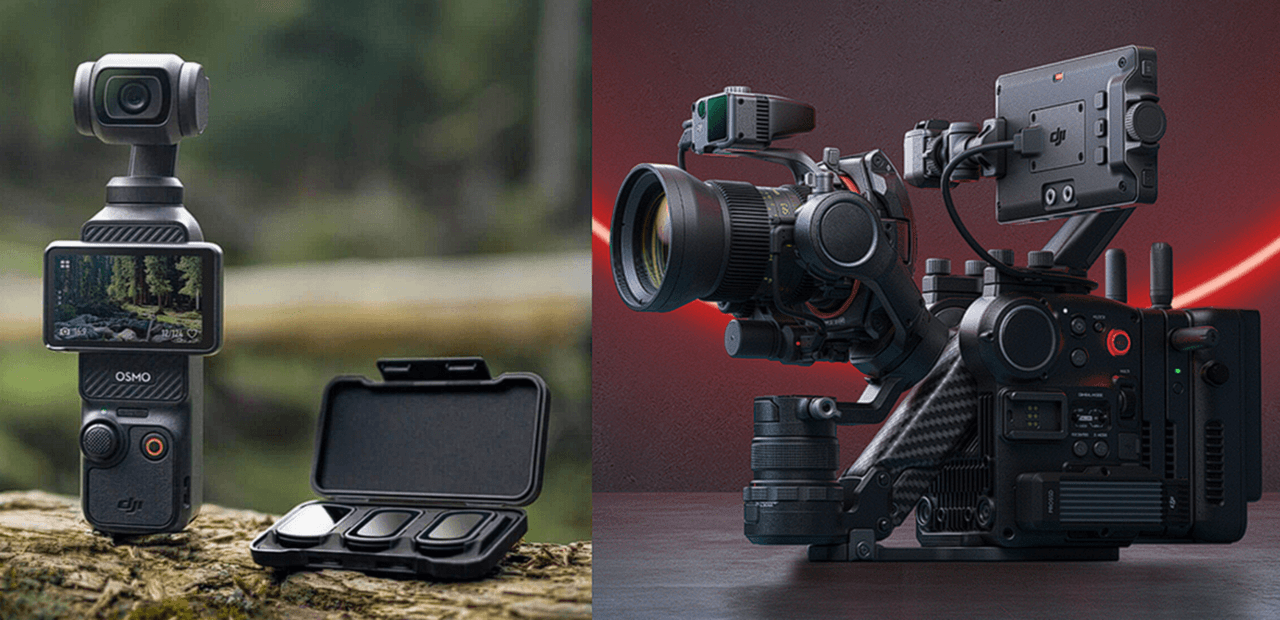
In parallel, DJI is launching the Osmo line – not drones, but handheld stabilizers and cameras: from large professional film solutions to small stabilizers for bloggers.
Then came microphones, lapels, and other gadgets—standard diversification within an already established market.
And here’s what’s telling: Osmo’s success came right after DJI tested its stabilization technology on drones. Although Osmo isn’t a drone at all. But that’s the essence of the company:
DJI doesn’t make drones, but some of the best stabilization systems in the world.
And where to embed this technology – in a flying camera or in a handheld one – is a matter of commerce.
But, perhaps, you ask: “Why did they do all this – a small startup, and not some rich competitors?”
This is exactly the important point. And it best reveals the true nature of DJI – the soul of this company.
Remember that the first DJI flight controller was made literally in a dormitory? Time passed, a huge office appeared, a bunch of employees, money, investors – but the company’s approach did not change.
DJI did not want to depend on suppliers from the beginning. If your product is assembled from other people’s technologies, you always depend on external whims: one supplier raised the price, another changed the specification, a third delayed delivery, a fourth completely left the market.
And as a result:
Speed and flexibility are lost – especially critical in the frantic rhythm of the Chinese market. If you don’t release a new model before your competitor – and that’s it, you’ll be devoured.
It is impossible to aggressively optimize the cost – other people’s components always cost more than their own (well, when it comes to mass production), because the supplier is laying down his profit.
And most importantly – you can’t perfectly connect all the modules and flash the system with a single, integral software. Well, you know, like Apple.
Therefore, DJI decided: everything critical – we do it ourselves. The production of hardware can be outsourced to contractors (there are a lot of them in China – I have a separate article about them), but the architecture, electronics, algorithms and software – only our own.
This strategy is not a whim of Wang Tao, but a logical necessity. When DJI made its first controller in 2006, it tried to buy third-party IMUs.
But it turned out that they:
a) too expensive,
b) too heavy,
c) too crude and insensitive for small drones.
I had to make my own IMU. It worked. And after that, making my own engines, electronic speed controllers (ESCs) and other systems was no longer scary.
And it’s also important: before DJI, “consumer” drones as a full-fledged industry simply did not exist. There was no market → there were no typical solutions → there were no ready-made technologies. If you want something normal, do it yourself.
But even when ready-made technologies appeared on the drone market, DJI still often preferred to develop its own. And here’s why:
At that time (early-mid 2010s) there was a sea of factories in China, ready to produce anything – cheaply and quickly. But there was a shortage of technology developers.
And Wang Tao did not want to become “another factory”.
A factory is low margins, fierce competition and a constant struggle for survival. And a technology creator is a strong brand, high profits, a unique position in the market and generous support from the Chinese state.
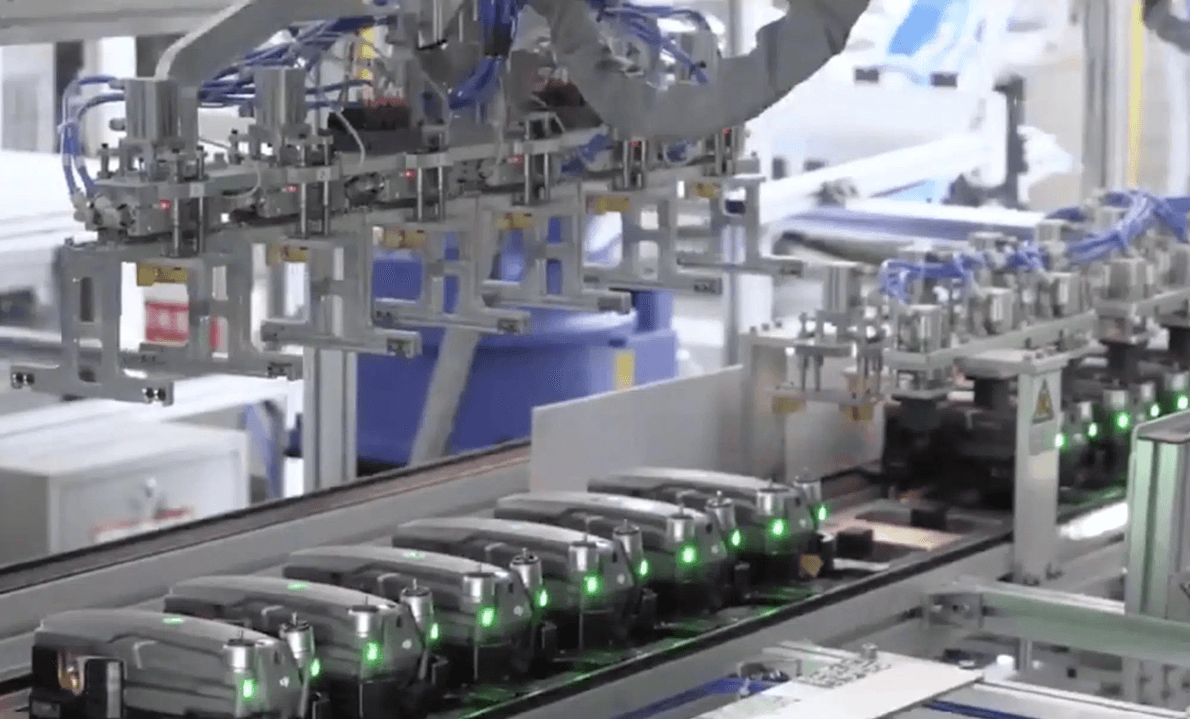
And as we saw above, one technology can be scaled across dozens of products: drone stabilizers → camera stabilizers.
DJI was born and raised in Shenzhen, the tech capital of China.
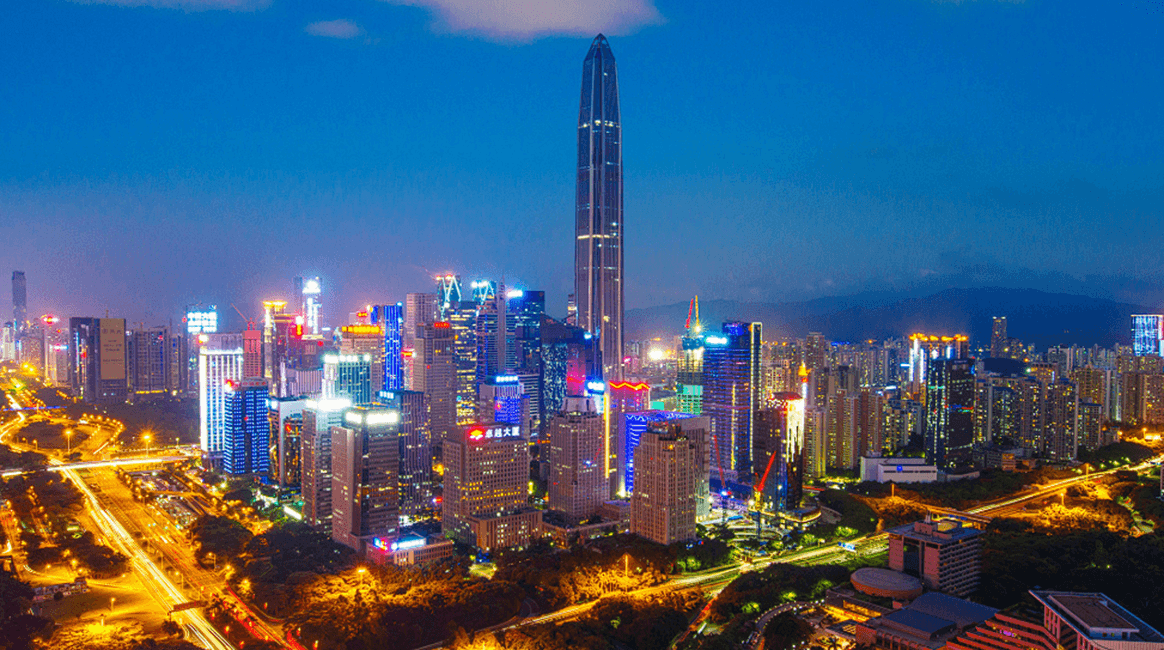
If a technology company is based in Shenzhen, it has a very powerful advantage. A prototype can be assembled in a few days. All suppliers are within a taxi ride. You don’t have to build long supply chains, drag engineers across the country – everything is at your fingertips. This greatly speeds up development – especially for companies like DJI, which develop in-house and rarely use other people’s technologies.
It is worth clarifying: not every company needs to develop all the components on its own. For example, Xiaomi does not even design a significant part of its devices on its own – and at the same time feels confident in the market. But most of its products are aimed at other segments – large-scale, mature, with ready-made production chains.
In the case of DJI, the situation was the opposite: the company actually built its own industry from scratch. It is for this reason that it is often called the “Chinese Apple” – not Huawei, not Xiaomi and not BYD, but DJI. Because they:
They develop key technologies independently.
They strive for a close-to-ideal connection between hardware, electronics, and software.
They have created a brand that is respected all over the world.
DJI is often called one of the few large Chinese companies that is practically immune to typical criticisms such as “cheap”, “poor quality” or “Chineseness”. Similar remarks are often made about other brands, even very well-known ones, but in the case of DJI this is almost non-existent.
However, there is one significant difference from Apple: this is the pricing policy and the breadth of the model lines. In these aspects, DJI is moving in its own direction.
In summary, we can say that the story of DJI is an example of how a young startup consciously chooses the difficult path of creating technologies from scratch and in the end does not just catch up with the market, but forms a new industry standard. If smartphones are traditionally compared with the iPhone, then drones are compared with DJI. The company demonstrates that sometimes abandoning simple solutions in order to build its own technological core makes it possible to create strong and competitive global products.
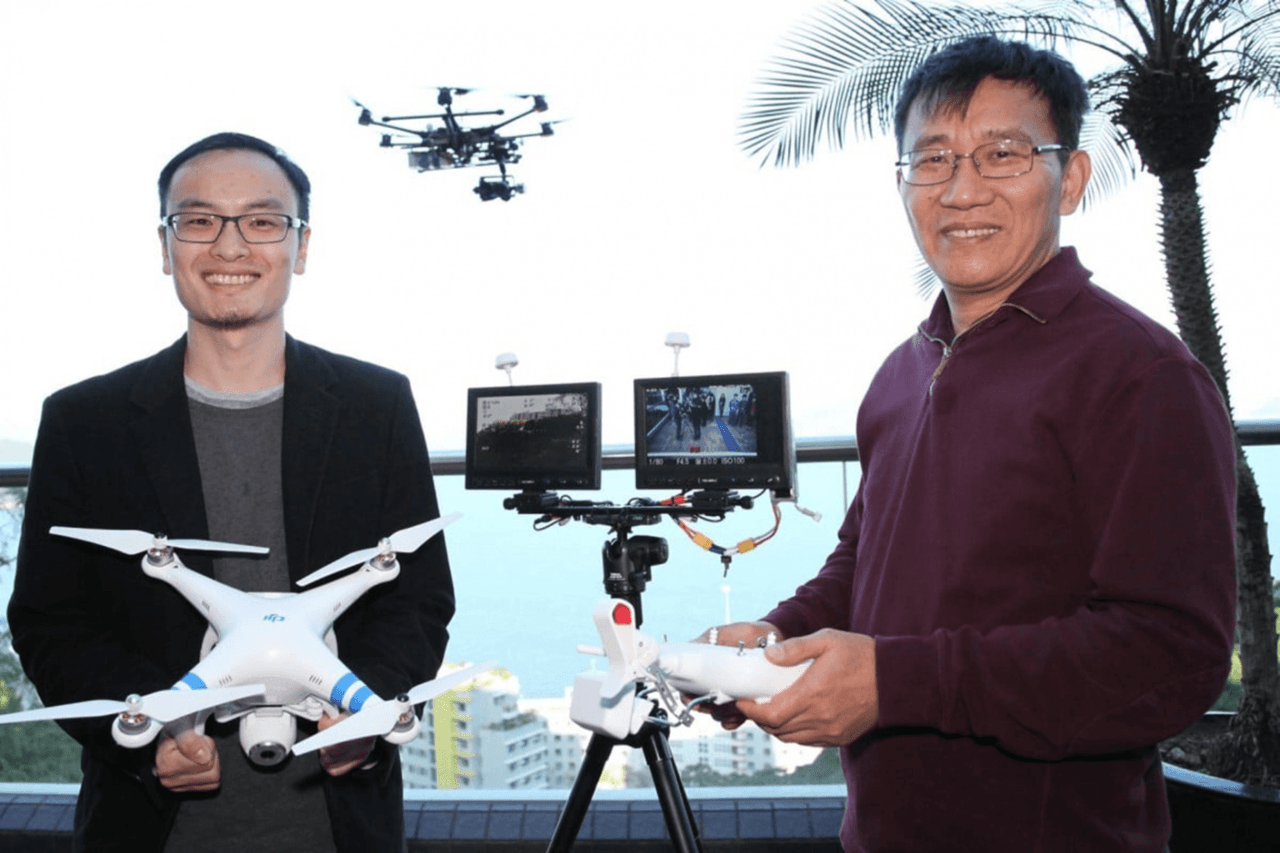
DJI was able to become a world leader not thanks to the drone itself as a product, but thanks to the creation of its own deep technological base – primarily the stabilization system and flight controller. The company deliberately chose a difficult path: not to rely on ready-made components, but to develop key elements independently. This allowed it to ensure quality, low cost, stability and full integration of all parts of the system. This is how DJI turned a small startup into a brand that sets standards in the entire drone and stabilization system industry.