The move comes just days after a study revealed that the Editor’s Choice version of Pac-Man contained hidden proxy code. Once activated, it could turn a television into a residential proxy node.
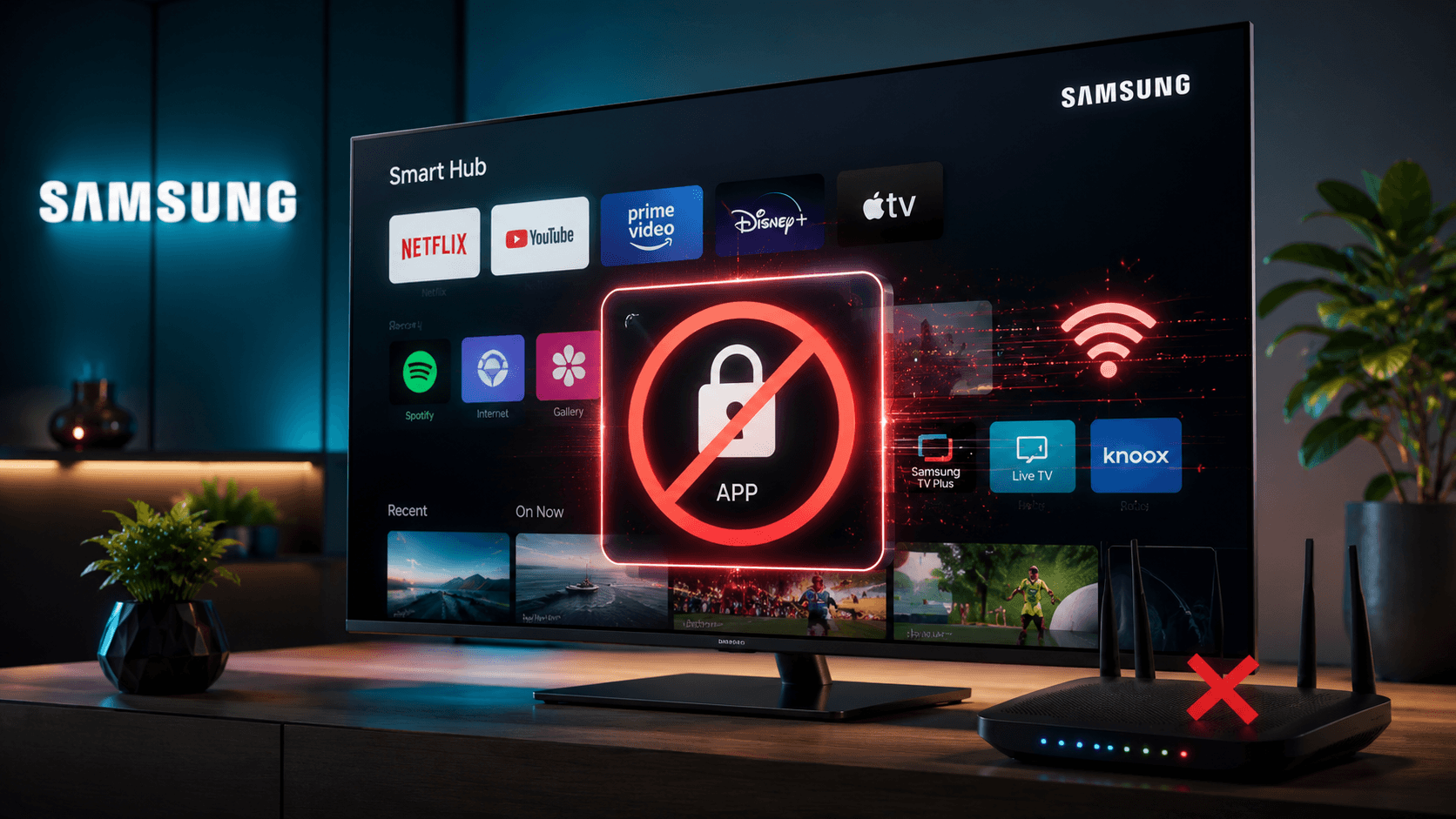
Samsung said it has already stopped accepting new apps that include residential proxy functionality and is introducing stricter policies for developers on its Tizen platform. The company is also reviewing apps already available in its store to identify and remove those containing residential proxy SDKs.
The SDK was not enabled by default. Instead, it remained dormant until the app downloaded a remote configuration from the developer’s servers.
If the feature was then activated and the user accepted the on-screen prompt, the TV could begin routing third-party internet traffic through the household’s broadband connection, even after the game itself had been closed.
Samsung’s decision followed an investigation by Norwegian cybersecurity firm Mnemonic, which examined how residential proxy software ends up on consumer smart TVs.
According to the researchers, the proxy code is only part of the problem. They found that many Smart TV apps act as lightweight shells, downloading most of their functionality from remote servers after installation. As a result, an app approved during Samsung’s review process can behave very differently once it is running on a user’s TV.
LG had already taken similar action. Last month, the company announced that it would suspend Smart TV apps capable of turning televisions into residential proxy nodes.
A separate study found that the issue was even more widespread on LG’s webOS platform than on Samsung’s Tizen.
After scanning thousands of apps across both platforms, researchers discovered residential proxy SDKs in roughly one-third of them. More than 42% of LG apps contained the software, compared with about 26.5% of Samsung apps.
The proxy functionality was hidden inside apps that appeared completely harmless, including games, aquarium screensavers, clocks, and other utility software.
“We found it everywhere,” the researchers said.
Residential proxy services are not inherently malicious. Businesses use them for tasks such as ad verification, market research, and web data collection by routing requests through ordinary residential internet connections.
However, the same infrastructure is also attractive to cybercriminals, who use it to disguise malicious activity behind legitimate household IP addresses.
The risks have already drawn the attention of law enforcement. Just a few weeks ago, Google and the FBI dismantled the NetNut residential proxy botnet, which had compromised more than 2 million internet-connected devices, including smart TVs and streaming devices.
Investigators said the network was used by both cybercriminals and state-backed groups to conceal their online activity behind legitimate residential IP addresses.
Earlier this year, authorities also dismantled another residential proxy service known as IPIDEA, highlighting a broader crackdown on networks built from compromised consumer devices.
Now that both Samsung and LG have begun blocking residential proxy SDKs, the smart TV industry is taking its first coordinated steps to address a practice that researchers say has remained largely invisible to consumers.