05.08.2026
3 min
276



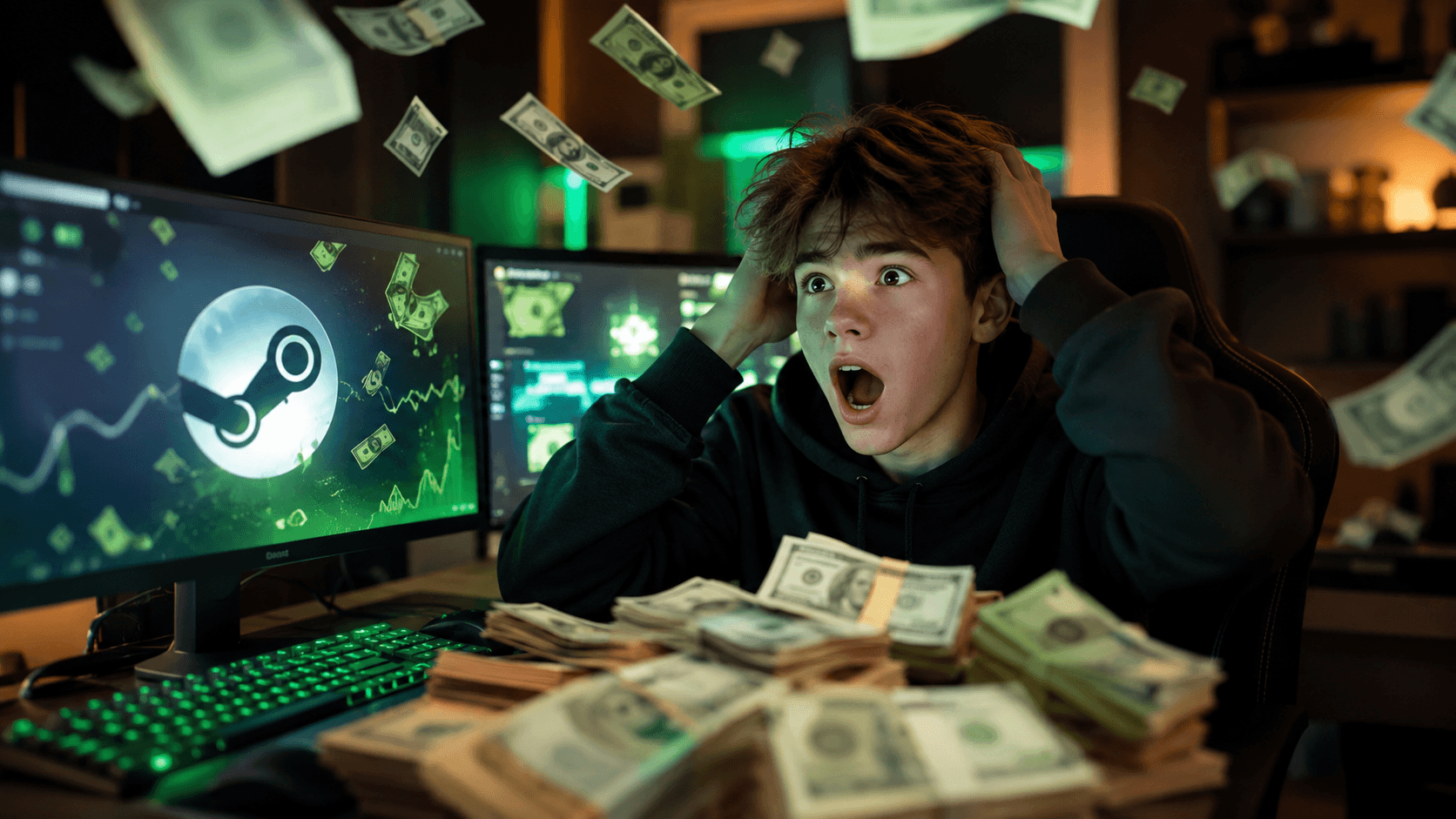
An 18-year-old game developer briefly believed he had become a millionaire after his $200 joke game generated $1.4 million on Steam. But the excitement was short-lived, as refund requests soon began pouring in.
What do a cup of coffee, a full-body massage, and a luxury mattress have in common? They all come with hefty markups. Now, you can add an unusual PC game to that list, one that sells on Steam for the platform’s maximum price of $200.
Eighteen-year-old developer Michael Major never expected his project, This Game Costs $200, to become a hit. The game was created as a joke built around an intentionally absurd concept. Styled as a 16-bit RPG, it serves as a sequel to another of Major’s projects released just weeks earlier, This Game Costs $10.
A few months after launch, Major checked his Steam sales statistics and discovered that This Game Costs $200 had generated $1.4 million in revenue. Most of the purchases came from China, with a total of 6,705 copies sold.
“I think I almost died,” he told WMUR-TV.
However, the excitement quickly turned into disappointment. Refund requests soon began flooding in. Under Steam’s refund policy, players can get their money back if they have played a game for less than two hours.
Although Major had to refund almost all of the revenue, he still managed to make a profit of around $2,000. That means only 10 players decided to keep the game instead of requesting a refund.
The young developer believes someone may have promoted the game on social media or used it as part of other questionable schemes.
“I’m not joking. I’ve heard that expensive games on Steam are sometimes used for money laundering. So I honestly have no idea what happened. I might be on someone’s hit list now.”
Another possible explanation involves Steam Points. Since purchasing expensive games awards more points, some users may have bought the game to collect the rewards before requesting a refund.
Despite the financial roller coaster, the experience unexpectedly raised Major’s profile as an indie game developer. One reviewer even claimed that the game featured 10 different endings, although Major suspects that review may have been trolling.
The same reviewer added that they would happily buy Major’s next game…
“…if it was priced much lower.”