
21.09.2026
3 min
336



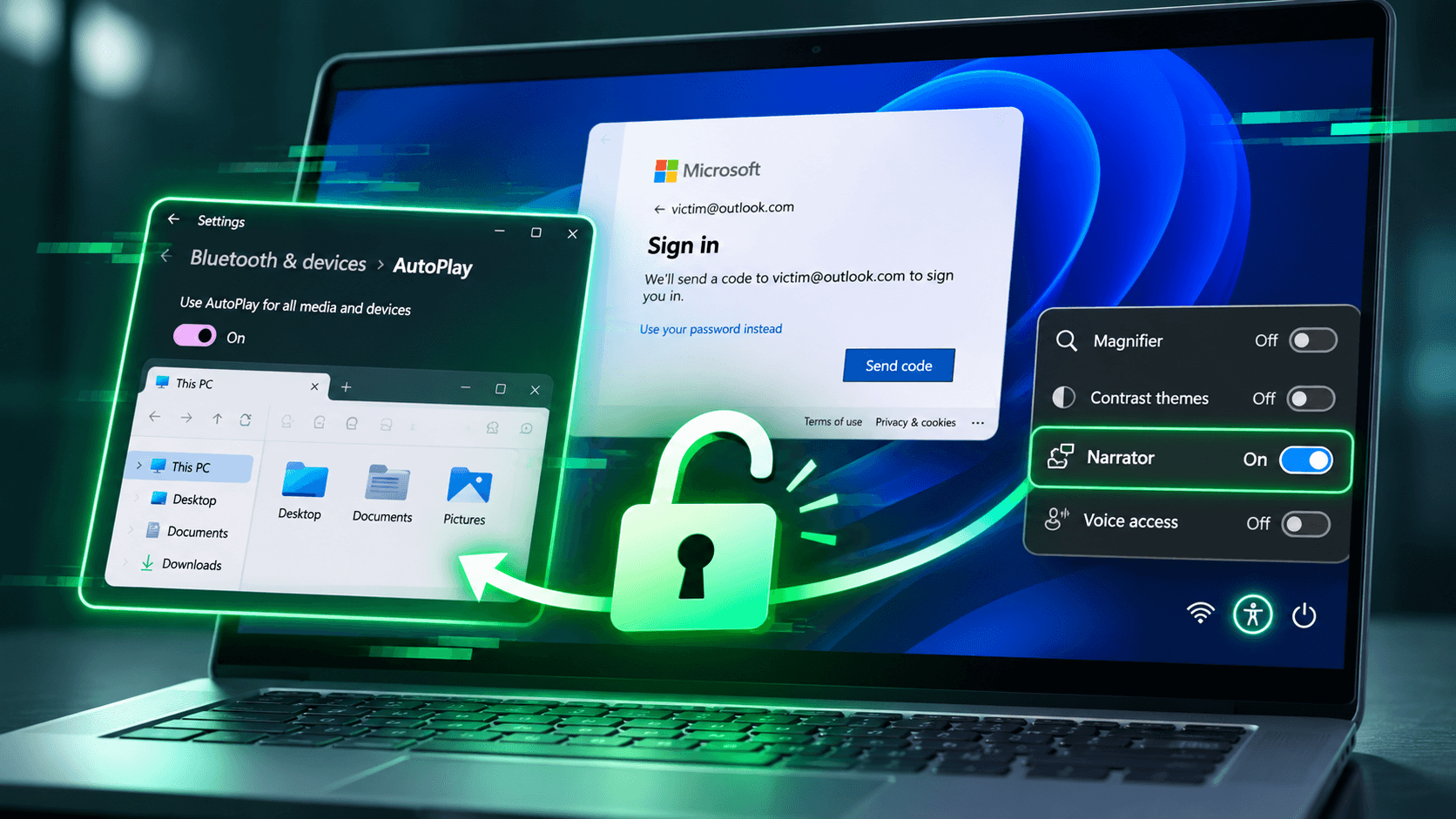
Security researcher Abdelhamid Naceri, known by the alias Nightmare Eclipse, demonstrated a new Windows 11 vulnerability that allows programs to run on a locked computer without entering a password or PIN. The attack requires only physical access to the device and the use of the built-in Narrator feature. The method works even on fully updated systems with BitLocker encryption enabled, and Microsoft had not released an official patch at the time of publication.
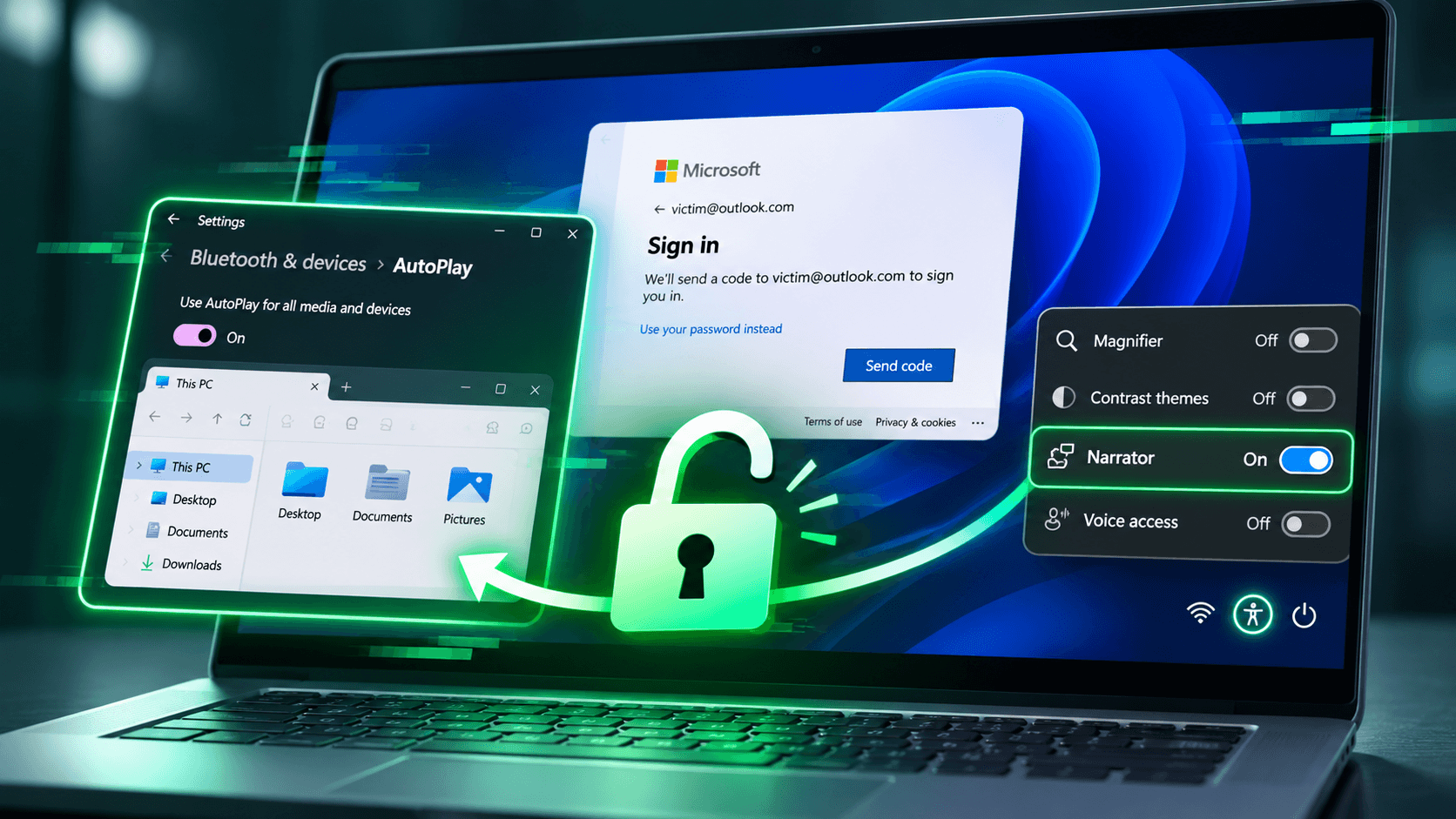
On November 19, 2026, the researcher published details on GitHub about a zero-day vulnerability he named FastUnlock. The flaw affects the Windows 11 authentication mechanism and allows attackers to bypass certain lock screen restrictions, making it possible to execute code without signing in to a user account.
Naceri tested the attack on a computer running Windows 11 26H2 with the November security updates installed. The device also used BitLocker to encrypt its storage drive. Despite these protections, the researcher managed to access system functions that should normally be unavailable from the lock screen.
According to the researcher, it took only five minutes from discovering the vulnerability to successfully demonstrating the attack. He also stated that the method worked reliably on every computer he tested. However, he did not confirm whether the vulnerability also affects Windows 10.
Interestingly, the attack did not rely on sophisticated malicious software but instead exploited Narrator, a standard Windows feature. Narrator is a built-in screen reader designed for users with visual impairments. It reads aloud text, buttons, and other interface elements, allowing users to navigate and interact with their computers using a keyboard.
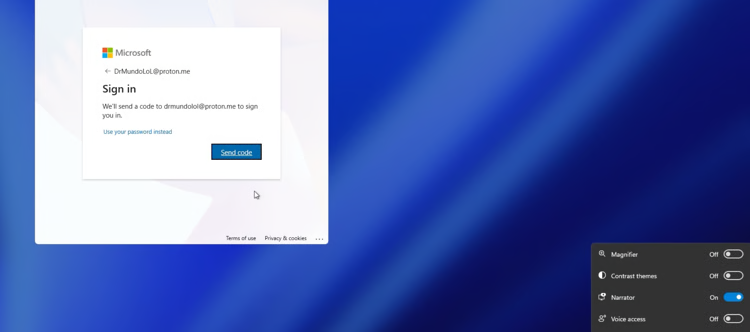
The issue is related to how Narrator interacts with the Windows interface during the account recovery process. According to Naceri, after redesigning the screen reader, Microsoft failed to properly isolate its interface from the locked computer environment.
During the experiment, the researcher opened the standard PIN recovery process and then activated Narrator. Due to the flaw, the program was able to interact with background interface elements that should not be accessible from the lock screen.
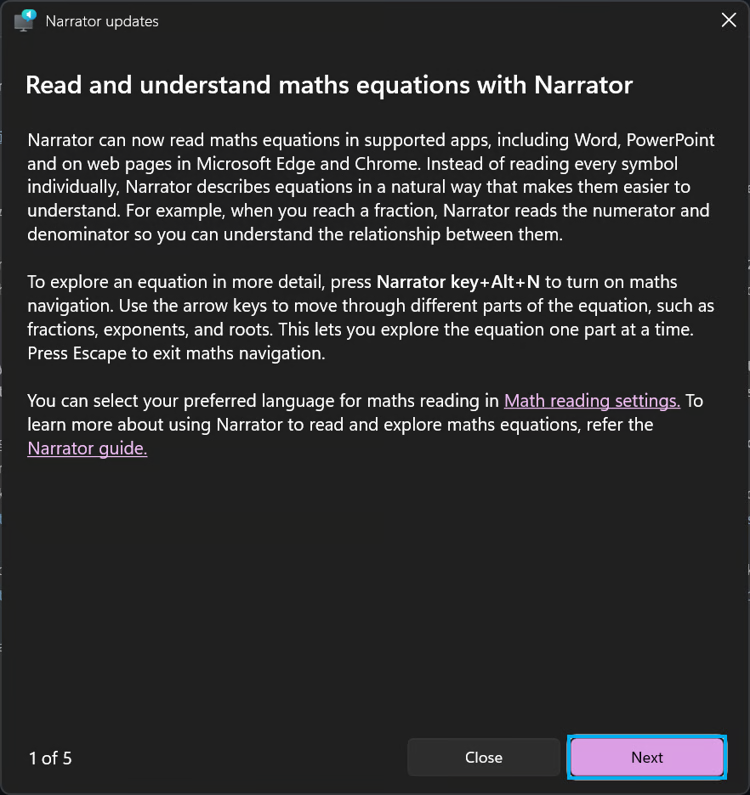
Using keyboard navigation, the researcher was able to access additional Windows features. One of the key elements of the demonstration was the Narrator updates window, which could be opened without completing the standard system sign-in process.
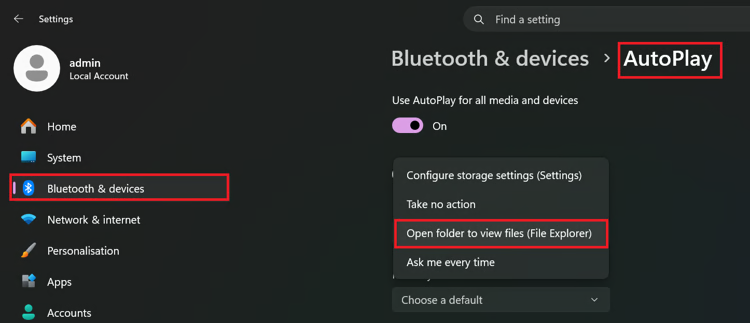
As a result, the attacker could execute programs in the context of the WSIAccount service account. This is a Windows system account used for web authentication and passwordless sign-in mechanisms.
Importantly, WSIAccount does not have administrator privileges. Therefore, a successful FastUnlock demonstration does not automatically mean gaining full control over the computer. However, the ability to execute arbitrary code without authentication already poses a serious security risk to the device.
The researcher’s findings were independently verified by ThreatLocker. Threat Research Engineer Kenneth Walker reproduced the attack on a test computer and confirmed that files could be executed from an external storage device without signing in to the primary Windows user account.
During testing, the specialists encountered a limitation: the physical keyboard did not allow them to enter text normally while navigating through Narrator. However, they managed to overcome this obstacle by using the Windows on-screen keyboard.
Exploiting FastUnlock requires two conditions: physical access to the computer and the presence of a Microsoft account accessible through the sign-in recovery process. Therefore, the demonstrated method is not a remote attack that can be carried out over the internet without physical access to the device.
Researchers paid particular attention to BitLocker protection. This technology encrypts data on Windows storage drives and is designed, among other things, to protect information if a computer is lost or stolen.
However, in the standard configuration with automatic unlocking through the Trusted Platform Module (TPM), the drive may become accessible before the user signs in. As a result, bypassing the lock screen on an already running computer could potentially provide access to data, even though the BitLocker encryption algorithm itself is not compromised.
To reduce the risk, ThreatLocker recommends enabling BitLocker preboot authentication with a PIN. This configuration requires users to enter an additional code before Windows starts, preventing the drive from being unlocked without it.
However, this measure has an important limitation: it protects computers that are powered off or in hibernation. If Windows is already running and the device is simply locked, a preboot PIN does not eliminate the FastUnlock vulnerability itself.
At the time the vulnerability was disclosed, Microsoft had not yet released a patch. The researcher urged users to pay closer attention to the physical security of their devices while the vulnerability remains unpatched.
Abdelhamid Naceri has previously disclosed other Windows vulnerabilities. Under the aliases Nightmare Eclipse and MSNightmare, he has reported several operating system flaws, including issues related to Microsoft Defender and BitLocker security mechanisms. His disclosures have been accompanied by a long-running dispute with Microsoft over its handling of security vulnerability reports.
The FastUnlock case demonstrates that even a fully updated Windows 11 computer with an encrypted drive can remain vulnerable to attacks involving physical access. This time, the issue originated from a standard accessibility feature that, due to an interface handling flaw, allowed researchers to bypass important lock screen restrictions.