
16.05.2025
7 min
899



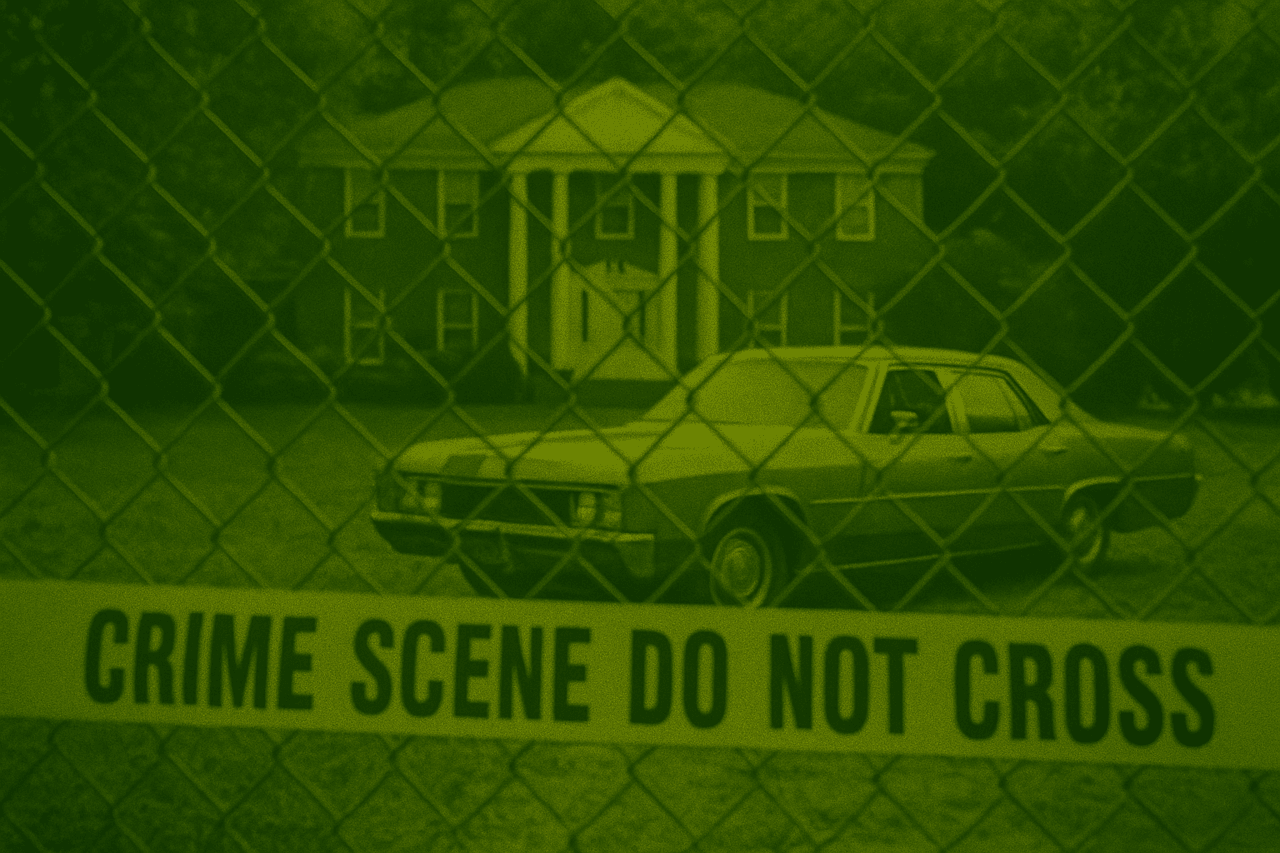
The unsolved murder of a wealthy Texas oilman in 1971 remains one of the most mysterious and confusing cases in US criminal history. The murder occurred right in front of the victim’s house — in the middle of the night, after an elite shooting tournament. Half a century later, the trail still hasn’t cooled: new witnesses, documents, and names are emerging. But there are still no answers. This is not just the story of one murder. This is the chronicle of the fall of an entire social caste — oil barons, gambling clubs, contract killings, and shady deals.
William “Bill” Asher Richardson Jr. was born into a wealthy family of oilmen and farmers in South Texas. His childhood was spent in a world of large estates, auto racing, and family traditions. But behind the glittering exterior were difficulties: he was a troublemaker, changed three high schools, and eventually dropped out. Despite this, at the age of 20 he joined the US Marine Corps, where he participated in the Korean War. After being wounded, he was awarded a service medal—an experience that apparently shaped both his resilience and determination.
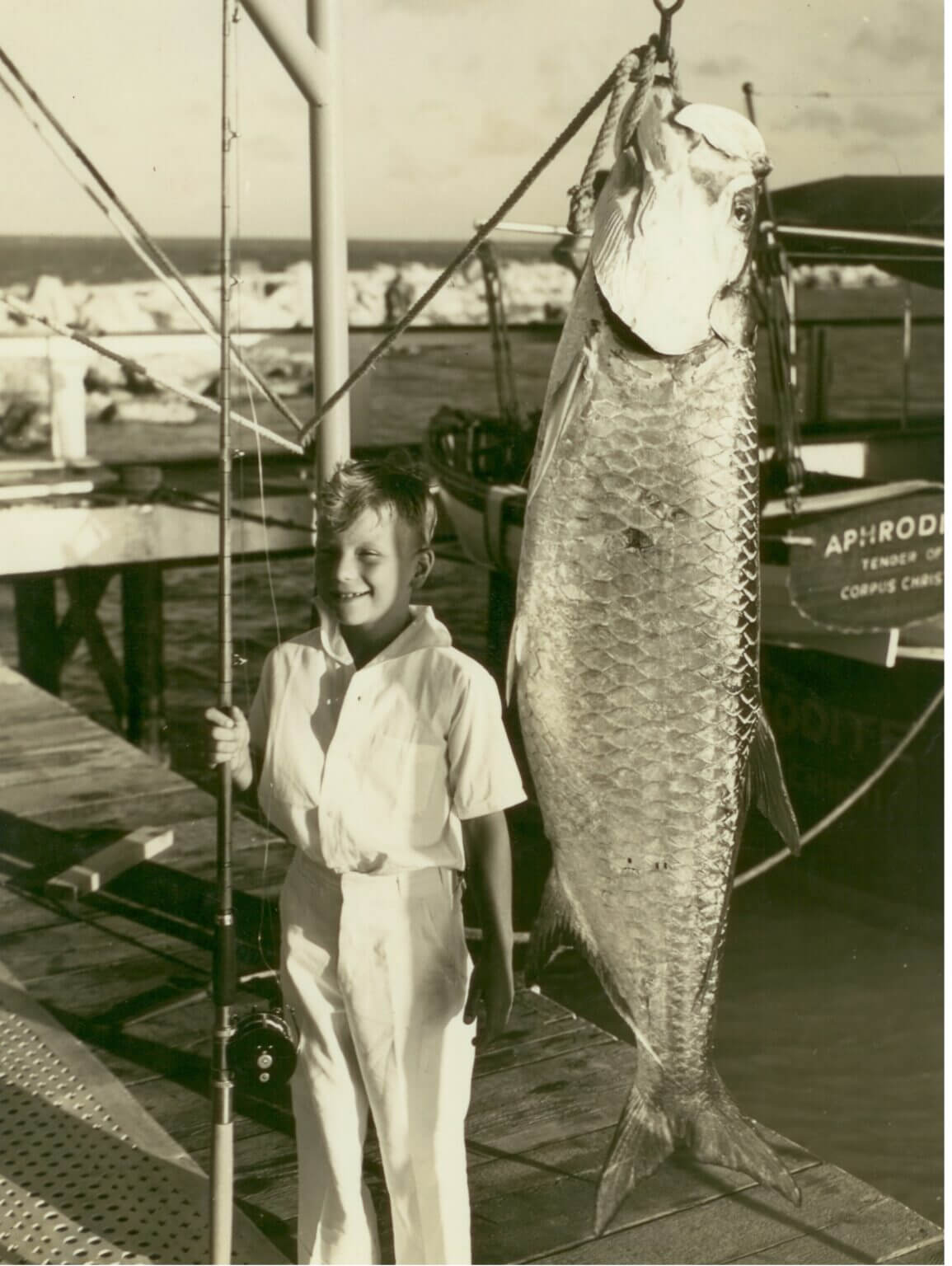
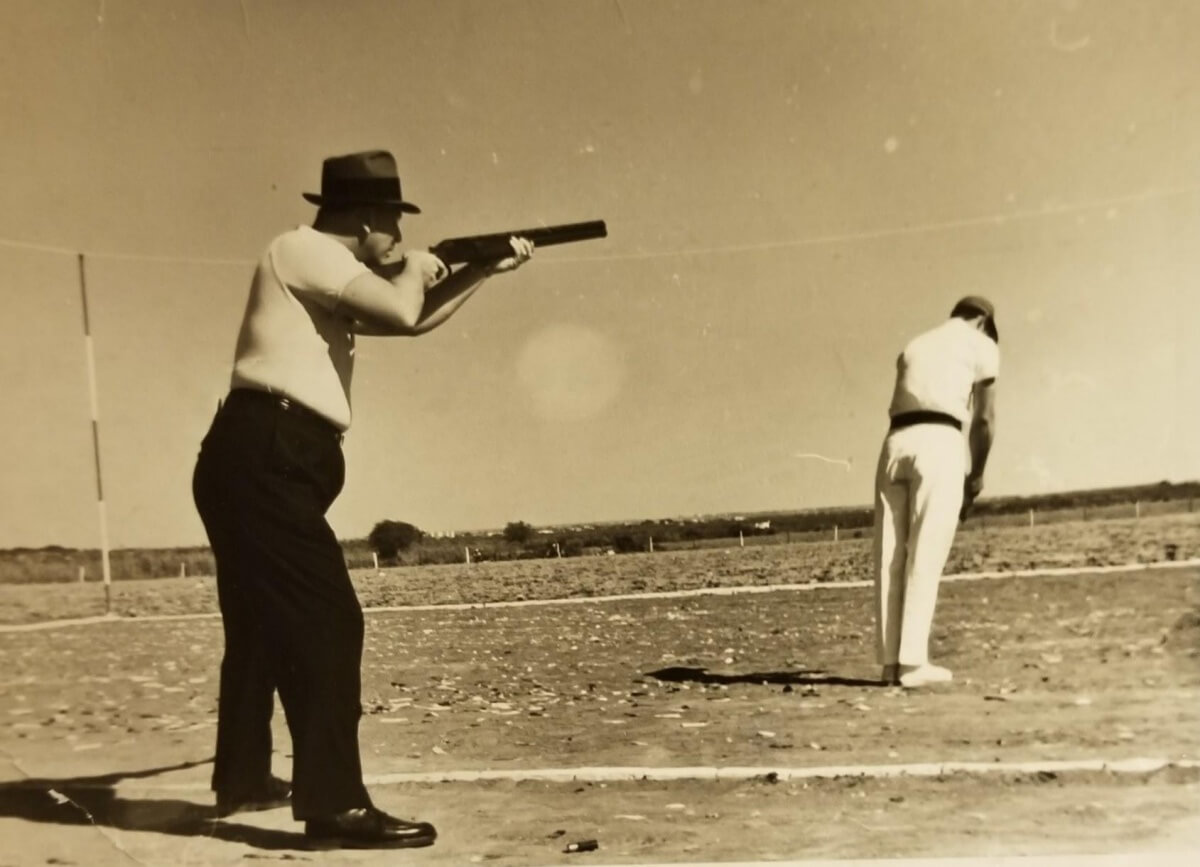
After the war, Bill joined the family business, creating his own company, Richardson Petroleum Enterprises. His father founded Richardson Petroleum, which became the basis of the family’s well-being. The younger Richardson lived the life of a playboy: he flew a modified P-51 Mustang, managed oil assets, played high-stakes poker, fished in the bay and attended pigeon shooting tournaments. A special place in his life was occupied by a bloody sport – shooting live pigeons in the “columber” style, which required not only skill, but also nerves of steel. He represented America three times in international competitions.
In 1963, the Richardson family was devastated by tragedy: Bill’s father, having found himself in financial difficulty, shot himself in his own home. Bill’s six-year-old daughter, Lynn, recalls how the child brought a bill for $ 11 for the delivery of groceries, but her grandfather was so broke that he could not pay and committed suicide. The tragedy left a deep mark on the family memory, creating an atmosphere of inevitable fatality. In the Richardson family, there was talk of a family curse: violence and death haunted several generations in a row.
Bill’s financial situation worsened in the late 60s. In 1969, he declared bankruptcy, having a debt of $ 3.3 million (equivalent to almost $ 29 million in today’s prices). Half of the amount was unsecured debts to 125 creditors, among whom were his former partners. Some of them openly expressed their hostility towards him. Under the pressure of financial obligations, Richardson immersed himself even more actively in gambling and shooting tournaments. It was in this environment – at the intersection of excitement, cash and crime – that he found both friends and enemies.
Late on the evening of August 1, 1971, Richardson and his family returned to their home in Corpus Christi after a pigeon shooting tournament in McAllen. His wife, stepson, and housekeeper had already begun unloading their belongings when Richardson emerged from the Winnebago mobile home parked in front of the four-bedroom Mediterranean-style villa. Just then, two armed men in overalls, baseball caps, and dark glasses stepped out of the shadows. Without a word, they fired .45-grain sawed-off shotgun shells at him at point-blank range. The shots hit his head, neck, chest, and arms. It was clearly a planned and professional murder.
His wife rushed to the phone, but the line had already been disconnected. His 11-year-old stepson, James LaBarba, ran in shock to call for help. A neighbor’s doctor was unable to save the man—Richardson died in the driveway before the ambulance arrived. The house was in chaos, and investigators later found empty beer cans and cigarettes in the bushes across the street, suggesting an ambush. The first to arrive on the scene were Chip Hogan and his father, Roger, Richardson’s friends who had also returned from hunting that day. They saw the body of a man lying on the asphalt who had been holding a shotgun at a competition just hours earlier.
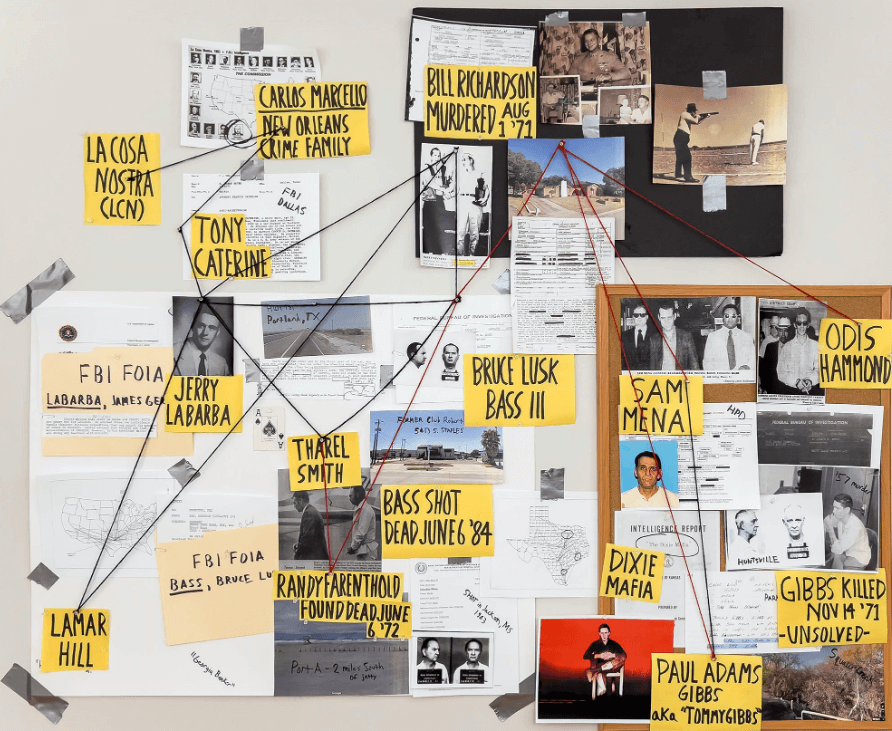
The investigation quickly led to the discovery of two men, whom housewife Mary Chavez recognized from police photos: Odis Thomas Hammond and Sam Mena, both from Fort Worth. Their profiles were disturbing: both were repeat offenders with a long list of crimes that included theft, violence, prison escapes, and at least one previous murder. Hammond, in particular, had been involved in a deadly shootout outside a bar in 1957 that had killed his friend, a pimp. He was not prosecuted only because a key witness had disappeared. Two years later, he killed a car salesman in Houston, but, surprisingly, after being sentenced to 30 years, he was released in April 1971, a few months before Richardson was murdered.
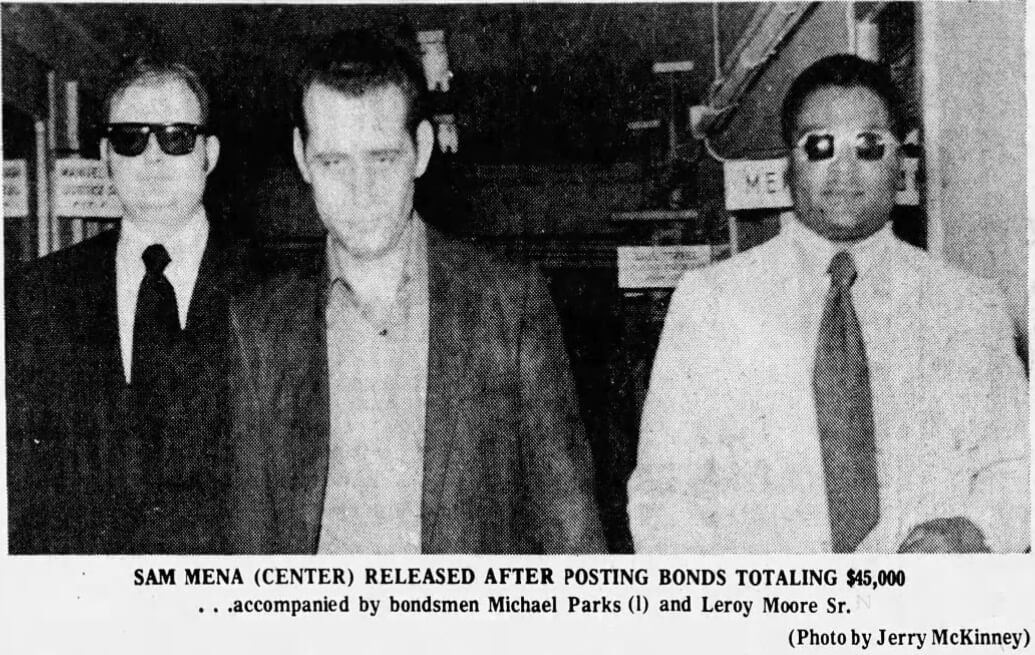
Sam Mena had a similar background: a long criminal record involving robberies, prison escapes, and suspected drug trafficking. But even more disturbing was that while in prison for the Richardson case, Mena tried to hire a hitman to eliminate a key witness—the same housekeeper, Chavez. The intended hitman was Paul Adams Gibbs, also known as “Tommy,” a man with a history of military service, a criminal past, and a shady reputation as a hitman. His identity, as it turned out, played a key role: investigators began to suspect that it was Gibbs who was the getaway driver that night—the one who had waited in the car for the killers and driven them away from the scene of the crime.
Paul Adams Gibbs, better known as Tommy Gibbs, was a figure who fully embodied the image of the classic hitman from a spy movie: a former Marine wounded in Tarawa during World War II, then a ruthless criminal who changed several names, prisons and states. He was arrested for car theft, robberies, armed attacks, and was even suspected of drug trafficking. In the prison press, he is mentioned as the organizer of the attacks, known in shadowy circles. It was this man, according to Parker County records, who lived with Sam Mena in Azle, Texas, and it was he who was suspected of driving the car during the murder of Bill Richardson.
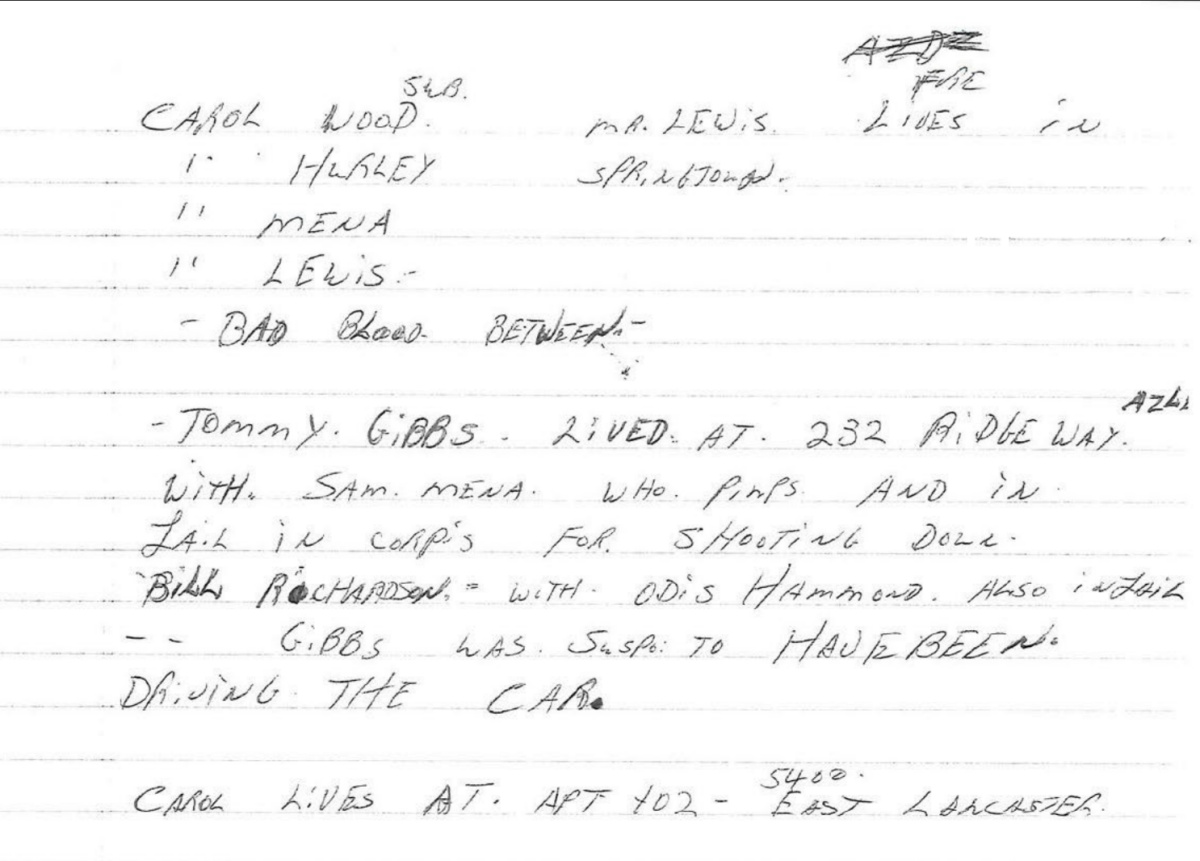
The real horror of this story is how Gibbs died. Six weeks after police foiled a plot to kill Mary Chavez, Gibbs’s body was found in the woods near the town of Weatherford. He was wearing a suit and tie, dead in a pool of his own blood. He had been shot six times in the face at close range—so close that his cheek was left with gunpowder burns. Investigators concluded that he had been executed, likely after being dragged from the trunk of a car. Nothing was found in his pockets except bloody notes. The style—a quick execution, the complete obliteration of recognizable features—clearly suggested organized crime.
The case was complicated by the fact that Gibbs had never been formally named as a suspect in Richardson’s murder. His death made this impossible: by the time Hammond’s trial began, Gibbs was already dead, and his role in the case is only briefly mentioned in the investigative notes. And yet, a police note found among the Parker County archives contains a direct indication: “Gibbs lived with Sam Mena … participated in the murder of Richardson … was suspected as the driver.” In a mysterious way, he seemed to disappear into the darkness of the case, leaving behind only traces that the police never followed to their logical conclusion.
The next step in the investigation was the court’s attempt – the only official legal attempt to answer who killed Bill Richardson and why. But as the following paragraphs will show, this attempt also failed.
On August 21, 1972, a year after the murder of Bill Richardson, one of the prime suspects, Odis Thomas Hammond, went on trial. Prosecutors, hoping for a verdict that would finally answer many questions, called a number of witnesses. Mary Chavez and 11-year-old James LaBarba directly identified Hammond as one of the two shooters. There were also eyewitnesses who saw him at a hotel in McAllen during a tournament where Richardson was staying. One of them recalled Hammond boasting that he had driven from Fort Worth in a car that had been converted to run on butane—a unique detail that seemed incontrovertible.
Hammond’s defense, however, proved to be as cunning as his criminal history. His attorney questioned whether the witnesses could have seen the shooters’ faces at night, given their baseball caps, glasses, and poor lighting. The key was the FBI firearms expert who testified that the recovered shell casings did not match the type of gun that witnesses said the assailant was holding. This seriously undermined the credibility of the eyewitness accounts. In addition, the court blocked all attempts by the prosecution to mention previous murders in which Hammond was a suspect. The jury did not learn that he had already been convicted of a fatal shooting.
Ultimately, the defense attorneys’ words and the questionable strength of the testimony were decisive. Although prosecutors built their case along the lines of “same Hammond, same methods, same partners,” the jury received only a truncated version of the truth. Hammond’s alibi was bolstered by a woman who said she had spent the night with him in Fort Worth at the time of the murder. Despite the obvious contradictions, that was enough: Odis Hammond was found not guilty. When he was released, he left the courtroom smiling, wearing sunglasses—dressed as if mocking the judicial system. His handcuffs were removed on the porch. The press did not hide the scandal: an oilman brutally murdered, dozens of pieces of evidence—and not a single convict.
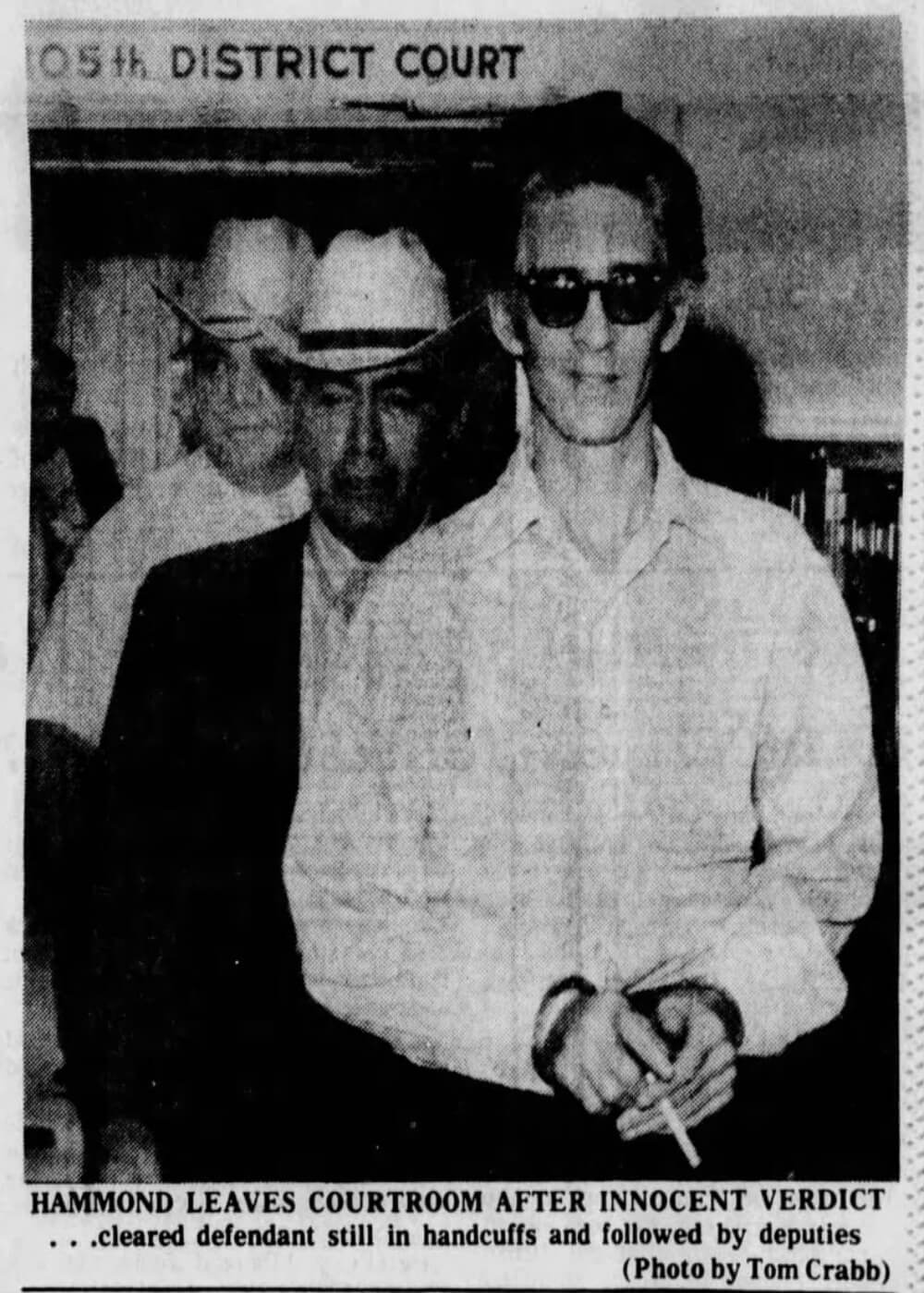
But the story didn’t end there. Hammond was arrested again a few years later, this time for robbing a Dallas drugstore. He wore a wig, had a gun, and escaped with an accomplice, the same one he had used to kill a car salesman in 1959. The system once again allowed this man to leave a bloody trail in Texas. Like Sam Mena, he never admitted to his involvement in the murder of Bill Richardson.
After the case against Odis Hammond fell through, authorities decided not to press separate charges against Sam Mena in the Richardson murder. But that didn’t mean Mena got off scot-free. His criminal career only continued to snowball. While he remained in prison for other offenses, he came under another wave of investigation—this time for conspiring to kill Tarrant County District Attorney Tim Curry. In 1974, it was revealed that Mena, still in his prime, had once again tried to recruit a cellmate to assassinate an official. The plan failed, but the very fact that a convicted felon was planning another murder from behind bars confirmed his penchant for violence.
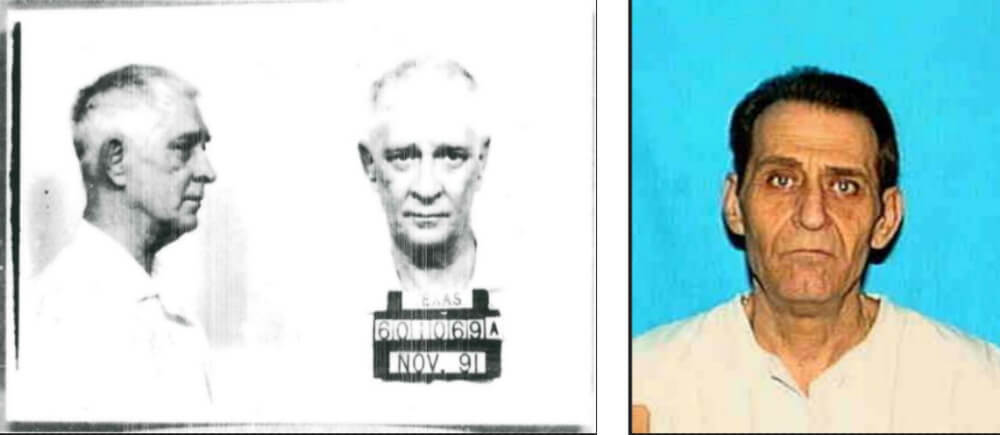
In the 1980s, Sam Mena was once again in the crosshairs of law enforcement, this time for dealing cocaine. In Houston, at one of the city’s intersections, the police conducted an undercover operation. Mena appeared in a denim “Canadian tuxedo,” with a thick mustache and a loaded .38-caliber revolver. He had a package of cocaine on him and confidently negotiated with an officer he believed was a buyer. Arrested on the spot, Mena went to prison again. This time for a long time. Over the next decade, he periodically appeared in court records, and then disappeared from the official arena. In the 1990s, he died without ever admitting to involvement in the murder of Bill Richardson. His story ended in silence — as deafening as many other threads in this tangled case.
Less than a year after the death of Bill Richardson, on June 6, 1972, the killers struck again—this time on another member of Texas’s gambling royalty. The body of a young millionaire, George Randolph “Randy” Farentold, a 32-year-old heir to an oil empire, washed up on the shores of Mustang Island. He had been chained to a concrete block by the neck, suggesting a deliberate and ruthless killing. Farentold was called “the sportsman”—a euphemism for a playboy with a reputation as a gambler, a pigeon shooter, and a close friend of Richardson’s. They attended shooting tournaments together, played tens of thousands of dollars in craps, and were reportedly involved in the same illegal financial dealings.
But Farentold’s murder was not just a personal vendetta. At the time of his death, he was set to be the star witness in a federal trial against four men accused of a complex $100,000 Treasury bond fraud scheme. His disappearance from court effectively derailed the case. The focus immediately shifted to two defendants—Bruce Bass III and Tarel Smith, partners in a Corpus Christi construction business. They, like Richardson and Farentold, were part of a secret club—people who hunted, shot, gambled, and, as it turned out, killed together. Police determined that Farentold had been kidnapped, beaten to death, and then strangled—all likely by people he once called friends.
The breakthrough in the investigation came not from the prosecutor’s office but from prison. Robert “Little Bob” Walters, a man who had already helped escape from prison and was considered a reliable informant in the criminal world, intervened. It was he who volunteered to testify against Bruce Bass. According to him, Bass and Smith killed Farenthold together and asked him for help in disposing of the body. Walters claimed that he had witnessed the moment when the body was thrown into the ocean, and also that Bass himself confessed to him in another crime: the murder of Bill Richardson. According to him, Bass called him on August 1, 1971 – the day of Richardson’s murder – and said that he would “finish one game today.” And after the shooting, he again asked to throw the sawn-off shotgun into the storm drain and into Oso Creek.
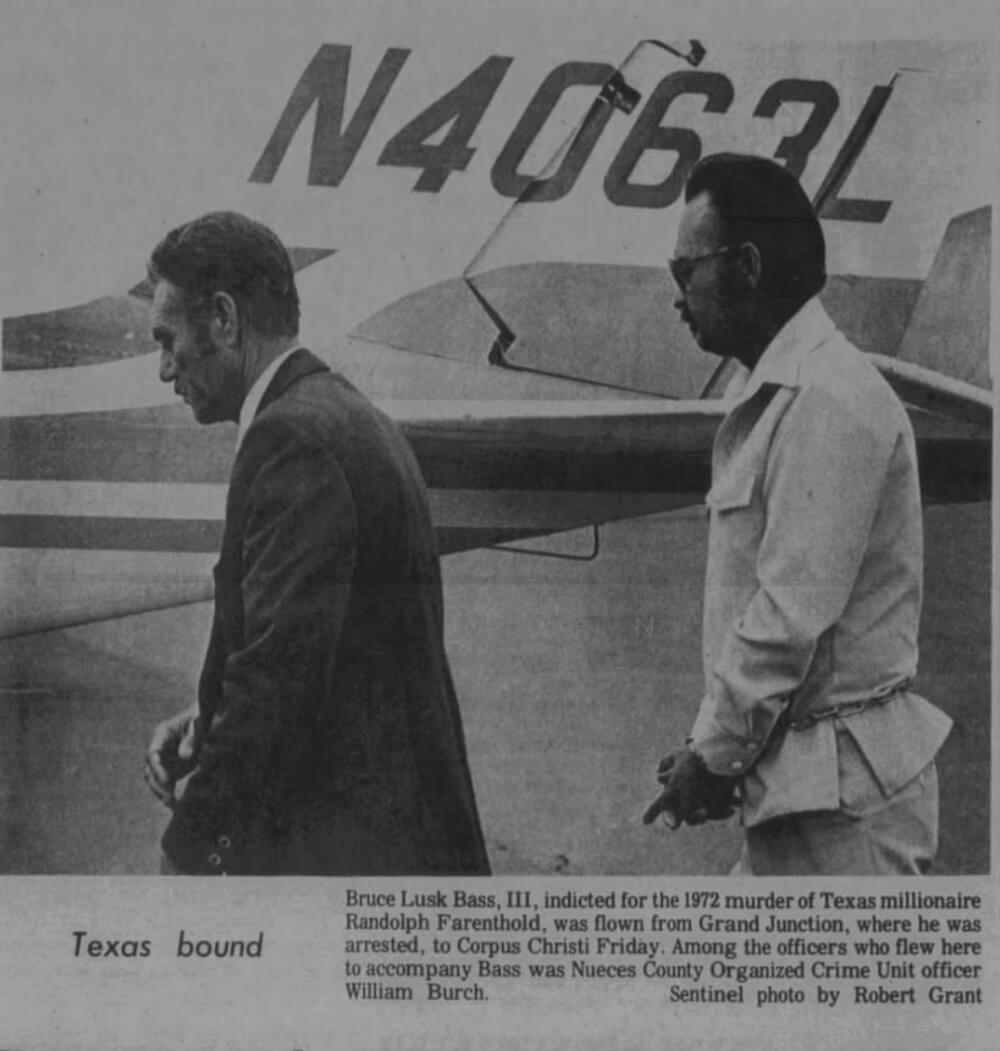
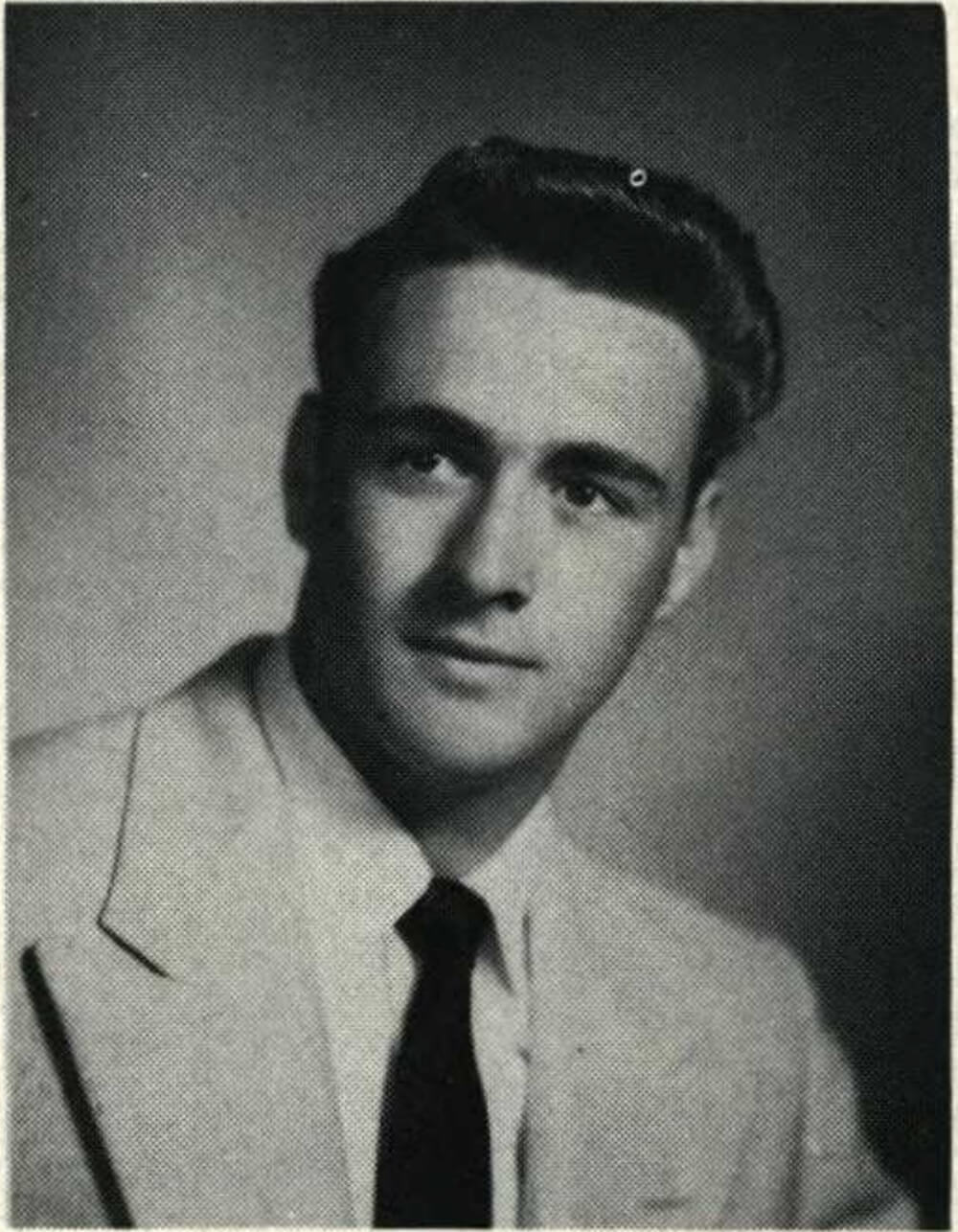
Although the sawn-off shotgun was never found, the jury found Walters’ testimony credible. In 1977, Bruce Bass was sentenced to 16 years in prison for Farentold’s murder. His partner, Tarel Smith, escaped conviction and died of a heart attack in 1985. As for Richardson, Bass was never held accountable for the murder, although behind the scenes many believed he was the one who “ordered” Bill’s death.
The story of Bruce Bass did not end even after his conviction. Investigations by independent sources revealed that Bass and other participants in the bloody events, such as Jerry LaBarba, were not just shooters or business partners; they were part of a much wider, deeper, and more dangerous circle. This club, which from the outside looked like an elite gathering of pigeon shooters and the rich, actually had close ties to the underground mafia, in particular the so-called “Dixie Mafia.” It was a loosely connected criminal network, without a clear hierarchy, but with money, access to weapons, gambling halls and, most importantly, to silent performers.
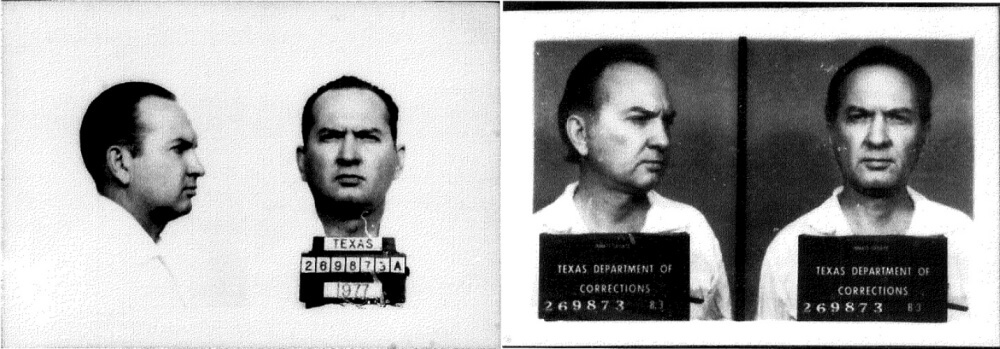
The FBI raided the offices of Jack Edward Kress and Kress Manufacturing in Oklahoma, which was involved in the manufacture of counterfeit gambling devices: rigged dice, marked cards, and cheating schemes. During the investigation, agents noted the names of two Texans, Bruce Bass and Jerry LaBarba. Both were close associates of Richardson. The FBI suspected that they were using counterfeit gambling devices to generate illegal income and were working closely with other “operators” in Louisiana and Mississippi. One police informant in 1972 stated that Bass and LaBarba were “money men” for Tony Catherine, a Dallas nightclub owner and associate of Jack Ruby, the notorious assassin of Lee Harvey Oswald.
Jerry LaBarba, by the way, was not just an acquaintance of Richardson. He was the ex-husband of his wife and the father of the 11-year-old James LaBarba, who became a key witness in the case. When Jerry spoke in court, he strangely avoided talking directly about the murder, although he had previously stated that he “knew who did it.” In the courtroom, instead, he said that he only wanted to protect his son, saying that “it’s better to tell everyone that James didn’t see anything.” And then he heard his famous phrase: “It seems that witnesses are very difficult to stay alive in Corpus Christi.” Everyone in the room understood what he was talking about: Richardson, Farentold, Gibbs – everyone who could tell something was either dead or silent.
The real climax was the name of another mysterious figure – banker Lamar Gill. This man in the 1970s often rented private planes to take elite players to Texas, Las Vegas and the Bahamas. In 1973, he was convicted of stealing more than $4.6 million from the bank he ran. When reporters asked him where the money went, he replied, “I just don’t know… It’s a lot of money.” In a book about Ranger Jim Peters, Gill is described as “an influential Georgia banker who served a group of gamblers, including Richardson and Bass.” They flew on his planes, played dice on board, lived on islands, and returned supposedly after a legal vacation. In reality, it was a gambling fraternity with deadly consequences.
Despite dozens of obvious clues, direct testimony, bodies found, and indirect confessions, the murder of Bill Richardson officially remains unsolved. Why? First, because of the massive blocking of access to information. The FBI, according to data for 2025, has over 12,000 pages of documents relating to Bruce Bass. Of these, only… 29 have been made public. There are also over 2 hours of audio recordings, which none of the journalists have heard either. The Bellingcat request (based on which part of the chronology was restored) has been formally in the queue for… 6 and a half years. This is the official waiting period for the publication of just one archive. The situation is similar with the files on Sam Maina, Jerry LaBarba, and especially Lamar Hill. The strategy of “silencing” here seems obvious.
Next up is Corpus Christi. The city where it all happened officially has its own unsolved murders unit, staffed by two detectives. In 2023, they began reviewing cases dating back to 1970, including the Richardson case. But they immediately refused to provide reporters with any key documents. The rulings, protocols, autopsy results, witness statements — everything is under lock and key. Even after several official requests from journalists and human rights activists, the Nueces prosecutor’s office did not open the archive. Unofficially, investigators said they were “considering the possibility of officially closing the case.” What exactly they saw — no one says.
A significant part of the traces has been erased by time. The main witnesses have either died or disappeared from sight. Mary Chavez, who saw the murder with her own eyes, disappeared after the 1970s. James LaBarba, who recognized Hammond, died in 2018. His father, Jerry LaBarba, died in 2009. Most of the defendants are also dead—Mena, Hammond, Bass. The bodies are gone, and with them the responsibility. The Texas justice system of the 1970s not only failed to piece together the case—it effectively collapsed under the weight of impunity, questionable court decisions, and the silence of the upper echelons.
And even today, in 2025, when so few people are left capable of saying anything, Bill Richardson’s daughter, Lynn, admits, “I don’t know if we’ll ever know the truth. But if anyone else knows, they need to speak up.” She was the one who remembered pushing Bruce Bass into a pool as a child while dove hunting—and then her father jumped in, saved him, and severely scolded her daughter. This short episode from life became an ironic symbol: once Richardson saved Bass, and later — presumably — Bass became his executioner. Fate made a circle. But the legal — it never closed.