21.09.2025
11 min
1085



Catfishing is one of the most common online fraud schemes, where a fraudster creates a fake identity on social media or dating sites. The purpose of such actions is different: from emotional manipulation to financial fraud. You can recognize catfishing by typical signs – reluctance to show yourself in a video call, use of other people’s photos, overly ideal stories or quick disclosure of “strong feelings.”
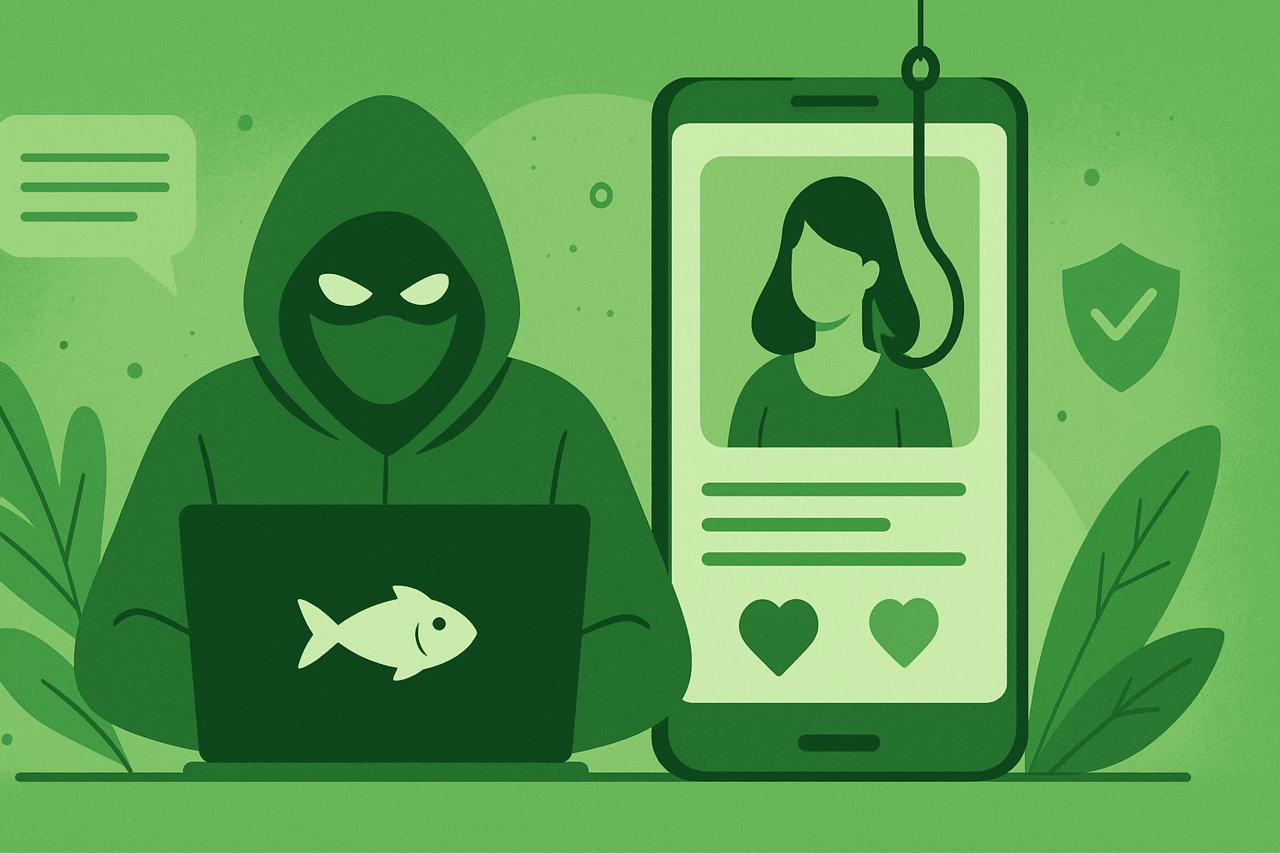
People use social media platforms, dating apps, forums, chat rooms, and video games to develop relationships and make connections, often with strangers. While the internet has certainly made it easier for people to communicate from the comfort of their own screens, criminals such as scammers, predators, and trolls are taking advantage of the situation through a deceptive practice called “catfishing.”
Being deceived by someone you thought you could trust can sometimes have devastating consequences for victims. The emotional toll of being deceived by someone you thought you could trust can lead to mental health problems, financial loss, and reputational damage.
Catfishing is a deceptive practice in which a person creates a false identity to deceive others. Some people use catfishing to protect their own identity, fulfill fantasies, or emotionally manipulate others. Others use catfishing as part of a social engineering attack.
Catfishers typically use stolen photos and fake identities to trick people. They often target vulnerable individuals looking for love or companionship, and they will do anything to create a convincing image.
No images or videos or stolen media.
Minimal social media presence or recently created profile
No search engine ads.
Instant romantic attachments and love bombing.
Avoiding video calls and in-person meetings
Asking for money.
Requesting explicit images or videos.
Wild stories like working for the CIA or being in a terrible accident with no evidence.
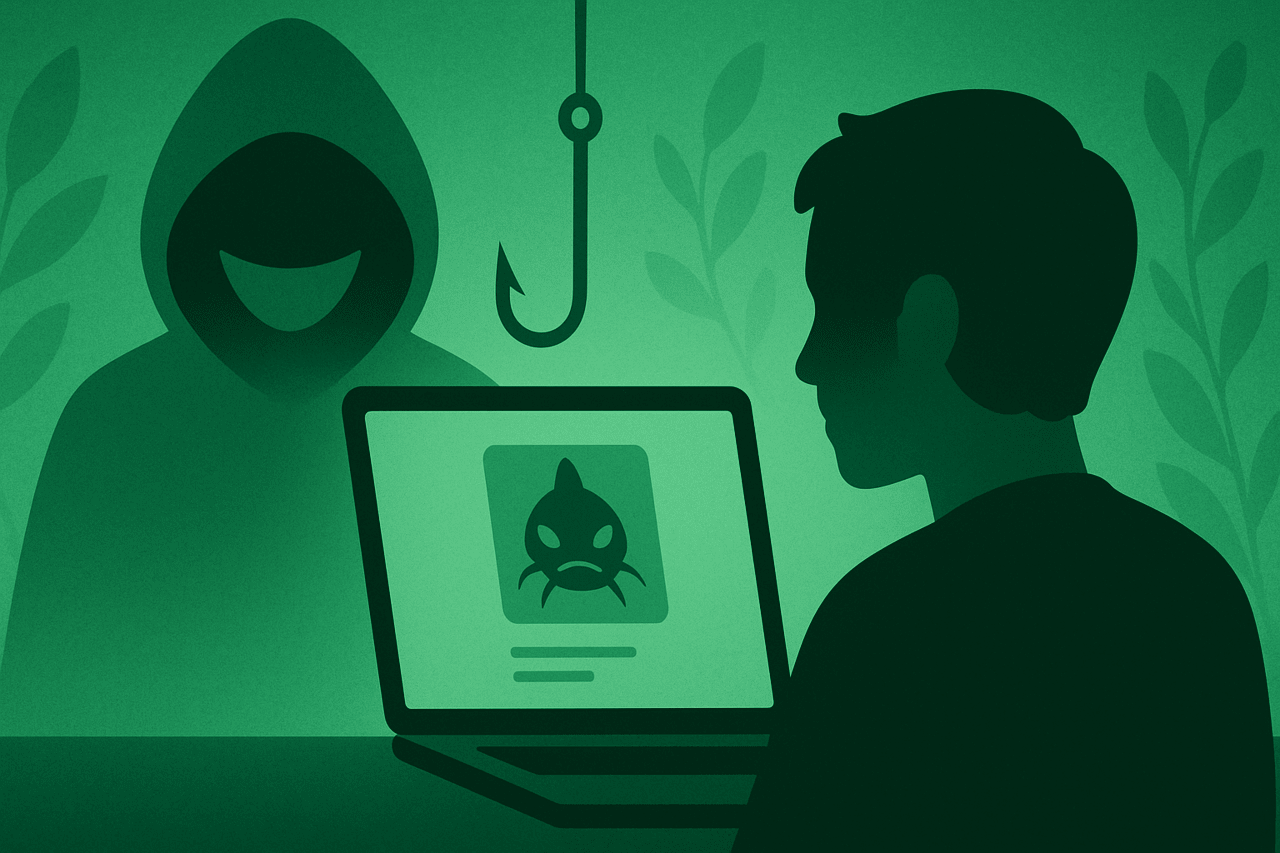
The term “catfishing” was coined by the 2010 documentary film “Catfish,” directed by Nev Shulman. In the film, Shulman forms an online friendship with a girl, only to discover that her image was a fabrication. Instead of the girl, Shulman discovers that he was talking to a 40-year-old housewife. In the documentary, a man tells the myth of live cod being transported in tanks with catfish to keep them active rather than lethargic. He compares this practice of transporting cod to his wife’s behavior.
Catfishing is not necessarily illegal. Creating a new nickname online that does not match your own is not illegal. However, catfishing can be a precursor to illegal activity. For example, catfishers may use their false identity to defraud, deceive, harass, or stalk others, which is illegal in many places. Additionally, if a catfisher uses someone’s identity for financial gain, the law may consider it identity theft.
There are many reasons why someone might do this. Many of them have malicious intentions, but not all of them are. However, even these seemingly harmless instances of catfishing can have harmful psychological effects on victims.
Catfishing can be used as a form of revenge or aggression against someone. In this case, catfishing creates a false identity in order to cause emotional, psychological, or financial harm to the victim. Jealous partners, rejected lovers, and stalkers are examples of people who might use catfishing for revenge or aggression.
As mentioned, some people may use catfishing as a way to protect their identity online. They may be afraid of becoming a target for hackers or stalkers, or they may want to keep their personal information private. For example, some parents create fake profiles for their children online to protect them from predators. Another example is a victim of abuse who creates a fake Facebook profile so that they cannot be found by their ex-partner.

Catfishing can be a way for a person to boost their self-esteem or self-confidence. They may feel insecure about their appearance or social status and create a fake identity to be someone else online.
Catfishing can be used to stalk or harass someone online. The catfisher may pretend to be someone else to gain the victim’s trust, then use that trust to hurt or humiliate them. Online trolls sometimes use catfishing to cyberbully.
Some blackmailers create fake profiles to obtain confidential information from their victims. They can use this information to steal the victim’s identity, hack into their accounts, or commit other crimes. For example, a blackmailer might create a fake profile to build a relationship with their victim and then use their confidential information to extort money.
There have been many high-profile cases of catfishing in recent years. Some of the most famous examples include:
Anna Sorokina, also known as Anna Delvi, posed as a wealthy socialite to carry out various fraudulent schemes. She was the subject of articles, a podcast, a book, television reports, and a nine-part Netflix show called “Inventing Anna.”
Manti Te’o is a former soccer star who had an online relationship with Lenna Kekua. After an investigation by sports blog Deadspin, it turned out that Kekua was not real. She was a fake identity created by a friend of Te’o. The story of catfishing became the subject of the Netflix documentary “Untold: The Girl Who Never Was.”
Israeli con artist Simon Leviev (Shimon Hayut) used dating apps to trick women into paying him to support his lavish lifestyle while also manipulating them emotionally.
As mentioned above, Nev Schulman was “stalked” by a woman named Angela, who was posing as a younger woman named Megan. Nev became the subject of the documentary “Catfish,” which popularized the term.
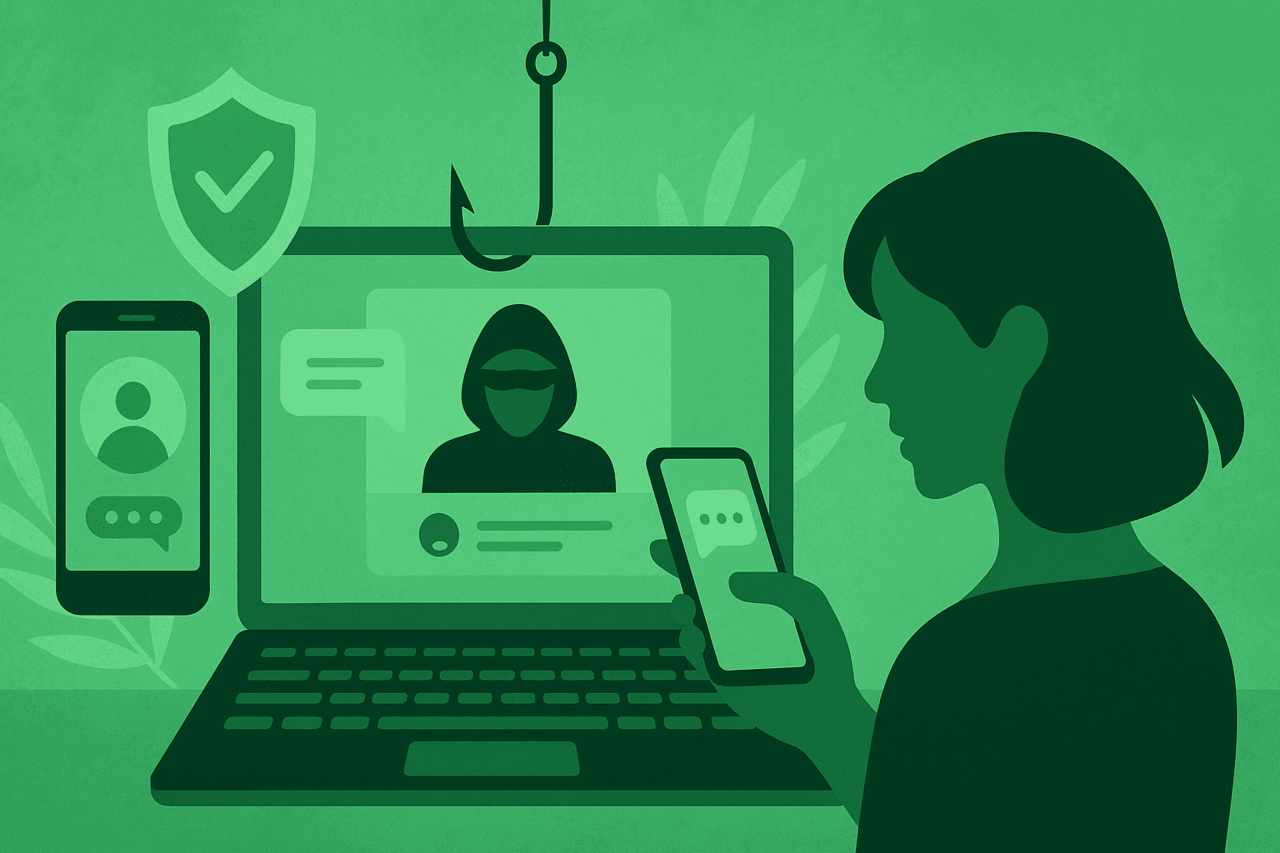
Some cyberbullies use the cover of anonymity to bully their victims. With catfishing, they can take cyberbullying to the next level, gaining their victim’s trust in order to obtain their confidential information or sensitive photos and videos, and then embarrassing them.
There have been many tragic cases where abusers have lured their victims into “catfishing” in order to kidnap them. Professional kidnapping gangs also use “catfishing” tactics in some countries to lure their victims.
Victims of catfishing may share confidential information that attackers can use for financial crimes, identity theft, or blackmail.
By gaining more information about their target through catfishing, the attacker can then devise a convincing phishing attack for financial gain. They can use catfishing to gain access to the target’s sensitive accounts, such as bank accounts and PayPal.
Fraud is one of the most common dangers of catfishing. Professional gangs use romance scams to trick vulnerable targets, such as the elderly or emotionally vulnerable, into sending money for fake emergencies, loans, gifts, or airline tickets.
Catfishing can have a devastating psychological impact on the victim. Feelings of betrayal, humiliation, and helplessness can lead to anxiety, stress, and other mental health problems.

The golden rule for spotting scams: If something seems too good to be true, it probably is. If you think the person you’re talking to is being dishonest or manipulating you, pay attention to the warning signs to avoid being scammed.
While some people have good reason to be cautious, others are out to deceive. If you have any doubts, ask the person to video chat with you. If they refuse or make excuses, they may have something to hide.
You should also be aware of “love bombing” (a type of emotional abuse where someone uses lavish gestures to manipulate you) and mirroring (a nonverbal technique where someone copies another person’s body language, vocal qualities, or attitude). Phishing scammers can use these abusive tactics to control their victims.
Another red flag in online dating is when someone asks for money. Catfishers often use sad stories to garner sympathy and money. They may say they need money for medical bills, travel expenses, or other emergencies.
A catfisher can use your sensitive information to steal your identity or commit fraud. So be careful not to give out your date of birth, address, phone number, or other sensitive information.
Catfishers or “catfishers” often use photos from other people’s social media profiles to create fake accounts. One way to find out is to use a reverse image search. With this tool, you can find the source of the image to get more information. For example, you may find out that the image belongs to a completely different person. Or you may find out that the image was taken at a time or place that doesn’t match the “catfisher” story.
When someone creates a fake profile, they are also using fake information. To verify the authenticity of the profile, look for inconsistencies in their posts, such as conflicting information about their location or job.
Ask questions about their background and check their online information to see if it matches up. While some people like to minimize their digital footprint to stay in the dark, there is usually something to be found online about everyone. However, catfishers usually have little or no reliable information online.
Professional catfishers may use stalking tools such as Trojans, spyware, stalkers, or keyloggers to compromise your security and privacy. Avoid opening attachments and links, and downloading software from places you don’t trust. Enable SafeSearch to protect young people using your computer. Protect your computer and devices with cybersecurity software.
Make sure you use a different password for each online account, enable multi-factor authentication, and use secure browsing methods, such as using a VPN, to reduce the risk of unauthorized access to your personal information. Adjust your privacy settings on the Internet and social networks to prevent hackers from breaching your security.