20.09.2025
16 min
2
1491



In this article, you will learn how swatting works, what methods attackers use (spoofing, social engineering, personal data leakage), what consequences a false call can have for the victim, and why the law considers swatting a serious crime. We will look at real cases, explain the risks, and give advice on how to protect yourself: minimize address disclosure, use a VPN, be attentive to suspicious messages, and warn the police in advance about possible fake calls.
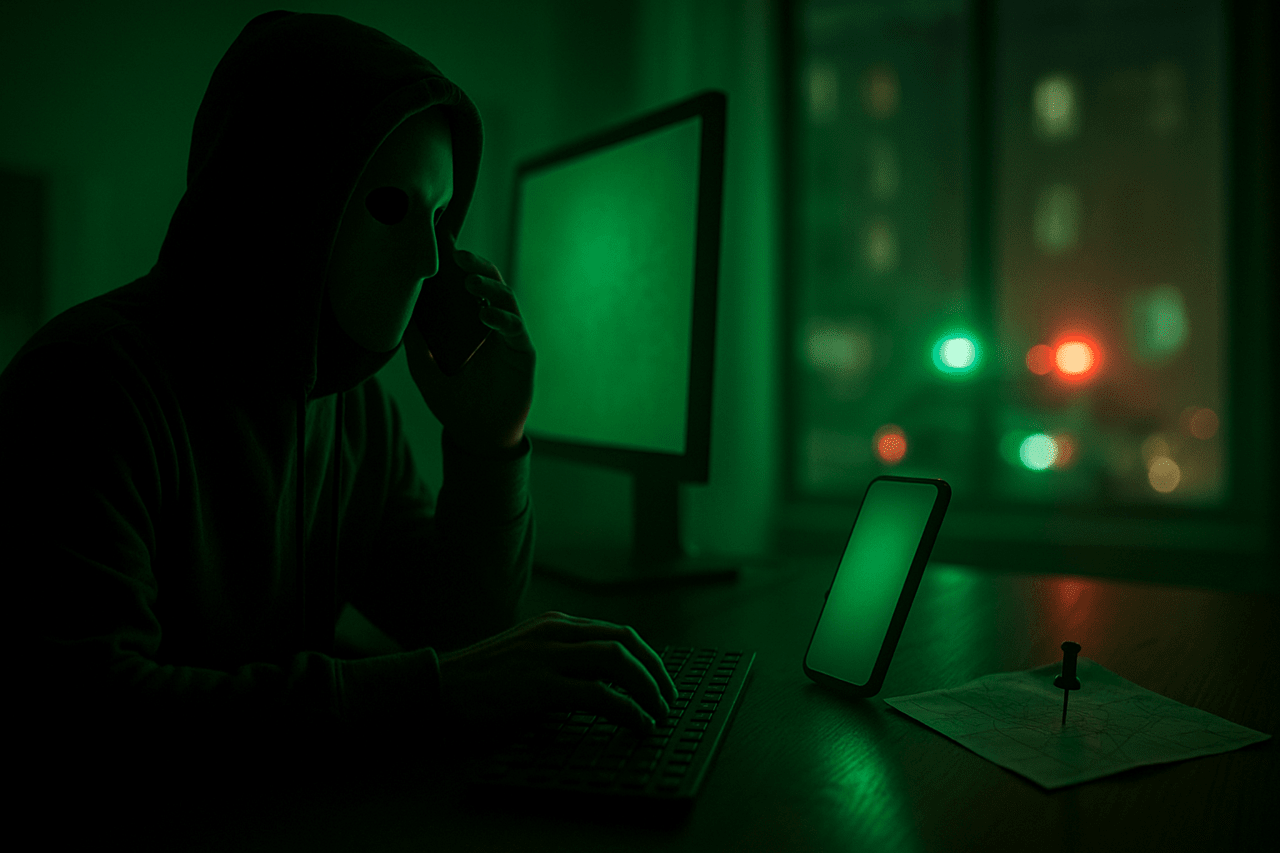
Swatting is a dangerous illegal scam in which an attacker makes a fake 911 call to send heavily armed law enforcement officers to a location, such as a school, shopping mall, or airport. SWAT team – for no good reason – hence the name. Swatters may report a fake bomb threat, hostage situation, terrorist activity, or murder to trigger the scam. Swatting threats are usually made anonymously or through fake identities.
The problem of swatting has become increasingly serious in recent years, with many high-profile swatting cases resulting in injuries, property damage, and even death. In addition to the harm it can cause to innocent victims, swatting also wastes valuable resources and puts law enforcement at risk. In response to this problem, many states and countries have passed laws specifically criminalizing swatting, and law enforcement agencies are working to raise awareness of the dangers of swatting and develop protocols for responding to swatting incidents safely and effectively.
It is important to be aware of the seriousness and potential consequences of swatting, and to discourage this dangerous behavior.
Swatting is usually carried out through anonymous phone calls or online messages, using technology that allows the perpetrator to conceal their identity and location. There are several ways in which swatting can be carried out:
Spoofing: An attacker may use a technique called “spoofing” to hide their phone number or email address, making it appear that the call or message is coming from a different location or person. This can make it more difficult for law enforcement to track down the source of the swatting threat.
Hacking: In some cases, the attacker may gain access to the victim’s personal information or online accounts, allowing them to make more convincing swatting threats or otherwise harass the victim.
Social engineering: Attackers may use social engineering tactics to gather information about the victim or their location, using that information to make the attacker’s threat more convincing or to increase the likelihood of law enforcement responding.
Collaboration: Some attackers may collaborate with others to conduct a swatting incident, such as by exchanging information or coordinating the timing of a false report.
Overall, swatting is made possible by a combination of technological and social factors and is often carried out by individuals with malicious intent and a desire to cause harm or disruption.
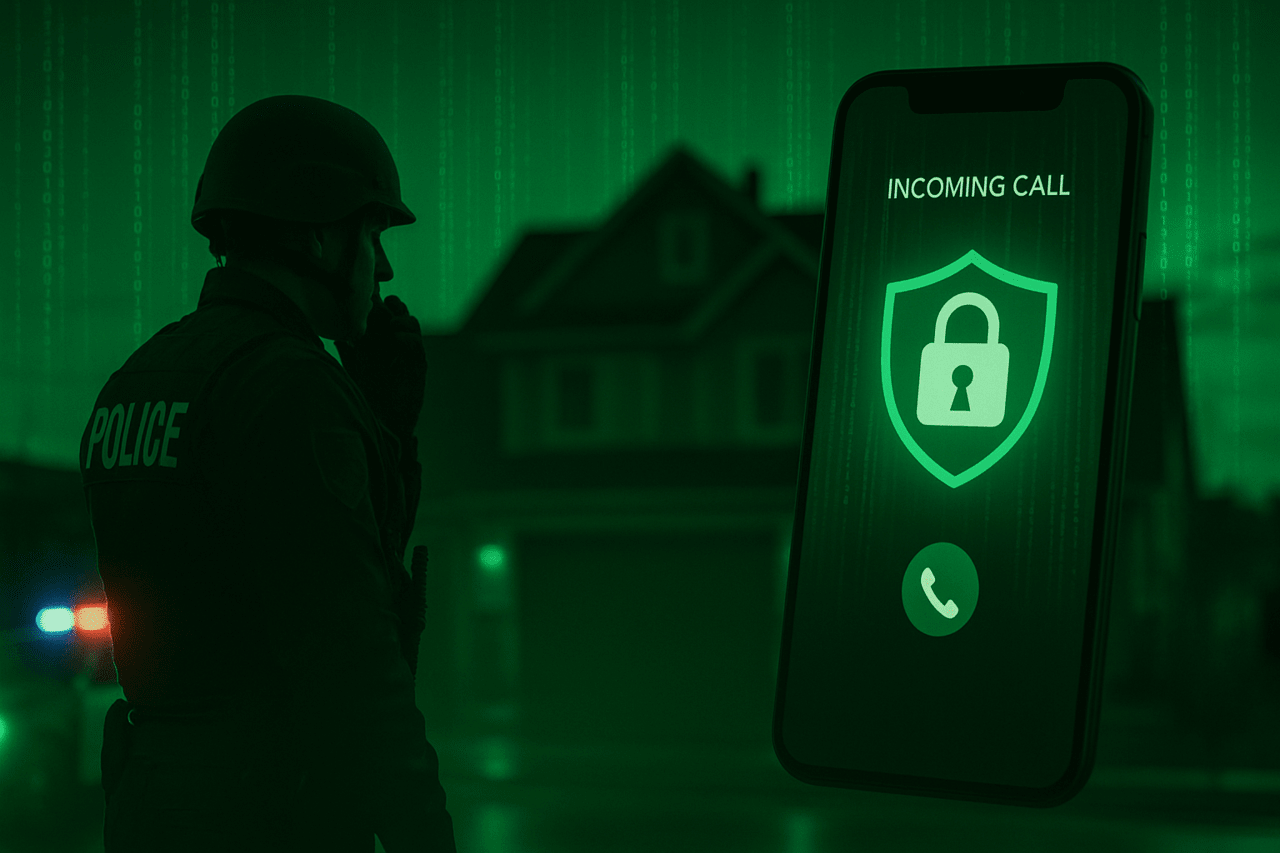
Yes, swatting is illegal. Falsely reporting a serious crime is a criminal offense and can result in charges of false reporting, false alarm, or other related crimes. Swatting can also result in charges of stalking, endangerment, or other criminal offenses depending on the specific circumstances of the incident.
Some of the potential consequences of seeking matchmaking may include:
Criminal Charges: Filing a false report of a serious crime is a criminal offense and can result in charges such as filing a false report, false alarm, or other related crimes.
Civil Claims: Swatting can result in civil claims for damages incurred by law enforcement response or other related harm, such as property damage or emotional distress.
Law Enforcement Response: Swatting can trigger a large-scale law enforcement response, including SWAT teams, bomb squads, and other specialized units. This can put innocent people at risk and waste valuable law enforcement resources.
Injuries or Deaths: Swatting incidents have resulted in injuries or deaths, either as a result of law enforcement response or because the person being targeted defended themselves from perceived threats.
Reputational Damage: Swatting can result in significant damage to the offender’s reputation, including public attention and potential job loss.
Overall, the consequences of using swatting can be serious and long-lasting, and can significantly impact the lives of both the perpetrator and the innocent individuals involved.
Swatting has been around since the early 2000s. According to the FBI, more than 100 people were victims of swatting in 60 cities across the United States between 2002 and 2006. The bureau officially warned the public about swatting in 2008 as the number of attacks increased.
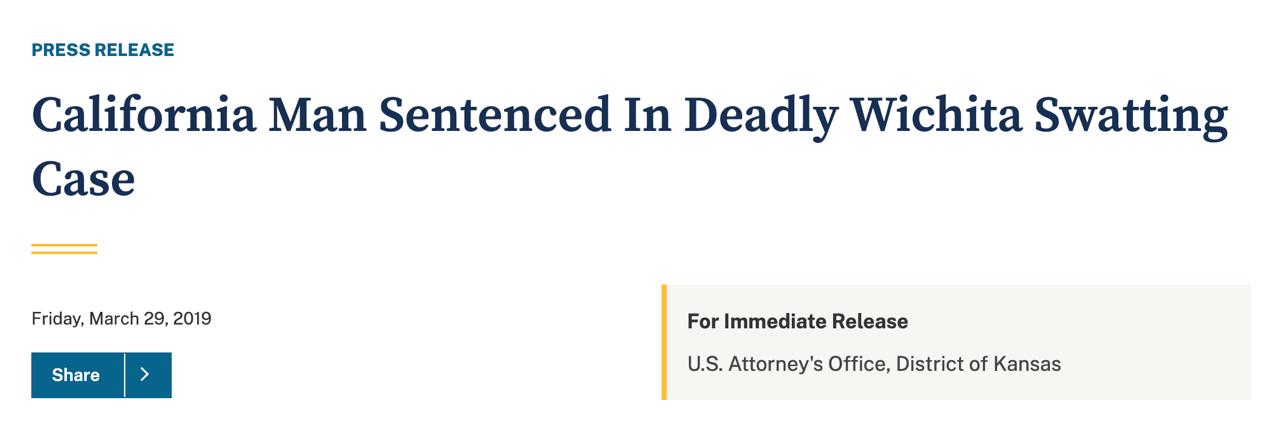
There have been many cases in the United States where fake calls to the security services have ended in tragedies. One of the most high-profile cases occurred in Wichita, Kansas, when police opened fire on an innocent man because of a false call. The perpetrator, a young hacker from California, eventually received a harsh sentence and was sent to prison.
This case was a turning point: society understood that swatting is not a joke or an “online prank”, but a crime that can cost lives. The trial showed that law enforcement will no longer tolerate such actions, and the perpetrators will definitely be brought to justice.
Swatting is as simple as it can be deadly. The attacker learns your home address through a variety of methods. They then hide or spoof their caller ID before calling the police with a fake message that provokes a potentially fatal emergency.
Swatting can have tragic consequences. For example, in 2017, police killed 28-year-old Andrew Thomas Finch after receiving a swatting call. The caller, Tyler Barriss, started the scam over an argument over the online game Call of Duty. In a tragic twist of events, he gave police the wrong address, and Finch was not his real target.
In another case, the victim suffered a heart attack caused by a swatting after the attacker took her address from Discord. One of the attackers, 18-year-old Tennessee man Shane Sonderman, was sentenced to 60 months in prison for posting the victim’s address on a social media platform.
While the scam typically targets the gaming community, media organizations and even law enforcement have also been targeted. Celebrities such as Ashton Kutcher, Tom Cruise, Selena Gomez, Miley Cyrus, Clint Eastwood and Chris Brown, as well as Twitch stars, have also been targeted.
Twitch streamers are regularly targeted for swatting, especially by high-profile viewers. For example, 16-year-old Kyle Giersdorf, known in esports as Bugha, was live-streaming Fortnite when he suddenly left the screen, piqued the curiosity of his viewers. The Fortnite world champion later returned to explain that SWAT officers had arrived at his house with weapons. The situation was defused because one of the responding officers was from his neighborhood and recognized him.
The question of “Why are streamers being swatted?” has several theories. First, swatting seems to be more common in the gaming community. Streamers also go live for hours a day each week to their followers, allowing the swatters to see the consequences of their antics firsthand and generate incredible excitement.
It is crucial to remain calm and cooperate with authorities to resolve any misunderstandings if you are the victim of swatting. You can also report any swatting threats to the police or, where possible, use your local law enforcement agency’s reporting system to prevent swatting. Officers who are directed to people on the reporting system will be alerted by the dispatcher that the emergency call may be a hoax.
Unfortunately, anyone can be the target of a fly swatter attack. However, remember that individual homes are less likely to be targeted by fly swatters. These criminals are more likely to create higher-level triggers and usually target popular locations where many people can be affected – such as schools, shopping malls, airports, government buildings, hospitals and other important locations.
There have been reports of fake 911 calls being made to send law enforcement to private homes. Always be careful when giving out your personal information, especially your full name, address, and even your phone number.
Make it harder for hackers to find your address by using a separate name for your streamer ID. Make sure your address is not displayed in public online spaces like social media pages or forums, and avoid trusting people with your details online. Learn more about doxing and how to prevent it here.
While your IP address usually doesn’t give the actor your exact home address, it can help them investigate your sensitive information. Fortunately, you can mask your IP address with a virtual IP address using a VPN service. Of course, many gamers and streamers are hesitant to use a VPN due to performance issues. To choose the best VPN for gamers, look for a fast service with a large number of servers that barely affects your upload and download speeds while protecting your privacy.
Criminals can use social engineering tactics, such as phishing emails, to trick you into giving out your home address or installing malware. Software such as spyware, stalker software, and keyloggers can send your sensitive information to its creator to help them learn your geographic location. Learn to recognize phishing and other types of social engineering techniques, and consider using a free spyware removal tool to scan your system for privacy-invading malware.