
08.08.2025
13 min
2031



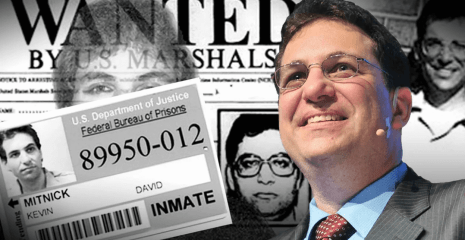
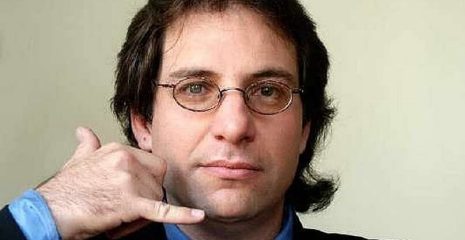
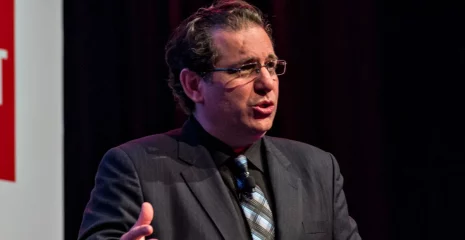
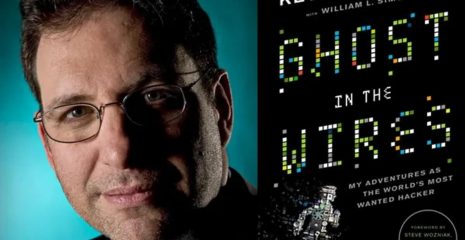
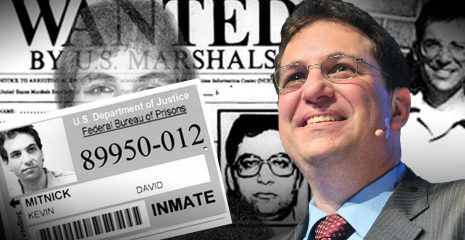
The story of Kevin Mitnick in the second part of the series reveals how the future “King of Hackers” earned his legendary nickname “Condor” and began to form the skills that would later make him famous throughout the world. After his first adventures and clashes with the law, Mitnick did not stop – he studied radio frequencies, experimented with technology and used every opportunity to test his wits. Even in difficult circumstances, such as arrest and imprisonment, he found ways to circumvent the rules and avoid dangers.
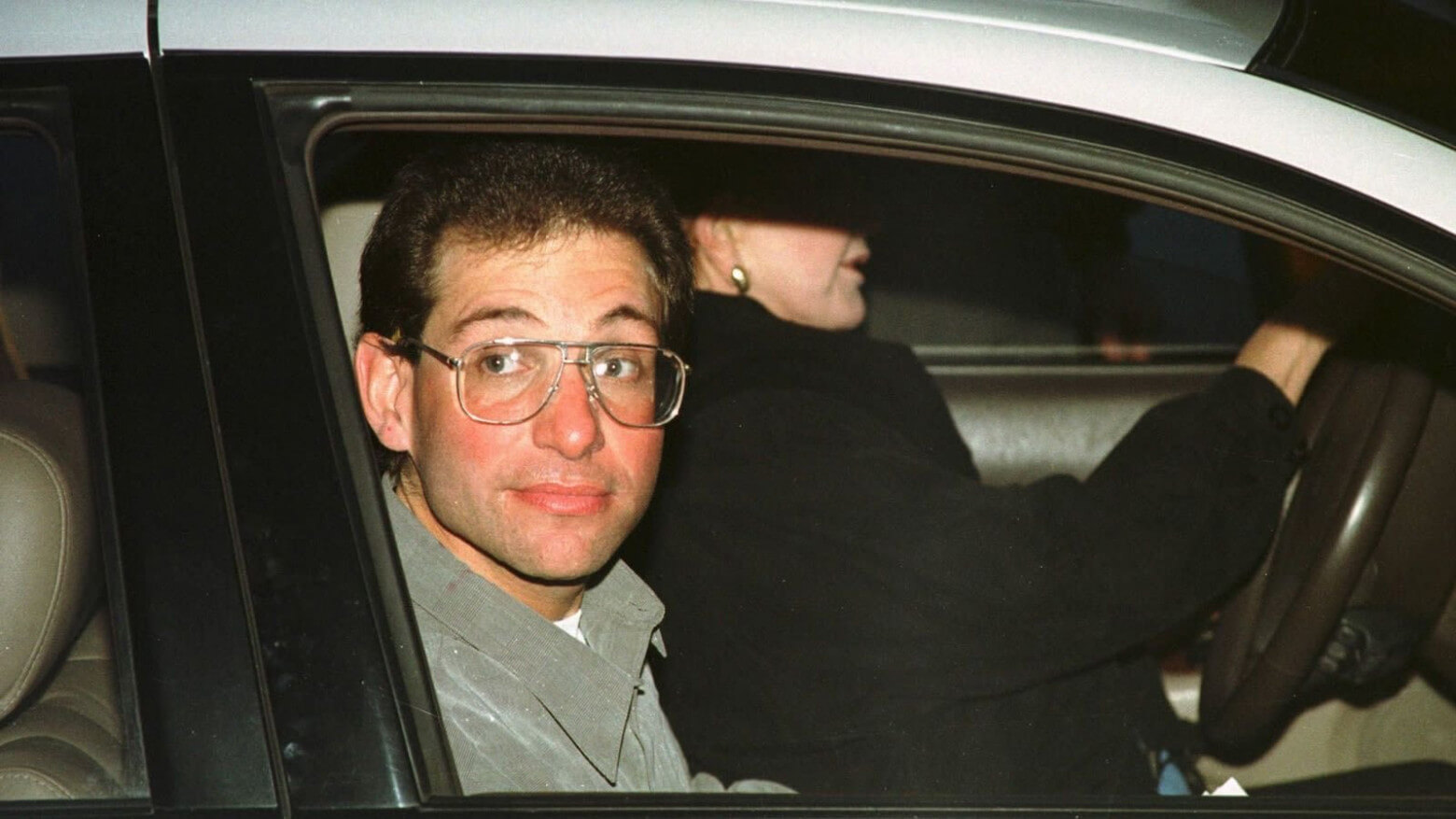
In the previous part, we left Kevin Mitnick at the stage of his first “walk”: then he managed to get out on parole, but the state police and the feds already understood who they were dealing with and began to look after “Condor”. Mitnick took this nickname as a teenager – after watching the spy thriller “Three Days of the Condor”, where a CIA analyst with the same call sign found himself the target of a hunt by his colleagues. Despite the attention from the “authorities”, Kevin Mitnick literally could not refrain from hacking everything and everyone – and the dangerous game continued with increasing stakes.
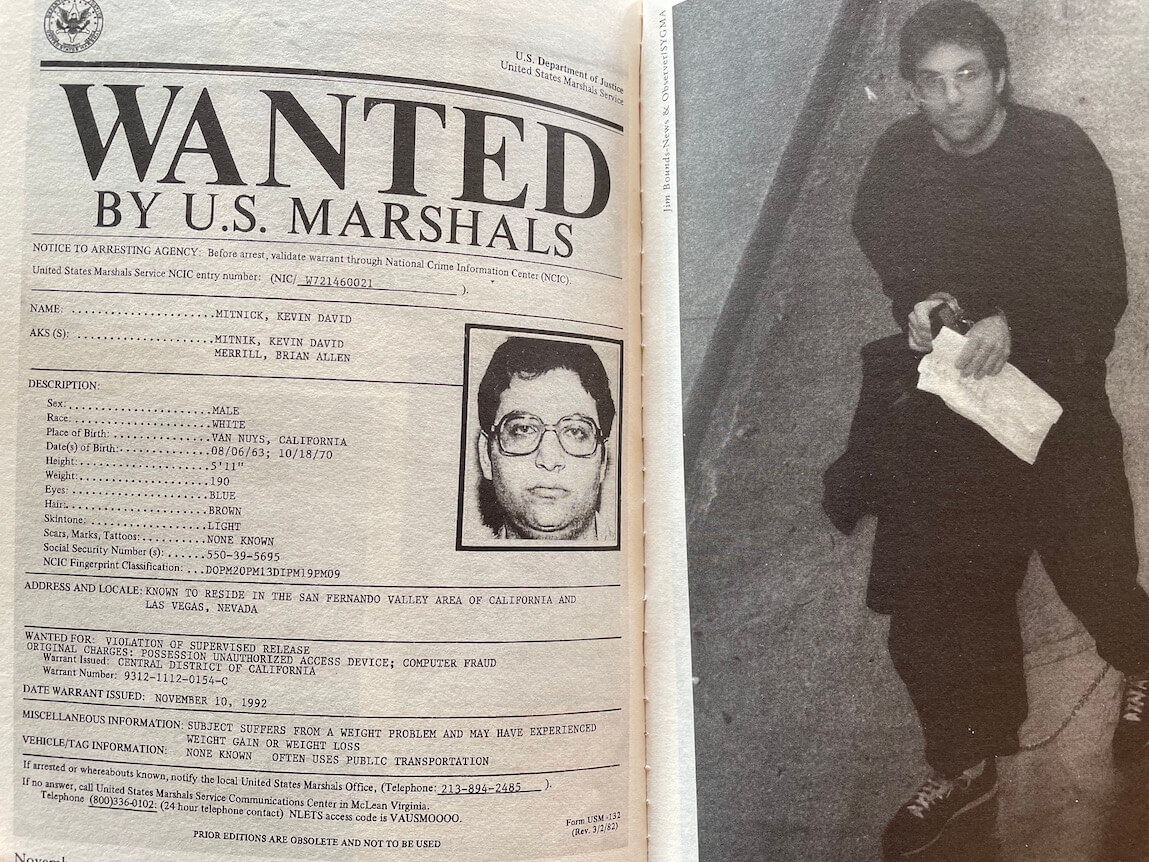
After getting out of prison, Kevin first of all got on the local radio amateur frequencies. And he got into a fight with someone there so quickly that he reported to the police about another hacking of the private company’s networks. The customs officer and his mother were summoned to the supervision inspector to “clarify some questions”: since he was initially imprisoned at the age of 19, for the American Themis he remained a juvenile delinquent. However, in the office he was tied up, handcuffed and taken to the detention center in Van Nuys.
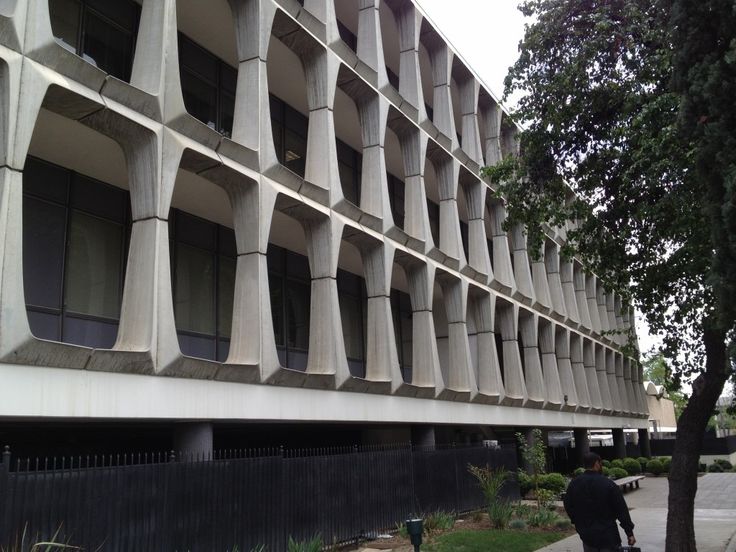
Fortunately for Mitnik, just a week before the events described, his uncle Mitchell had been there, who was creatively selling a billion-dollar fortune he had made on the real estate market in cocaine and other substances. Kevin helped his uncle by reconfiguring one of the phones in the detention center in such a way that it would be possible to call anywhere and talk for as long as he wanted, and the call would be recorded on the police account. And who else?
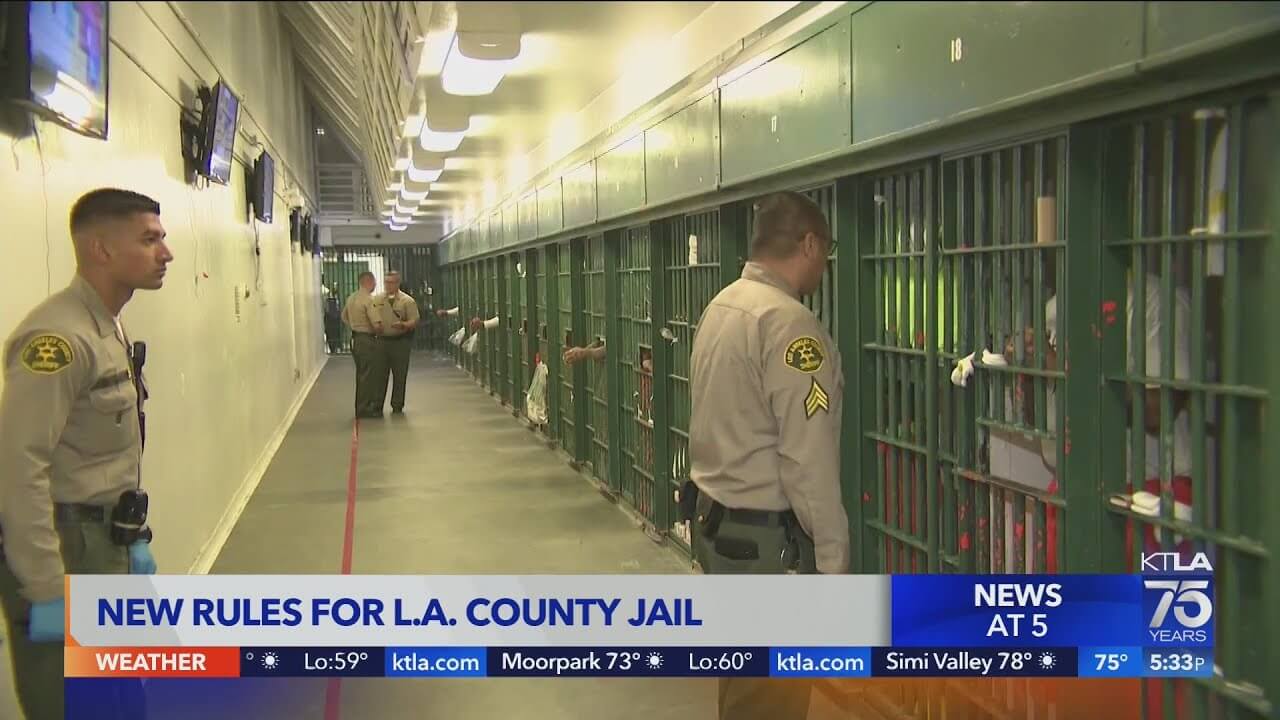
Now Mitnik himself was in this detention center – and due to the rather free regime on the territory, he managed to contact many people on the first night. Thanks to this, he managed to avoid one of the most dangerous places in the California penitentiary system – the Los Angeles County Detention Center. It is not entirely clear why, but soon Kevin was sent to the place where a large number of suspects from street gangs and other no less dangerous characters, familiar to Russian gamers mainly from the GTA series, were held. The fat geek with glasses was thrown into a common cell with comrades of the most impetuous appearance and habits, and only the timely intervention of his parole officer allowed Mytnik to get out to more decent places the next morning.
So, Kevin served 60 days and was free again. Where did he go first? You’ll never guess: to the police academy! Where… no, he didn’t apply for admission, as one would expect from a detective comedy, but bought a colorfully illustrated annual magazine of the Los Angeles Police Department. His photos – oh, the naive 80s! – showed white teeth, especially those of officers who worked in plainclothes and undercover. It is not surprising that our hero carefully studied the photo portraits and lists of the personnel of the department, with whom he planned to have as little contact as possible in the future.
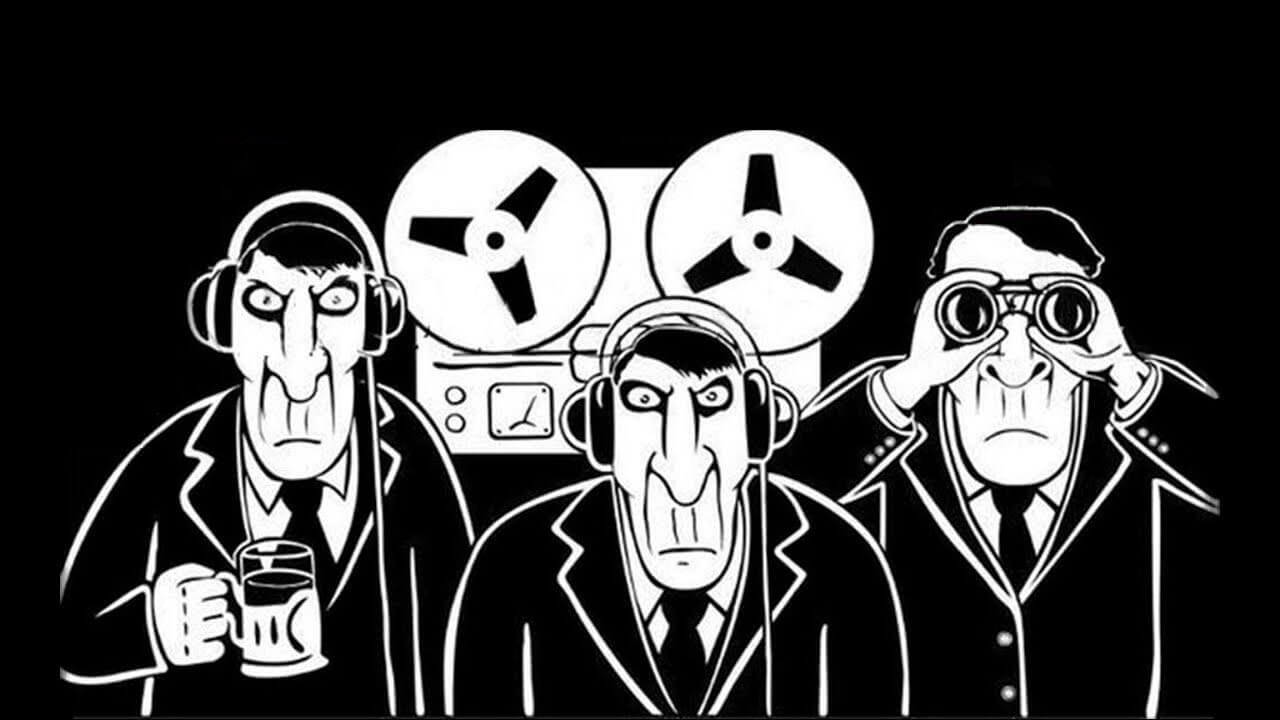
After his release, Kevin was hired as a computer programmer in the company of one of his mother’s friends. As expected, he quickly got bored there, found another like-minded person and again went all out in the field of hacking and phone phreaking. But big brother was already watching, and soon Kevin, having gone out to lunch with a female colleague, noticed a suspicious group of fit men outside his office whose faces he recognized. Not only from the LAPD yearbook, but also from personal experience: a few years ago, one of the officers had already laid him face down on the ground, and then diligently searched the trunk for a “logic bomb.”
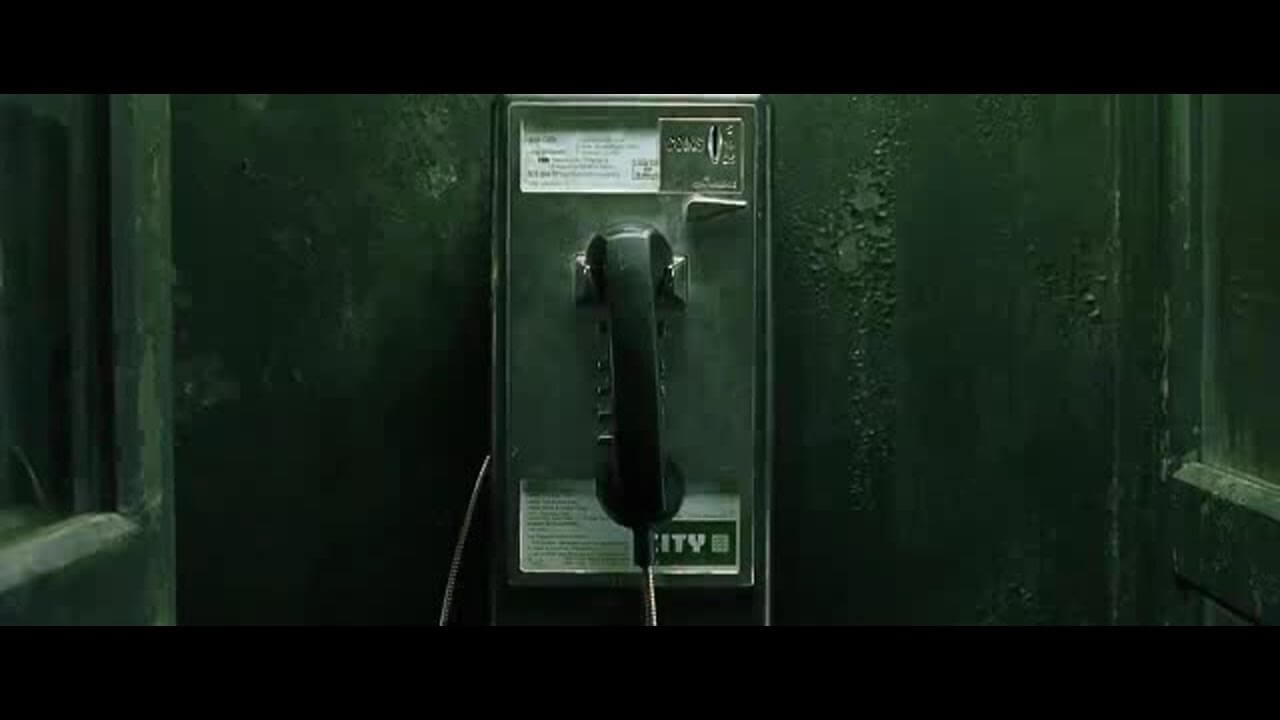
Instead of getting angry and getting burned, Kevin took his colleague in and asked to play along, whispering to her that he had noticed an unpleasant acquaintance and did not want to be noticed (which, by and large, was the absolute truth). They got into the car together, and Mytnik leaned over and asked to be taken to a phone a few blocks away. I don’t know what his colleague thought, but soon Kevin was dialing one of the Los Angeles police departments:
This is Detective Shaffer. I need to check on a subject. I’m interested in any data: episodes in the region and materials from the FBI’s National Crime Information Center. I’m interested in Mitnick, M-I-T-N-I-K, Kevin David. Date of birth: June 8, 1963.
Finding out that he was being “stitched” with another parole violation (and, most likely, deservedly), Kevin went to bed at his grandmother’s house. Having studied the legislative acts, Kevin found out that if he kept quiet for another four months before February 1985, the arrest warrant would expire and he would be formally clean before the law. With these considerations in mind, he made an agreement with his grandmother’s friend, whose parents had a house north of San Francisco, jumped into a regular “Greyhound” under the name Michael Phelps and was like that. The fact that there was a rumor in the hacker community about the escape of the “Condor” to Israel also helped to throw the cops off the trail.
Pastoralism and grace reigned in the village of Californian pensioners, but Kevin suffered: not a single computer was observed anywhere, and even the radio was tight. It was also not recommended to get behind the wheel of a car – Kevin’s license had the real name under which he was wanted. He had to ride his bike around the neighborhood and lose weight at the same time. But even here, Mytnik found something to do: he signed up for a criminal law course, where he listened very carefully to the mistakes that most often “burn” criminals by the police and the FBI.
In February 1985, Kevin was finally informed with regret that, according to the “shameful termination of obligations”, he was no longer wanted. Our hero rushed back to Los Angeles, met his old friend Lenny di Cicco and… they immediately set off on another case. Probably, it was really a question of a compulsive disorder: Mytnik literally could not help but break the system if he had at least the slightest opportunity. So one night, taking advantage of Lenny’s romantic relationship, they broke into the Hughes Airlines office and hacked into the ARPAnet via a VAX computer.

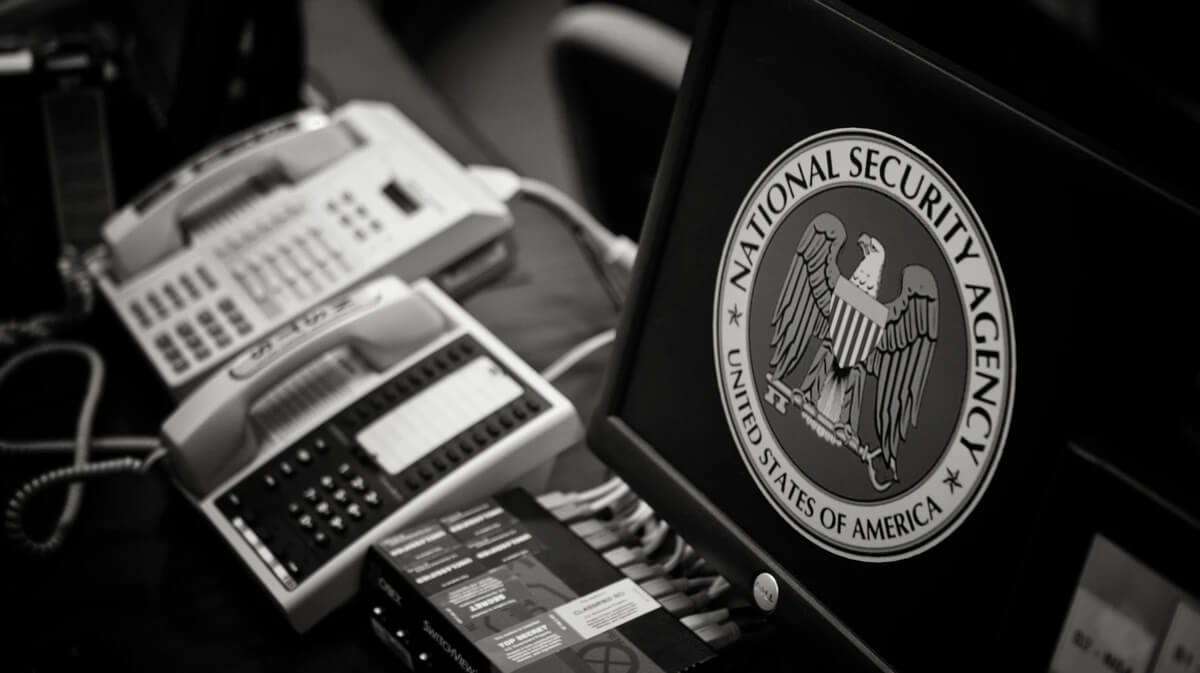
First of all, two hackers got into the Dockmaster computer system from the resources of the National Computer Security Center of the US NSA. Not to be exchanged for trifles, right? However, this was again largely a “social hacking”: Lenny managed to impersonate an employee of the center and extract the login credentials of one of the real NSA computer security employees. They did not manage to learn anything particularly interesting at that time, but the two friends were delighted with the opportunity to poke their noses into the NSA’s backrooms.
However, Kevin did not give up hope for a legal career. The object of his dreams was to work as a programmer at General Telephone. But this required much more knowledge and skills in the field of programming than the semi-self-taught Mytnik had. Therefore, having just cracked the NSA for the first time (but not the last), Kevin received a federal grant for education and became a student at the Computer Training Center computer school in Los Angeles. There he passionately fell in love with Assembler, realizing what wide opportunities, with the proper knowledge and skills, the mastery of a low-level programming language gives. He liked high-level languages like COBOL less, but he studied them diligently.
In class, Mitnick hid his hacking skills and pretended to be a lamer when it came to him. Well, at night, for most of 1985-86, Kevin and Lenny enthusiastically cracked phone company systems, not neglecting their favorite social engineering. The main thing was to know who to introduce themselves to from inside a large company in order to pass themselves off as an employee they hardly knew personally — who would routinely and without a second thought leak all the passwords and logins.
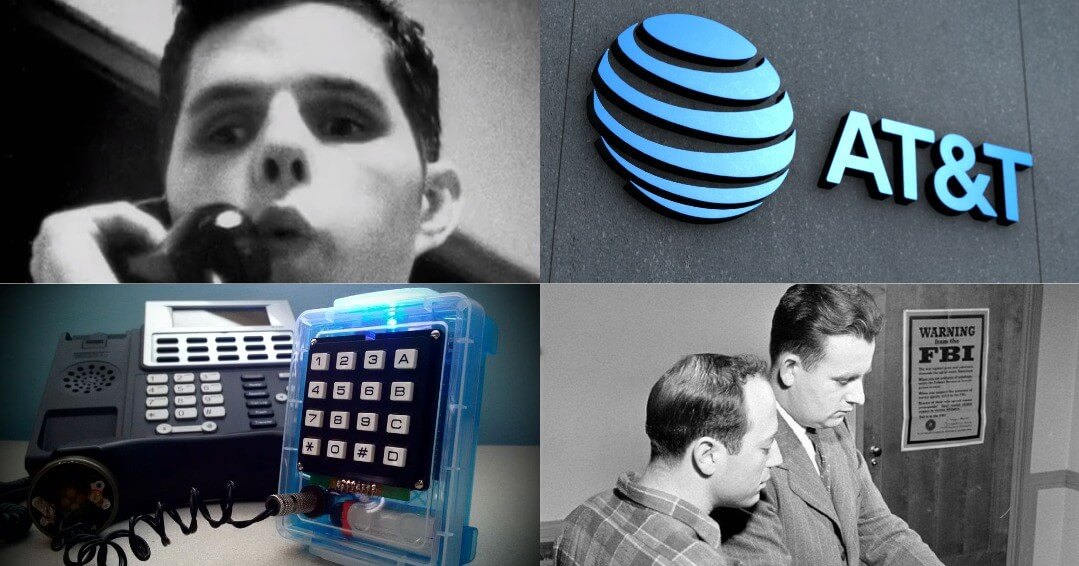
By the end of 1986, Kevin and Lenny had captured all of Pacific Bell’s switches and the switches in Utah and Nevada, but that wasn’t the end of it. The young talents infiltrated the Chesapeake and Potomak Telephone Company, also known as C&P. It already served much of the capital of the United States, Washington, including the US government departments and the Pentagon. Thanks to this, Kevin extended his metaphorical tentacles further, to the NSA, which had long been bothering him.
First, Kevin gained access to the switchboard of a Maryland phone company that served the NSA. He found out what common prefixes the NSA phone numbers had, then used one of the test procedures for listening in on calls. And—voila!—he was soon connected to a conversation that NSA employees were having among themselves. If only they had known that a 24-year-old hacker from Los Angeles was listening in on them!
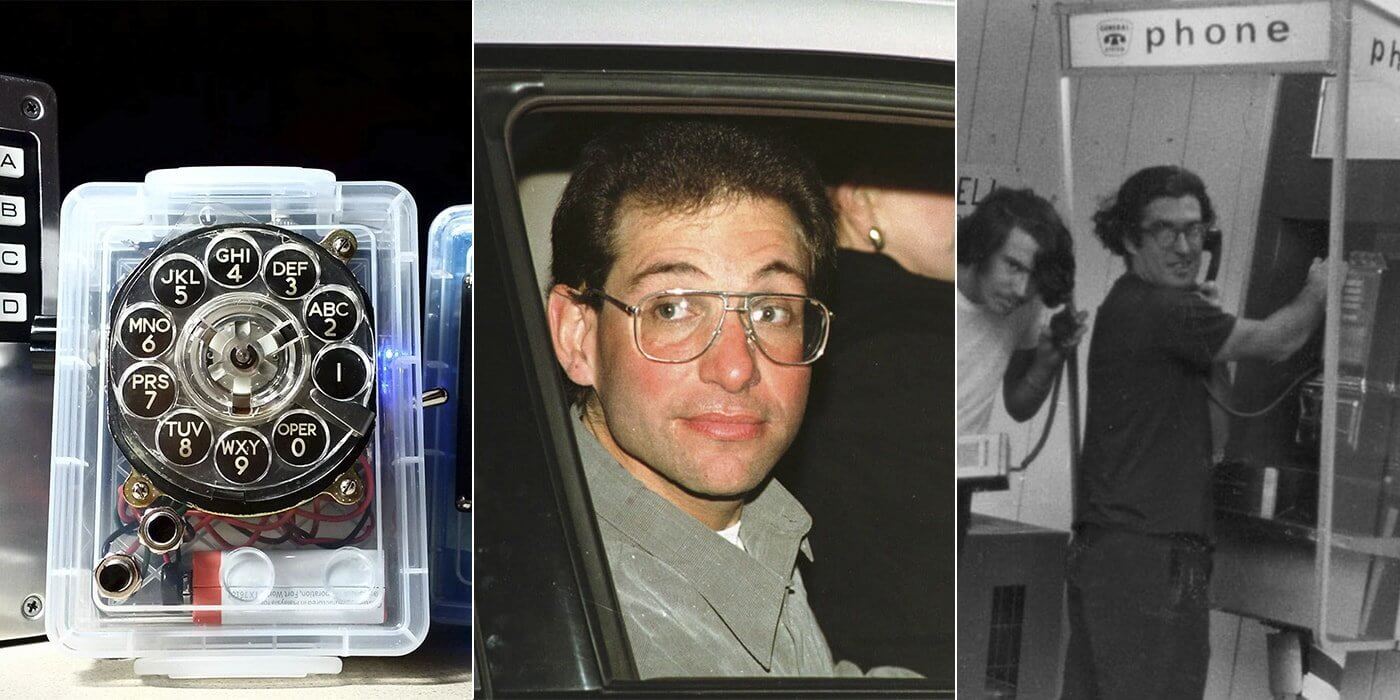
In his memoirs, Mitnik assures that, having achieved his goal and confirmed the coolness of his skills, he immediately stopped further plans for the American Deep State’s holy days. Times were tense and harsh, the Cold War was still going on, and repeating the unhappy fate of the character from “Three Days of the Condor” did not smile at him at all. On the other hand, Mitnik’s entire biography literally screams that it would have been extremely difficult for him to refrain from SUCH a thing, regardless of the risks.
In any case, “according to the official version,” Kevin looked into the NSA with only one eye and immediately left. And even that he prudently told about in his memoirs only after all the statute of limitations had expired.
However, Big Brother did not give up trying to wink at the annoying hackers: the first login to the database of the National Computer Security Center of the US NSA from the airline office (!) was difficult to go unnoticed. The FBI came for Lenny, he honestly tried not to get involved and stubbornly denied everything, but he was still kicked out of the company.
After that, everything seemed to calm down. Soon, Mitnik found his first mutual love, finally received an invitation to the very company where he dreamed of working, and even assured himself that hacking and phreaking were over… But if everything were that simple, we wouldn’t be talking about the “biggest hacker” now, would we? So the continuation is necessary.







HIRING GENUINE HACKERS TO CONSULT RECOVERY SPECIALISTS
I want to sincerely thank Safeguard Recovery Expert for their extraordinary skill; they are real heroes, and I wish I had met them sooner rather than reaching out to other hackers for help. If you read this comment, you might be able to get your hacked or blocked bitcoin investment back. I’m posting it for anybody who have been affected by cryptocurrency investment, mining, and trading frauds.
Email:
[email protected]
safeguardbitcoin.wixsite.com/safeguard-bitcoin–1
WhatsApp: +44 7426 168300