08.08.2025
13 min
2036



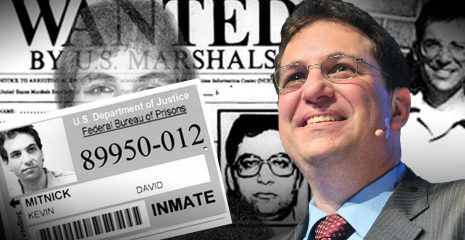
Part 13 of the series “In Memory of Kevin Mitnick” tells the story of the moment when the legendary hacker found himself in the hands of justice. After a high-profile arrest and denial of bail, Mitnick was placed in solitary confinement, which became a serious test. The article describes his first months behind bars, the media reaction, legal maneuvers and a wave of international support for the Free Kevin movement. This chapter shows how the combination of system pressure and community power formed a turning point in the life of the cyber legend.
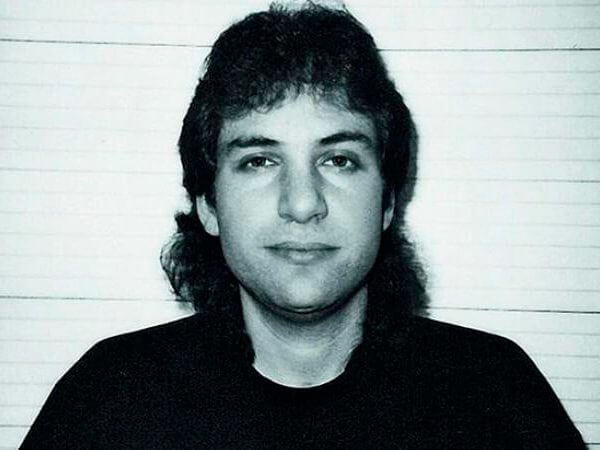
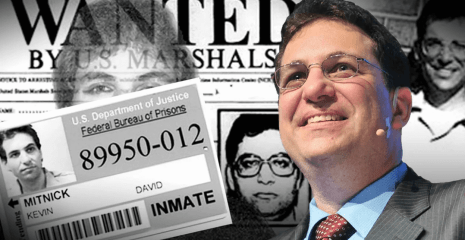
So, on February 15, 1995, in Raleigh, North Carolina, the more than two-year life of the famous hacker Kevin Mitnick in an underground position ended. Offended by the hacker who worked with American intelligence agencies and corporations, the “cyber samurai” Tsutomu Shimomura managed to do in a couple of months what the FBI and other US law enforcement agencies were unable to do: he found Mitnick by barely noticeable traces on the Internet and cellular networks, and gave the agents only detention. The press triumphed: the terrible elusive super-hacker, who (according to the press) even cracked the nuclear weapons control systems in Cheyenne Mountain, had finally been caught and would stand trial. Kevin was sure that this was the end of his life – and then he would only have to face a hopeless situation in a prison cell for many years. He was right, to his surprise, only partially.
FBI agents took the hacker from his rented apartment to the Wake County Jail in downtown Raleigh. The guards were strictly instructed not to let Mitnik have access to a phone or any other electronic device under any circumstances—but Kevin put his social skills and charisma to the test and convinced the most gentle-hearted employee to let him contact his mother “about posting bail.” He told her and his grandmother that he was in jail in Raleigh and that everything was very sad. He also called his colleague in the not-so-legal hacking cases, De Paine, and described the situation—indicating that he should get rid of any possible evidence he had that might be related to the “Mitnik case.”
In the morning, Kevin was escorted to the courtroom, which was already packed with reporters. Camera flashes flashed. It was there that Mitnik first saw Shimomura in person: he was sitting with his girlfriend Julia, the same one whose ski vacation Kevin had ruined with his hacking, and journalist John Markoff. Mitnik and Shimomura met each other’s eyes grimly. Soon the judge solemnly announced that Kevin Mitnik would be held in custody without bail. But the marshals’ service insisted that Mitnik, due to his social danger and his improved social skills, should be held exclusively in solitary confinement. The hacker’s heart failed him once again: since his first stint in Los Angeles while awaiting trial, solitary confinement had become his nightmare; he preferred living in a tiny cell with dim lighting even to the company of complete gangsters and ghetto junkies. Leaving the hall under the flashes of cameras, Kevin gave Tsutomu a polite nod, acknowledging his victory and the level of knowledge and skills required for this, and Tsutomu responded in kind. At the exit from the hacker’s hut, a crowd of paparazzi were already waiting and staring.
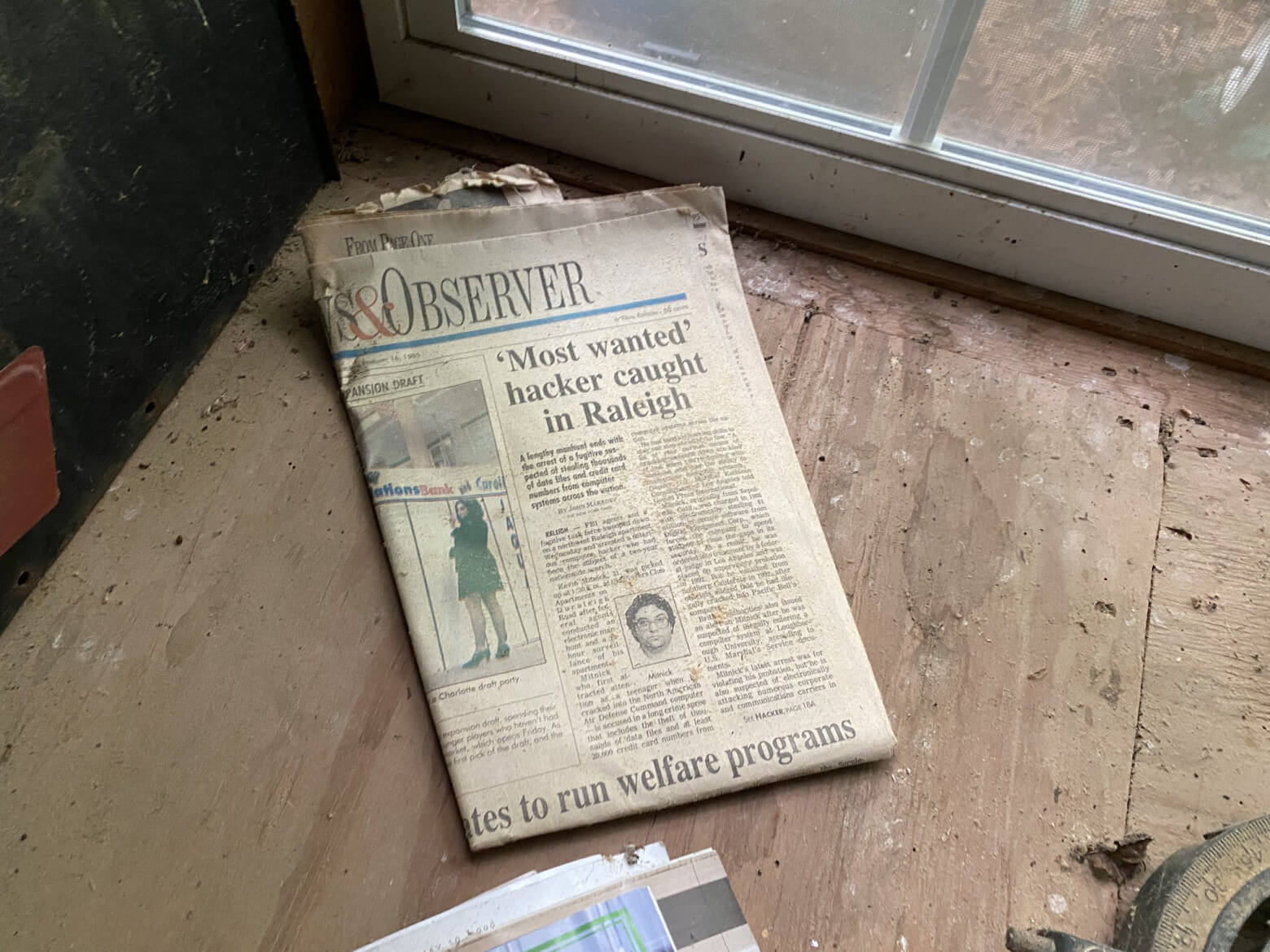
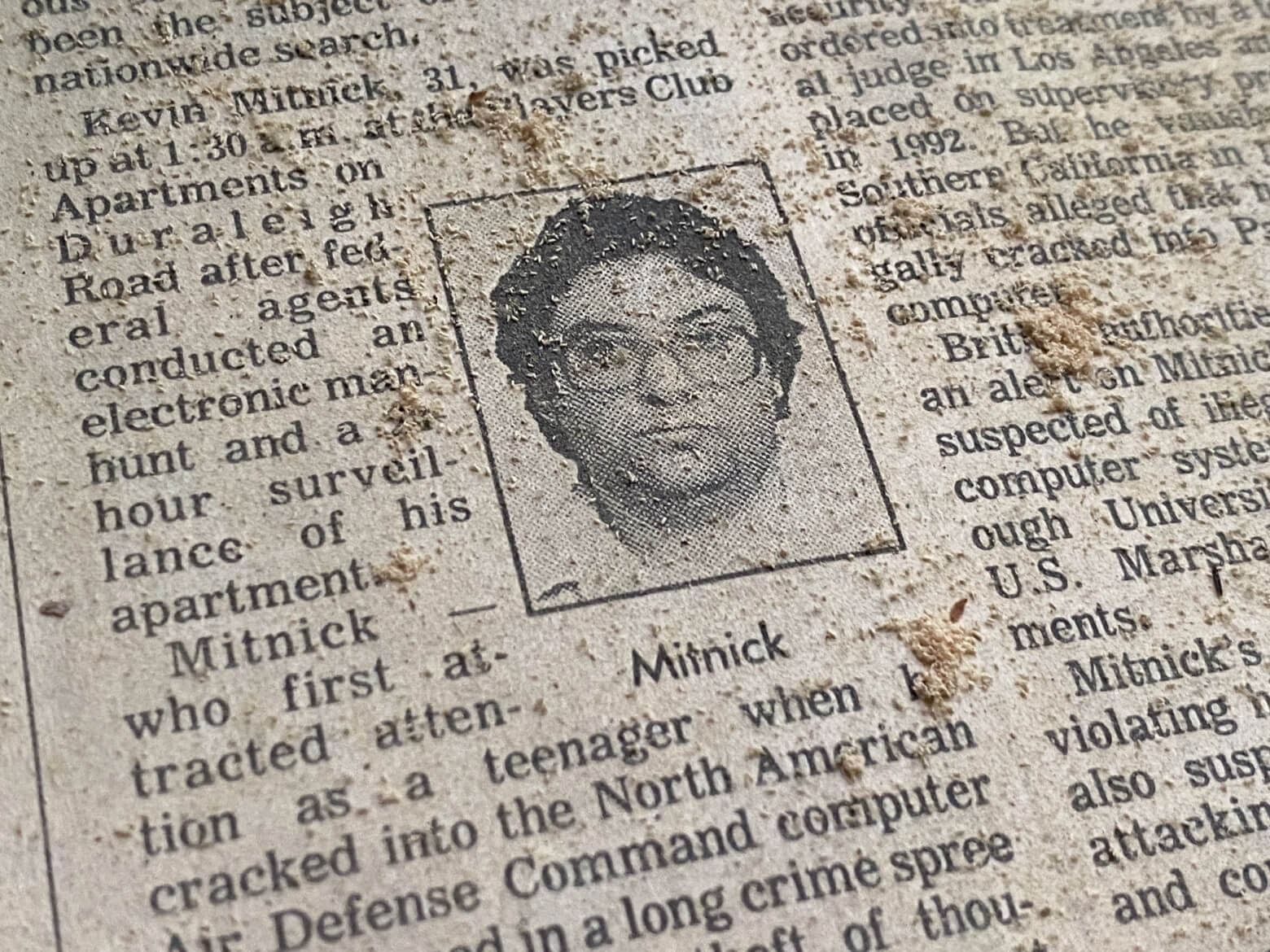
The next day, The New York Times published an article by John Markoff about the end of the hunt. The formal task force leader, Kent Walker, an assistant federal prosecutor in San Francisco, commented in it: “Mitnick was the most wanted computer hacker in the world. There is reason to believe that he gained access to trade secrets worth billions of dollars. He posed a very big threat!” For three days, the capture of Kevin Mitnick was the main topic of discussion on TV channels, radio stations and in newspapers in the United States. Meanwhile, the hacker himself, with a growing sense of hopelessness, read the lists of what he was actually accused of. The investigation listed 23 episodes of illegal use of funds, 21 episodes of illegal use of other people’s numbers for calls (according to the then US federal law, electronic serial numbers of devices were considered confidential information, and such an episode could drag on for up to 20 years), etc.
Given the most beloved tradition of the American legal system not to absorb smaller terms with larger ones, as in the European and Russian traditions, but to sum them up, our hero was sentenced to about 460 years in prison for all the proven episodes. These thoughts, of course, did not bring joy to Mytnik. He was particularly outraged by the accusations of illegal use of funds: Kevin admitted that he had hacked the Netcom client database, where more than 20,000 credit card numbers were stored, and could have denied himself literally anything if he wanted, but until his last days he claimed that he had not spent a single penny of them, and. And even Markoff and Symomura, who never sympathized with him, admitted that Mytnik, with all his disregard for intellectual property rights and other people’s privacy, did not use his knowledge and skills for profit.
Soon, Kevin was taken to the Johnston County Jail in Smithfield, North Carolina, and locked in a solitary cell. Mitnick felt like the embodiment of his nightmares with complete immersion. After waiting a week for the “client” to take over, the young and ambitious assistant federal prosecutor John Bowler, who had taken over his case, came to Kevin and offered him a deal: he would sign a waiver of certain rights, such as calls outside the circle of immediate family and a lawyer, and the right to be released on bail. After talking with his lawyer, John Izurdiaga, Mitnick considered it a good idea to make a deal: he seriously feared that in a few more months alone he would simply go crazy and earn serious health problems.
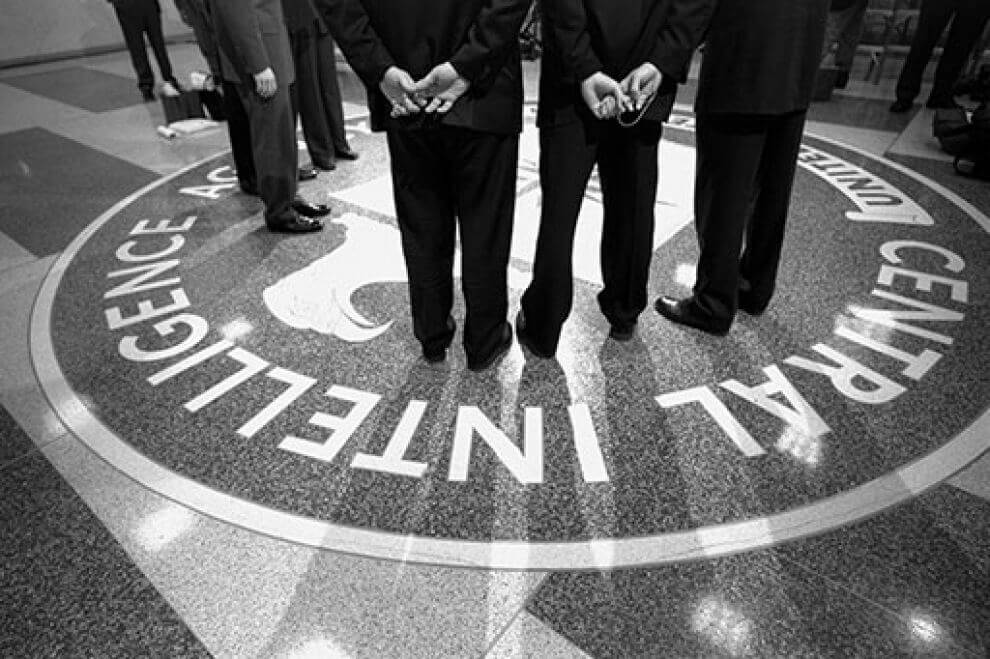
Having moved to a common cell, Kevin went and exhaled – but a new misfortune happened. The lawyer and his partner Richard Steinhardt contacted him at some point, in undisguised frustration, and began to question him: how did Mitnik hack into the information systems of American intelligence and what state information under the secrecy labels did he manage to gain access to? Kevin laughed nervously and began to explain that he had never touched the CIA in his life, and that these were all journalistic stories, but the lawyers explained the situation. The comrades in civilian clothes demanded that Mitnik be thoroughly questioned by their colleagues. Regarding national security. And it was better for him not to hide anything. Mitnik said that he had nothing to tell him, that he had never hacked into the CIA, but if the guys from Langley really wanted to, then he was ready to talk to them, there was nowhere to go anyway. Oddly enough, the CIA never got around to talking to him in the end: apparently, they figured out the case, that these were just hacker stories and journalistic ducks.
Then began Mytnik’s prison journeys. He was thrown out of the Johnston County Jail in Smithfield. The warden made no secret of the fact that he was perusing and reading all of Kevin’s correspondence, although it was technically illegal, and ignored the lawyers’ demands until they managed to get a court order prohibiting such a thing. Then the warden announced that he had no intention of being responsible for this trickster of yours throwing something out of his social skills on his territory again – and managed to transfer the hacker to the Vienna prison, another county in North Carolina. With much worse conditions. The deputy marshal who transported Kevin literally laughed at the fact that he turned out to be the first convict who had been thrown out of prison in his memory.
Mytnik spent five months there, until the prosecutors and lawyers were able to find a compromise option. It looked like this: Kevin pleads guilty to one of the episodes of “capturing a pair of mobile phone number/electronic serial number of a device,” and then the term was somewhere in the range of 8 months to 20 years (a good spread, yes). At the same time, he was supposed to be transported from North Carolina across the country back to his homeland in California and tried there — including for an old violation of the rules on parole. But there was a nuance: prisoners in the US are transported not on planes, but on special buses, and even hardened gangsters do not really like to get on them, calling them “diesel therapy.” The security there is quite philosophical about respecting the rights of those transported, and the journey often follows complex winding routes between many prisons, where they are temporarily housed while waiting for the next flights — and can last weeks and months. Especially when it comes to transportation across the country from coast to coast. On the way to California, Mitnik was stuck for several weeks in what he described as an absolutely hellish prison in Atlanta, Georgia.

Finally, Mitnik got to the already familiar Federal Correctional Center in Los Angeles – and there again dragged on for months, waiting, consideration, debates, and so on. Kevin was very grateful to his lawyers, who selflessly and for free, but not very successfully defended his interests due to old connections with his relatives – and with gloomy sarcasm thought that if he had been less discerning, he could have withdrawn tons of money from those credit cards and hired someone cool and famous. At some point, Richard Sherman, Lewis de Payne’s lawyer, joined the defense: he had long worked in the defense of hackers and said that the authorities with Shimomura had violated many of their rules in Mitnik’s case. However, after a while, Kevin suspected that he was really playing the prosecutors and was only trying to gain his trust in order to get information and drown him more reliably.
On September 26, 1996, a year and a half after his arrest, a Los Angeles grand jury indicted hacker Kevin Mitnick on 25 counts, including computer and wire fraud, and wiretapping and access. To all this joy, of course, was added a bunch of original charges brought by Raleigh. William Keller, with the wonderful nicknames “Killer” and “Central California Hangman,” was almost appointed to judge Mitnick: this judge was known for the harshest sentences, as well as a special penchant for imposing the highest sentence. Under his sensitive leadership, Mitnick could well have been sentenced to life in prison on all charges, and in the process of thinking about this, he experienced many extremely unhappy hours.
But in the end, the newly hired lawyer Donald Randolph managed to use one of the little-known formal court rules to get the more moderate Marianne Pfelzer to be the judge in his case. She had tried Kevin before, and then everything went smoothly. At the first hearing, she tried Mitnik on the charges brought in Raleigh and the violation of parole regulations – and sentenced him to only 22 months in prison. By that time, he had already served 26 and could now count on being released on bail again, which his lawyer had demanded. However, the judge agreed with the prosecutor that Kevin had already proven himself not in the best way in this regard, was a public danger as an unbridled hacker and an experienced underground operative, and it was better to leave him in prison for now. Moreover, she denied Mitnik even a formal bail hearing. The account of the conclusion, meanwhile, was not going in months, but in years.
Attorney Randolph seized on this and made a fuss in the press. The fact is that the denial of a bail hearing, unlike such a release, is a rare, scandalous and respected by many in American judicial practice for a gross violation of the constitutional rights of a US citizen. Hearings of this kind are usually not denied not only to hackers and managers caught evading taxes, but also to complete monsters like serial killers and terrorists. In addition, as a lawyer, he was denied access to evidence and other materials in the case under various pretexts, which was also outrageous and not entirely legal. Well, the offer to sit in the meeting room with a laptop to familiarize his client with electronic evidence, Judge Pfelzer perceived almost as an admission of preparation for an escape halfway through the Pentagon break-in. According to Mitnik, the judge simply had a rather vague idea of computers and how the Internet works – the case was in 1998, and the prosecution specifically intimidated her by saying that Mitnik could almost open Fort Knox and launch a nuclear missile if he got his hands on even a mobile phone.
Mitnick, accused of a bunch of things he didn’t do, and a bunch of procedural violations. His supporters, led by IT activist David Corley, distributed and posted black and yellow FREE KEVIN stickers, organized protests and agitated the inhabitants of the increasingly massive Internet. And they even tried to organize a meeting with Kevin in prison to congratulate him on his 35th birthday on August 6, 1998, but they didn’t get permission. They held the action differently: at the agreed time, Mitnick pressed a FREE KEVIN sticker to the window of the prison library, and the activists who were ready for this took a photo and distributed it on the Internet and in the press.
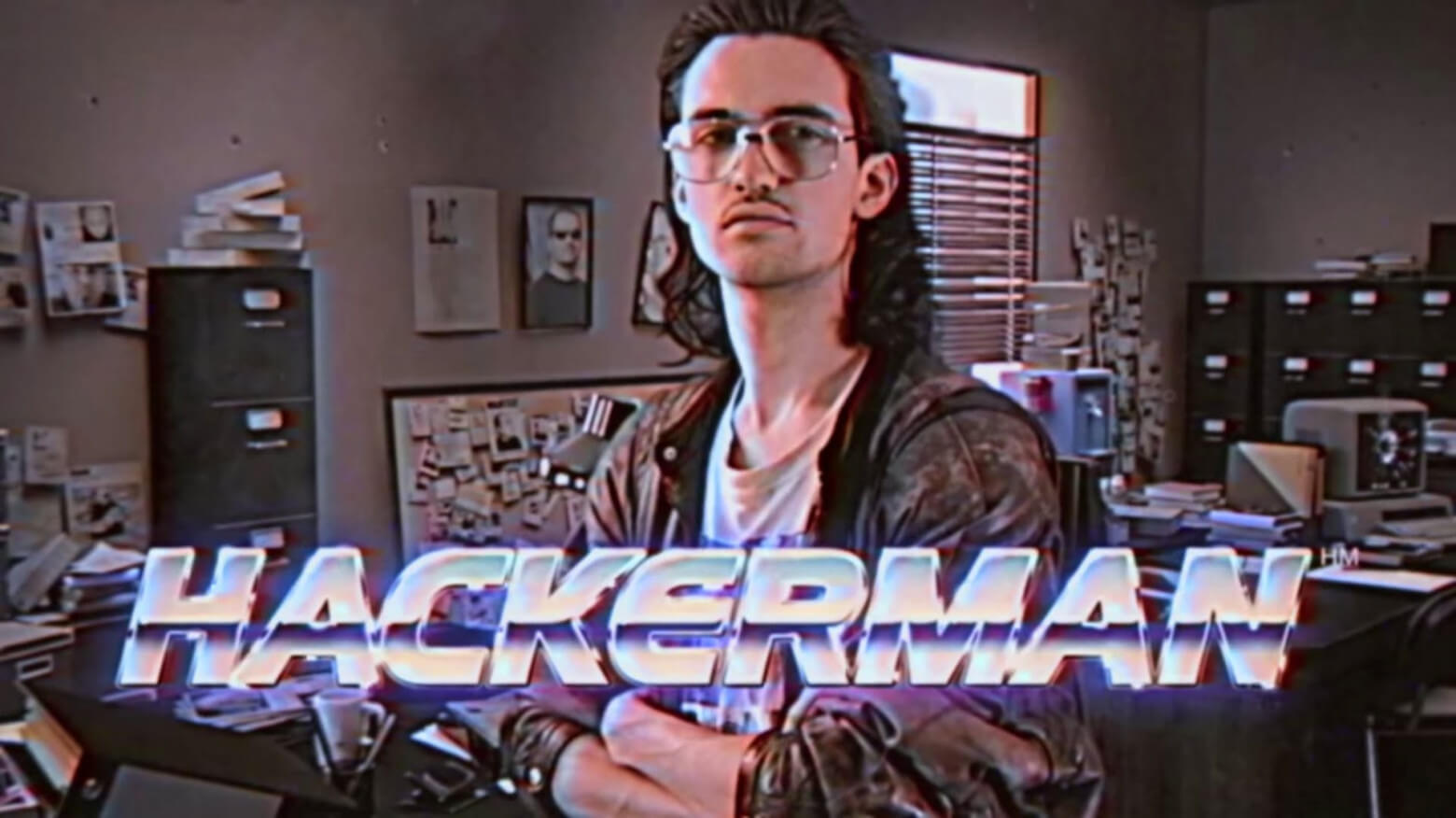
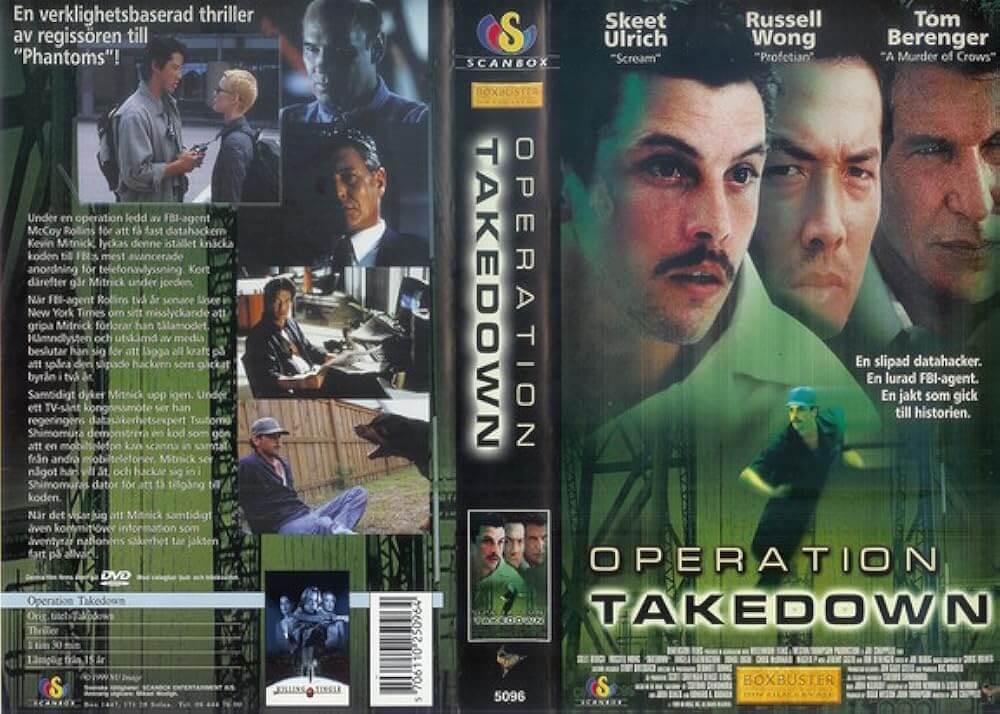
One of the most noticeable protests of the movement for the liberation of Kevin Mitnick was organized a month earlier, in July 1998, in front of the Miramax studio in New York. They protested against the start of filming of the film “Takedown” (2000) based on the script by Shimomura and Markoff. In the leaked press script, the story of the hunt for Mytnik from the conflict of IT workers turned into a cross between a spy action movie and a thriller, and Kevin turned out to be a psychopathic arch-thief who beat the heroic Tsutomu with a garbage can lid and turned him into minced meat just for the lulz. The film was still released in 2000, but due to the scandal and accusations of lying, it did not even get into US cinemas, and was sold only on cassettes and DVDs. It also did not find success with the audience (IMDb 6.2, Rotten Tomatoes 55% at the time of writing). Instead, for Mytnyk and his lawyers, this story became a great way to remind themselves, get exposure in the press, make statements about violations during the process, and once again win over part of public opinion to their side.
Oddly enough, another gift of fate was the attempt of some FBI agents, led by Special Agent Kathleen Carson, to bury Kevin deeper with accusations – they convinced state prosecutors to declare that Mitnik caused $300 million in damages to companies, although the companies themselves never declared anything that he had hacked. For example, the source code of the Solaris operating system copied by Mitnik was estimated at $80 million, fraud for such an amount allowed him to be given up to life imprisonment – only this was the amount that the development of this entire software product cost, and not the damages caused.
The obvious absurdity of such accusations and the threat that such a calculation method posed to the entire computer community (he literally copied Windows for personal use – he owes Bill Gates the entire cost of development!) caused outrage around the world and involved Mitnik in the movement for his release many times. In his memoirs, he writes with pleasure that calls for his acquittal and rescue were made even from Russia, in particular in the form of an action by computer scientists with posters on Red Square near the Kremlin walls — which was shown by the world media. In the USA, the number of cities where rallies and actions in defense of the hacker were held began to number in the dozens — with posters and T-shirts with the appeals FREE KEVIN, they regularly found themselves in the lenses of television cameras. The process against the “most dangerous hacker” began to turn into a socio-political issue of national and international scale, which was extremely worrying for the IT community and the inhabitants of the Internet in general.
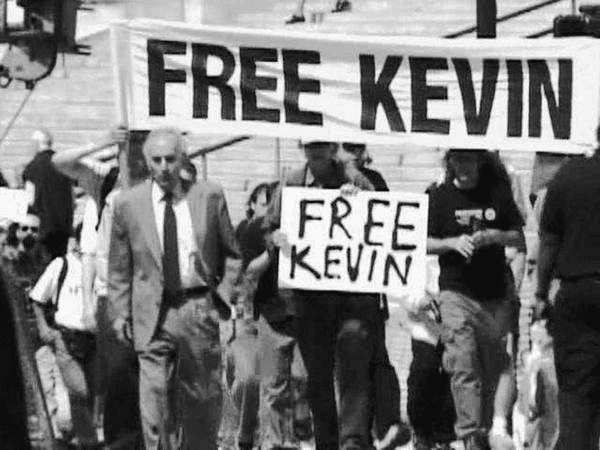
From an enemy of society and a dangerous hacker, Kevin Mitnick, in the eyes of many by 1999, gradually turned into a symbol of the unfair persecution of computer scientists by the state, corporations and special services, who want to ban everything on the Internet. At the same time, most of the supporters did not call for Kevin to be completely cleared of all charges – they did not deny that he had managed to smoke from the heart, and for what he really did, he should be punished. But this punishment, they believed, should not be absurdly cruel and should not create dangerous precedents for everyone. Thus, from a baited beast in a trap and imprisoned in a cramped solitary cell, Mitnick, somewhat unexpectedly for himself and without leaving prison while awaiting sentencing, turned into a figure of national importance and a symbol of the computer community’s struggle for network freedoms. Now the battle between the hacker and the state was far from over – but the main battle was still ahead.