09.08.2025
10 min
1
887



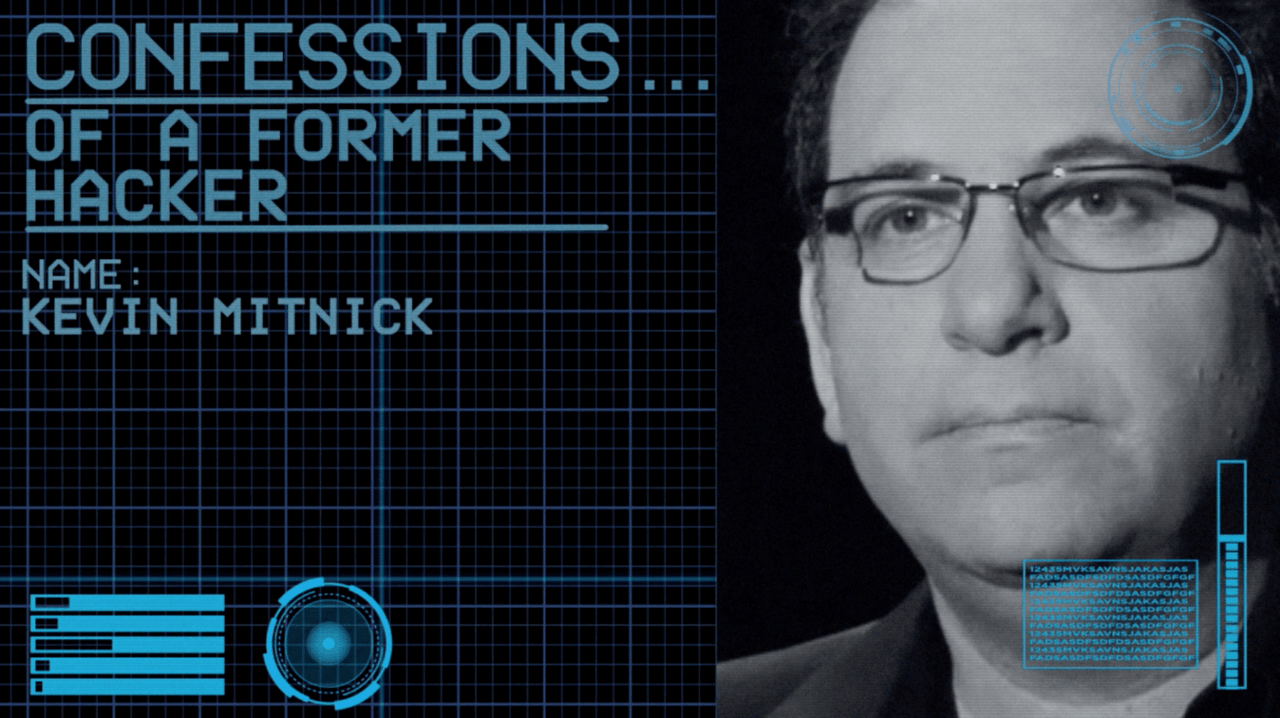
Kevin Mitnick is the most famous hacker of the 20th century, a man who was able to penetrate the systems of the most powerful government and corporate structures. But where did it all begin? In the first part of our article, we talk about Kevin Mitnick’s childhood and youth: how he became interested in radio communications, why he loved hacking telephone lines, and what led him to his first computer crimes.
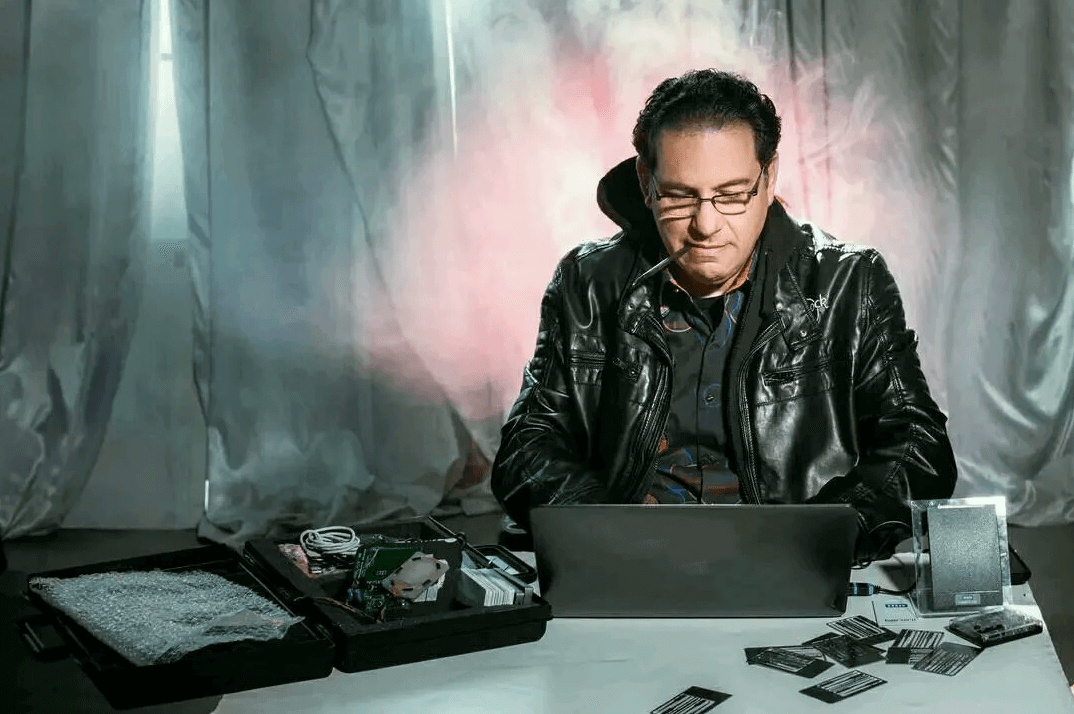
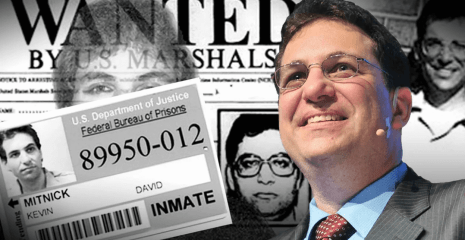
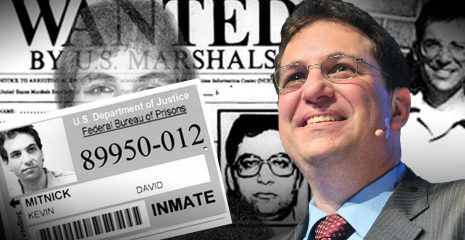
On July 16, 2023, at the age of 59, Kevin Mitnick, one of the most famous and archetypal hackers in history, left our world. In the mid-90s, he was considered the most wanted hacker in the world, and for good reason: Mitnick famously hacked into corporate and government networks in the US, bypassed most security systems, eavesdropped on FBI agents, and extracted tons of confidential information and bank card data, including the accounts of the top Silicon Valley executives. Well, after closing his problems with American law, Kevin Mitnick turned into one of the best cybersecurity experts. Let’s remember the man who largely shaped the classic image of a hacker of the 90s.
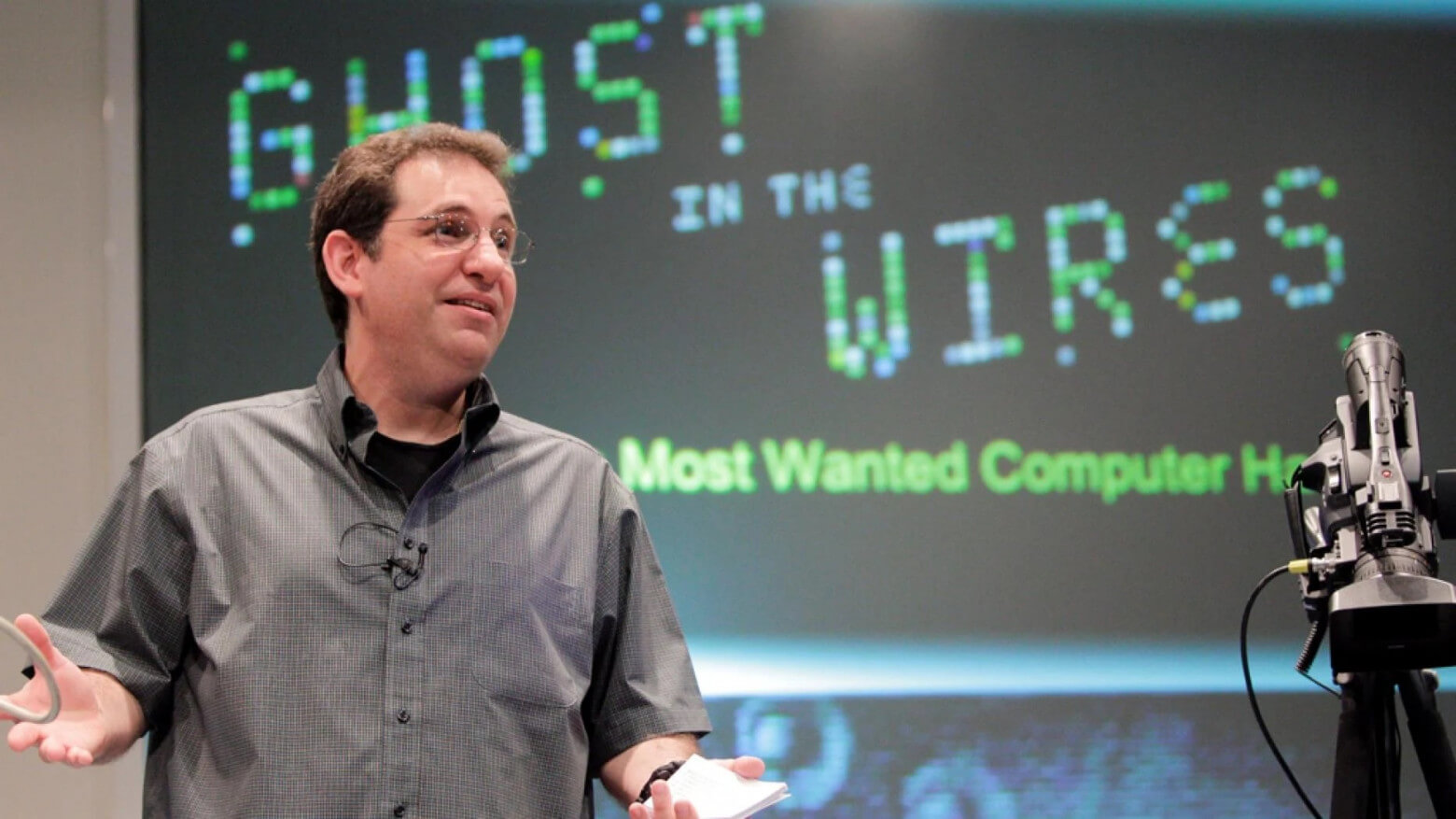
Kevin Mitnick was born in Los Angeles in August 1963. It was a turbulent time for the United States: the Cuban Missile Crisis, which almost turned into a nuclear disaster, had just ended. Six months later, President Kennedy would be assassinated in Dallas. To the sounds of rock and roll, the States were shaken by the psychedelic revolution and the struggle for civil rights of the black population, Beatlemania, the hippie movement and the Vietnam War were on the horizon, and Soviet spaceships with cosmonauts were buzzing overhead. And against the backdrop of all this, computer technology was pumping out in the United States, at first not very noticeably to the public, but more and more rapidly: both in Silicon Valley and beyond.
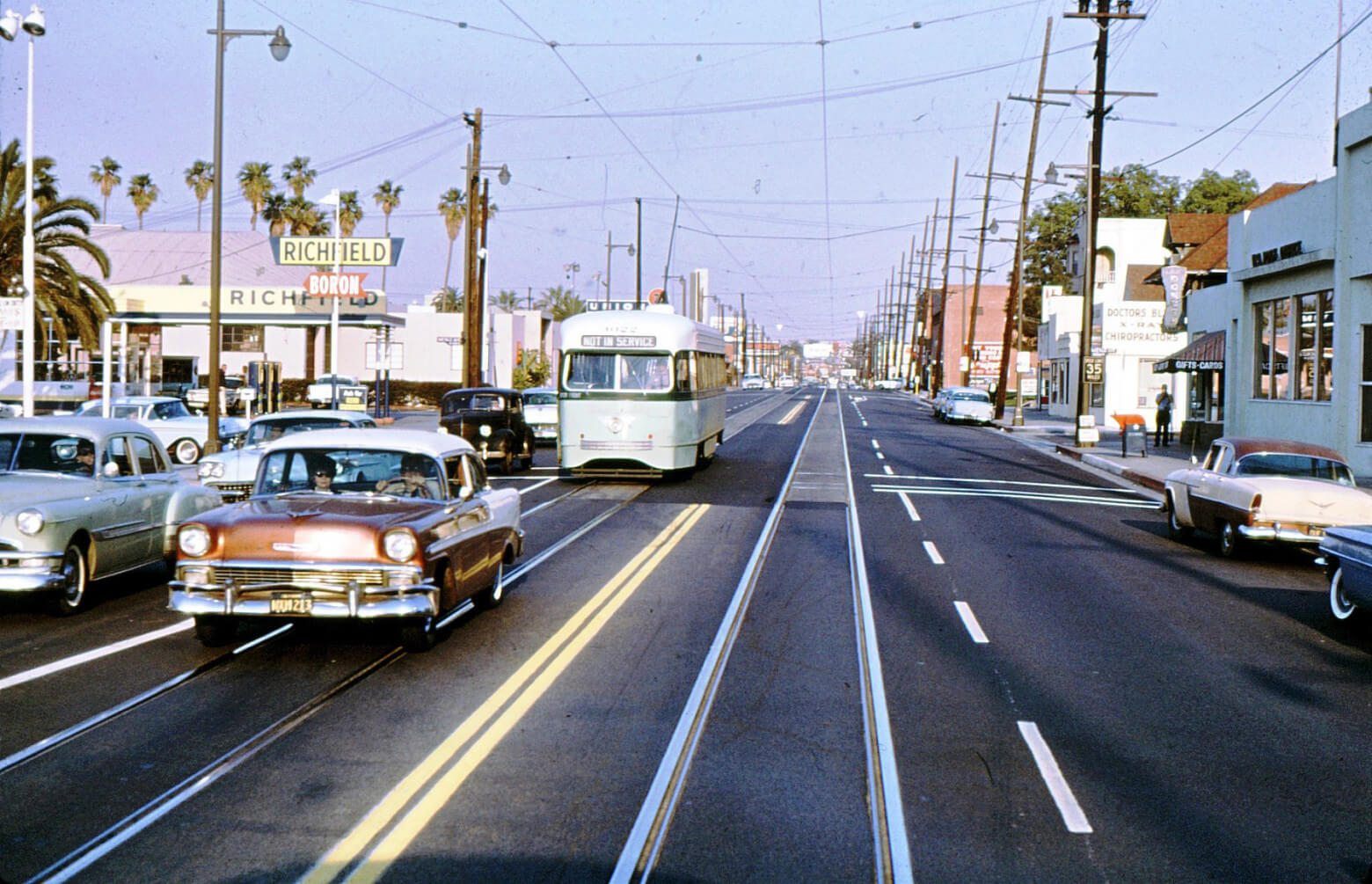
Young Kevin’s life wasn’t particularly fun. His parents, Shelley Jaffe and Alan Mitnick, divorced when he was three. However, his father continued to participate in Kevin’s life, but for the first decade or so, mostly remotely. Shelley, half Armenian, worked as a simple waitress in the San Fernando Valley eateries: no two-story houses with lawns from sitcoms, just work from morning to night. They lived in the northern suburbs of Los Angeles on the other side of the Hollywood Hills. The nerdy boy with big teeth was lonely and unpopular in schools, which he often changed to follow his mother’s new jobs, but he was deeply passionate about technology. What set him apart from the “typical nerd” was an important trait: Kevin had a hard time with his peers, but he wasn’t shy and was great at finding common ground with adults, convincing them to do what he needed. He also really liked breaking systems in every sense of the word.
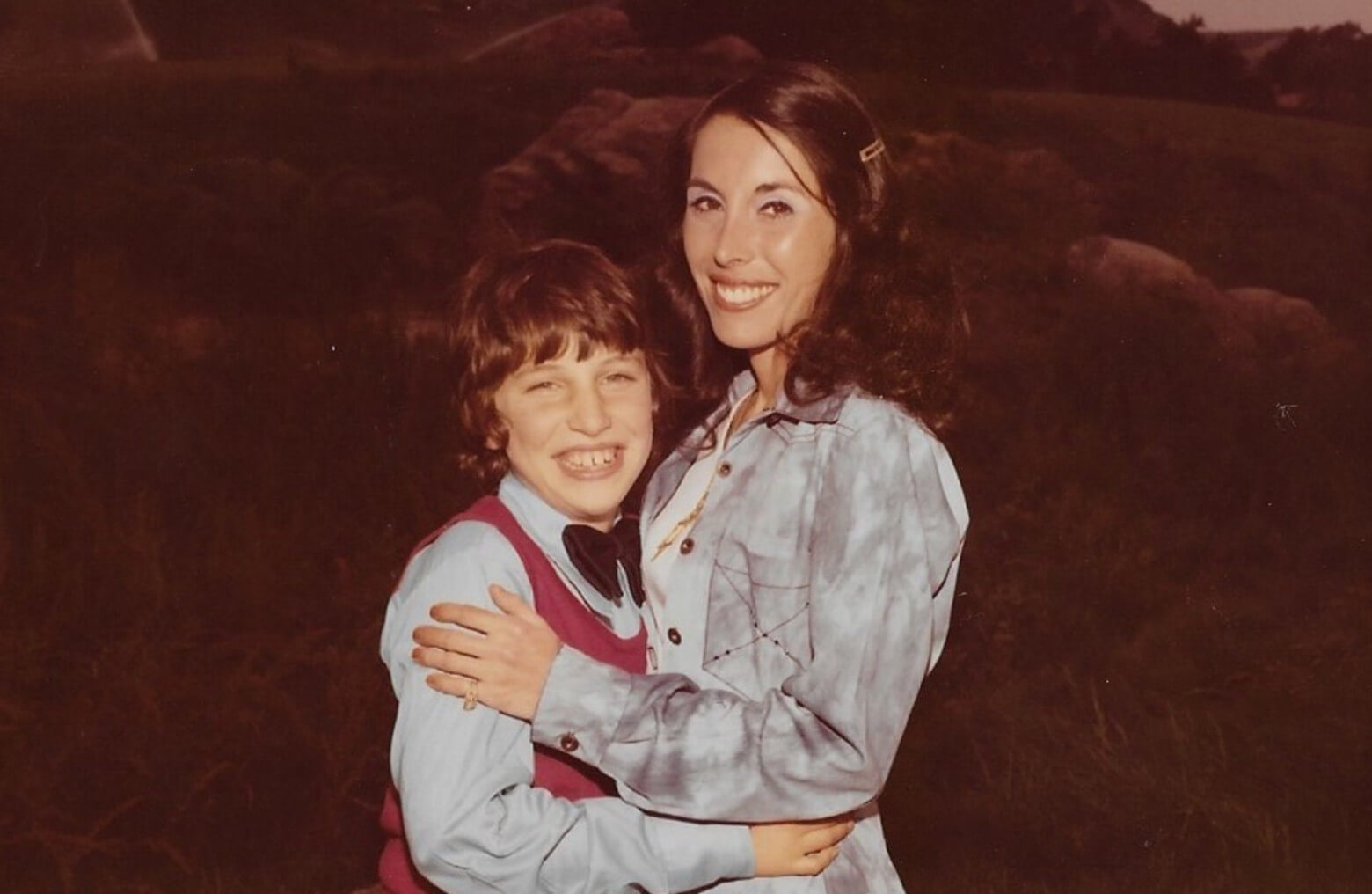
For a year and a half, Kevin managed to get out of the crib and open the front door, as if hinting at his future career. Kevin’s very attractive mother had already changed three official and several civilian husbands in his memory. Unfortunately, they had difficulty finding a common language with the boy, Kevin was mostly driven crazy, and one even tried to get to him. At the first signs of problems with his son, Shelley threw the next man out of the house with his things – and Kevin himself later predicted in his memoirs that difficulties with his mother’s partners also contributed to the formation of his desire to put different things on the authorities and hack the systems of all sorts of status dudes.
The first thoughts that systems can be broken, and people can be very easily deceived, appeared in Kevin at the age of ten. Then he met a girl of the same age and even met reciprocity, but they were not yet mature enough for romance. But the girl had a father who was a magician, and Kevin was fascinated by his sleight of hand for a long time.
Another source of inspiration was a school bus driver who told Kevin about the possibility of hacking police radio frequencies and making free phone calls through special frequencies and telephone network systems. Having thought about the prospects, Kevin devoted several months to evening courses for amateur radio operators and at the age of 12 received an official certificate.
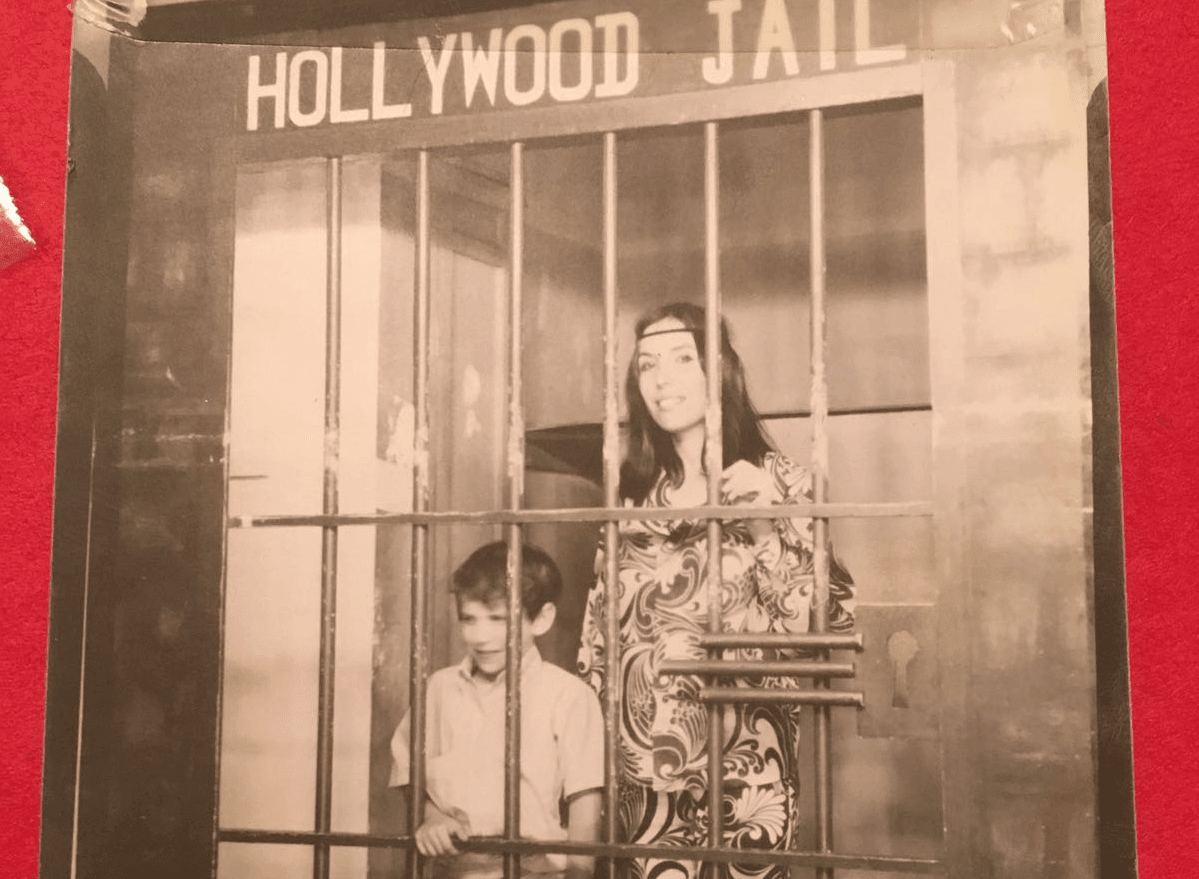
The adventures of the future hacker in social engineering and system hacking in the broad sense of the word began at the age of 12. Kevin was always short of pocket money, but he loved to ride the streets of the vast Los Angeles by bus. A ticket cost 25 cents, a transfer cost another 10. And Kevin loved to ride often. He found out from one of the drivers where punches for composting tickets were sold, begged his mother for 15 dollars to buy one, and then tore unused tickets from the garbage near the bus station. After that, he began to travel around Los Angeles and the surrounding area even more, and spent the pocket money he saved on excessive consumption of burgers (which caused him to lose his athletic form and gain some weight).
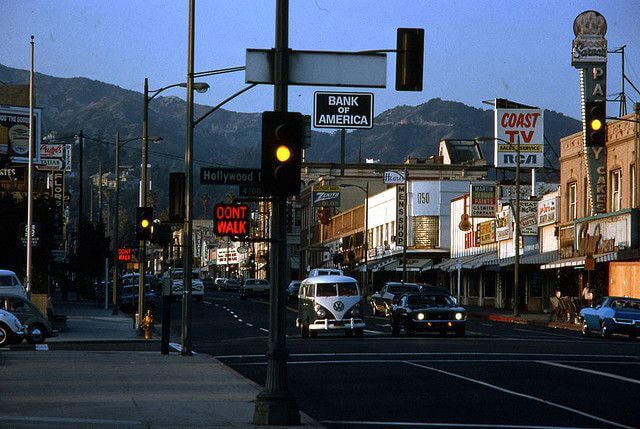
Kevin also discovered talents in social mimicry and acting. During a bar mitzvah ceremony after turning 13, he imitated a rabbi so accurately and in detail — thinking that was the norm — that his parents considered it an obscene joke. The ability to get into a role no worse than the bald guy from Brazzers from “Hitman”, carefully honed, will help him many times both in hacking systems using the “human factor” and in playing hide-and-seek with the entire US FBI machine on his tail.
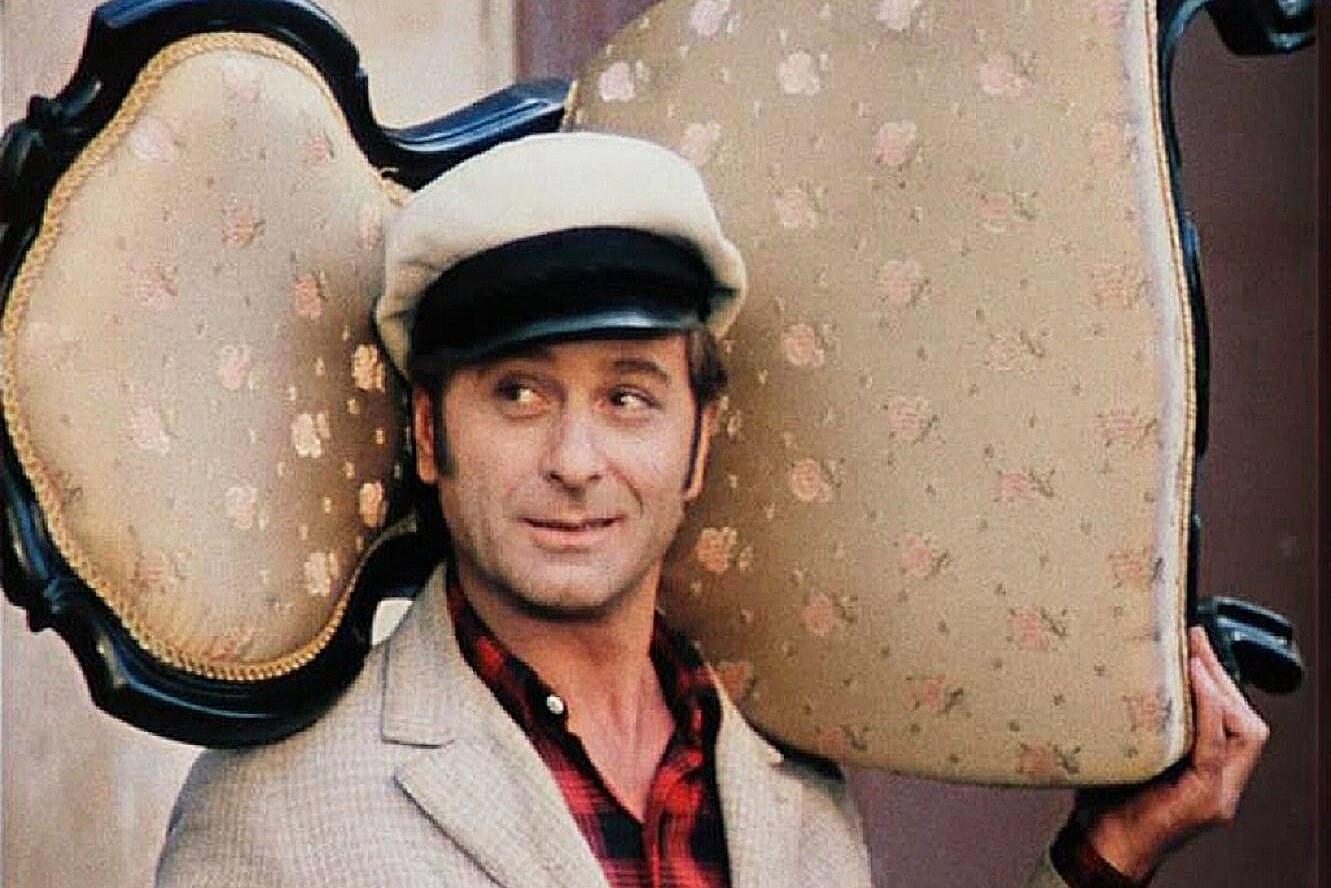
In high school, he befriended another radio hacking adept, Steven Shalita. Together they plunged into the fascinating world of hacking into other people’s frequencies to collect interesting information and all sorts of pranks. By listening to police waves and telephone companies, they studied the internal procedures and habits of employees in order to be able to sound and communicate like “their own”. Soon Kevin learned to extract almost any information he needed from the telephone company’s official networks, including the personal numbers of Hollywood celebrities: this was called phreaking and was a popular pastime of not very law-abiding American geeks in the 70s.
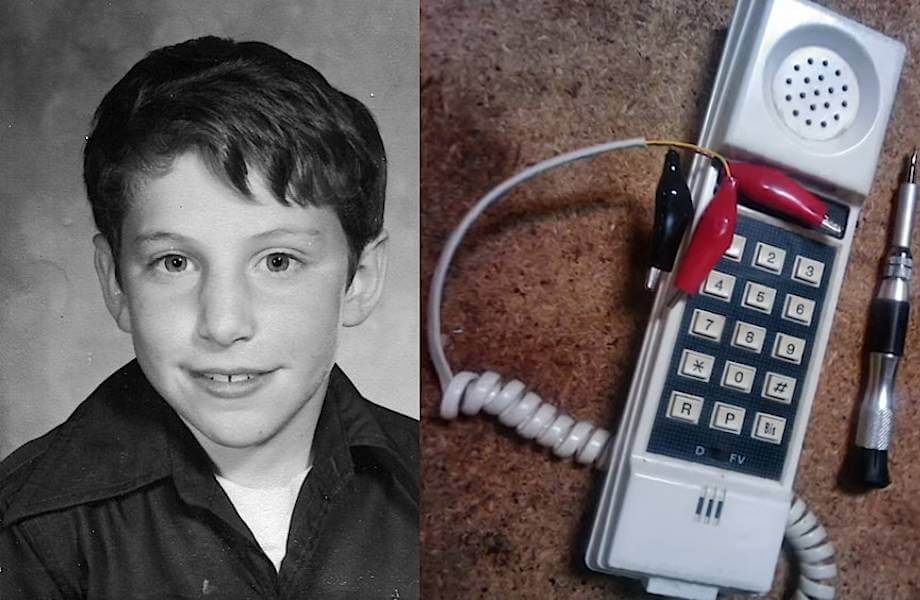
On occasion, he played a cunning trick on several enemies, because of which they were charged as much as 10 cents for any call: the system considered that they were calling from a pay phone. Then Kevin got to computer science lessons, and this abyss swallowed him up in an instant. He realized that compared to computers and computer networks, telephone systems are a thing of the past. Of course, Kevin categorically did not have enough time for classes: neither for studying a new field for him, nor for computer games.
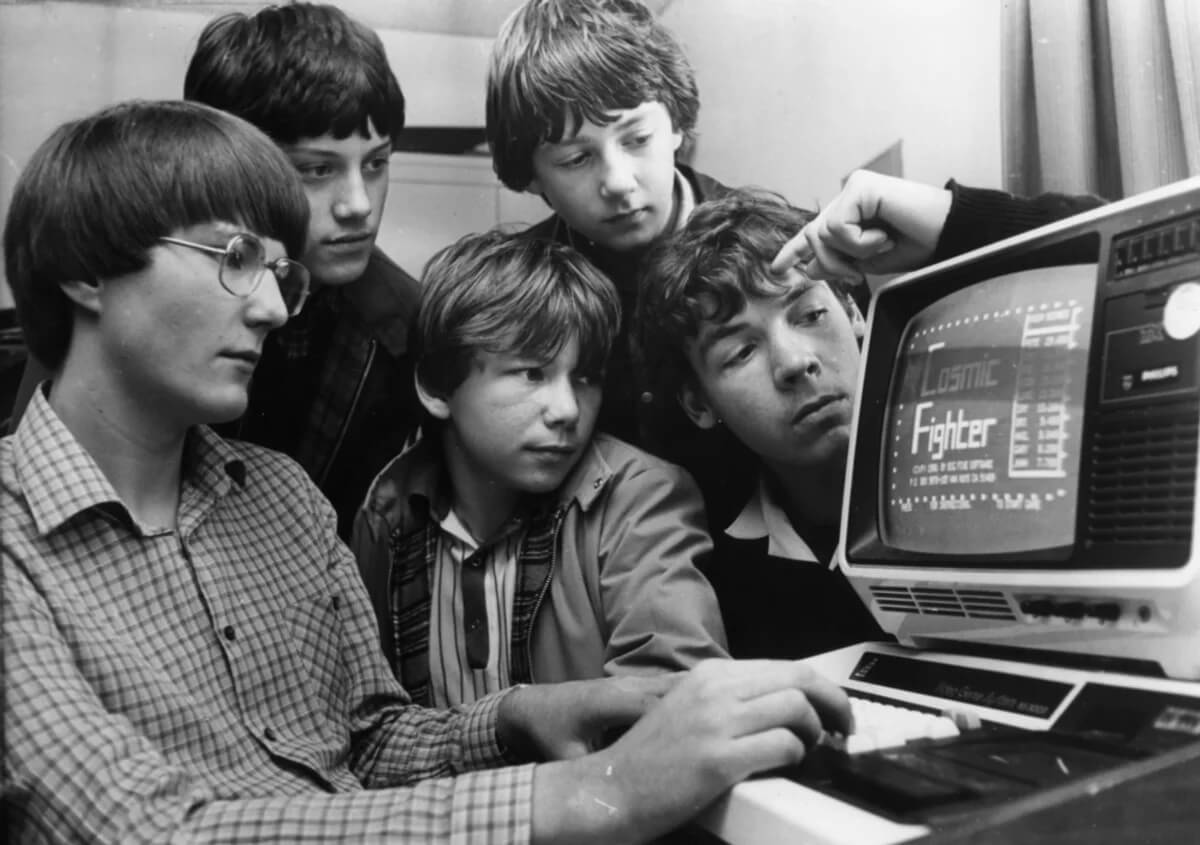
Naturally, Kevin did not leave it at that and very quickly adapted to cracking primitive passwords on the school computer for unlimited access. The teacher, Mr. Crisp, tried to replace the usual passwords with a punch card reader, but did not take into account that he carried these punch cards in his shirt pocket, where the sequence of holes was easily read by eye. Worse, Kevin managed to get to the network that connected the school machines with the computers of the University of Southern California, and also embarrassed all attempts to stop access to them. And then he decided not to waste time on trifles, went straight to the dean of the computer science department of the California Institute of Technology, Wes Hampton – and asked him to give him, as a young talent, access to their machines, more powerful and advanced.
Kevin Mitnick began studying BASIC and Fortran and within a few weeks had written a phishing program to steal passwords from students at the institute. This was soon revealed, but the lab technician who noticed it was more likely to be moved by the student’s talents and even helped him debug the code. Kevin did not commit any malicious acts: he simply loved having access to the widest possible range of information, especially if it was closed.
However, later another lab technician became aware of the password cracking. The case ended with three campus security police officers bursting into the classroom where Kevin worked, tied him up, handcuffed him, and did not let him leave the station until his mother picked him up. Of course, he was banned from the institute’s machines, but there were no legal consequences: US laws were just beginning to recognize such things as criminal. Kevin’s ears were buzzing with excitement about this – but it only excited him.
Then there was admission to Pierce College in Los Angeles… from where Kevin was soon expelled for hacking everything and everything with the phrase “we don’t have to teach him anything, he already knows everything”. At this time, Mitnik did not stop perfecting both the art of implementing into telephone networks and the art of hacking computer networks. His passion for the latter played a cruel joke on him. He contacted a company of hackers who decided to use his 16-year-old talent in secret. In 1979, they instructed him to hack the Digital Equipment Corporation networks, supposedly to “test his skills” — from where they were actually going to steal the code of one of the newest programs. Mitnik did not break the network directly, but simply convinced the chief sysadmin that he was one of the developers who had cracked the password. The sysadmin was so kind that he gave Kevin everything, including the guts and the status of a privileged user. The “friends” stole everything they wanted, disappeared into the sunset, and turned the perpetrator over to Digital Equipment Corporation.
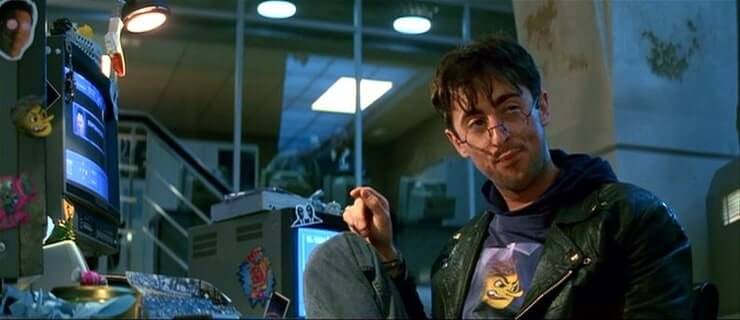
At that time, no criminal case was opened against Kevin – the legal basis was still very weak. However, in December 1980, he managed to attract the attention of the FBI: together with his friend Mikhail Gershman, they hacked the database of a company that was engaged in the systematization of racehorse pedigrees. They noticed the hacking and reported it to the FBI. To Kevin’s horror and the surprise of his mother, an employee of the agency came to him – but for now he only had an educational conversation.
As you can guess, this did not help: Kevin immediately contacted another team of hackers, with whom he began to hack even more fiercely and brazenly. Later, he recalled that he had repeatedly promised both himself and his alarmed mother to quit phreaking and hacking, especially when it threatened prison – but he could no more fulfill these promises than an experienced alcoholic can quit drinking. British psychiatrist Roy Escapa, who later observed Kevin Mitnick in prison, officially stated that he really couldn’t help but break systems due to a serious compulsive mental disorder… Well, Kevin helped him break the international communication system and make free calls to England from the USA.
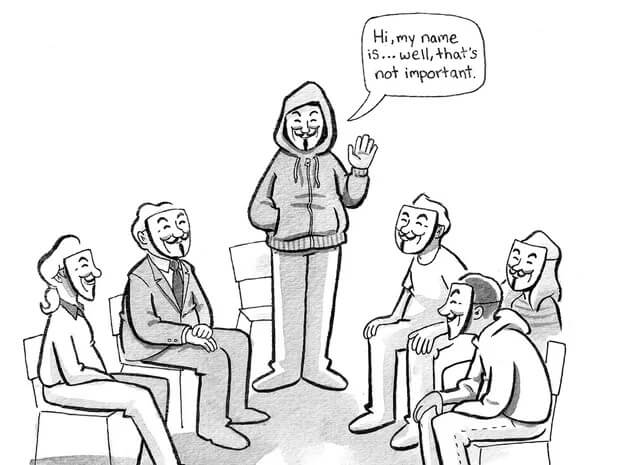
Kevin was also framed in a new company: in 1981, after stealing lists of extension numbers and technical instructions from the Pacific Telephone building, his colleague in the hacking group Lewis had no idea what to do but brag about this epic achievement to his ex-girlfriend. With whom he had recently broken up with a scandal due to Lewis’s infidelity – and who had already tried to frame the deceiver together with his friends by hacking the US Teasing computer system, erasing the files and printing the text “THE CUSTOMS OFFICER WAS HERE, THE DEVIL HAD IT.” on all the printers.
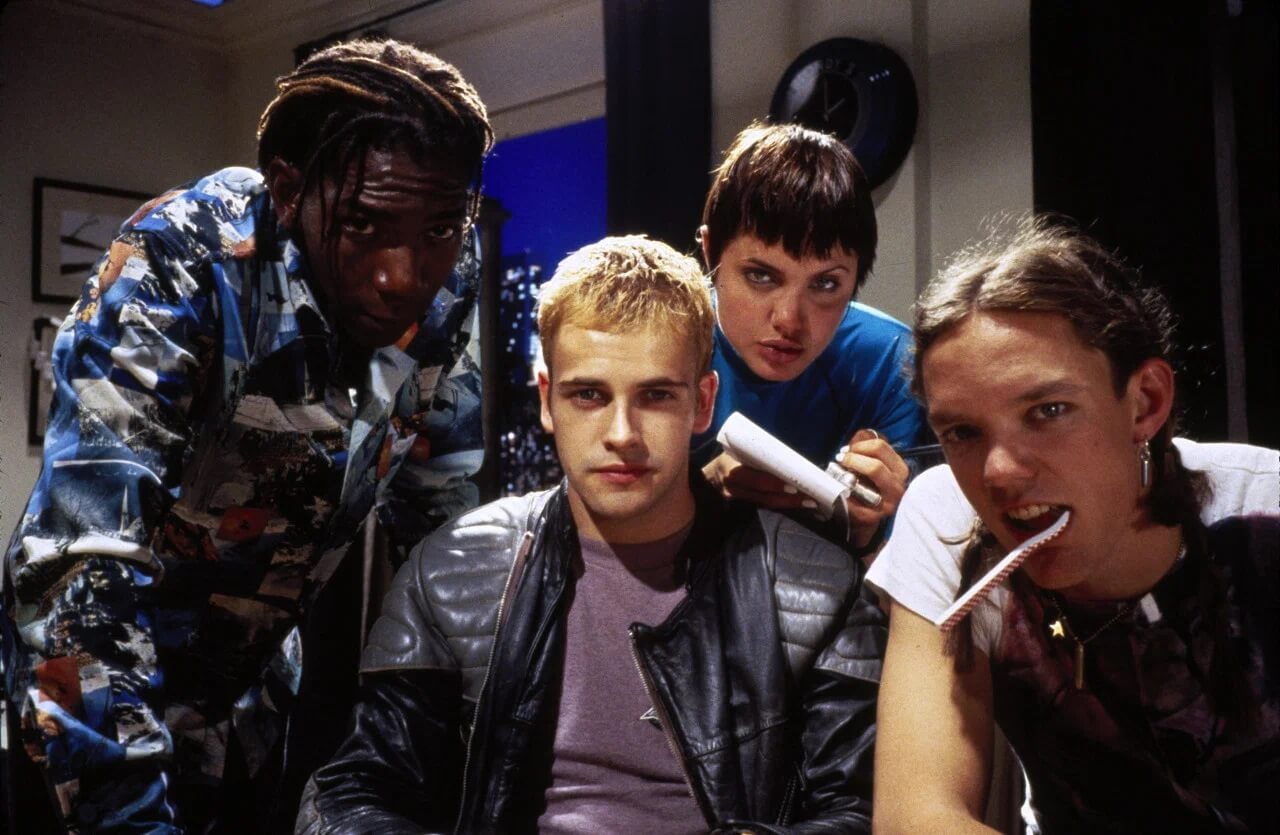
Of course, Susan leaked everything to the cops. Soon Kevin was intercepted in a typical Ford Crown Victoria, which at that time did not even have the word “cop” written on it, was pulled over to the side of the road to the howling of a siren mounted on the roof and three barrels were pointed at him. After that, they roughly laid him face down on the ground, handcuffed him and started shouting that Kevin had a “logic bomb” in the trunk. Apparently, this was a well-intentioned joke of Susan’s, which the cops took too literally.
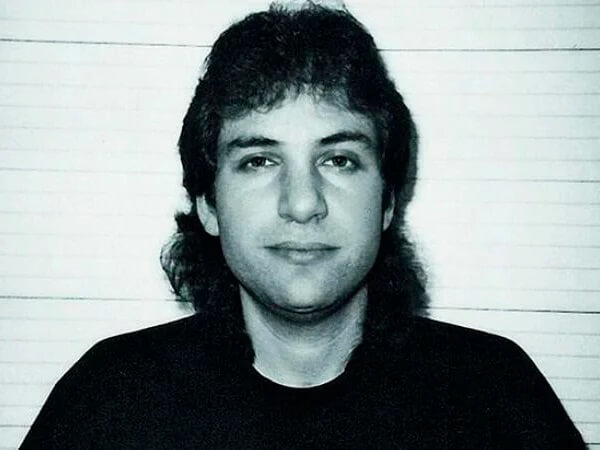
Kevin ended up in the California Youth Affairs (CYA) in Norwalk, where they kept juvenile delinquents in almost full-fledged prison conditions and thought about what to do with them next. In Norwalk, in the company of the beginnings of the South Central gents and other wonderful people, in the summer of 1981, Kevin Mitnick celebrated his 18th birthday.
Then he was released on probation, and everything was fine… But Kevin could not resist. Together with his hacker friend Lenny DiCicco, they dug into the network from the laboratory of the long-suffering University of Southern California: Kevin still could not afford a normal machine and used the university ones. And they quietly cracked all the networks and passwords that they could get their hands on.
The connection was slow, and it was frustrating for his hacker friends. But in one of the university buildings there was a cluster of DEC TOR-20 mainframes connected to the ARPAnet… In general, in December 1982, armed police again burst into the auditorium where Kevin and Lenny were sitting. As it turned out, through ARPAnet they managed to get into not only the accounts of university employees, but also at least one of the accounts of high-ranking Pentagon employees. The police leaked the case about the young hacker to the press, journalists traditionally got a little carried away – and to this day, notes are circulating on the Internet, claiming that Kevin hacked more or less the entire North American Aerospace Defense Command (NORAD) in revenge for his first prison sentence.
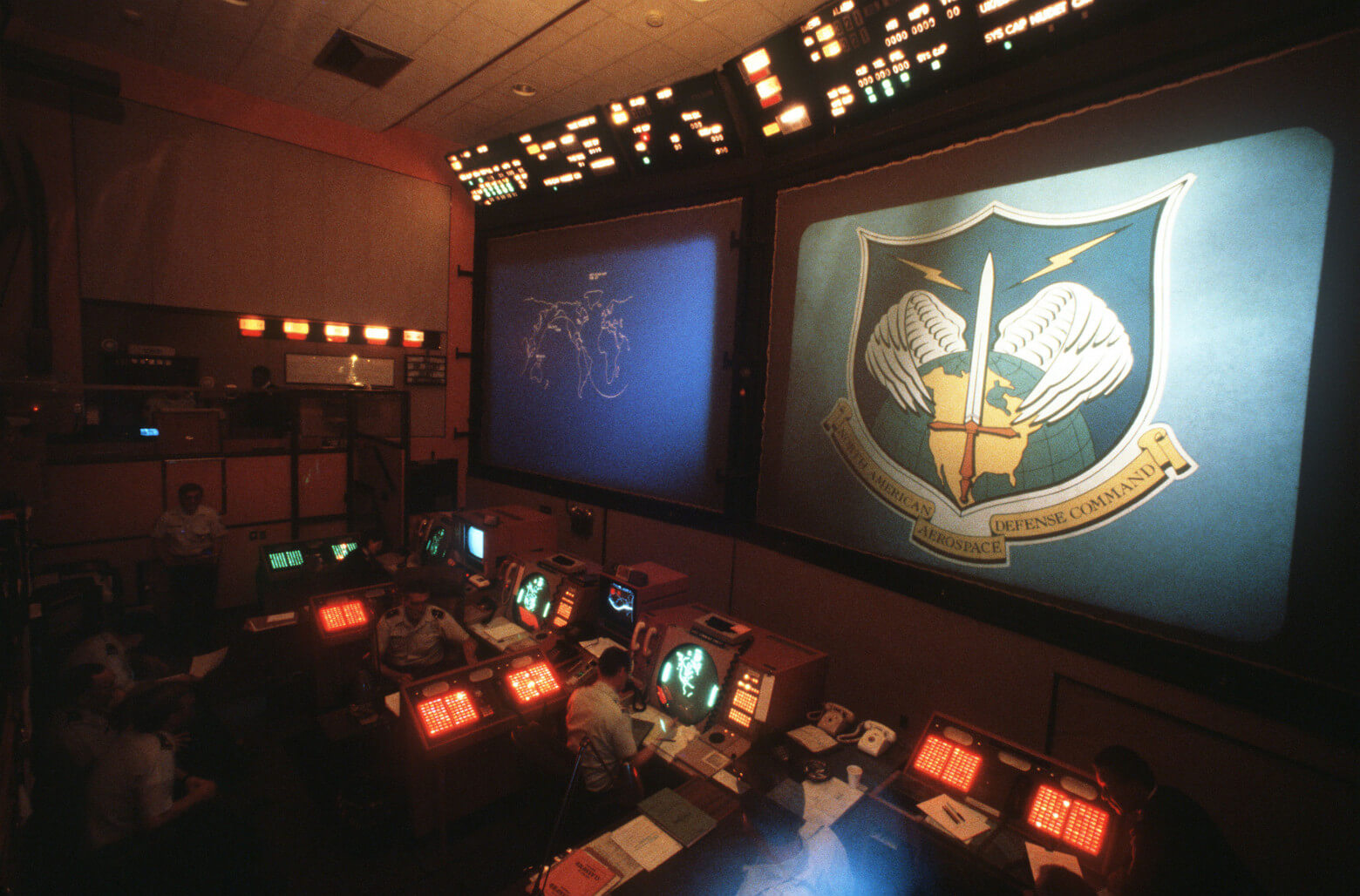
Kevin was sentenced to three years in prison, released after six months on parole, but he continued to struggle with periodic detentions for a long time. Apparently, law enforcement officers were already beginning to understand who they were dealing with.
Of course, after getting out, Kevin Mitnick could not get a job, although he tried. And perhaps the first thing he did was to break the US National Security Agency – which, after all, was supposed to be on guard of national cybersecurity.
… But we will consider Kevin Mitnick’s further adventures, the heyday of his career and the crazy cat-and-mouse games with the FBI in the status of the most famous cybercriminal on the planet in the second part. Stay with us!